


Vintage Green Dining Table
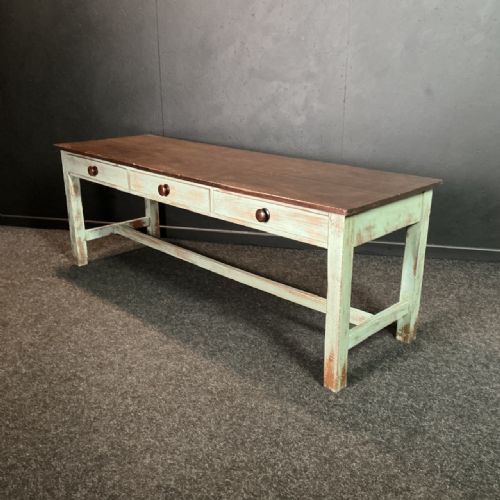
A vintage green dining table brings character to a room through coloured paint and sturdy timber.
Vintage Green Dining Table
A vintage green dining table search brings up dining tables, kitchen tables, and rustic farmhouse tables finished in shades of green paint. These items draw on periods ranging from the Victorian era through the 1920s, 1930s, and 1940s, alongside nineteenth-century examples.
Buyers are most likely to encounter pine and kitchen tables alongside industrial steel or painted wooden surfaces. Styles span Victorian country, rustic farmhouse, Scandinavian country, and industrial designs.
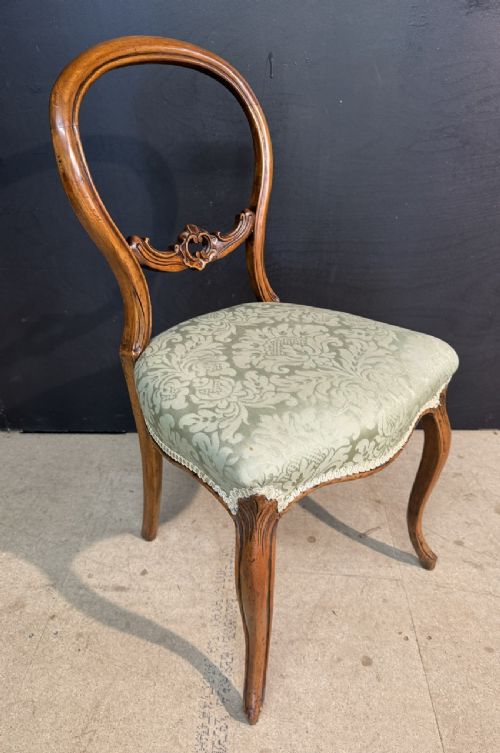
The selection also includes associated dining furniture such as side chairs, table bases, garden sets, and complete dining suites in materials like walnut, cast iron, and fabric.
How they were made
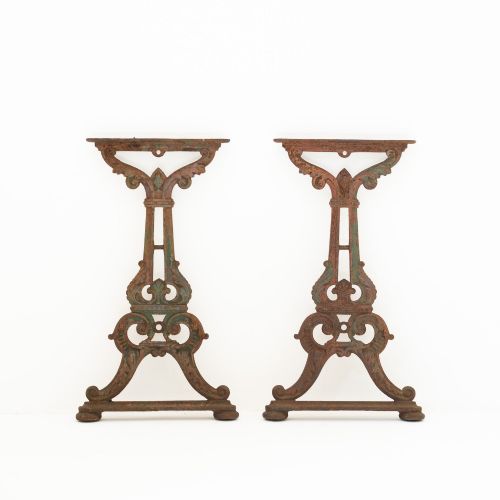
Construction relies heavily on solid timber such as pine and walnut, shaped into tables, chairs, and bases. Structural support often incorporates cast iron and industrial steel, particularly in patio sets and heavier work tables.
Surfaces receive surface treatments including original paint and distressed green finishes over wood. Craftsmanship reflects the period methods of nineteenth-century joinery and early twentieth-century industrial fabrication.
Listings feature items spanning the nineteenth century through the 1920s, 1930s, and 1940s, constructed from pine, walnut, paint, cast iron, and fabric.
What varies in quality
Quality rests in the integrity of the original materials, whether solid pine, walnut, or heavy cast iron, and how well the structure retains its original form. Tables with surviving original paint finishes hold distinct character compared to later re-paintings.
The execution of the style, from the rustic charm of a farmhouse piece to the clean lines of an industrial steel frame or Art Deco dining suite, dictates the refinement of the finished item.
The Vintage Green Dining Table Glossary
- Slagbord
- A traditional Scandinavian dropleaf dining table design. These pieces feature hinged leaves supported by swing-out wooden gates.
- Farmhouse table
- A large utility dining table constructed from solid timber. They often display visible signs of daily use and painted wooden bases.
- Cast iron
- An iron-carbon alloy poured into moulds to create heavy decorative and structural supports. It appears frequently in nineteenth-century table bases and garden furniture.
- Bird's Eye Maple
- A figure in maple wood that resembles small, swirling bird eyes. This veneer appears on mid-century Art Deco dining suites.
Vintage Green Dining Table: Frequently Asked Questions
How do I clean a painted wooden table?
Wipe surfaces gently with a soft, damp cloth to remove dust without damaging the paint layer. Avoid harsh chemical cleaners that can strip historic finishes.
Dry the wood thoroughly afterwards to prevent moisture from settling into the grain or lifting the paint.
Are these tables suitable for daily use?
Solid timber and industrial steel tables provide sturdy surfaces for everyday meals and kitchen tasks. Using coasters and placemats helps protect the painted or polished wood from heat and moisture marks.
Regular care preserves the structural integrity while allowing the natural patina of age to develop.
How can I tell a nineteenth-century table from a later piece?
Examine the construction joints, timber selection, and fastener types used beneath the tabletop. Hand-cut elements and older joinery techniques typically indicate nineteenth-century or early twentieth-century origins.
Paint layering and surface wear also offer clues to the age and history of the piece.
What rooms suit a green painted table?
Kitchens, dining rooms, and garden spaces accommodate these pieces well, depending on whether the frame is built from pine, steel, or cast iron. The green colour adds a focal point that complements natural wood tones and neutral walls.
Matching the table with appropriate seating, such as side chairs or benches, creates a cohesive dining area.