



Vintage Folk Art Furniture
Vintage folk art furniture brings hand-painted character and regional rural tradition into domestic spaces through authentic period benches, cupboards, and seating.
Vintage Folk Art Furniture
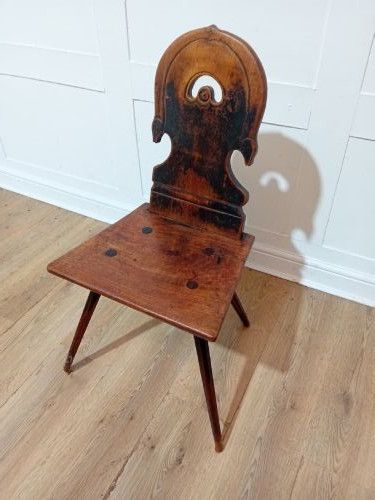
Vintage folk art furniture encompasses practical household objects transformed by regional makers using traditional woodworking and decorative painting techniques. When searching for vintage folk art furniture, buyers encounter items ranging from simple milking stools to large painted dressers and kitchen cabinets.
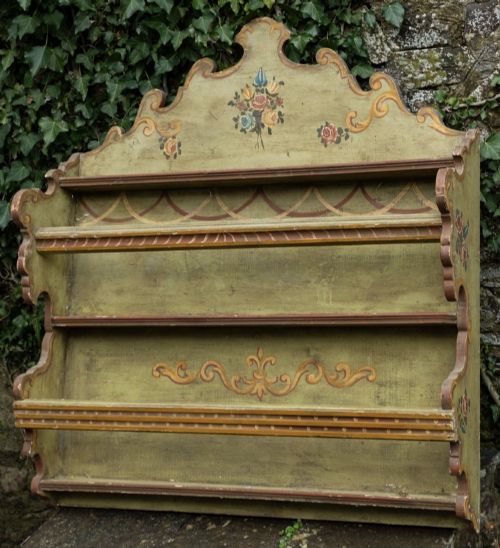
The pieces originate from diverse European regions, including Scandinavia, Austria, Hungary, and Britain, displaying distinct local styles such as Gustavian, Scandinavian Country, and Scottish Vernacular. Pine forms the primary structural material for most items, frequently enhanced by original paint finishes in muted creams, greens, and blues.
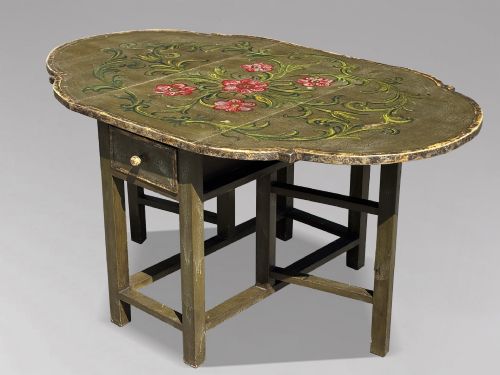
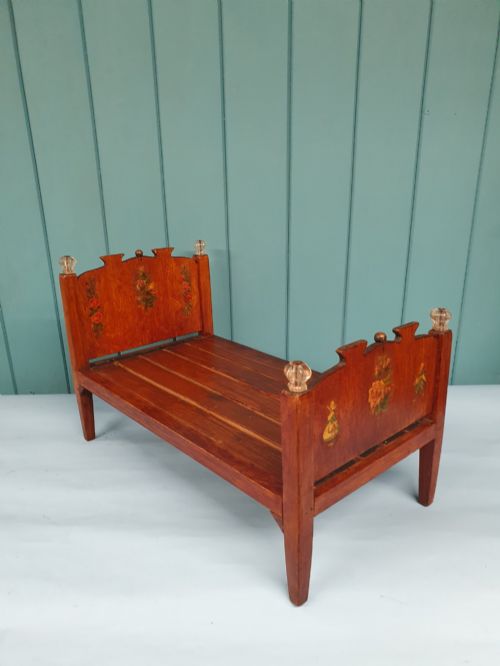
Seating and storage dominate the forms, featuring stick-back armchairs, box settles, hanging cupboards, and drop-leaf tables alongside smaller items like miniature furniture and children's high chairs. These domestic objects reflect the everyday needs of rural households combined with expressive local craftsmanship spanning the eighteenth, nineteenth, and early twentieth centuries.
Materials and Construction Methods
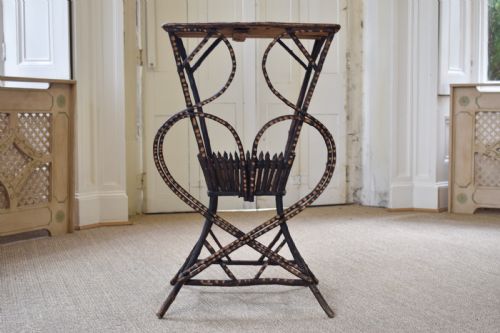
Local craftsmen built these pieces predominantly from softwoods like pine alongside oak and mixed hardwoods, selecting timber for immediate utility and availability. Construction often relied on traditional joinery methods, including pegged joints, dovetailed boxes, and rustic twig or branch framing.
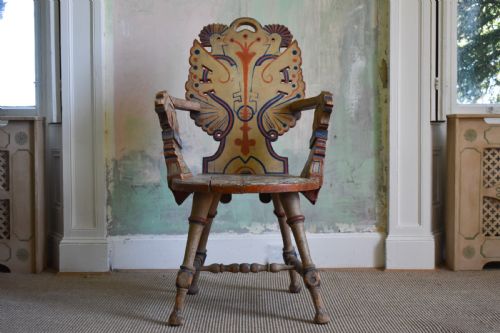
Surface decoration defined the aesthetic, utilising hand-mixed paints applied directly to wood surfaces, sometimes featuring chip carving, simulated wood graining, or intricate folk motifs. Finish coats protected the soft pine while developing natural patinas through decades of domestic use.
Listings feature items from the eighteenth, nineteenth, and early twentieth centuries, dominated by pine, painted wood, and iron materials.
Assessing Craftsmanship and Condition
Quality rests heavily on the survival of original surface finishes, where untouched layers of period paint distinguish superior examples from stripped or later repainted pieces. The integrity of regional construction methods, from pegged joinery to hand-carved details, separates everyday utility items from finer vernacular design.
Proportion and scale influence desirability, particularly in smaller forms like child-sized chairs or miniature furniture where balanced dimensions require careful maker skill. The character of the timber, whether figured oak or knotty pine with authentic wear, contributes directly to the visual presence of the piece.
Gemla Fabrikers
The Vintage Folk Art Furniture Glossary
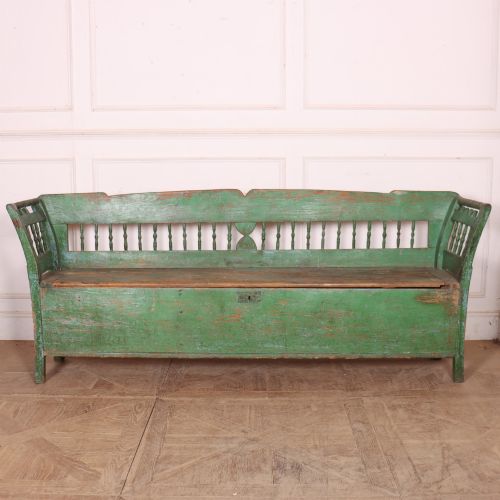
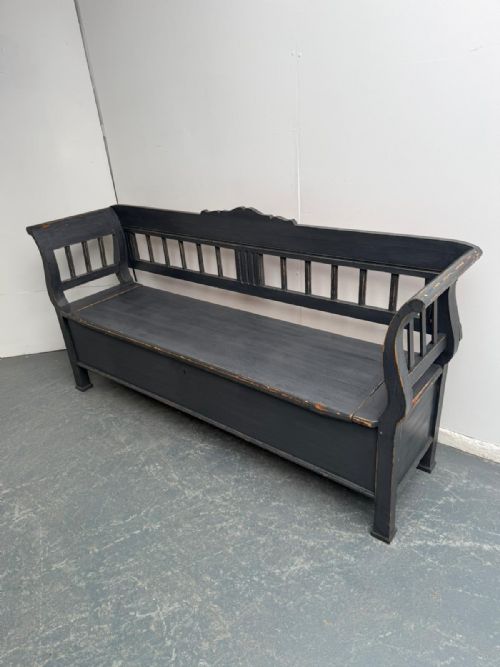
- Box Settle
- A wooden bench featuring high backs, solid sides, and a concealed storage compartment beneath the seat. This form provided draught protection in farmhouse kitchens.
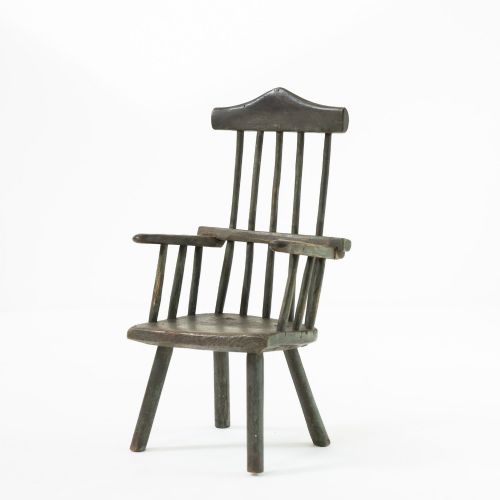
- Stick Back
- A chair construction method where turned spindles or shaved wooden sticks are tenoned directly into a solid seat slab. This design exemplifies practical rural furniture making.
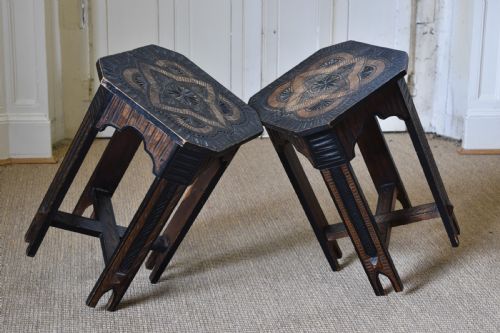
- Chip Carving
- A decorative technique involving the removal of small chips of wood from a surface with a knife or chisel to create geometric patterns. It appears frequently on small tables and boxes.
- Gustavian
- The Swedish interpretation of French neoclassical style, characterised by lighter proportions, carved fluting, and pale painted finishes. This style heavily influenced Scandinavian furniture design.
- Milking Stool
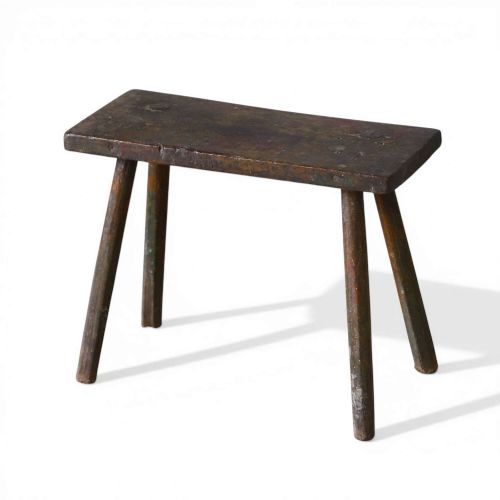
- A simple low seat supported by three legs, originally designed for dairy work in rural barns. These pieces often exhibit singular leg configurations and heavy patination.
Vintage Folk Art Furniture: Frequently Asked Questions
How do I identify original paint on folk art furniture?
Original paint surfaces show natural wear patterns, craquelure, and multiple thin layers that correspond to the period of manufacture rather than modern flat emulsions. Examination under natural light reveals consistency between the painted exterior and internal concealed surfaces.
Untouched pieces often retain minor chips and subtle fading around high-contact areas like armrests and seat edges. Avoid items with uniform modern surfaces unless documented professional conservation has occurred.
Where were these painted cupboards and benches made?
The pieces originate across rural Europe, with strong representations from Swedish workshops, Austrian farmhouses, and Hungarian villages. Each region developed distinct colour palettes and construction traits tied to local timber availability.
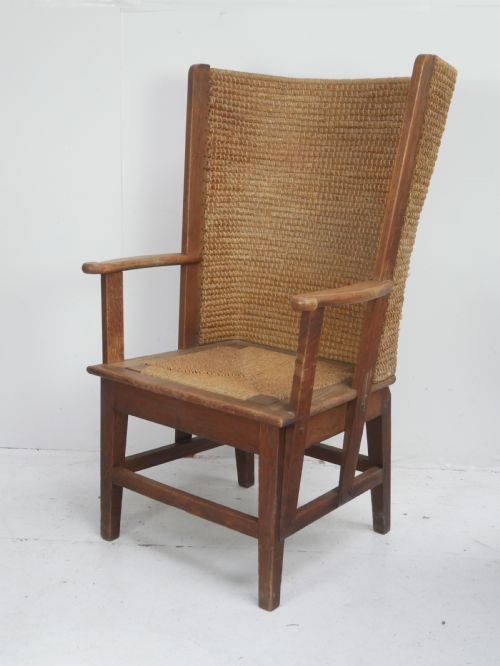
Scottish vernacular and English rural traditions also contributed distinct chair and spinning stool forms. Understanding regional characteristics helps connect individual pieces to their geographical origins.
How do I care for antique painted pine furniture?
Protect painted surfaces from direct sunlight and excessive humidity fluctuations to prevent wood movement and paint flaking. Dust gently with a dry, soft cloth rather than using liquid polishes or chemical cleaners.
Maintain stable indoor temperatures to preserve fragile historical finishes and old pine timbers. Wax should only be applied to unpainted wooden sections if necessary.