





Vernacular Pine Table
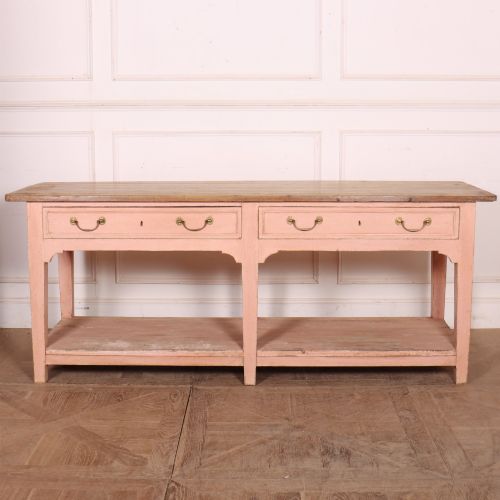
These pieces of vernacular pine table carry the straightforward utility of rural rooms, offering honest grain and simple lines.
Vernacular Pine Table
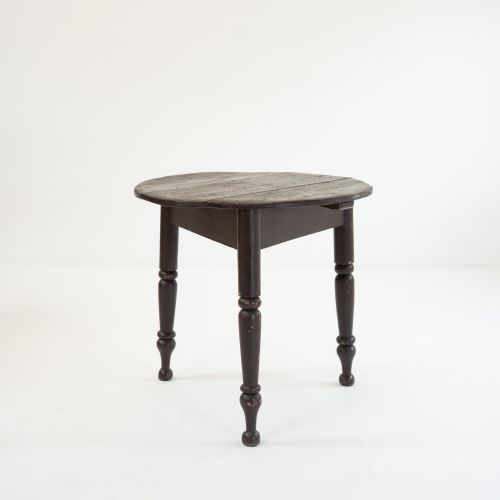
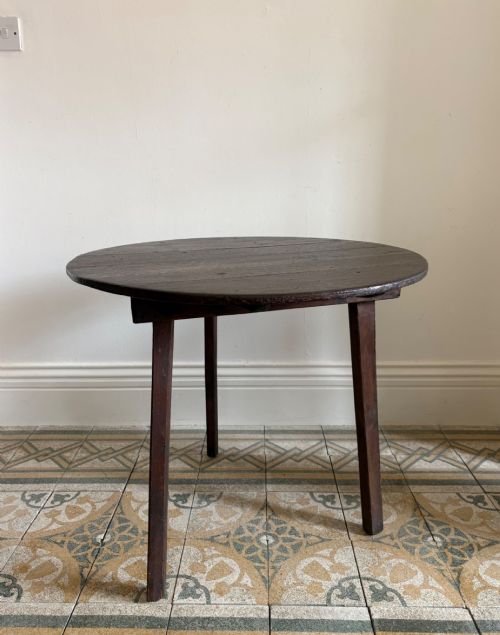
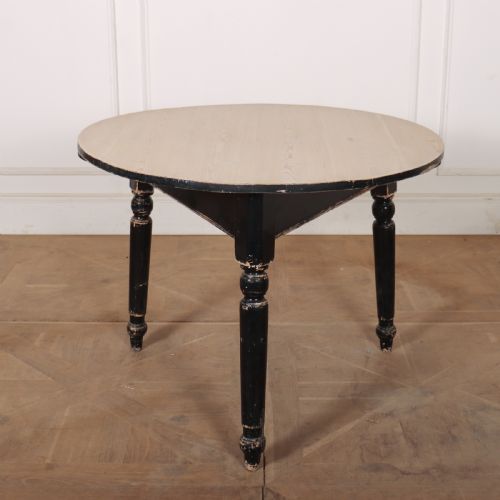
Most examples date from the nineteenth century, including pieces marked as Georgian or originating from Wales, Scotland, Scandinavia, and France. Buyers most frequently meet circular cricket tables and rectangular kitchen formats during a search for a vernacular pine table.
How they were made
Joiners constructed these items primarily from pine and oak, utilising sturdy timbers for heavy plank tops and supporting bases. Iron and brass hardware occasionally appeared in hinges or structural brackets.
Surfaces frequently display applied coatings such as traditional paint, Falu paint, or stained timber finishes. These treatments protected the softwood while recording the functional history of each piece.
One listed piece doubles as a chair and a table, solving cramped eighteenth-century seating dilemmas with clever carpentry.
What varies in quality
The integrity of the timber and the preservation of original paint layers determine the standing of an individual piece. Tables retaining their early surface patination hold greater character than those stripped down to bare wood.
Structural proportions and regional joinery details distinguish everyday domestic items from rarer forms like three-legged cricket tables or convertible chair tables. The balance between practical wear and original construction integrity defines the range.
The Vernacular Pine Table Glossary
- Vernacular
- Objects made by local craftsmen for everyday use, following regional traditions rather than high-style academic design. These items prioritize utility and local materials.
- Cricket table
- A small, usually circular table supported by three legs, historically associated with rustic English interiors. The three-legged design remained stable on uneven flagstone floors.
- Refectory table
- A long dining table traditionally used in communal halls, adapted in vernacular contexts for farmhouse kitchens. They feature elongated plank tops and robust underframing.
- Falu paint
- A deep red paint originating from Sweden, traditionally composed of copper mine waste and linseed oil. It provided durable protection for timber surfaces.
- Plank top
- A surface constructed from solid boards joined edge to edge, commonly found on heavy kitchen and dining tables. This method utilised wide boards from mature trees.
Vernacular Pine Table: Frequently Asked Questions
What is a vernacular pine table?
A vernacular pine table is a utilitarian piece of furniture built by regional craftsmen to serve daily domestic needs.
These tables reflect the traditions and available materials of specific localities, ranging from Welsh country forms to Scandinavian kitchen tables.
How do I date a pine table?
Dating relies on examining construction methods, tool marks, and timber characteristics. Eighteenth-century pieces often show hand-planed surfaces and pegged joints, whereas later nineteenth-century examples may incorporate machine-sawn elements.
Surface treatments and regional design styles also provide reliable clues for establishing the period.
Where were these tables used?
These tables served primarily in farmhouses, cottages, and provincial taverns for food preparation, dining, and daily labour.
Their robust construction suited demanding domestic environments where longevity mattered more than fashionable ornament.
How do I care for painted pine?
Preserving painted pine involves keeping the furniture away from direct sunlight and excessive moisture fluctuations to protect the original finish.
Dusting with a dry cloth is usually sufficient, avoiding harsh chemical cleaners that might lift historic paint layers.