



Welsh Pine Table
A welsh pine table brings domestic utility and sturdy vernacular character into a room.
Welsh Pine Table
A welsh pine table encompasses utilitarian forms built for demanding domestic and rural spaces, ranging from compact three-legged pieces to long refectory boards. These items serve kitchens, dairies, and taverns, reflecting the practical needs of past rural communities.
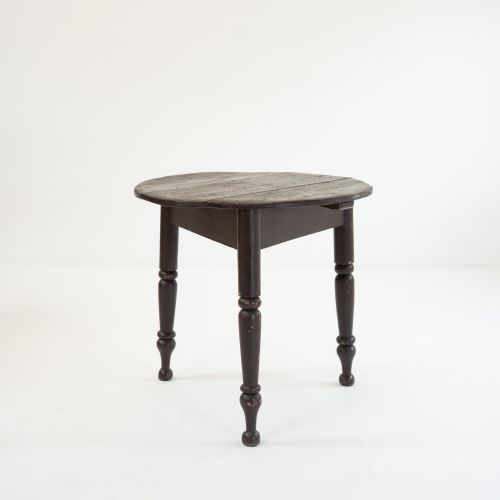
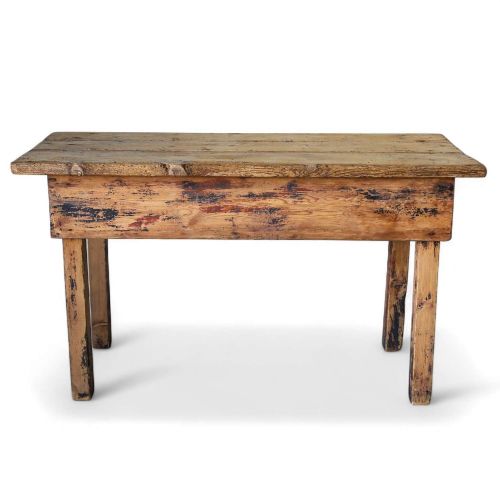
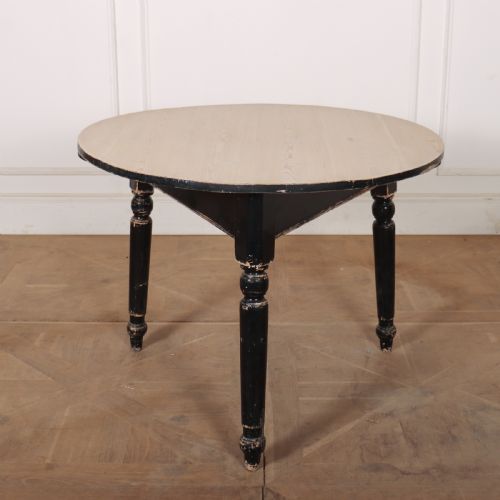
The version most commonly met on this page is the cricket table, a compact round piece featuring three legs. Alongside these, buyers encounter farmhouse kitchen tables, tavern tables with X frames, and servers.
Evidence across periods shows examples dating from the late eighteenth century through the nineteenth century and into nineteen thirty. Styles lean heavily towards Welsh country, vernacular, and rustic farmhouse aesthetics.
What varies in quality
The distinction between ordinary utility items and superior examples lies in the integrity of the surviving timber and the presence of original paint surfaces. Untouched surfaces carrying old red paint or natural patination command greater interest than stripped or overly restored timber.
Proportion and scale also separate pieces, as seen in unusually large kitchen formats or exceptionally balanced cricket tables. Structural honesty without modern replacement parts preserves the authentic character of each piece.
The Welsh Pine Table Glossary
- Cricket table
- A small round occasional table supported by three legs. This tripod design offered stability on uneven flagstone floors.
- Dairy table
- A functional work table used in butter-making and cheese production. These pieces often feature scrubbed tops designed for frequent washing.
- Refectory table
- A long dining or communal table built for shared meals. They provide generous surface area supported by sturdy trestles or legs.
- X frame
- A structural base configuration formed by intersecting diagonal timbers. This design adds rigidity to tavern and utility tables.
- Vernacular
- Architecture and furniture built by local craftsmen using regional materials for everyday use. These pieces prioritize function over high-style academic design.
Welsh Pine Table: Frequently Asked Questions
What is a cricket table?
A cricket table is a small, round table supported by three legs. The three-legged design ensured the table remained steady on uneven stone floors found in older buildings.
These pieces were typically used as occasional tables or stands in domestic and rural settings.
How were these tables used?
These tables served various practical functions in kitchens, dairies, taverns, and farmhouses. They provided stable surfaces for food preparation, dining, and daily domestic labour.
Larger formats accommodated communal meals, while smaller pieces functioned as side tables or work surfaces.
Are painted finishes original?
Some pieces retain original painted surfaces, such as early red paint applied to bases or frames. Paint protected the timber and reflected the decorative choices of rural households.
Surviving early paint adds significant character and historical depth to a piece.
What woods were used?
Makers relied primarily on pine for tops and general construction due to its availability and workability. Oak and sycamore also appear in framing and structural elements for added strength.
Combinations of pine and oak are common in vernacular tables built to withstand heavy daily use.
How do I date a table?
Dating relies on construction methods, timber patination, and design characteristics associated with specific periods from the eighteenth century onwards. Simple pegged joinery and vernacular forms point towards earlier regional making.
Comparing pieces to documented examples from the archive helps establish an approximate period of origin.