





Vernacular Cricket Table
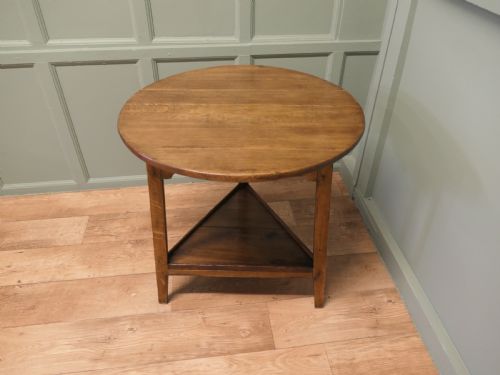
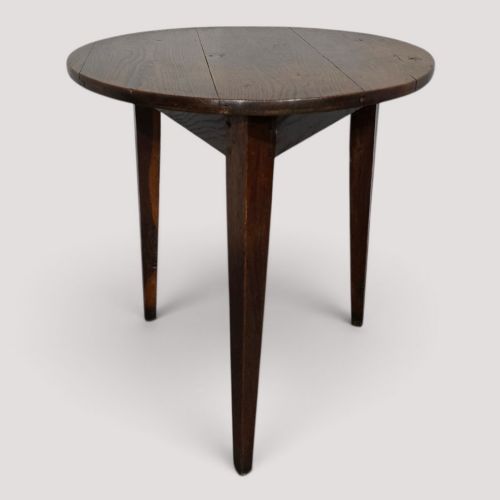
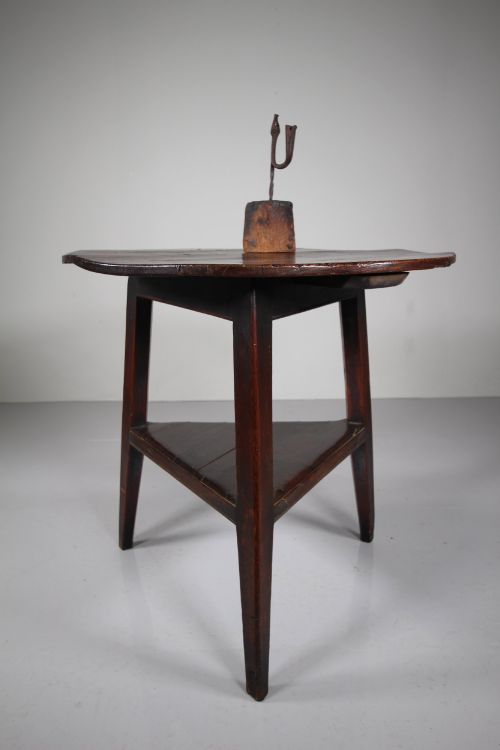
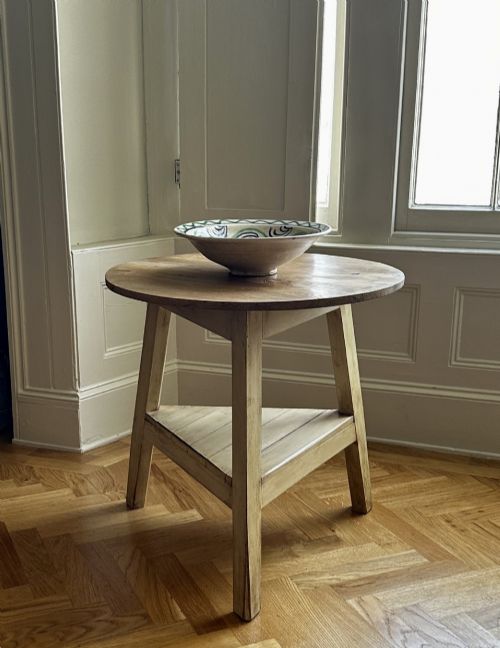
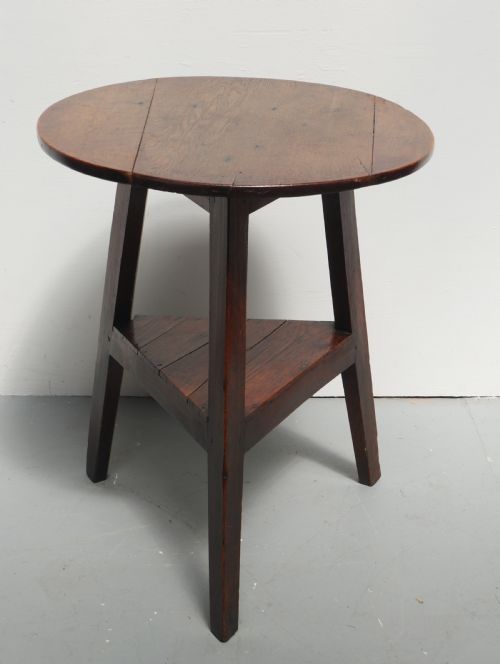
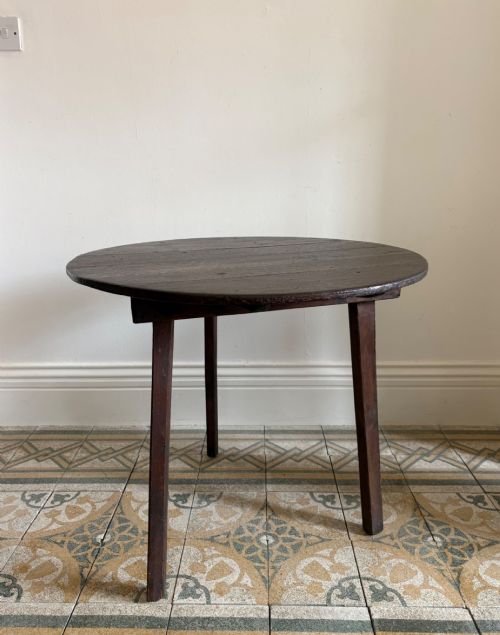
A vernacular cricket table brings honest English and Welsh utility to a corner, offering a round wooden top on three sturdy legs.
Vernacular Cricket Table
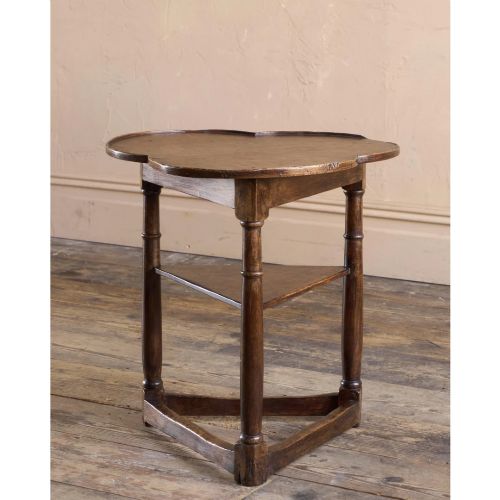
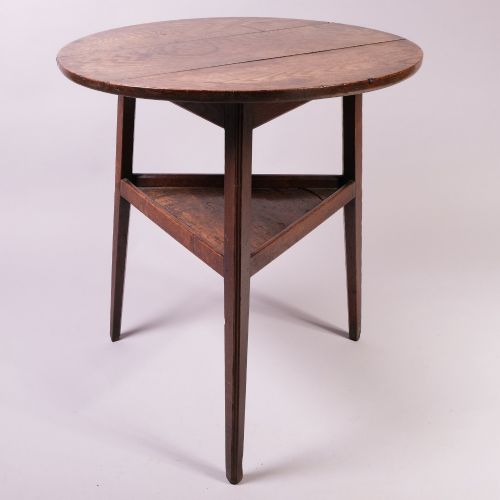
When you search for a vernacular cricket table, you encounter small circular tripod tables originating primarily from the seventeenth, eighteenth, and nineteenth centuries. These pieces reflect English country, Welsh vernacular, and rustic styles shaped by local makers for domestic use.
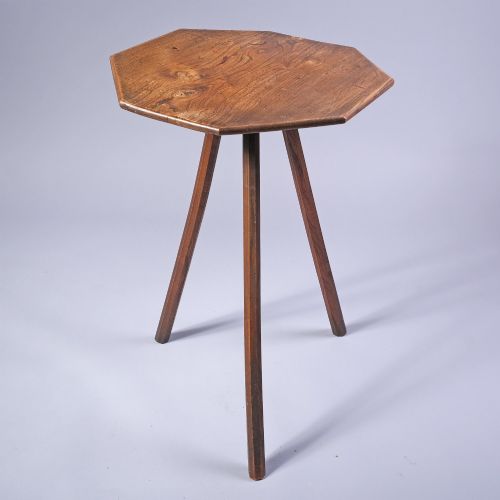
You are most likely to meet oak, pine, elm, and ash examples on this page, often built with plank tops or trefoil shapes. Regional origins such as Monmouthshire and Snowdonia appear alongside Georgian and Edwardian interpretations.
The form typically serves as a side or occasional table, relying on three legs for stability on uneven flagstone floors. Their unpretentious character makes them enduringly practical for modern rooms.
How they were made
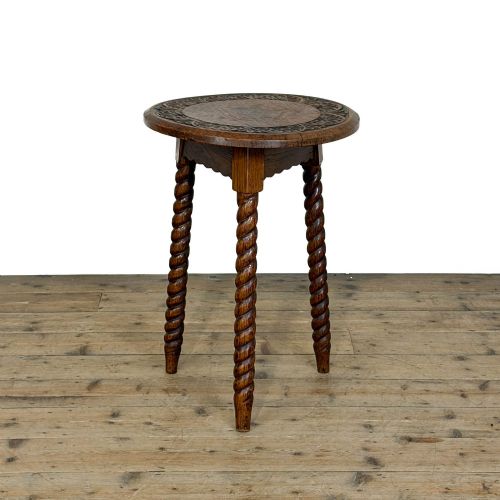
Cabinet makers and rural carpenters utilised solid timber construction, selecting native hardwoods like oak, elm, ash, and walnut alongside softer pine. Plank tops were joined and mounted to three legs, sometimes incorporating bobbin turned details or carved elements.
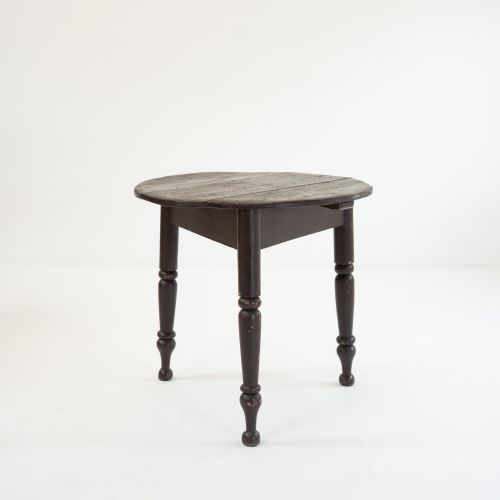
Surfaces were frequently left bare to age naturally or treated with historic paint finishes, particularly on Welsh examples. Structural joints relied on traditional pegged or wedged tenons designed to withstand daily farmhouse service.
Vernacular Cricket Table Retail Price Guide 2026
Typical asking prices for vernacular cricket table among the pieces listed under this phrase on Sellingantiques today, from the lower quarter to the upper quarter. They describe what is for sale here now, not the wider market.
What varies in quality
The distinction between ordinary and superior examples lies in the integrity of the timber and the harmony of proportions. Grain patterns in solid elm or figured walnut elevate certain pieces above standard pine or oak utility builds.
Original surface patination and untouched construction details separate genuine early pieces from later revivals. Well-balanced tripod framing and authentic historic paint finishes command greater appreciation than heavily restored equivalents.
The Vernacular Cricket Table Glossary
- Cricket table
- A small round table supported by three legs, traditionally designed for stability on uneven floors. The three-legged construction prevents rocking on irregular cottage surfaces.
- Vernacular
- Everyday objects made by regional artisans using local materials rather than following formal metropolitan design rules. This approach creates regional variations in construction and form.
- Trefoil top
- A table surface shaped with three lobes, reminiscent of a clover leaf. This specific carpentry style appears on select early examples.
- Plank top
- A table surface constructed from joining individual boards of timber together. Carpenters secured these boards with underside battens to accommodate natural wood movement.
- Bobbin turned
- Legs or stretchers shaped on a lathe to resemble a series of wooden reels or bobbins. This decorative turning technique adds visual detail to seventeenth and nineteenth-century frames.
Vernacular Cricket Table: Frequently Asked Questions
Where were cricket tables used?
These tables served various domestic purposes in country houses, farmhouses, and cottages across England and Wales. Their compact circular format allowed them to tuck easily beside hearths or into small corners.
They functioned primarily as occasional or side tables for everyday household tasks rather than formal dining. Their three-legged design made them particularly practical for uneven stone floors.
How do I date a cricket table?
Dating relies on observing tool marks, timber choices, construction methods, and overall wear patterns. Seventeenth and eighteenth-century examples typically feature pegged joints and native timbers like oak or ash.
Later nineteenth-century pieces and Edwardian or Jacobean revival interpretations often display softer pine construction, different turning styles, or machine-sawn components. Regional traits also help narrow down the period of origin.
Why do they have three legs?
A three-legged base ensures the table sits firmly without wobbling on irregular or flagstone floors. This geometric necessity made tripod tables immensely popular in older rural dwellings.
Unlike four-legged furniture, three points touch the ground simultaneously regardless of floor level variations.
Are painted cricket tables original?
Many Welsh and English country examples retain historic paint finishes applied decades or centuries after manufacture. These painted surfaces formed part of the working life of rural domestic furniture.
Distinguishing between original pigment layers and later decorative applications requires careful inspection of the underlying timber and wear patterns.
How do I live with a cricket table?
Place a cricket table beside a chair as an occasional surface or use it freestanding in a hallway to display objects. Their modest scale ensures they integrate smoothly into various interior schemes without dominating a room.
Maintain the timber by keeping it away from direct heat sources and applying appropriate natural waxes to preserve the historic surface.