
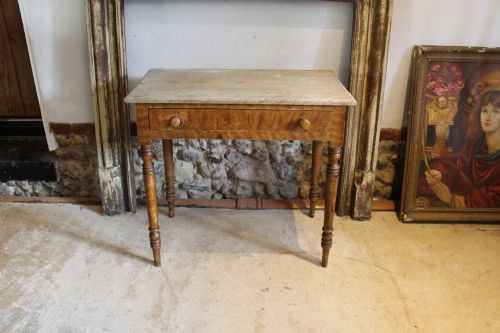
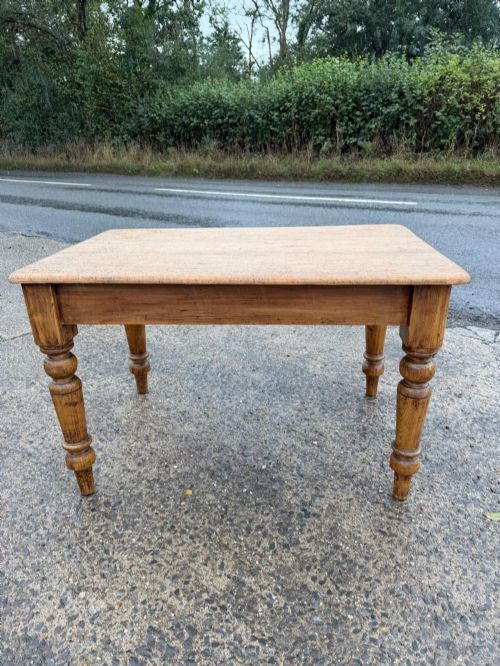
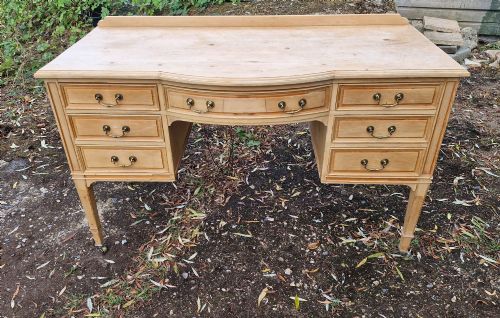
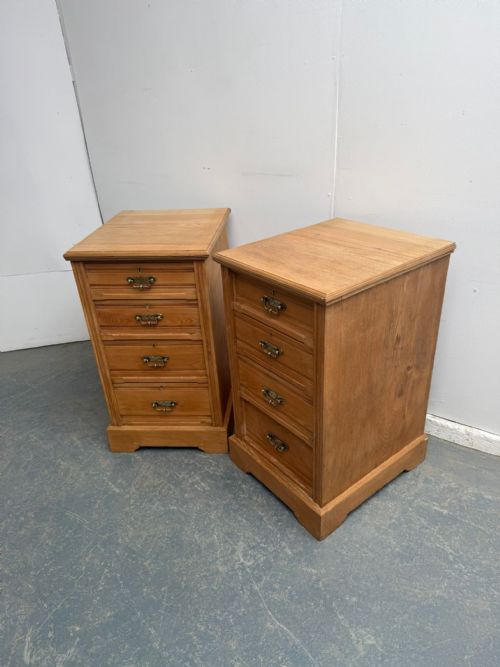
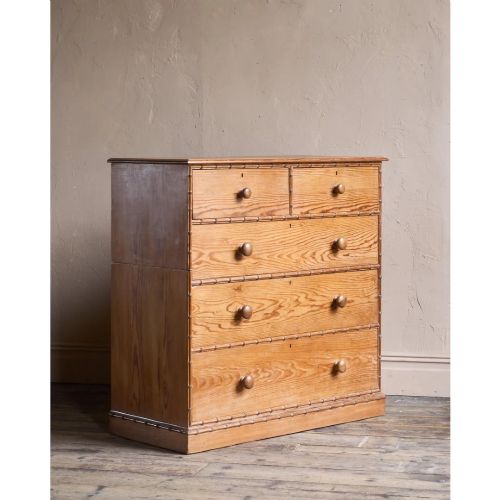
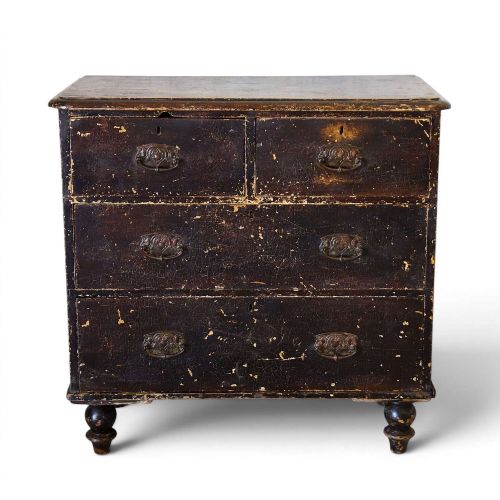
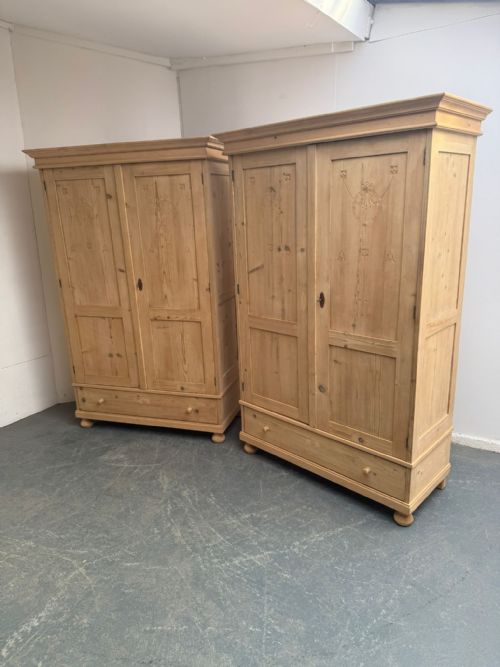
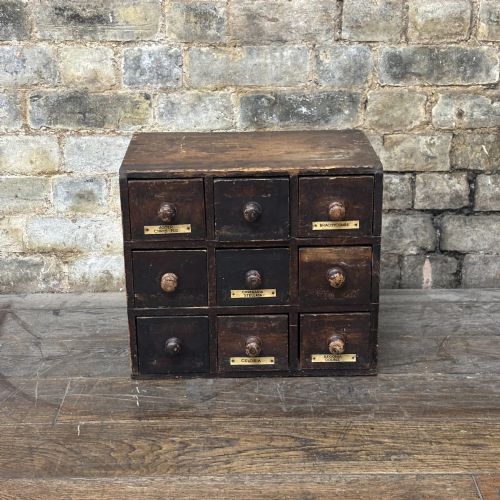
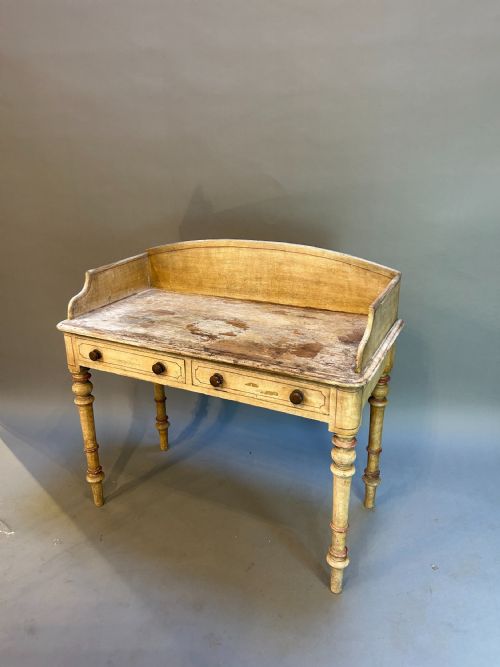
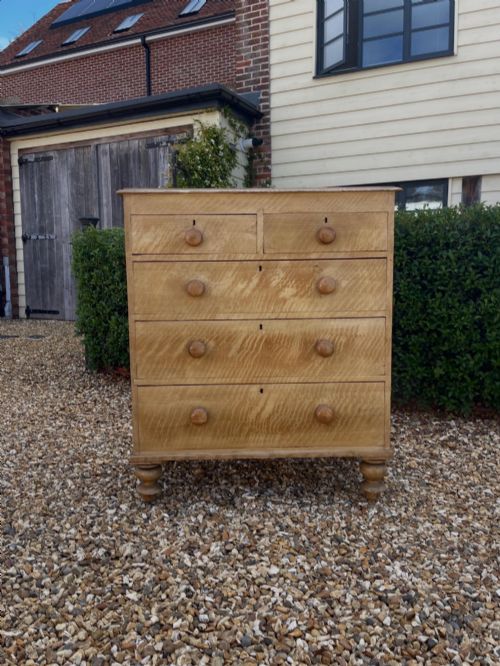
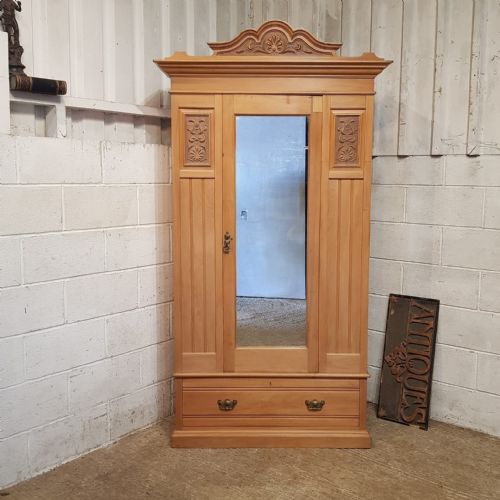
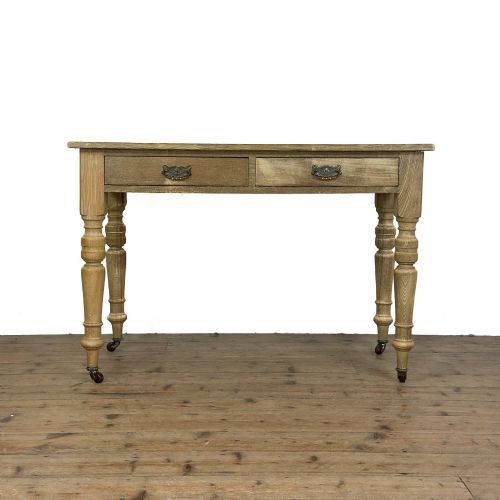

Edwardian Pine Drawers
Edwardian pine drawers bring straightforward utility and warmth to a room, offering practical storage built from timber with honest grain.
Edwardian Pine Drawers
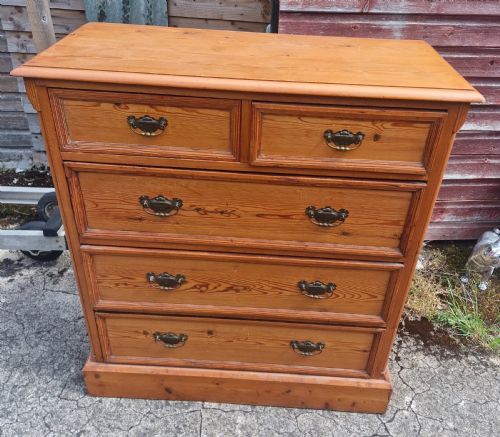
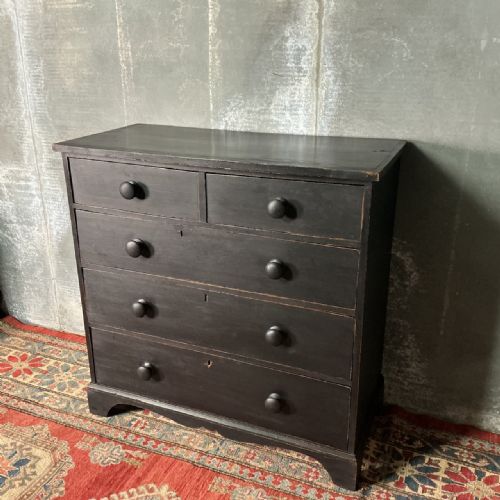
Edwardian pine drawers encompass a range of domestic storage furniture made during the early twentieth century, spanning standard chests to small bedside units and dressers. Buyers seeking edwardian pine drawers frequently encounter pieces with simple proportions, clean lines, and functional layouts such as two-over-two configurations or tall vertical formats.
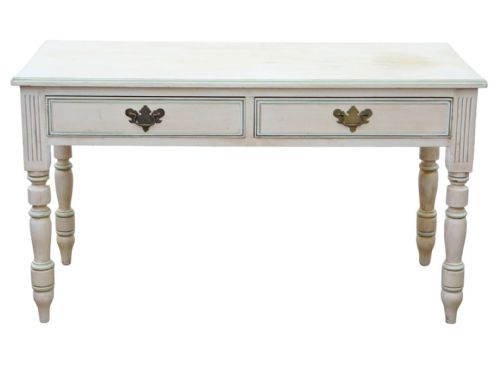
The material palette of these pieces relies heavily on pine and pitch pine, occasionally paired with brass or iron hardware and finished in bare waxed wood or original scumble paint. Beyond standard bedroom chests, the category extends to specialised forms like printers chests, gentleman's wardrobes, and writing tables featuring integrated drawer banks.
Materials and Construction Methods
Construction relies upon solid pine timbers, selected for straightforward domestic use and frequently enhanced with waxed surfaces or protective layers of paint. Workshops utilised traditional joining techniques to assemble drawer boxes and carcases, ensuring stability through simple dovetails and panel construction.
Hardware details incorporate functional metal elements such as brass handles and iron fittings, securing doors and drawers for daily use. Surfaces often retain original finishes, including brown scumble paint or clear wax applied over bare deal and pitch pine.
Listings feature pine, pitch pine, and brass materials across Victorian and Edwardian periods.
Distinctions in Quality and Make
Quality across these pieces rests on the integrity of the timber selection and the precision of the cabinetmaking, distinguishing robust utilitarian items from simpler domestic furniture. Better examples maintain original painted or waxed surfaces intact, showing minimal alteration to the primary carcase and internal drawer structures.
The presence of period-correct hardware, such as original brass handles on office and filing cabinets, elevates a piece above standard utility items. Proportion and scale also differentiate the range, where smaller dressing tables and multi-drawer banks demonstrate finer proportions than standard utilitarian carcases.
Howard and Sons·Maple and Co
The Edwardian Pine Drawers Glossary
- Scumble
- A decorative paint finish applied over a base coat and manipulated with combs or rags to simulate the grain of more expensive hardwoods. This technique appears frequently on nineteenth and early twentieth-century furniture.
- Pitch Pine
- A dense, resinous variety of pine timber known for its prominent grain pattern and durability. It was frequently utilised for heavy-use furniture and campaign pieces.
- Wellington Chest
- A tall, narrow chest of drawers secured by a hinged locking side stile that fastens with a key. This form maximises vertical storage space.
- Deal
- A softwood timber, typically pine or fir, commonly used in British cabinetmaking for secondary framing and simpler domestic carcases. It provides a pale, workable surface.
- Kneehole
- A desk or dressing table featuring a recessed central space beneath the writing surface, flanked by pedestals of drawers. This design allows comfortable seating.
Edwardian Pine Drawers: Frequently Asked Questions
How do I identify an Edwardian pine chest?
Edwardian pine chests typically display lighter timber tones, simpler proportions, and less heavy ornamentation than their Victorian predecessors. They often feature clean drawer arrangements, such as two short drawers over two or three longer ones, built with straightforward joinery.
Surface treatments on these pieces lean towards clear wax finishes or original painted schemes like scumble. Examining the internal drawer construction and the style of the brass or wooden handles helps confirm the early twentieth-century manufacturing period.
Are these drawers suitable for daily bedroom use?
These pieces offer robust domestic storage designed precisely for everyday clothing and household items. Solid pine construction provides durable carcases that handle regular opening and closing without structural strain.
Maintenance involves simple care such as applying occasional wax to preserve the finish and protecting the timber from excessive moisture. Their traditional sizing allows them to integrate easily into modern bedrooms requiring practical storage space.
What is the difference between deal and pine?
Deal is a historical trade term specifically referring to softwood timber cut from fir or pine trees. In British furniture making, deal was frequently utilised for carcase framing, drawer linings, and secondary woods.
While pine describes the botanical source of the timber, deal describes the finished board ready for construction. Both terms appear frequently in descriptions of utilitarian furniture from the nineteenth and early twentieth centuries.
Can I paint or strip these wooden surfaces?
Many pieces survive in bare waxed wood or retain traces of original paint finishes like scumble or decorative coatings. Altering these surfaces depends on whether the finish is original to the period or a later addition.
Preserving original paint finishes maintains the historical character and aesthetic value of the piece. Buyers preferring a uniform look often select pieces specified as suitable for waxing or painting to customise the final appearance.