
Victorian Faux Bamboo
Victorian faux bamboo furniture captures the 19th-century fascination with Eastern aesthetics through clever craftsmanship, offering both charm and utility.
Victorian Faux Bamboo
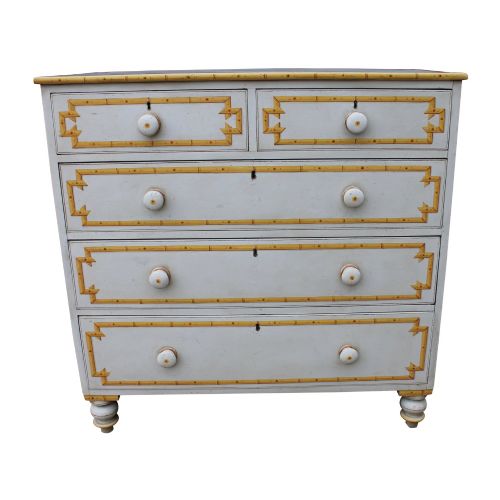
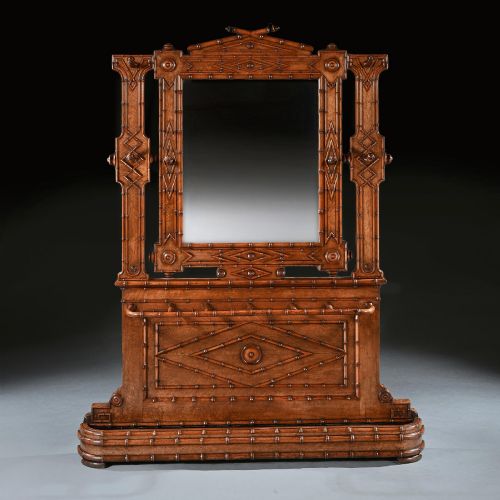
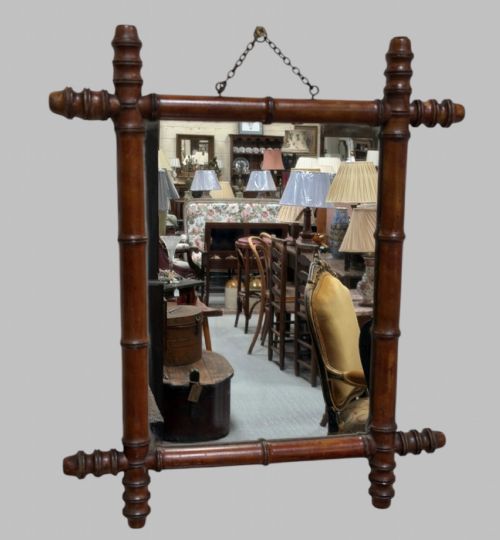
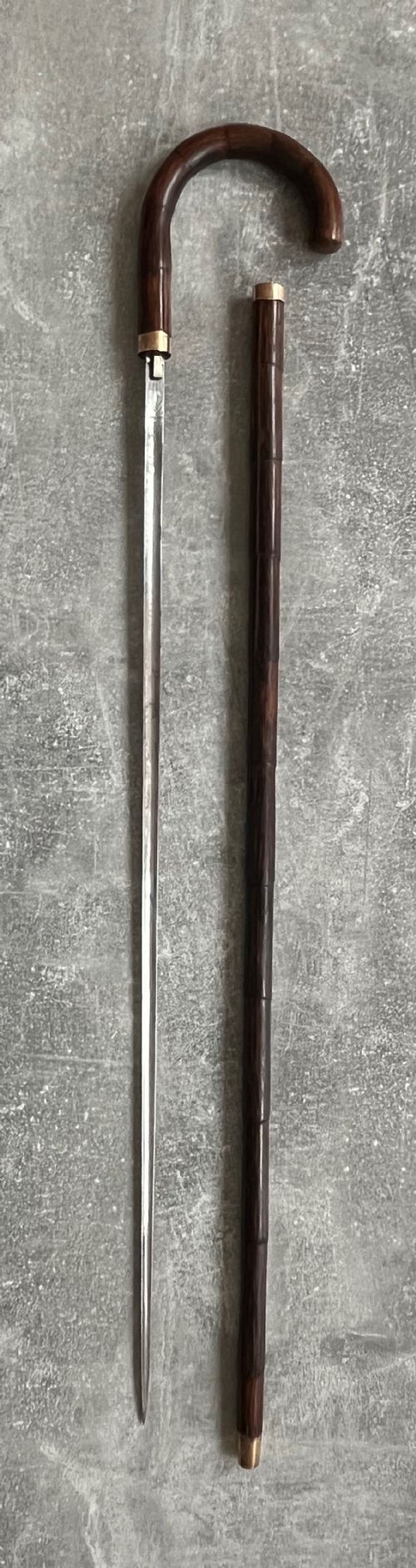
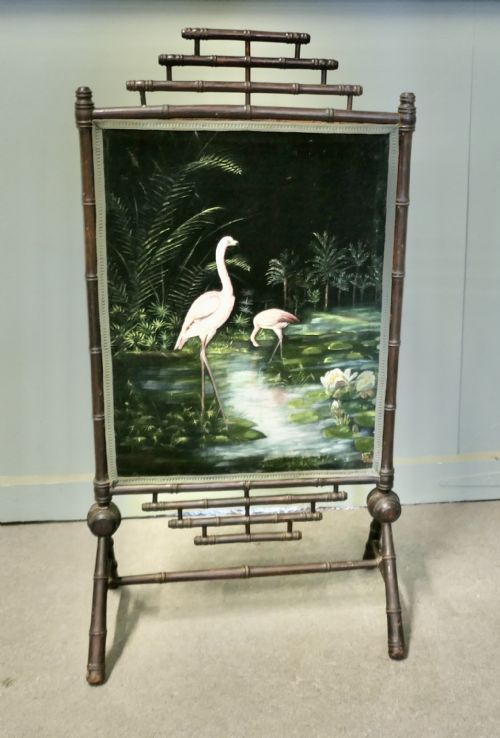
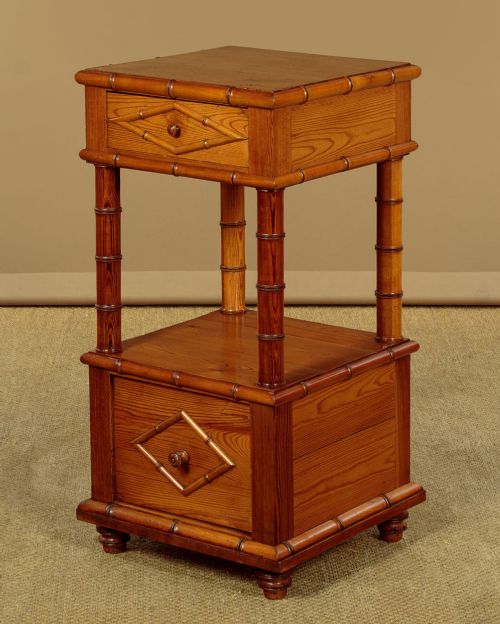
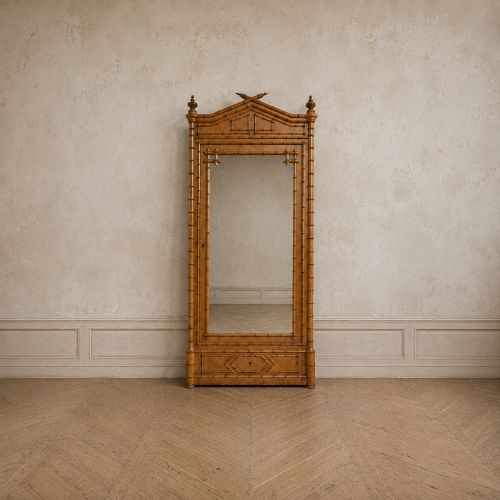
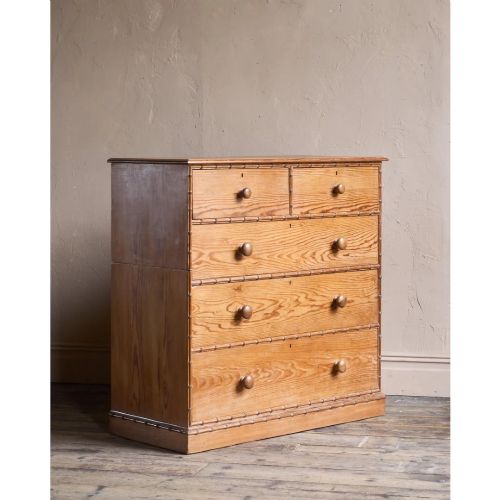
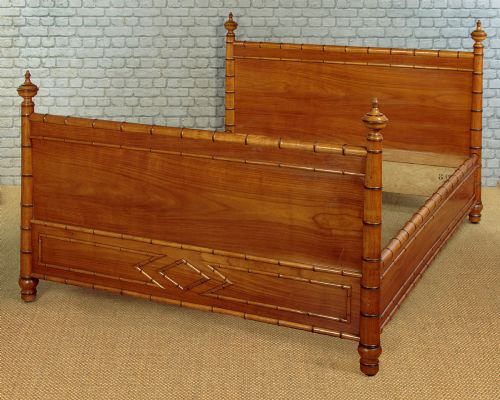
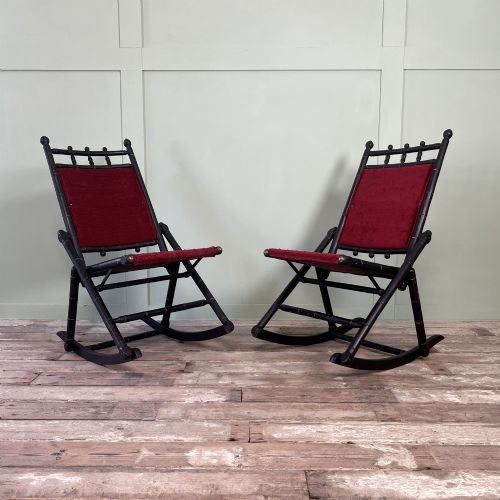
Victorian faux bamboo items encompass a diverse range of furnishings, from bedroom cabinets and chests of drawers to hall stands, mirrors, and rocking chairs. These pieces draw heavily on Aesthetic Movement and Chinoiserie styles, reflecting a widespread nineteenth-century taste for exotic design motifs executed in domestic European workshops.
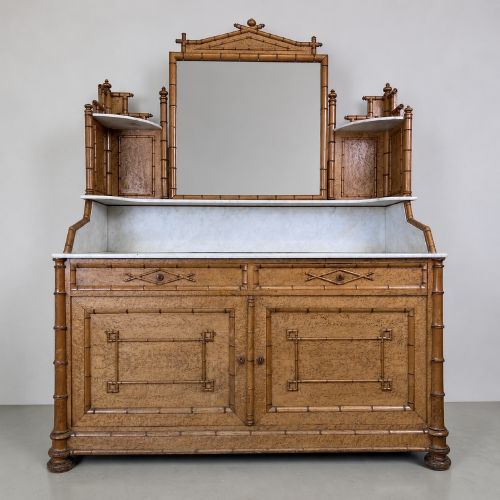
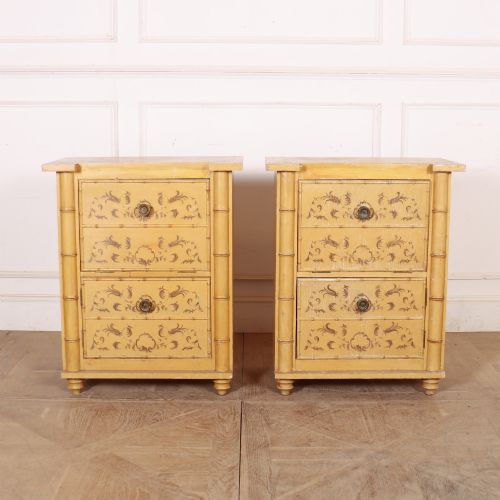
On this page, buyers frequently encounter bedroom furniture such as bedside cabinets, dressing tables, and washstands, alongside occasional seating and hall stands. Many surviving examples originate from French workshops or British makers, utilising turned wood to mimic natural cane.
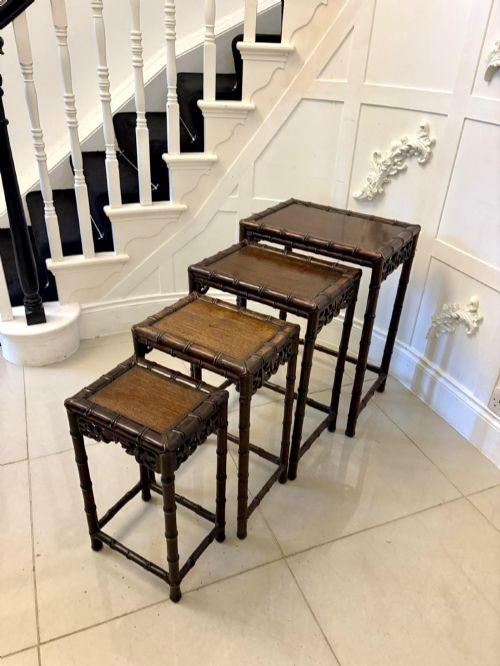
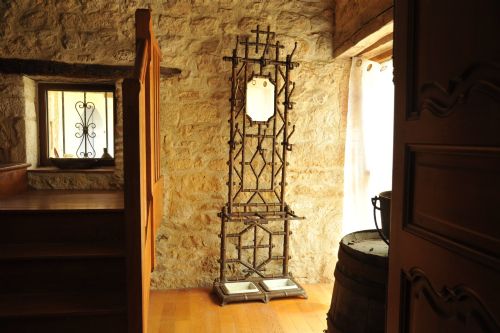
The form stretches from practical household necessities like towel rails and umbrella stands to decorative mirrors and small tables. Each item demonstrates how dense woods or cast iron were laboriously shaped to replicate the segmented joints of oriental grasses.
How they were made
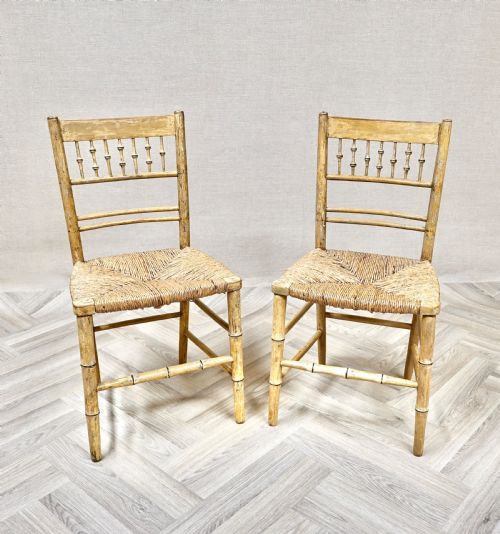
Craftsmen shaped solid timbers such as beech, pine, and birch on lathes to carve the characteristic nodes and rings that define faux bamboo. Carpenters then joined these turned elements using traditional mortise and tenon construction to build sturdy frameworks for chairs, washstands, and bed frames.
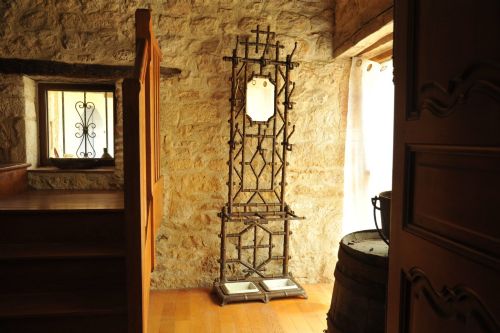
Surfaces were frequently painted, ebonised, or lacquered to complete the illusion, sometimes complemented by bird's-eye maple veneers or marble tops. Cast iron also appears in hall stands, cast directly in moulds to reproduce the segmented plant stalks with industrial precision.
Look closely and you might spot a faux bamboo parrot perch resting quietly among the tables and chairs.
What varies in quality
The division between ordinary and exceptional pieces lies in the fidelity of the turning and the depth of the finish. Superior items exhibit crisply carved nodes that closely follow natural irregularities, whereas lesser examples rely on flat, repetitive machine-cut mouldings.
Original surface treatments dictate much of the desirability, with untouched paintwork, ebonising, or gilding holding far greater appeal than later overpainting. Furthermore, the integration of secondary materials such as marble slabs, brass hardware, or marquetry panels signals higher workshop origins.
Howard and Sons·Jennens and Bettridge·John Taylor Edinburgh
The Victorian Faux Bamboo Glossary
- Aesthetic Movement
- A late nineteenth-century design ethos prioritising visual beauty over narrative subject matter. It drew heavy inspiration from Japanese art and natural forms.
- Chinoiserie
- European artistic interpretation of Chinese and East Asian motifs. This style heavily influenced decorative paint finishes and lacquered surfaces.
- Ebonised
- Wood treated with stain or pigment to imitate heavy, dense ebony. This finish was exceptionally popular for creating striking contrasts in Victorian interiors.
- Bird's-eye maple
- Timber figured with small circular eyes caused by local disruptions in wood growth. It was frequently used for cabinet doors and drawer fronts.
- Toleware
- Painted or enamelled metalware produced in the eighteenth and nineteenth centuries. These items often feature floral or oriental scenes on serving trays and tables.
Victorian Faux Bamboo: Frequently Asked Questions
How do I clean faux bamboo furniture?
Dust surfaces regularly with a soft, dry cloth to prevent dirt accumulation in the carved wooden nodes.
Avoid liquid cleaners or harsh polishes that can degrade nineteenth-century painted or ebonised finishes over time.
Are these pieces made of real bamboo?
Most items are carved from European hardwoods such as beech, pine, or birch rather than actual cane. Artisans turned these domestic timbers on lathes to faithfully replicate the segmented structure of bamboo.
Cast iron was also utilised for heavy-duty items like umbrella stands.
Where were these items manufactured?
Production occurred across Britain and France, with many sophisticated case pieces originating in Parisian workshops. British regional cabinet makers also produced extensive lines for domestic Victorian homes.
Stylistic influences often bridge French Provincial design with Aesthetic Movement ideals.
How do I date a Victorian faux bamboo piece?
Examine the construction methods, secondary timbers, and surface patination for clues to the nineteenth-century origin. Pieces frequently date from the height of the Aesthetic Movement between 1870 and 1900.
Hardware, mirror glass bevels, and marble thicknesses also offer reliable dating indicators.