
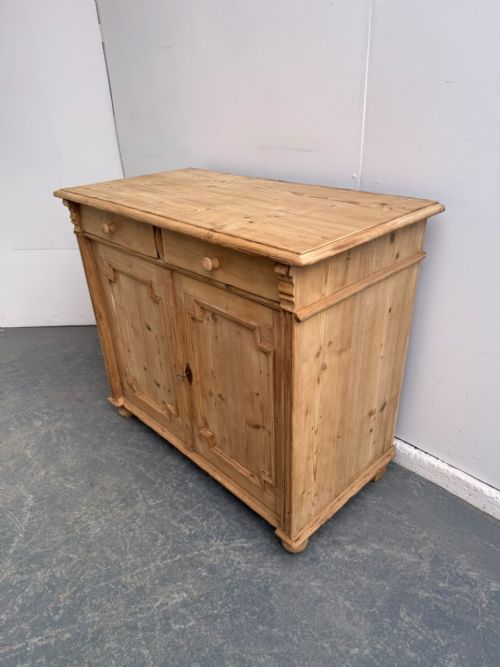
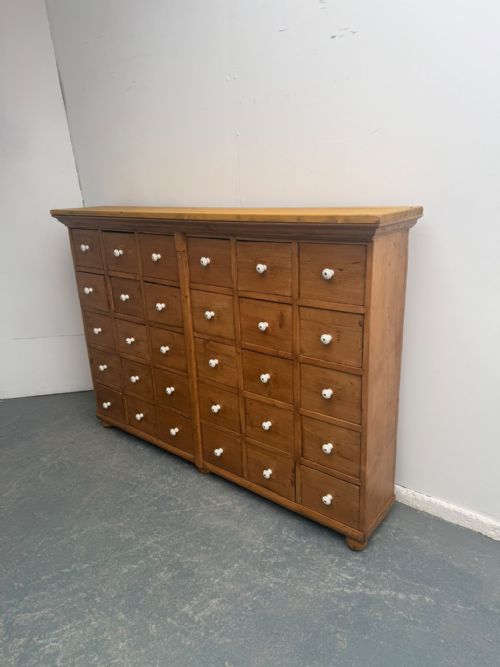
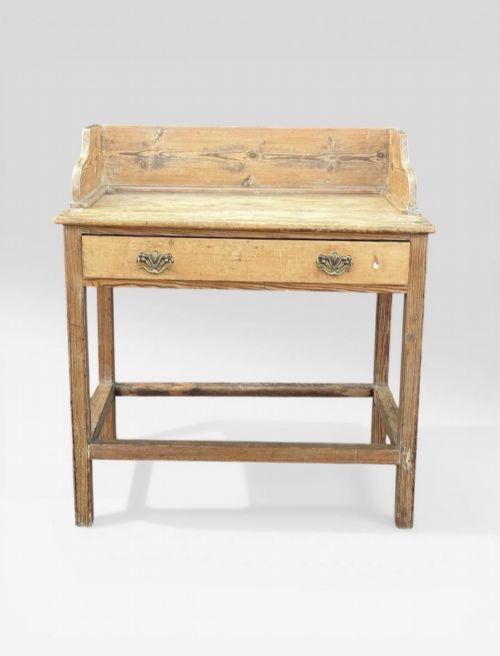
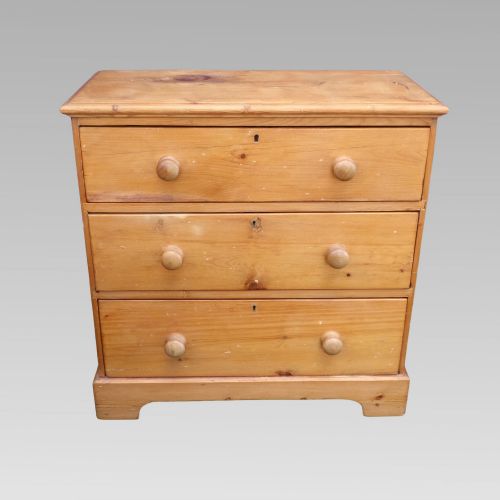
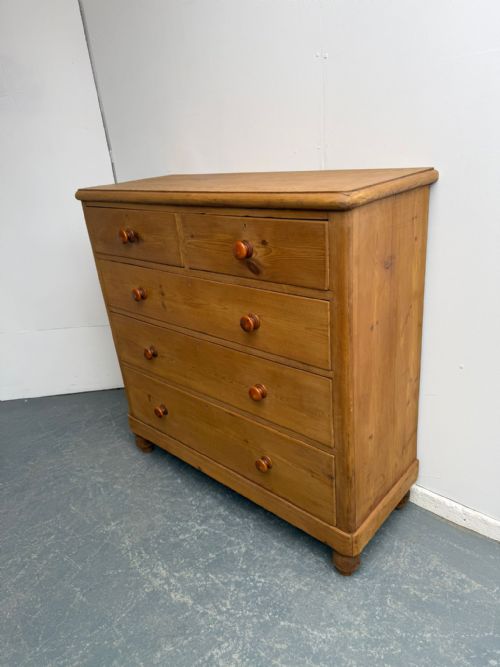
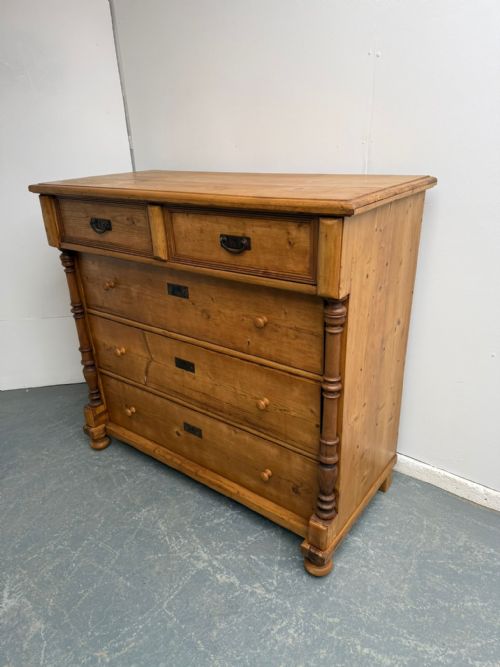

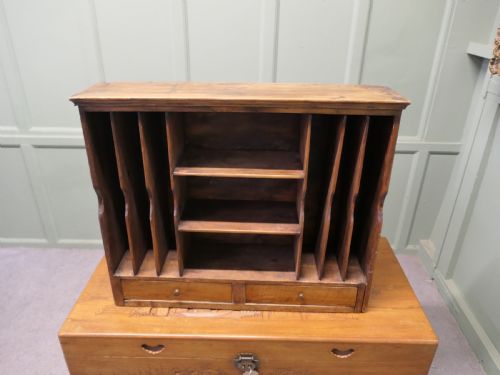


Rustic Pine Drawer Unit
These rustic pine drawer unit pieces are sturdy everyday storage built from solid timber, offering honest utility and traditional character for the home.
Rustic Pine Drawer Unit
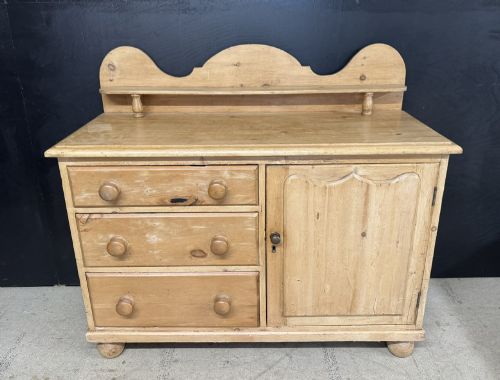
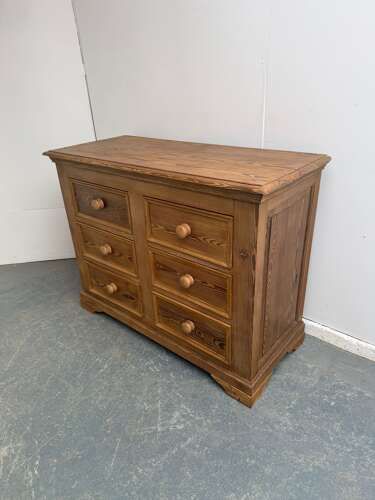
A rustic pine drawer unit serves as practical storage, encompassing everything from compact chests to multi-drawer banks and washstands. These pieces originate from various eras including the Georgian, Victorian, and Edwardian periods, reflecting domestic and commercial uses.
Buyers most frequently encounter traditional chests of drawers and larger storage banks on this page, often finished with waxed or painted surfaces. Their forms range from English country furniture to continental examples.
The objects combine straightforward utility with vernacular style, making them versatile additions to modern interiors. Each piece demonstrates the practical carpentry of its respective period.
Materials and construction
Makers utilised solid pine timber for the primary structure, often combining it with brass, metal, or iron for handles, pulls, and structural fixings. Wood construction varies from simple pegged joints to more refined cabinetry depending on the original function.
Surfaces were finished with wax, paint, or scumble glazes to protect the timber and provide either a natural grain appearance or a decorative colour. Ceramic components occasionally appear as handle inserts or decorative details.
Assessing quality
Quality in a rustic pine drawer unit depends on the integrity of the timber construction and the retention of original surface finishes, such as early paint or traditional wax. Substantial, well-proportioned forms with working drawers command attention.
The sophistication of the hardware and the retention of original maker marks or regional characteristics distinguish finer examples from standard utility pieces. Proportion and overall structural stability remain central to the evaluation of any piece.
Luxmore's of Ilfracombe
The Rustic Pine Drawer Unit Glossary
- Scumble
- A decorative painting technique involving a translucent glaze dragged over a base coat to imitate finer woods or create textured patterns. This finish appears frequently on period utility furniture.
- Washstand
- A piece of bedroom furniture designed to hold a basin and jug for washing, often incorporating drawers or lower shelves. These items date primarily to the nineteenth century.
- Dresser base
- The lower section of a kitchen or dining room storage unit, typically featuring cupboards and drawers beneath a flat top. They served as primary food preparation and storage surfaces.
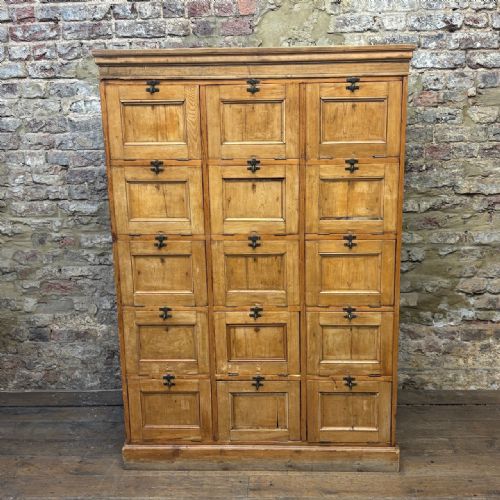
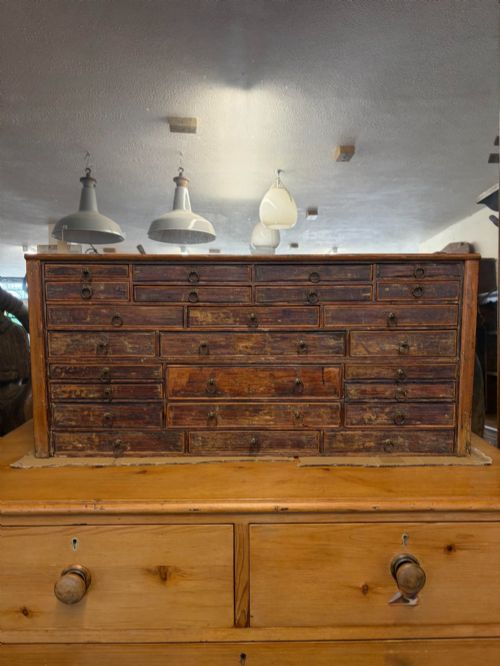
- Bank of drawers
- A large multi-drawer unit originally built for commercial, institutional, or shop-fitting use to organise small items or documents. Examples can feature dozens of individual drawers.
- Pine
- A soft timber derived from coniferous trees that forms the primary material for vernacular British and continental furniture. It accepts wax and paint finishes readily.
Rustic Pine Drawer Unit: Frequently Asked Questions
How do I date an old pine chest?
Dating relies on examining construction methods, timber preparation, and hardware styles. Dovetail joints and fastener types often provide chronological clues.
Period characteristics such as Georgian proportions or Victorian carcase construction help narrow the decade of manufacture.
Are painted pine units original?
Many utility pieces received coats of paint or scumble glazes during their working lives. Original paint layers show appropriate wear and underlying oxidation.
Later repainting is common on vernacular furniture that served in kitchens and sculleries.
What is a bank of drawers?
A bank of drawers is a large storage unit containing many individual compartments. These were built for shops, offices, and workshops to sort inventory.
They offer exceptional storage capacity and distinct industrial character.
How should I care for waxed pine?
Waxed pine benefits from occasional applications of beeswax to nourish the timber and maintain its lustre. Avoid placing pieces in direct sunlight or near heat sources.
Regular dusting with a soft cloth preserves the tactile surface finish.