





Continental Pine Furniture
Continental pine furniture brings sturdy European country character into the home through practical storage pieces and seating.
Continental Pine Furniture
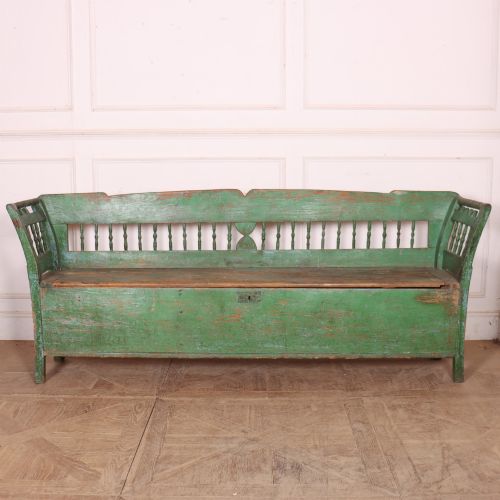
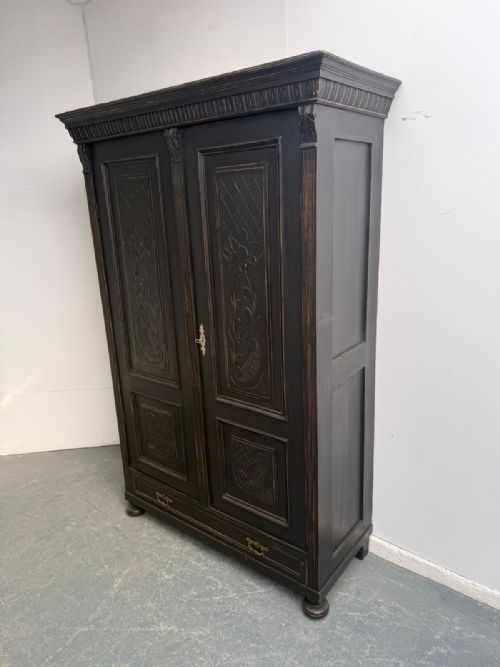
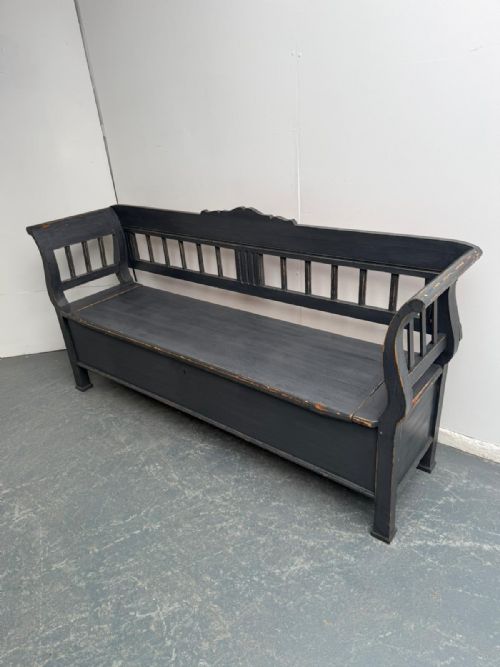
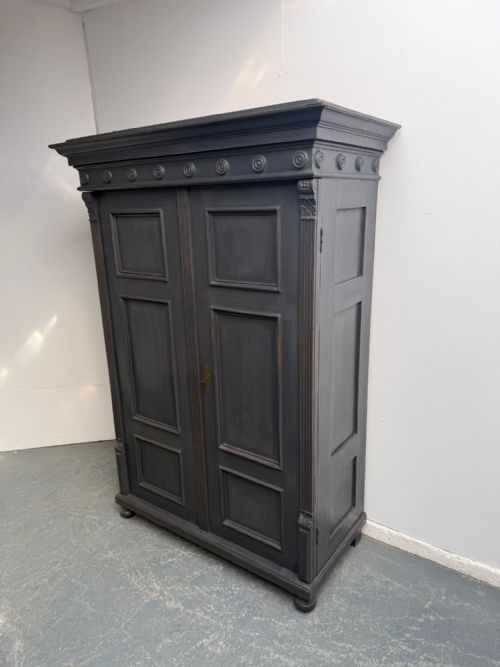
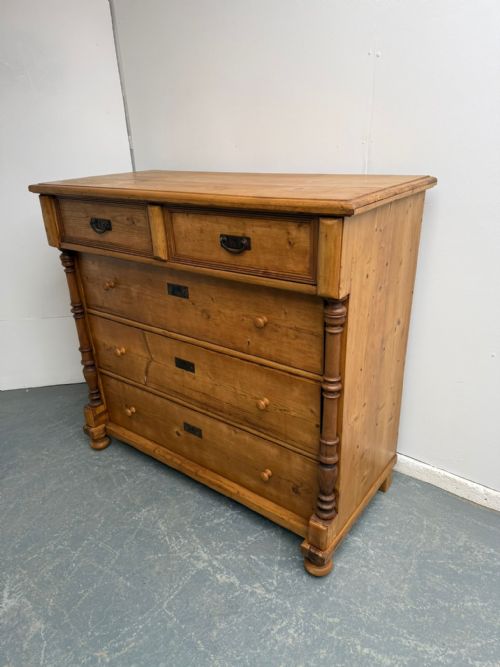
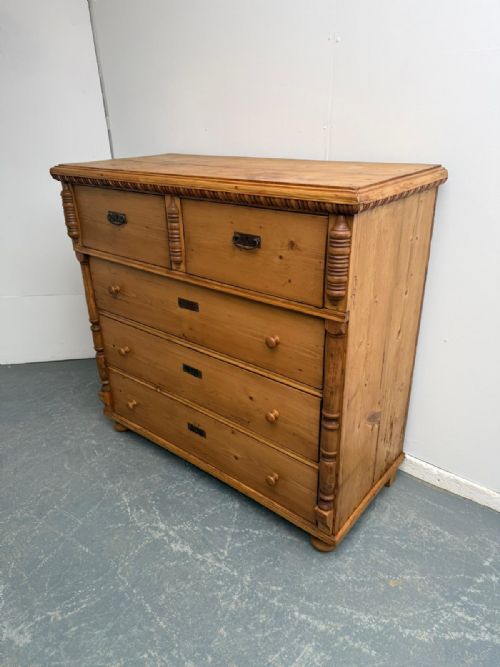
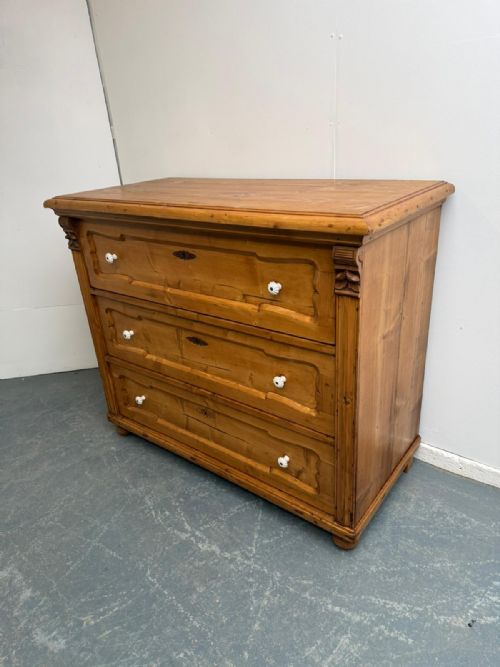
Continental pine furniture encompasses utilitarian and decorative wooden items made across Europe, featuring practical forms such as chests of drawers, wardrobes, and benches. These pieces often serve households needing robust storage and everyday seating.
Buyers most frequently encounter 19th Century and Victorian items on this page, alongside earlier examples from the 18th Century. Regional traditions shape these works, resulting in distinct styles ranging from Austrian and Hungarian country pieces to Scandinavian and Swiss mountain designs.
How they were made
Makers constructed these functional pieces primarily from solid pine, occasionally incorporating fruitwood, oak, iron, brass, and ceramic elements for structural strength or detail. Surfaces received protective wax finishes or layers of paint in colours such as cream, teal, grey, and black.
Joinery methods relied on traditional woodworking techniques suitable for heavy rural use, incorporating columns, panel doors, and fitted drawers. Folk art painting traditions frequently added decorative painted scenes and borders to the exterior surfaces.
Swiss mountain chairs from 1850 prove that even historical seating arrangements occasionally required a companion.
What varies in quality
The standard of continental pine furniture depends on the integrity of the original construction and the survival of early painted or waxed surfaces. Pieces that retain their original hardware, such as brass or iron pulls, hold greater architectural honesty.
Proportion and regional detailing distinguish finer examples from standard utility pieces, particularly in items featuring carved columns, folk art decoration, or matched seating pairs. The balance between practical utility and decorative regional style dictates the distinction across the range.
The Continental Pine Furniture Glossary
- Commode
- A low chest of drawers or cabinet designed for domestic storage. These pieces typically feature multiple drawers and sit on short legs or a moulded base.
- Settle
- A wooden wooden bench with high backrests, solid arms, and often a storage compartment beneath the seat. They shielded occupants from draughts in European farmhouses.
- Jogltisch
- A traditional style of regional table originating in Alpine areas. These tables utilise specific regional joinery and timber construction.
- Armoire
- A tall wardrobe or cupboard used primarily for hanging or folding garments. These large storage pieces often feature two panelled doors.
- Folk Art
- Decorative painting and carving traditions created by rural craftspeople. This style reflects local cultural motifs rather than formal academic training.
Continental Pine Furniture: Frequently Asked Questions
How were these pieces used?
Rural households utilised these items for storing clothing, linens, and provisions, as well as providing communal seating around dining areas and hearths.
Wardrobes and chests held textiles, while benches and settles offered seating while blocking draughts in farmhouse interiors.
How do I live with pine furniture?
These robust pieces adapt easily to modern rooms, adding texture and practical storage capacity to hallways, bedrooms, and kitchens.
Maintaining stable room humidity protects the timber and preserves original painted or waxed surfaces over years of daily use.
How can I tell periods apart?
Earlier 18th Century pieces often display heavier construction and simpler panel configurations, alongside traditional regional forms from countries like Spain and Germany.
Later Victorian and 19th Century examples frequently incorporate decorative painted finishes, columns, and standardised hardware typical of Austrian and Hungarian workshops.