







Hungarian Pine Chest
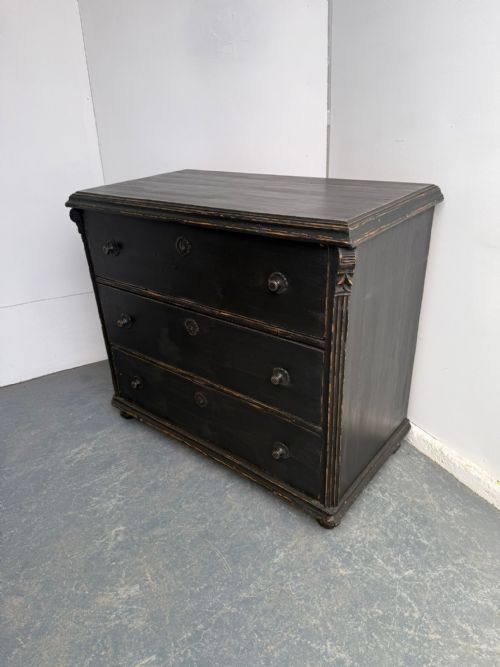
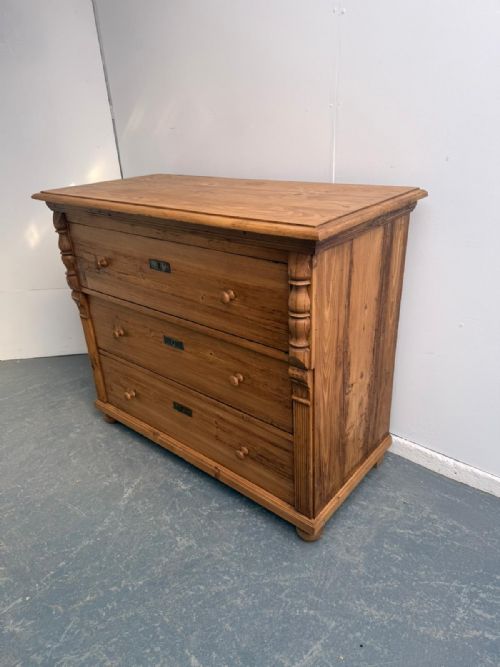
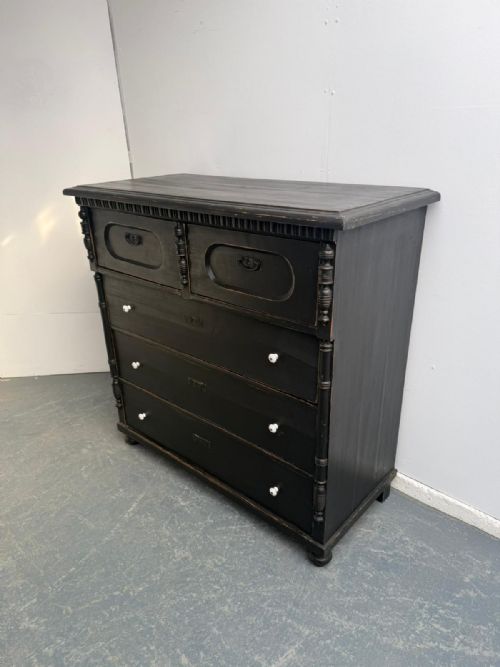
A Hungarian pine chest brings robust European folk art character into a room through honest timber and traditional paint.
Hungarian Pine Chest
A Hungarian pine chest encompasses various storage forms including drawer chests, blanket boxes, coffers and shop fittings dating from the Georgian, Regency and Victorian periods up to nineteen ten. These pieces display distinct regional styles such as European folk art and rustic country aesthetics, originating directly from Hungary.
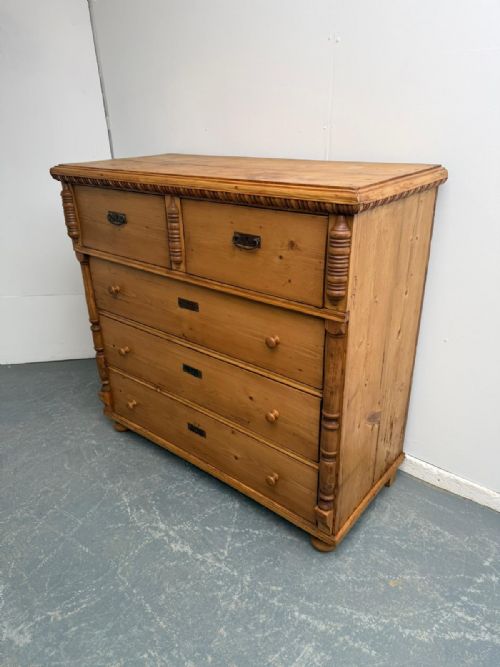
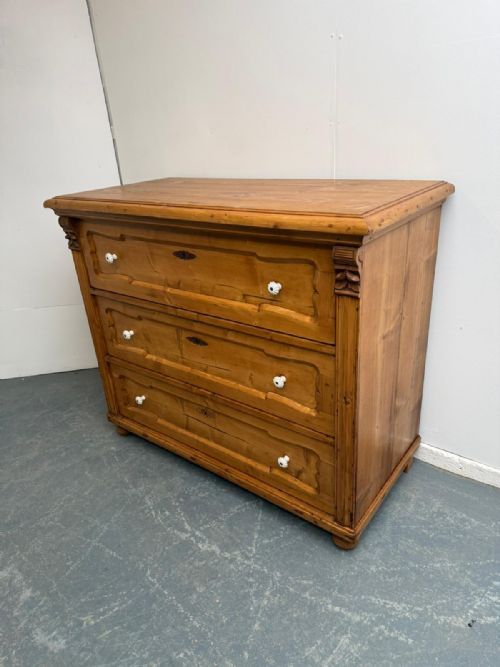
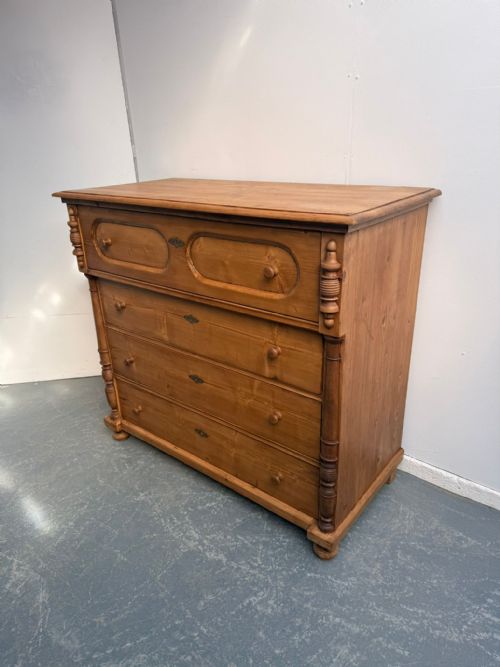
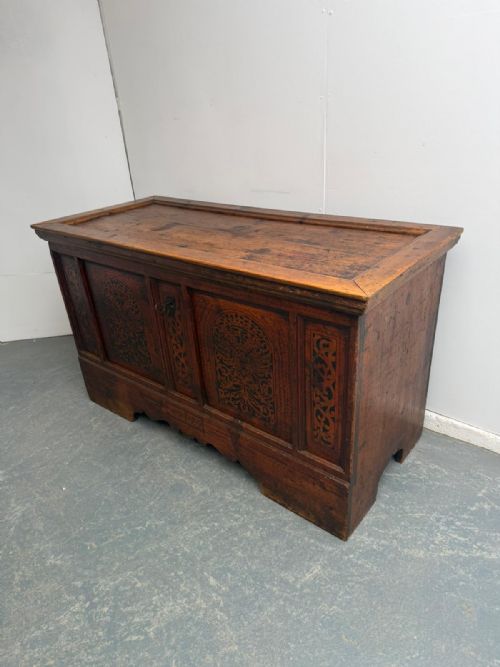
Buyers most frequently encounter large waxed or painted drawer chests featuring three to five drawers alongside simpler lidded coffers and small boxes. The selection also includes functional shop fittings with numerous small drawers and painted box settles.
The construction serves everyday domestic and commercial utility, moving from simple storage trunks to multi-drawer apothecary or shop units. Their robust proportions and regional decorative treatments set them apart from standard domestic British furniture of similar ages.
Materials and Construction
Makers utilised solid pine as the primary timber, complemented by iron, brass and metal for handles, hinges and structural reinforcement. Ceramic elements occasionally appear on specific fittings, while paint and wax provide surface finishes.
Many examples retain their original painted surfaces, often rendered in black, blue, white, green, teal or cream, sometimes decorated with floral motifs. Alternatively, waxed finishes highlight the natural grain and age of the pine timber.
Hungarian Pine Chest Retail Price Guide 2026
Typical asking prices for hungarian pine chest among the pieces listed under this phrase on Sellingantiques today, from the lower quarter to the upper quarter. They describe what is for sale here now, not the wider market.
Some shop fittings on display squeeze fifty distinct drawers into a single rustic pine frame.
Factors of Quality
The integrity of the original surface finish largely determines desirability, with intact early paintwork or rich patinated wax holding greater visual weight. Pieces retaining their original hardware and structural stability without excessive timber replacement command higher regard.
Scale and proportion also influence quality, ranging from small decorative boxes to massive multi-drawer shop fittings and columned chests. Finer examples combine robust utilitarian construction with balanced regional decorative details.
The Hungarian Pine Chest Glossary
- Coffer box
- A heavy storage chest with a hinged lid, traditionally utilised for linen or valuables before the widespread use of drawer chests.
- Mule chest
- A traditional storage chest featuring one or more drawers beneath the main lidded compartment, bridging the design between a coffer and a chest of drawers.
- Shop fitting
- Large functional cabinetry featuring numerous small drawers, originally built for commercial use in stores and apothecaries.
- Box settle
- A wooden bench seat with a high back and a concealed storage compartment beneath the hinged seat.
- Folk art
- Utilitarian items decorated by self-taught makers using traditional regional motifs and locally available pigments.
Hungarian Pine Chest: Frequently Asked Questions
What is a Hungarian pine chest?
A Hungarian pine chest is a solid timber storage piece originating from Hungary, spanning periods from the Georgian era to the early twentieth century. These pieces include drawer chests, lidded coffers and multi-drawer shop fittings.
They reflect European folk art traditions, utilising native pine either finished with a protective wax or painted in striking colours such as blue, green and black.
How were these chests used?
These pieces served practical storage needs in homes and commercial premises across Hungary. Lidded boxes and coffers held textiles, blankets and personal valuables.
Larger drawer chests and shop fittings organised clothing, dry goods or apothecary items in daily domestic and retail environments.
How do I clean a waxed pine chest?
Maintain a waxed pine surface by dusting regularly with a soft, dry cloth to prevent grime accumulation. Avoid modern silicone polishes which damage traditional finishes.
Apply a quality beeswax sparingly when the timber appears dry, buffing gently to restore the soft sheen characteristic of antique pine.
How do I care for painted Hungarian pine?
Protect original painted surfaces by keeping the chest away from direct sunlight and excessive humidity, which cause paint to flake or timber to warp. Clean gently using a barely damp cloth without harsh chemical detergents.
Preserving the original painted skin maintains the historical character and aesthetic value of folk art pieces.