


19th Century Pine Commode
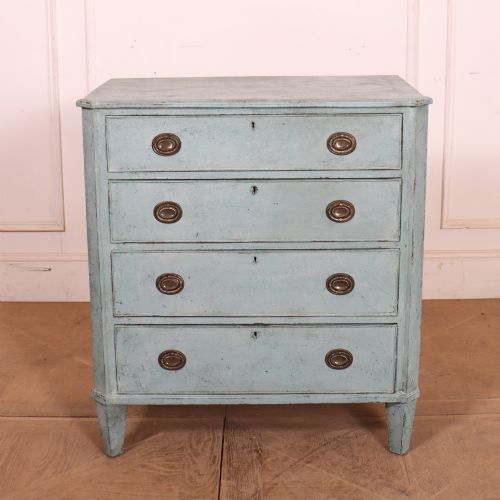
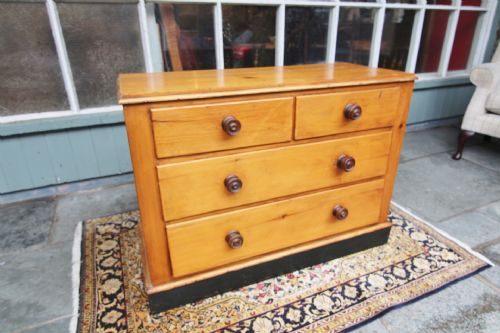
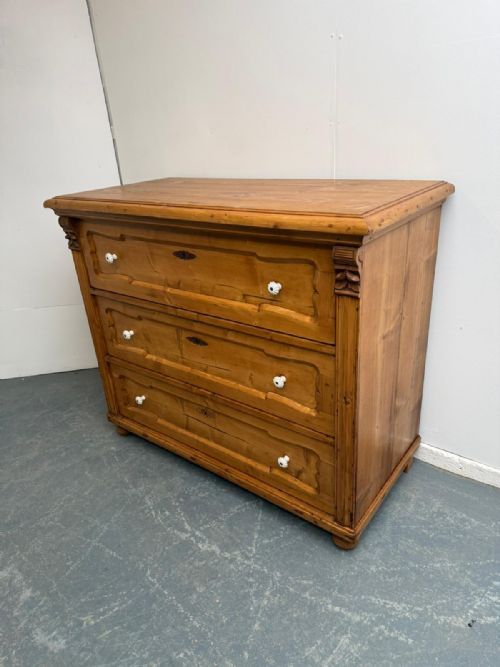
A 19th century pine commode brings functional timber storage into a room with the straightforward utility of country craftsmanship.
19th Century Pine Commode
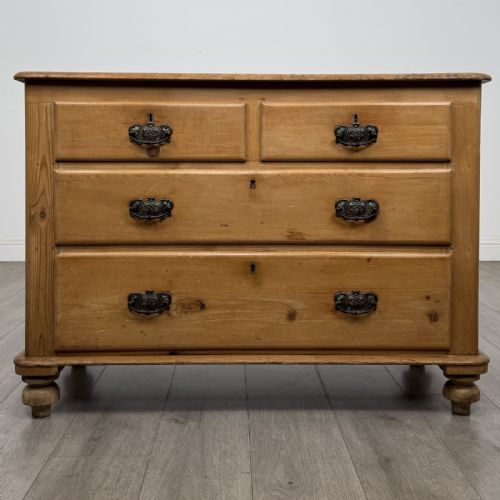
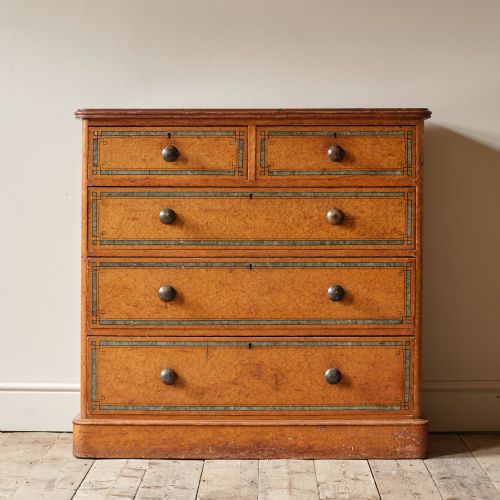
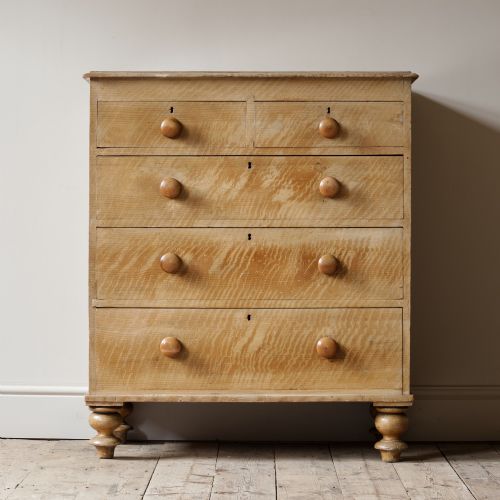
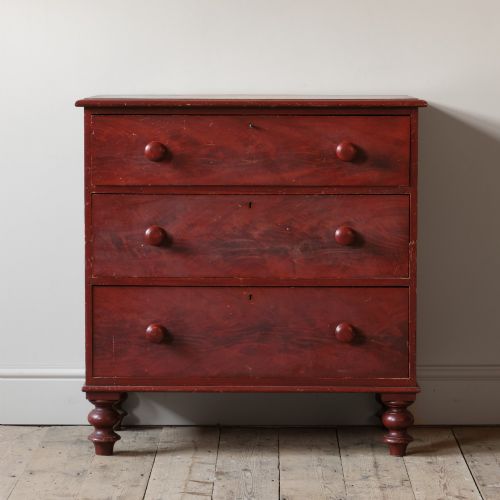
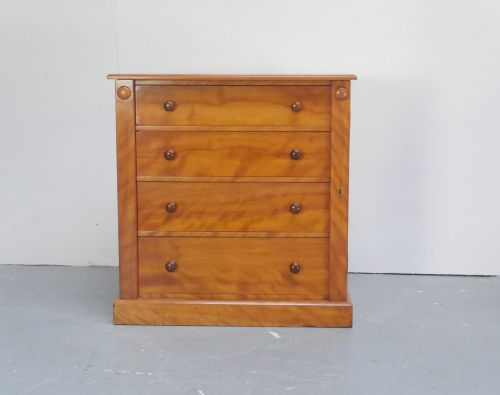
A 19th century pine commode typically takes the form of a chest of drawers, standing upright with multiple drawer tiers designed for household storage. These pieces frequently emerge from various regional traditions, spanning English, Scottish, Irish, and Continental workshops.
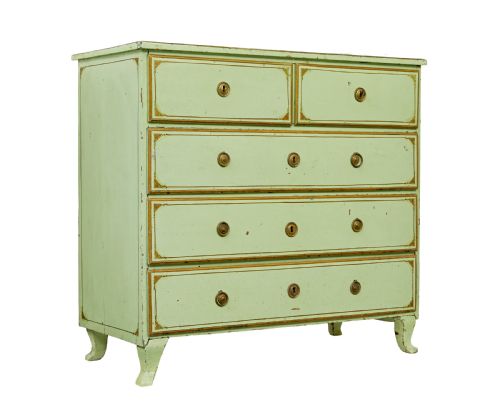
Beyond standard drawer chests, the category encompasses related storage forms such as cupboards, washstands, and specific Continental commodes. Swedish, French, and Hungarian variants often appear alongside domestic British pieces, displaying distinct regional proportions and decorative schemes.
Materials and construction
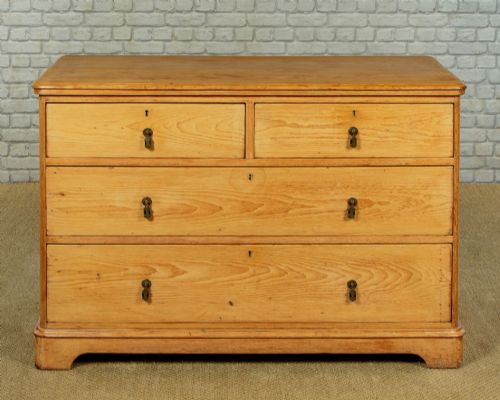
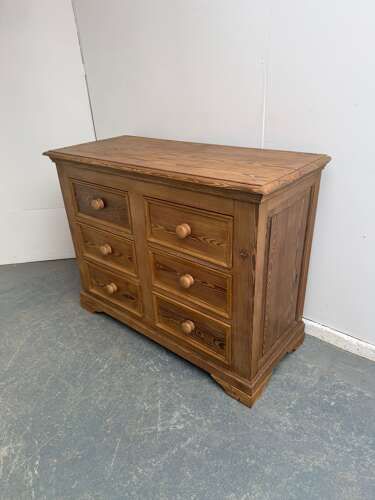
Pine serves as the primary timber across these pieces, selected for its workability and abundance during the period. Makers utilised solid boards for carcass construction and drawer fronts, frequently joining them with traditional dovetail methods.
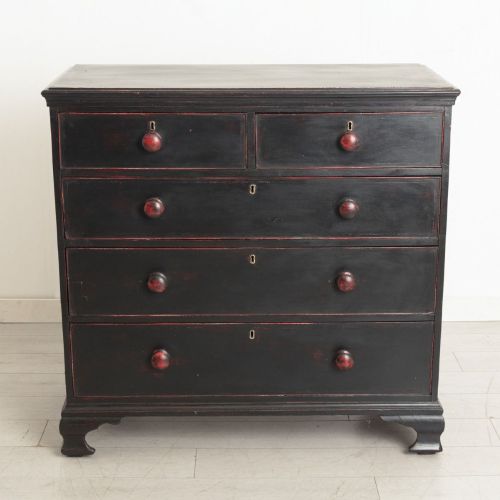
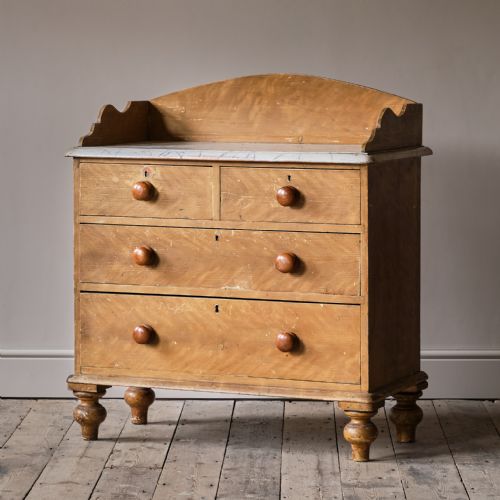
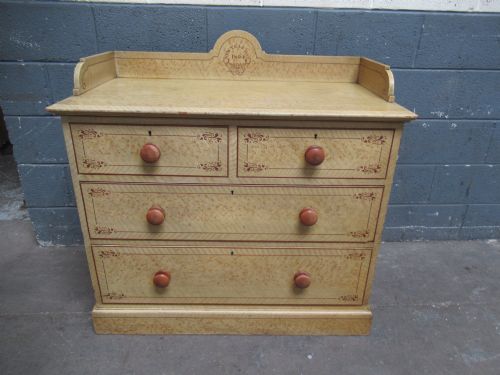
Surface treatments vary between natural waxed finishes that highlight the grain and applied layers of paint. Many examples retain original or scraped paintwork, scumble glazes, or simulated wood effects executed in metal, brass, and iron hardware details.
19th Century Pine Commode Retail Price Guide 2026
Typical asking prices for 19th century pine commode among the pieces listed under this phrase on Sellingantiques today, from the lower quarter to the upper quarter. They describe what is for sale here now, not the wider market.
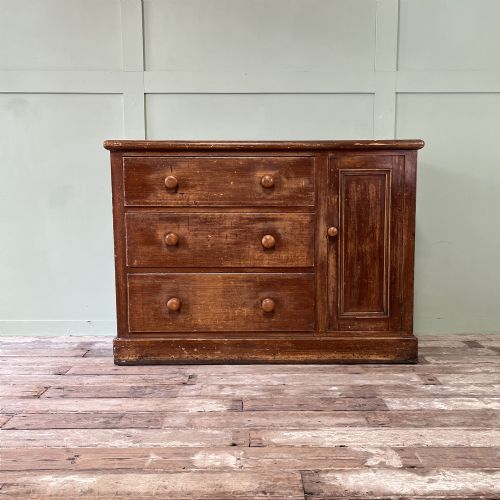
Some chests arrive wearing their history quite literally, featuring decades of accumulated kitchen paint that stubbornly refuses to leave.
Assessing construction and surface integrity
Quality rests significantly upon the survival and authenticity of the surface finish, distinguishing pieces retaining original paint or early wax from those stripped down later. The crispness of drawer construction and the stability of the pine timber frame dictate structural integrity.
Proportion and regional detailing separate standard utility items from more refined examples, such as those featuring faux bamboo turnings, columned supports, or distinct folk art painted decoration.
The 19th Century Pine Commode Glossary
- Commode
- A low cabinet or chest of drawers designed for bedroom or parlour storage. The term covers various timber drawer chests and cupboards from the period.
- Scumble
- A translucent layer of dark glaze applied over a lighter painted base to imitate the grain pattern of more expensive hardwoods. It creates a decorative mottled effect common on period pine.
- Faux bamboo
- A decorative technique where solid wood is carved or turned to resemble natural bamboo stalks. It reflects popular Asian design influences during the period.
- Waxed pine
- Timber treated with natural wax to nourish the grain and produce a soft sheen. This finish protects the wood while preserving its light colour.
- Original paint
- Pigment applied during the period of manufacture that remains largely undisturbed by modern stripping or repainting. It offers historical evidence of the piece's aesthetic evolution.
19th Century Pine Commode: Frequently Asked Questions
How do I clean a painted pine commode?
Dust the surface regularly with a soft, dry cloth to prevent dirt accumulation.
Avoid harsh chemical cleaning agents that might lift or dissolve historic painted finishes.
Are these chests suitable for modern bedroom use?
The drawers provide practical storage capacity for clothing and household linens.
Their domestic scale allows them to fit comfortably alongside contemporary furniture.
What is the difference between waxed and painted pine?
Waxed pine displays the natural grain and pale tone of the timber underneath.
Painted variants conceal the wood beneath historical pigments, scumble glazes, or folk art decoration.
How do I identify a Swedish commode from an English one?
Swedish pieces frequently exhibit paler painted finishes, distinctive proportions, and Continental folk art detailing.
English equivalents tend to rely on waxed surfaces or simulated wood grain effects.