


Rustic Oak Blanket Box
A rustic oak blanket box is a sturdy timber chest built to store linens and household goods, prized for its honest craft and rich grain.
Identifying a rustic oak blanket box
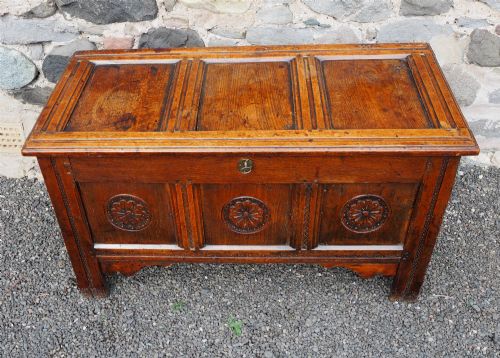
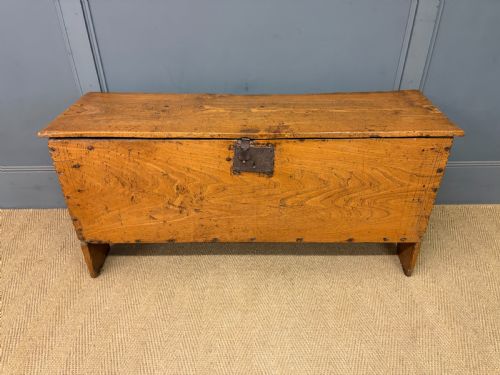
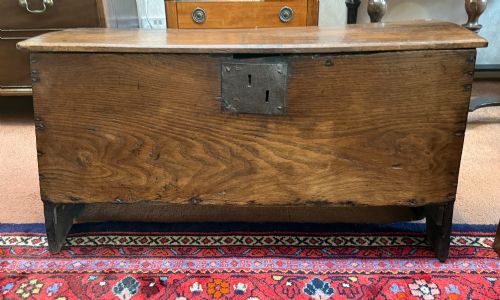
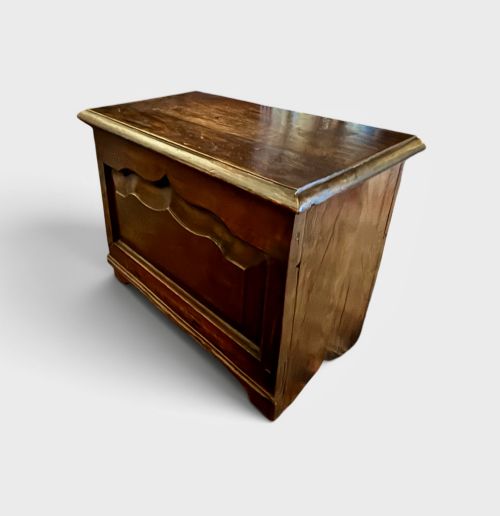
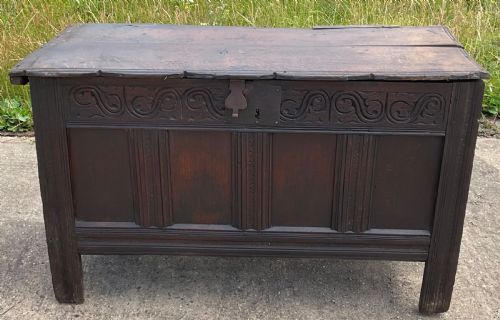
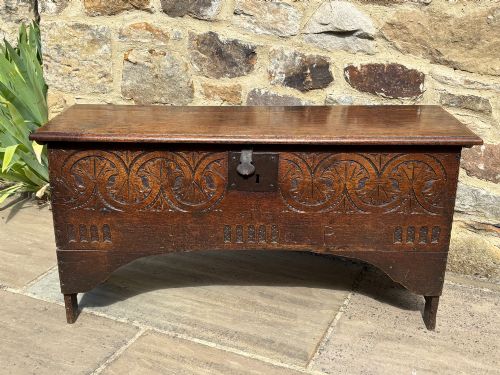
A rustic oak blanket box appears in forms such as coffers, storage chests, and trunks that reflect practical domestic storage from past centuries. These pieces serve as functional furniture designed to hold blankets and textiles within the home.
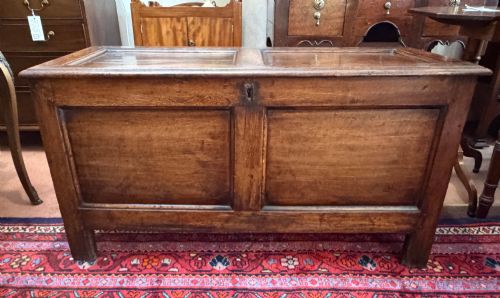
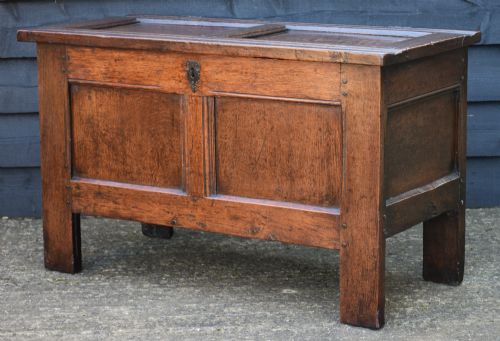
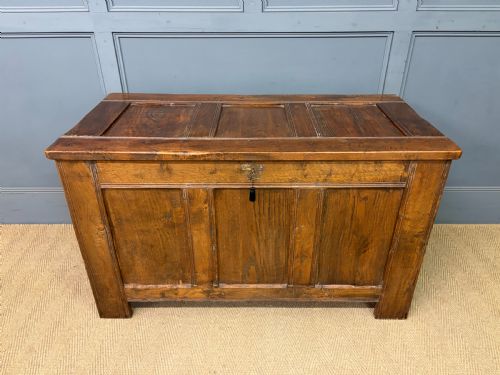
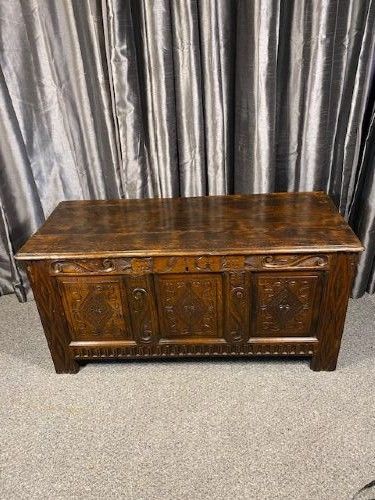
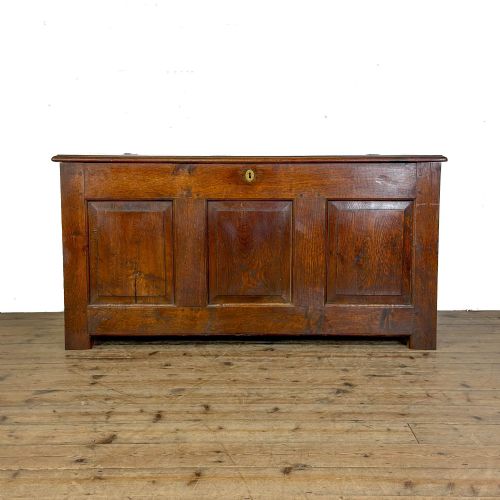
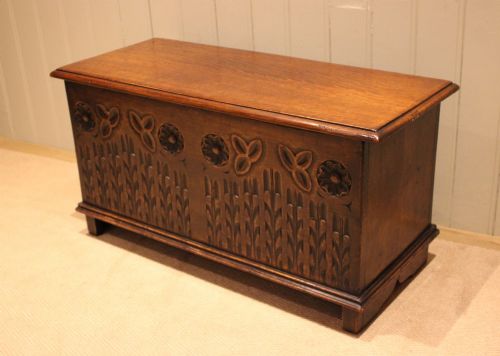
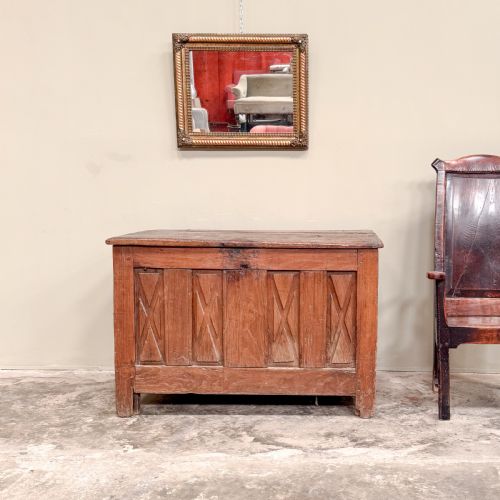
The examples available here span the eighteenth century, the early nineteenth century, and the Victorian period, showcasing traditional English cabinet-making. A buyer is most likely to meet panelled coffers and carved blanket chests originating from these eras.
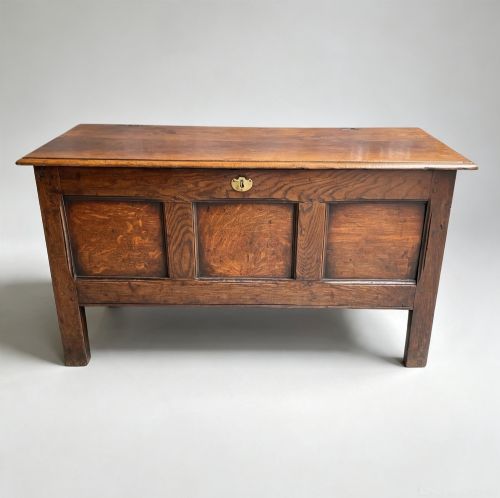
Structural variations include items raised on stands and large panelled bodies fitted with iron or brass hardware. Each variant demonstrates the enduring utility of solid oak construction across different decades.
Materials and construction
Makers built these pieces primarily using solid oak timbers, selected for strength and durability. The natural grain provides both structural integrity and a robust surface appearance.
Construction methods rely on traditional joinery, including panelled walls and carved details executed by hand. Hardware components such as brass and iron provide functional hinges, locks, and structural reinforcement.
Retail Price Guide 2026
Typical UK retail prices for rustic oak blanket box, calculated from the Sellingantiques database of over a million retail prices indexed since 2003. This retail price guide relies exclusively on Sellingantiques data; no external sources or auction records are used, so the figures do not describe the wider market.
Some chests sit proudly upon their own dedicated stands, ensuring your blankets remain respectfully distant from chilly cottage floors.
Assessing quality and character
Quality rests in the depth of the oak timber, the crispness of any carved decoration, and the integrity of the original joints. Pieces featuring elevated stands or intricate panel work represent the more ambitious end of the range.
Subtle differences in the survival of original brass or iron fittings distinguish standard utilitarian chests from finer examples. The handling of the wood surface over centuries also dictates the visual appeal of each piece.
The Rustic Oak Blanket Box Glossary
- Cofer
- An antique chest or box typically used for storing valuables, linens, or household goods. These heavy timber receptacles formed a central part of early household furniture before dedicated wardrobes became common.
- Panelled
- A method of construction where thinner boards are fitted within a heavier frame to allow the wood to expand and contract with seasonal humidity. This technique prevents the timber from warping or splitting.
- Stand
- An elevated frame or base upon which a coffer or chest sits, lifting the main body off the floor. This feature improves access and protects the contents from dampness.
- Carved
- Ornamentation cut directly into the surface of the wood using gouges and chisels. In these pieces, relief carving often follows traditional geometric or floral motifs.
Frequently Asked Questions
What is a rustic oak blanket box?
A rustic oak blanket box is a heavy wooden chest made to store household textiles and garments. These pieces utilise sturdy oak timbers and traditional joinery.
They appear in various forms including coffers and trunks, often featuring panelled sides and metal hardware.
How were these chests used?
Households used these timber chests primarily for storing blankets, woollens, and precious linens away from dust and pests. Their robust construction also allowed them to serve as impromptu seating or tables within the home.
In earlier centuries, such chests held all manner of personal possessions and valuables before fitted bedroom furniture became widespread.
How do I date an oak chest?
Dating relies on observing construction methods, timber preparation marks, and stylistic clues from specific periods such as the eighteenth or nineteenth century. Hand-cut joints and the style of any carved ornament offer clear indicators of age.
Hardware components like iron hinges and brass keyplates also help place a piece within eras like the Georgian or Victorian periods.
How do I live with one?
Place the chest away from direct heat sources and sudden temperature changes to protect the solid oak timber from drying out. Regular dusting and occasional waxing help maintain the natural finish of the wood.
They function well at the foot of a bed, in a hallway, or as a living room storage table while providing practical surface space.