


Antique English Dresser
When you search for an antique english dresser, you step into centuries of domestic storage fashioned from rich native timbers.
Antique English Dresser
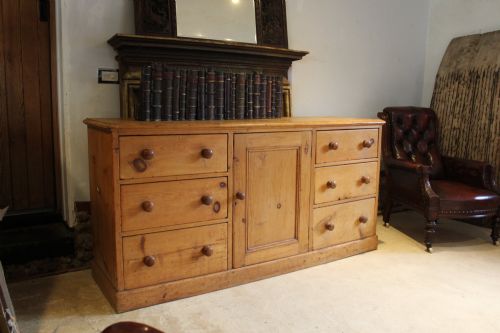
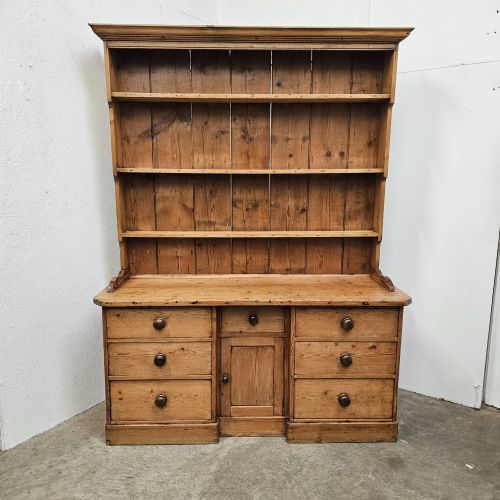
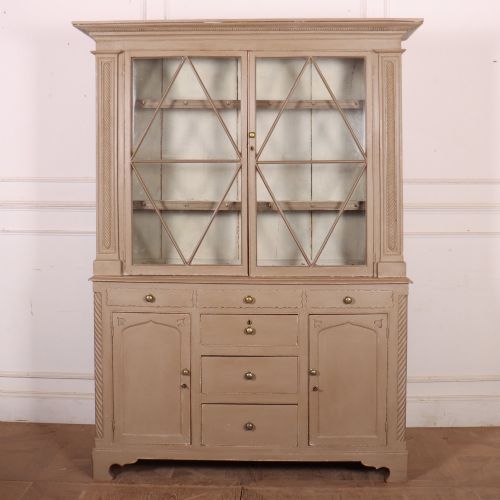
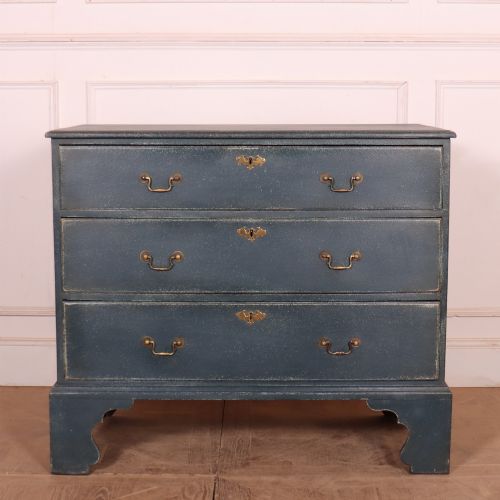
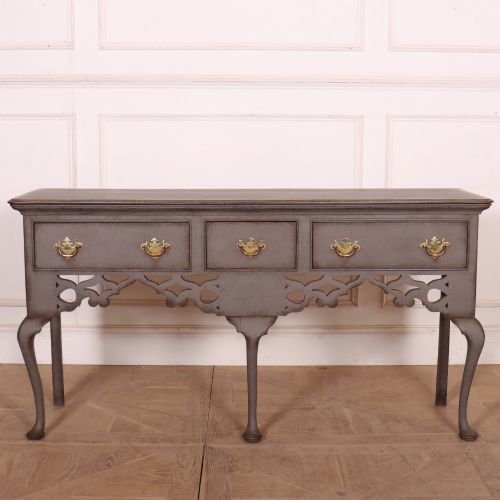
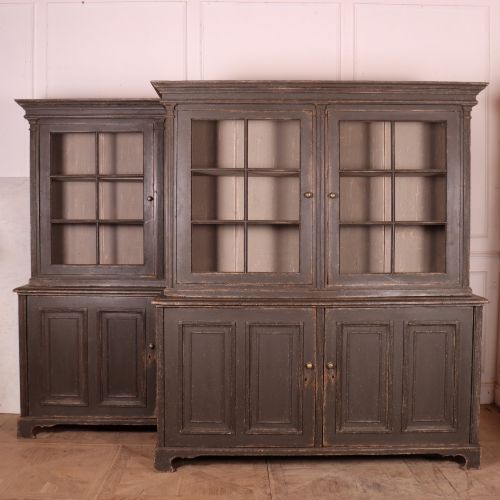
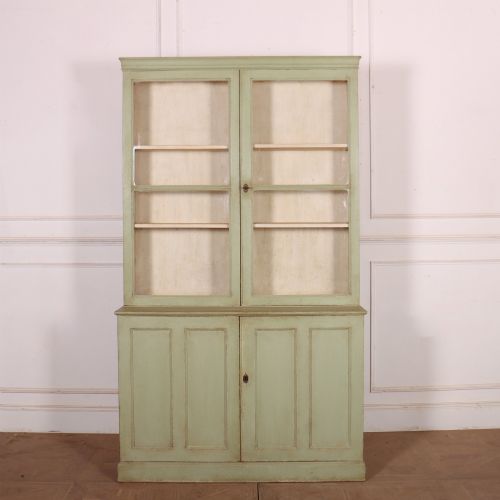
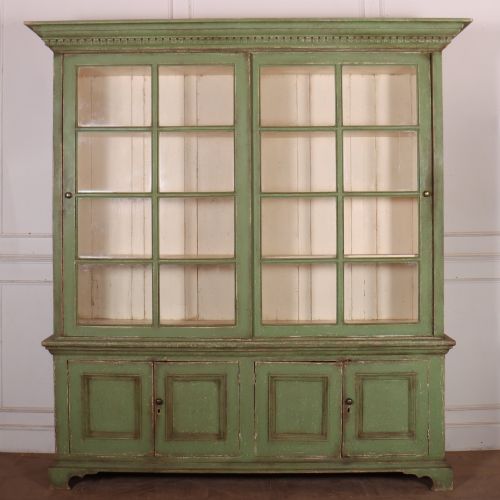
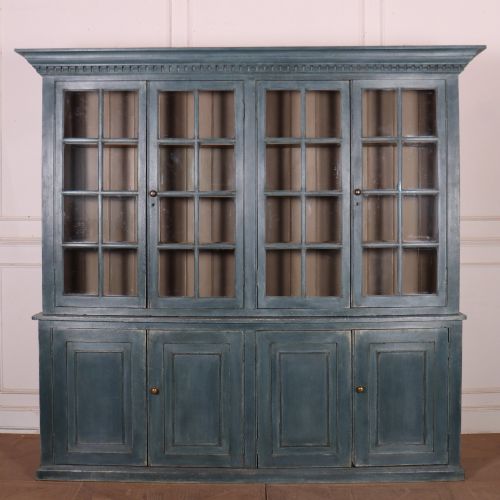
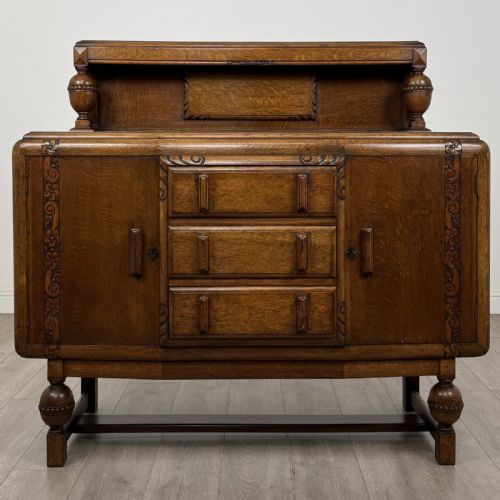
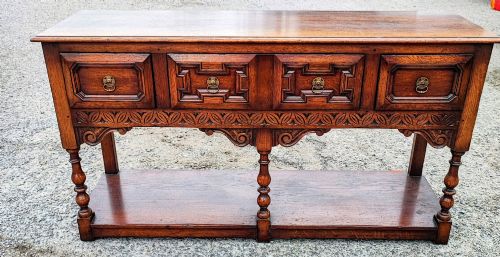
An antique english dresser encompasses robust kitchen storage units, open plate racks, and sturdy base sideboards fashioned primarily across the seventeenth, eighteenth, and nineteenth centuries. You encounter substantial potboard bases alongside smaller provincial farmhouse examples designed for everyday utility.
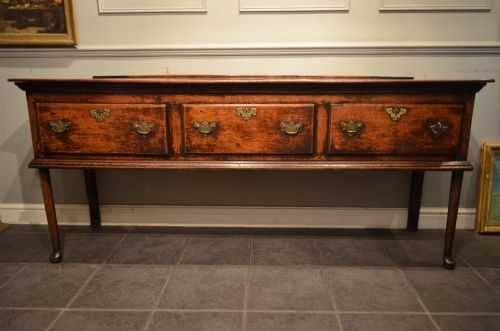
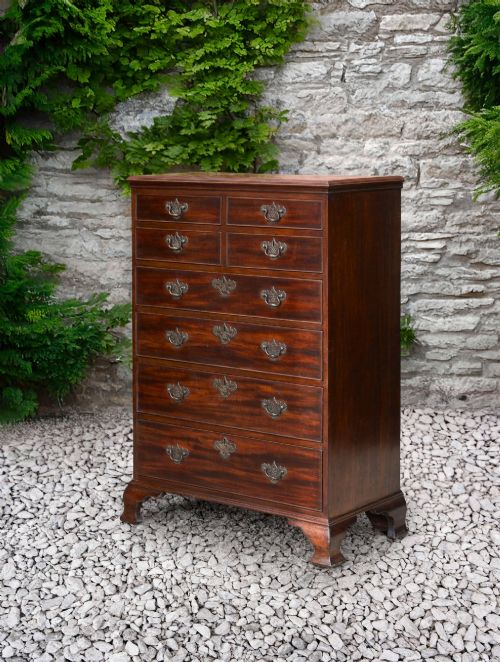
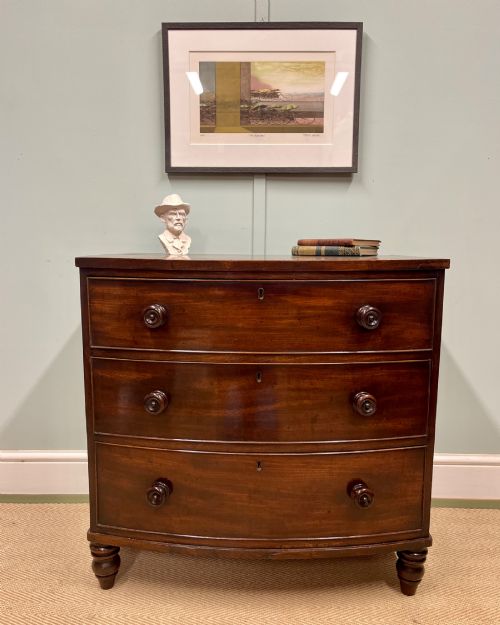
The selection ranges from early oak country houses pieces to later pine iterations and polished mahogany Georgian forms. Dresser bases function flexibly as sideboards or serving tables while retaining their historic character.
Regional variations appear frequently, displaying the distinct cabinet-making traditions of shropshire, lancashire, or cheshire. These pieces bridge the gap between working farmhouse furniture and formal domestic cabinetry.
How they were made
Joiners and cabinet-makers built these items using solid native timbers such as oak, elm, pine, and mahogany, frequently reinforced with iron or brass hardware. Boards were joined using traditional framing techniques and pegged mortise and tenon joints.
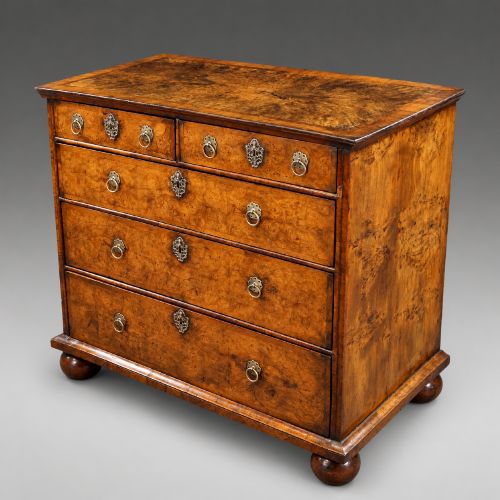
Surfaces received wax finishes or historical painted treatments, while finer examples utilised decorative veneers like oyster cut walnut. Plate racks were constructed separately to sit atop the heavy base cabinets.
Antique English Dresser Retail Price Guide 2026
Typical asking prices for english dresser among the pieces listed under this phrase on Sellingantiques today, from the lower quarter to the upper quarter. They describe what is for sale here now, not the wider market.
Many surviving potboards still bear the distinct circular scars left by heavy earthenware milk pans.
What varies in quality
Construction methods and timber selection dictate the standard of each piece, distinguishing utilitarian country furniture from high-style urban cabinet-making. Original hardware, undisturbed patination, and intact potboards or plate racks elevate the standing of a survival.
The sophistication of mouldings, such as geometric applied paneling on seventeenth-century examples or delicate cockbeading on drawers, marks the hand of a skilled maker. Proportions and the retention of original painted surfaces or rich timber grain heavily influence overall desirability.
T and G Seddon
The Antique English Dresser Glossary
- Dresser base
- The lower section of a dresser featuring cupboards and drawers, commonly used independently as a sideboard.
- Potboard
- An open lower shelf built into early dressers designed for storing pots and heavy kitchen utensils.
- Plate rack
- The upper shelving unit mounted above a dresser base to display ceramic plates and platters.
- Oyster veneer
- Circular slices cut transversely from small branches, arranged in decorative patterns across drawer fronts.
- Cockbeading
- A narrow rounded moulding projecting around the edges of drawer openings to frame the facade.
Antique English Dresser: Frequently Asked Questions
How were antique dressers originally used?
These pieces served as the central storage and display units in domestic kitchens and dining spaces. Families stored everyday tableware in the lower cupboards and displayed ceramic plates on the upper racks.
The sturdy top surfaces also doubled as workspace for food preparation before dedicated kitchen counters became standard in modern homes.
Where should I place a dresser?
Kitchens and dining rooms provide natural homes for these pieces, echoing their original domestic purpose. A compact base also functions effectively as a hallway sideboard or living room storage cabinet.
Ensure placement avoids direct heat sources and strong sunlight to protect historic timber and wax finishes.
How do I care for antique wood?
Maintain timber surfaces by applying quality natural beeswax sparingly and buffing with a soft cloth. Avoid synthetic chemical polishes that can degrade historical finishes over time.
Keep indoor humidity stable to prevent timber from splitting or warping across seasonal changes.
How can I tell the period?
Construction marks, timber choices, and hardware styles offer reliable clues to dating. Seventeenth-century examples often display heavy oak framing and geometric mouldings, while Georgian pieces favour mahogany with refined drawer linings.
Nail types, dovetail sizing, and tool marks observed inside drawers confirm whether a piece belongs to the country or city tradition.