
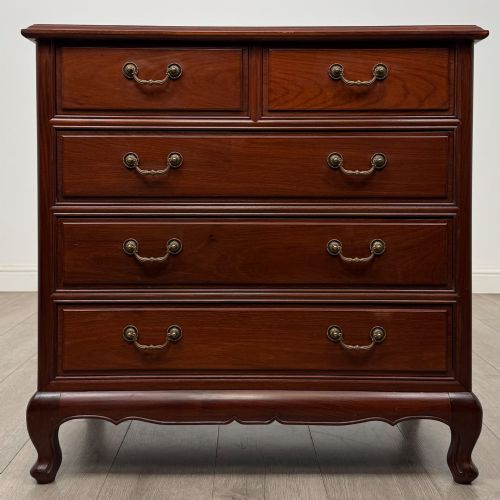
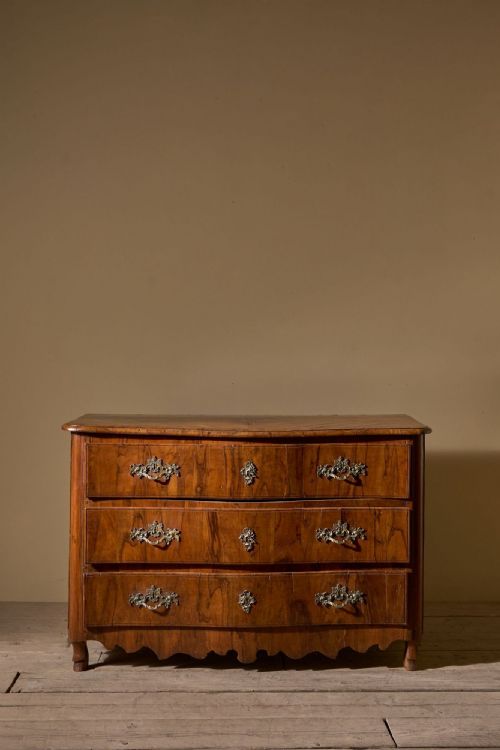
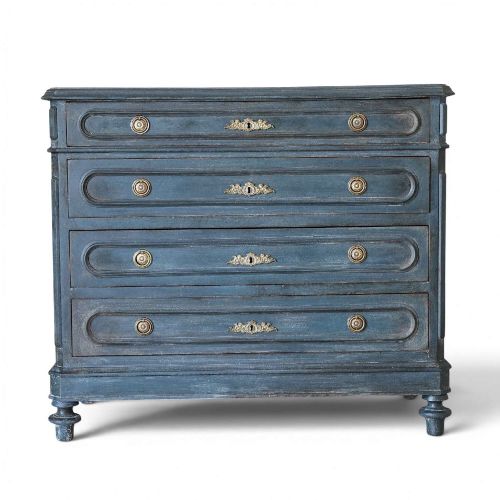
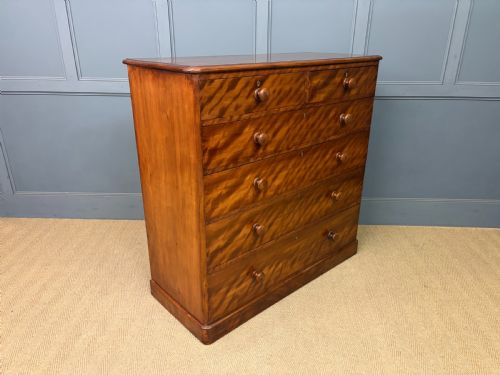

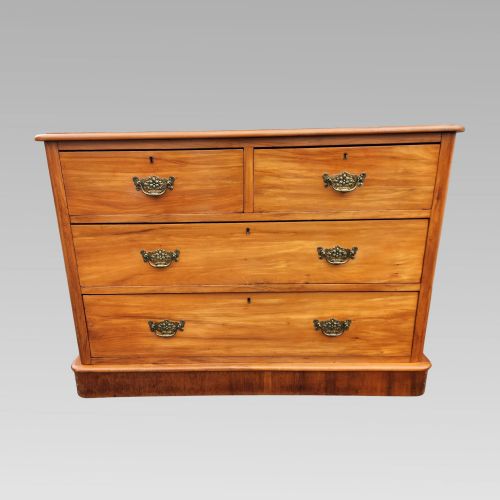
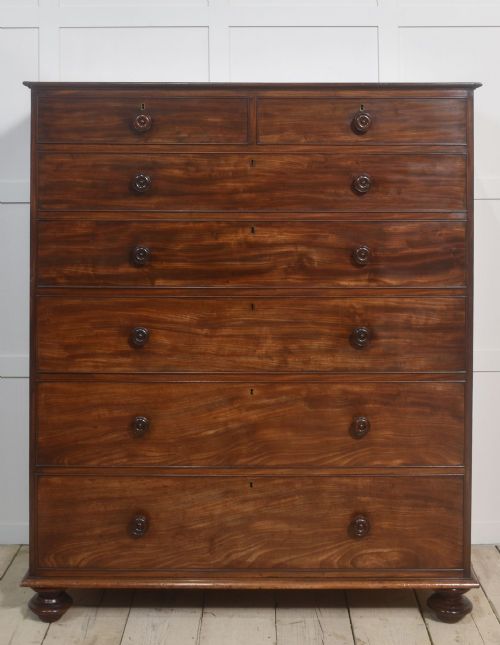
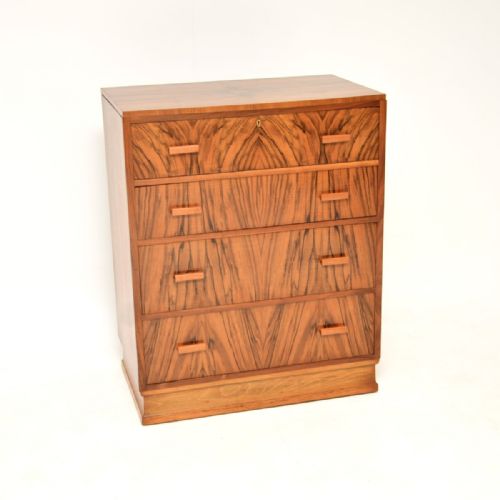
Antique Timber Commode
An antique timber commode brings solid historic presence to a room, offering deep drawers and fine cabinet work that modern furniture lacks.
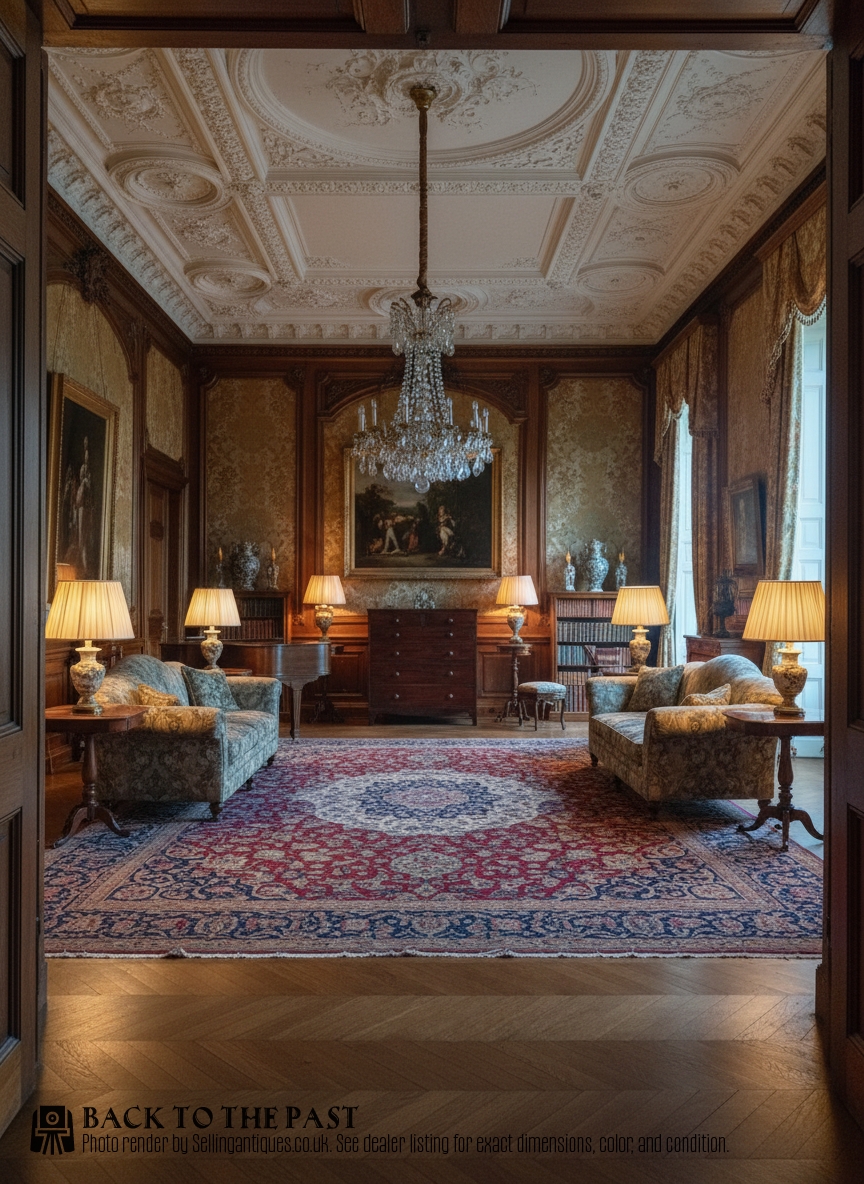
Antique Timber Commode
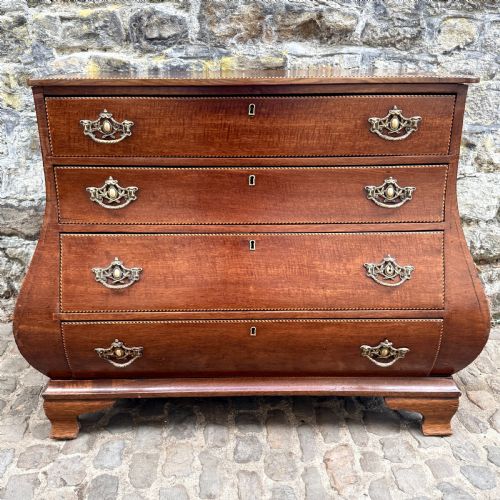
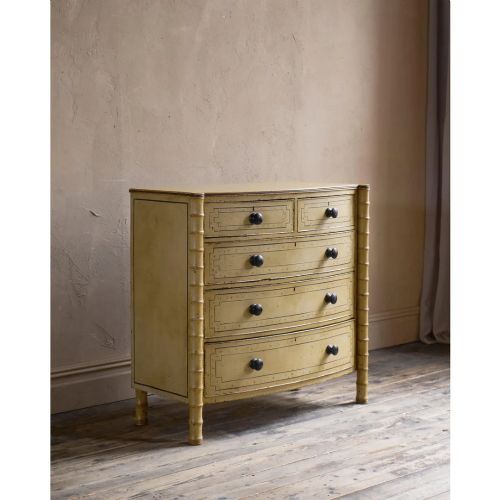
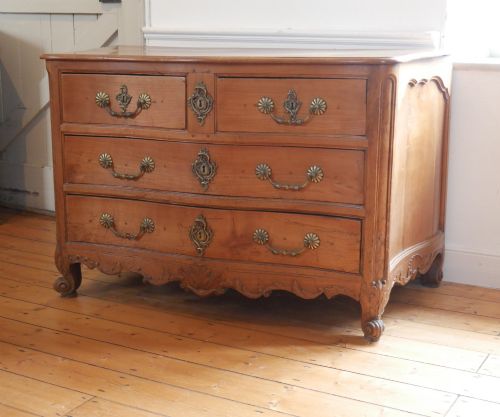
The selections on this page span several distinct eras, running from seventeenth-century oak and eighteenth-century walnut or mahogany to nineteenth-century painted pine and satinwood. Regional variations range from English bow-front designs to French provincial and Dutch styles.
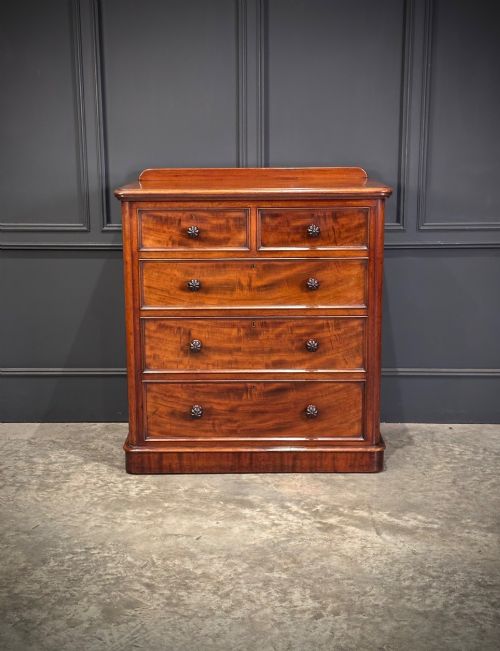
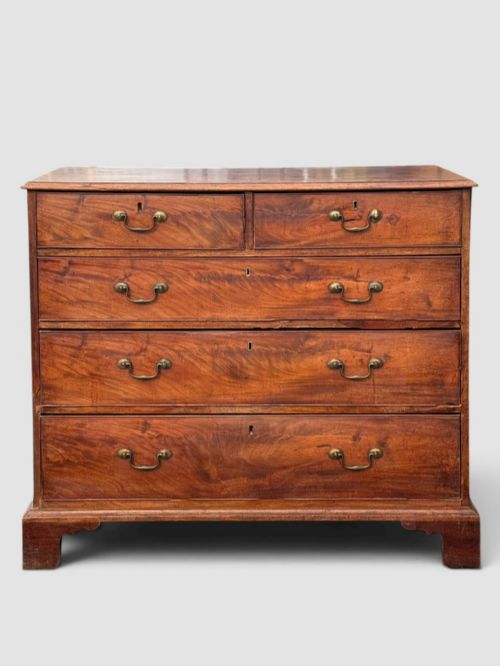
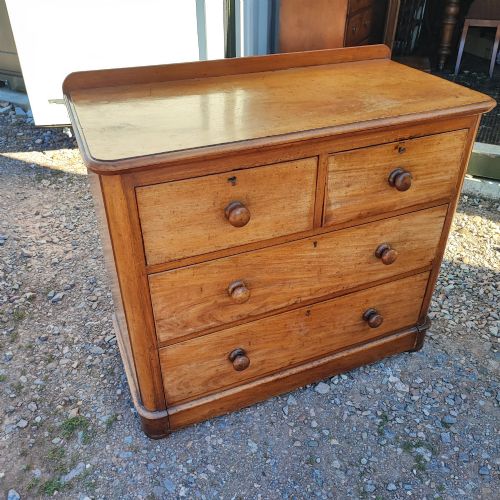
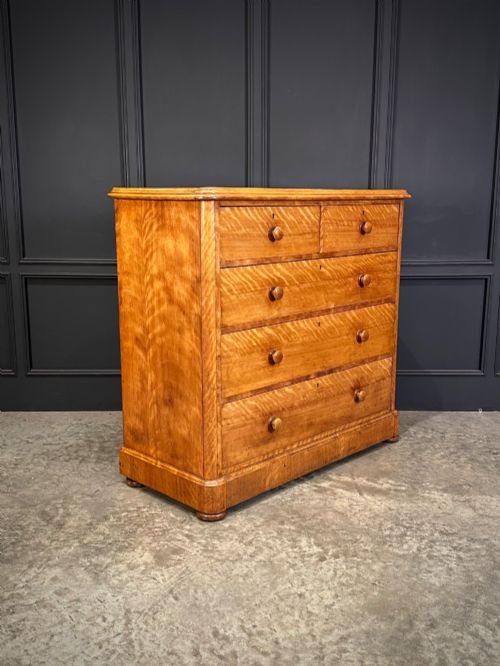
Chest of drawers formats dominate the available examples, often featuring configurations like two over three drawer arrangements alongside specialised commodes with concealed compartments.
Materials and construction
Cabinet makers relied heavily on robust timbers such as mahogany, walnut, oak, and pine, frequently selecting burr elm, yew, or olive wood for decorative veneers on statement surfaces. These woods were joined using traditional dovetails and mortise and tenon joints to ensure lasting stability.
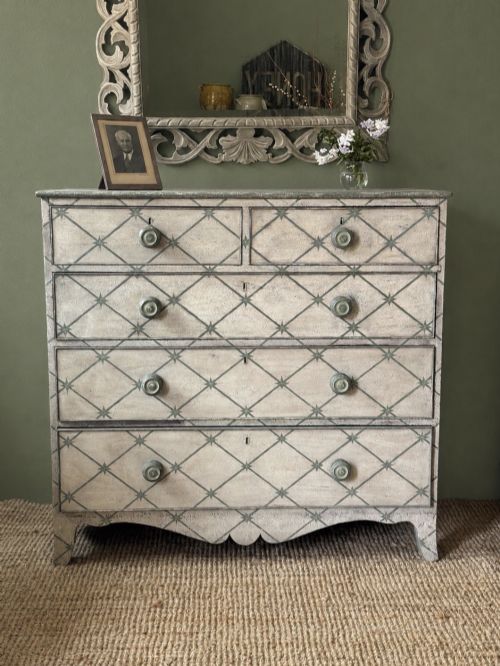
Surface finishes vary from polished mahogany and figured walnut to painted and decorated treatments seen on continental commodes. Hardware typically includes brass handles and escutcheons that complement the grain and colour of the primary timber.
Listings feature timbers including mahogany, walnut, oak, pine, satinwood, and olive wood across pieces spanning four centuries.
Qualities that set pieces apart
Quality rests upon the selection of timber figures, such as matching burr walnut or figured mahogany veneers, and the precision of the cabinet work. Superior pieces display seamless drawer construction and original brass hardware that has aged gracefully with the wood.
Proportion and decorative restraint dictate the distinction between standard utilitarian furniture and high-end pieces. Refined carved details, serpentine fronts, and intact painted finishes elevate certain commodes above ordinary regional examples.
Heal & Son·C. Hindley
The Antique Timber Commode Glossary
- Commode
- A low cabinet or chest of drawers designed for domestic storage. Originating in France, the term applies broadly to decorative chests.
- Bowfront
- A cabinet front that curves outward in a convex shape. This style gained popularity during the Georgian period.
- Serpentine
- A front shape curving outward at the ends and inward in the centre. It demands high joinery skill to execute properly on a chest of drawers.
- Dovetail
- A joint formed by interlocking wedge-shaped fingers. This method secures drawer sides to drawer fronts with great strength.
- Escutcheon
- A protective plate surrounding a keyhole. Brass examples often provide diagnostic clues to a piece's period.
Antique Timber Commode: Frequently Asked Questions
How do I use a commode today?
An antique timber commode serves well as a bedroom chest for clothing or as a hallway storage surface.
In living areas, these pieces function effectively as side cabinets to hold books and display decorative objects.
How do I identify a Georgian commode?
Georgian commodes often feature dense mahogany or walnut timbers with hand-cut dovetails and classic brass drop handles.
Look for proportions such as bow-front designs or clean rectangular lines typical of eighteenth-century English cabinet making.
What is a French painted commode?
French painted commodes typically showcase decorative painted surfaces, sometimes with floral motifs or distressed patination.
These pieces often display serpentine fronts and softer wood bodies underneath the painted layers.
How do I care for antique timber?
Keep wooden commodes away from direct heat sources and strong sunlight to prevent the timber from drying and cracking.
Apply quality beeswax occasionally to nourish the grain and maintain the natural lustre of the polished surface.