


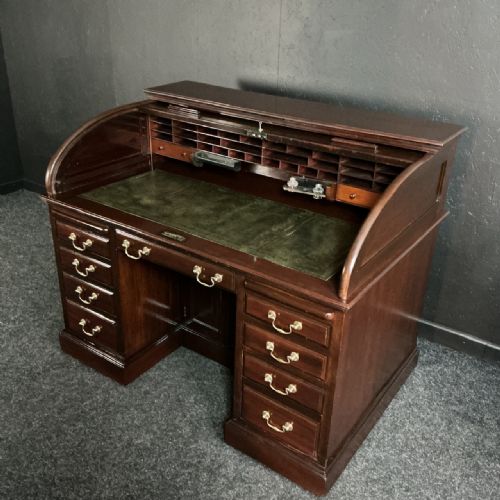


Classic Mahogany Bureau
When you search for a classic mahogany bureau, you seek a versatile writing cabinet that combines practical storage with rich cabinet-making traditions across multiple historic periods.
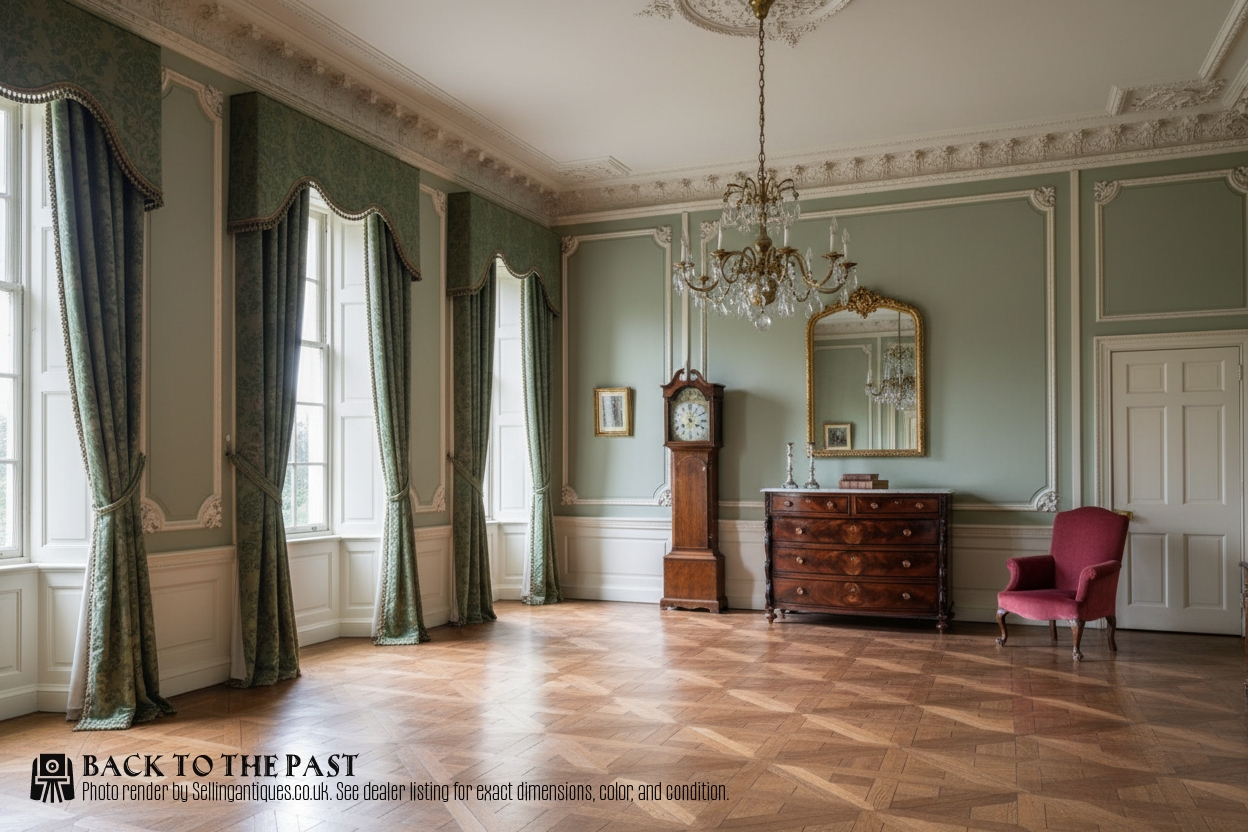
Classic Mahogany Bureau
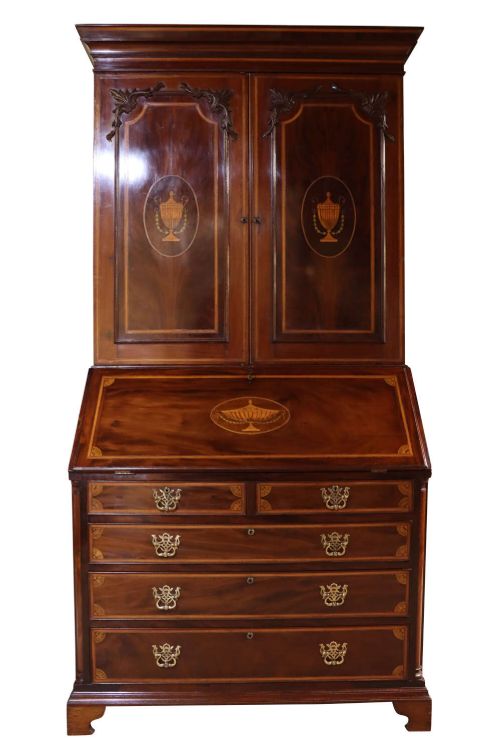
A classic mahogany bureau encompasses a variety of writing furniture, from slope-front desks and escritoires to secretaire cabinets and larger bureau bookcases. The selection spans distinct eras such as the Georgian, Regency, Victorian, and Edwardian periods.
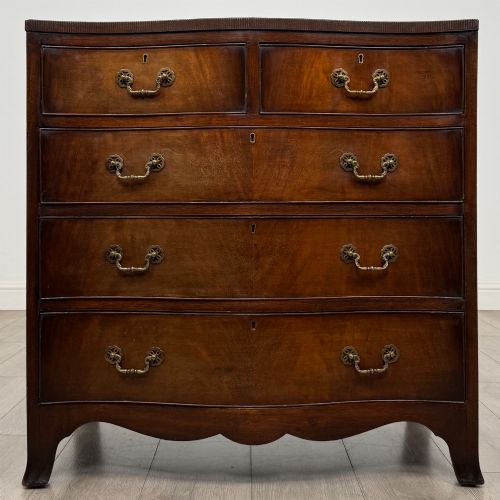
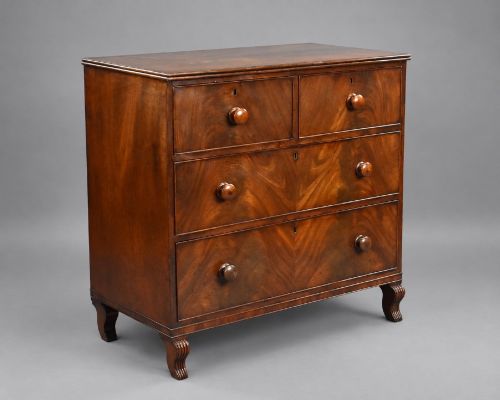
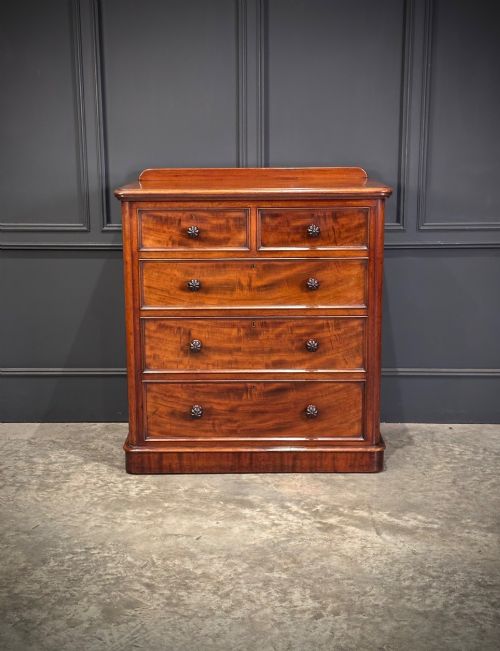
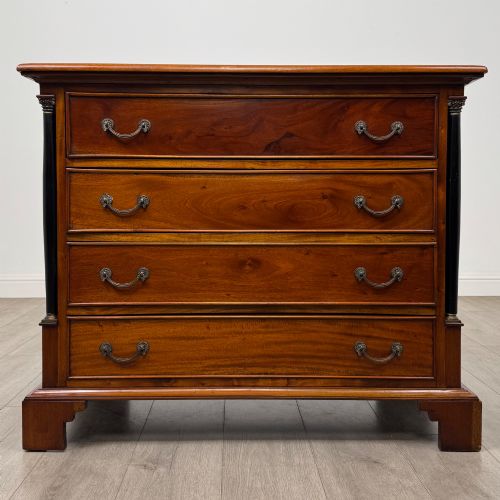
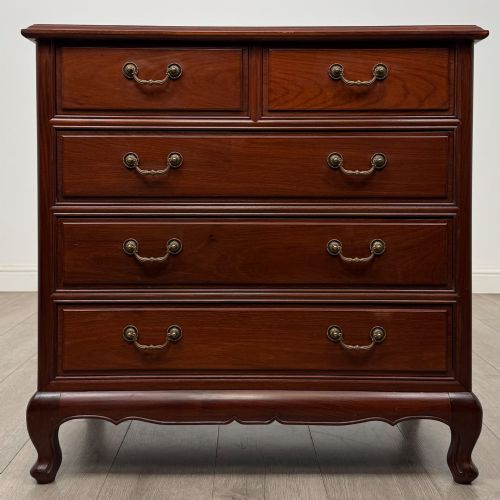
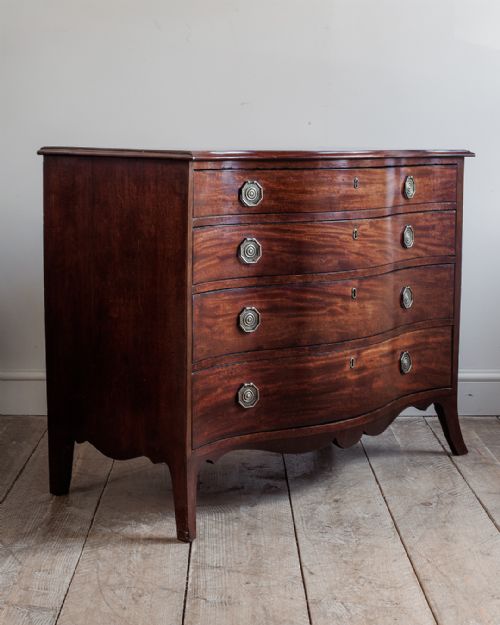
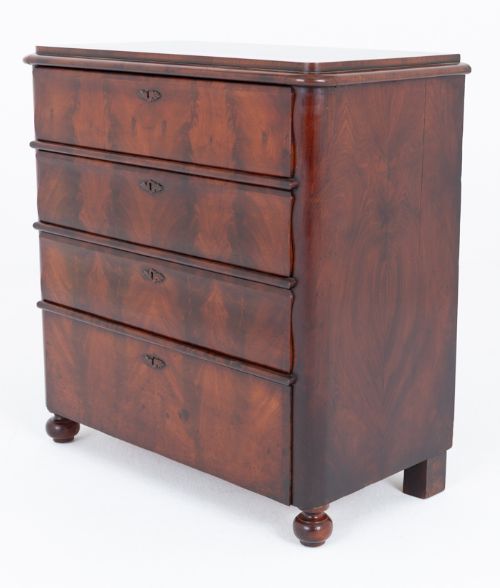
While the search term invokes a specific form of writing furniture, the available pieces on this page frequently include related storage and writing forms like chest of drawers variants, tambour desks, and pedestal desks.
Materials and construction
Cabinet makers utilised solid mahogany and flame mahogany veneer over secondary timbers, often embellishing surfaces with fine wood inlay to create striking grain patterns.
Metal fittings such as brass handles, alongside decorative accents like ormolu mounts, marble tops, and leather writing surfaces, complete the construction of these refined pieces.
Some Edwardian roll-top desks were built sturdy enough to survive the home office revolution a century ahead of schedule.
Judging quality in mahogany writing furniture
Quality rests upon the selection of timber, particularly the choice of figured flame mahogany veneer and the precision of any wood inlay work.
The sophistication of internal cabinetry, the integrity of structural joints, and the refinement of brass or ormolu mounts distinguish the finest examples.
The Classic Mahogany Bureau Glossary
- Bureau
- A desk with a sloping lid that folds down to reveal a writing surface and small compartments. This form provides both private storage and a functional workspace.
- Flame mahogany
- A veneer cut from timber where the grain branches out, producing a distinct flame-like pattern. Cabinet makers prize this figure for its visual impact on drawer fronts and primary surfaces.
- Escritoire
- A tall writing cabinet or desk containing a drop-front panel that conceals pigeonholes and small drawers. It serves as a vertical alternative to the traditional horizontal desk.
- Tambour
- A sliding surface made of narrow strips of wood glued to a canvas backing, allowing it to curve around a cylinder. This mechanism conceals the desk interior when closed.
- Secretaire
- A piece of furniture incorporating a concealed writing drawer or a drop-down front that transforms a chest or cabinet into a desk. It offers discreet workspace within standard case furniture.
Classic Mahogany Bureau: Frequently Asked Questions
What is a classic mahogany bureau?
A classic mahogany bureau is a traditional writing desk featuring a sloping lid or drop-front panel that opens to reveal internal compartments and drawers.
These pieces combine functional workspace with enclosed storage, utilising rich mahogany timbers and often featuring fine veneer work.
How do I date a mahogany bureau?
Dating involves examining the construction methods, secondary woods, handle styles, and overall design characteristics aligned with periods like Georgian or Victorian.
Changes in proportion, inlay techniques, and lock mechanisms offer reliable clues to a piece's exact era of manufacture.
Where should I place my bureau?
A bureau suits studies, living rooms, or bedrooms where its compact writing surface and storage capacity serve daily utility.
Ensure placement avoids direct sunlight and heat sources to protect the mahogany finish and prevent veneer warping.