


Traditional Wooden Commode
Traditional wooden commode pieces bring genuine period character to a room, offering practical storage disguised as timeless furniture.

What traditional wooden commode items are
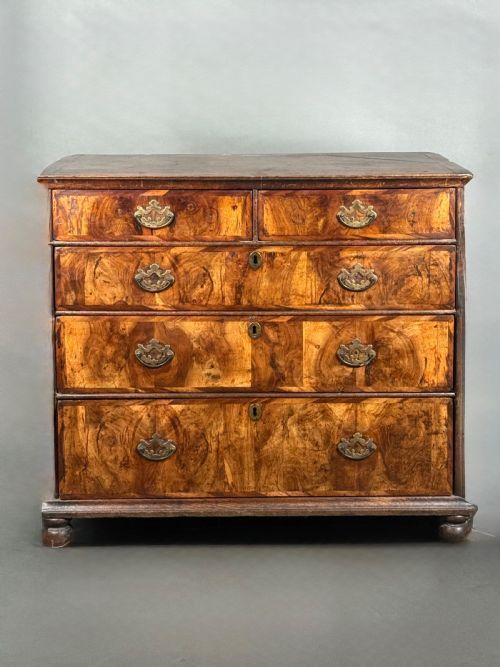
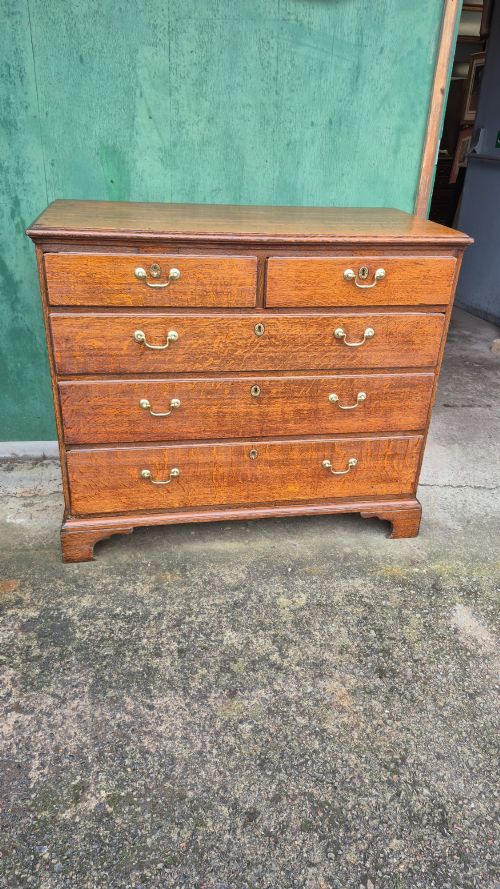
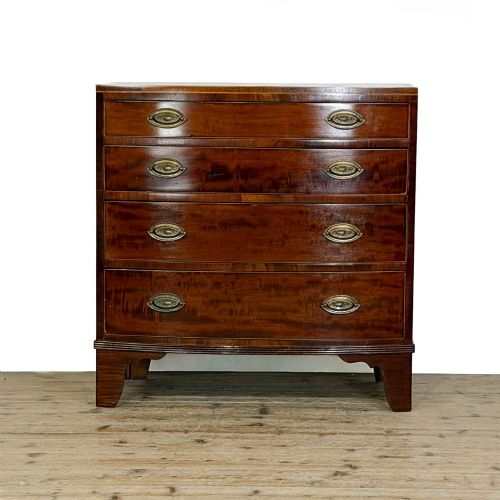
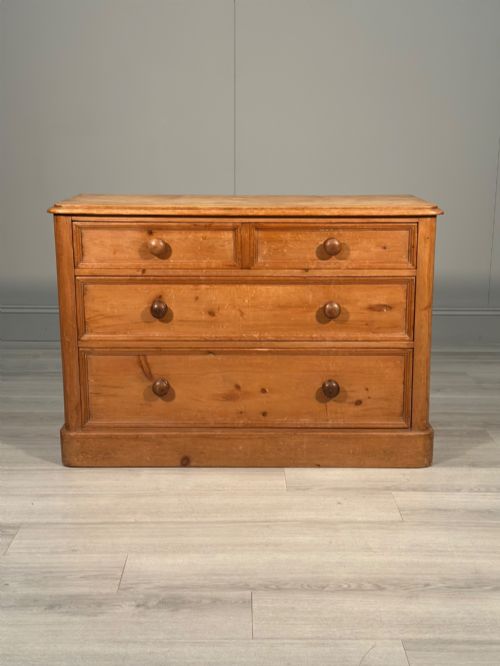
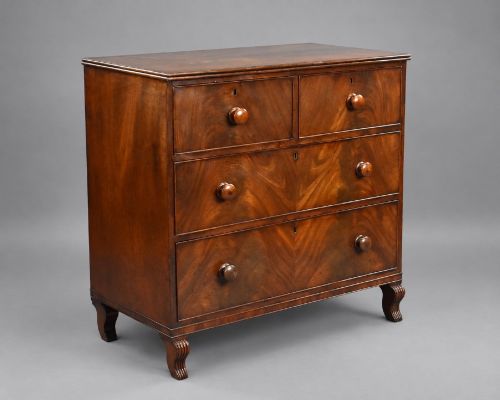
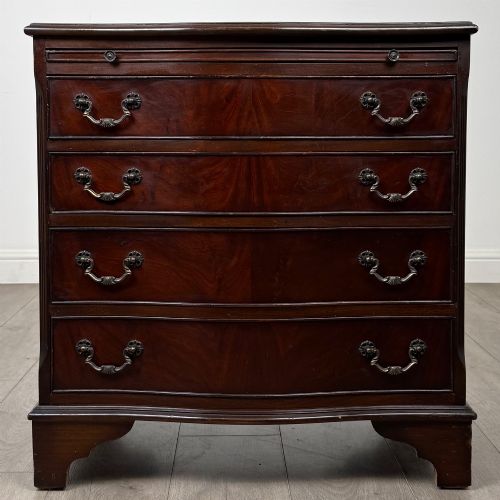
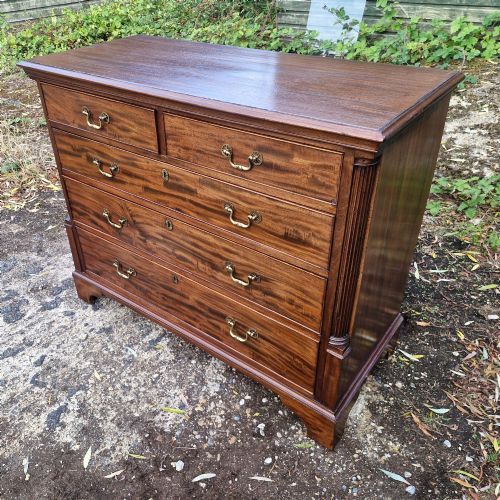
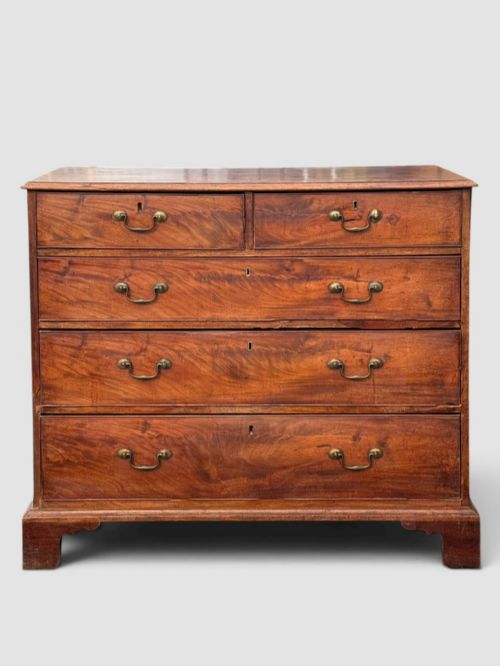
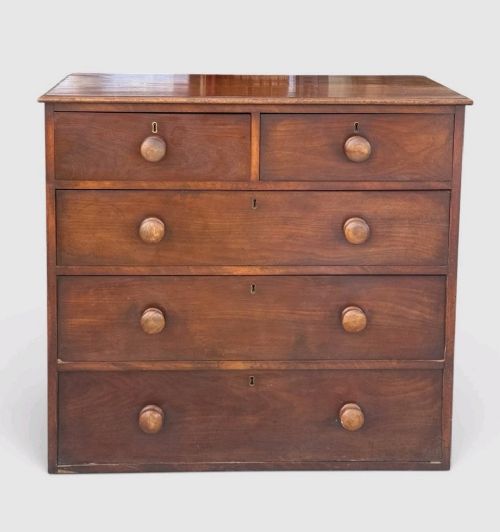
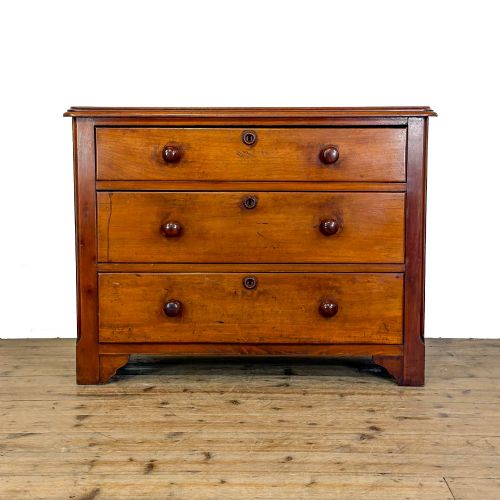
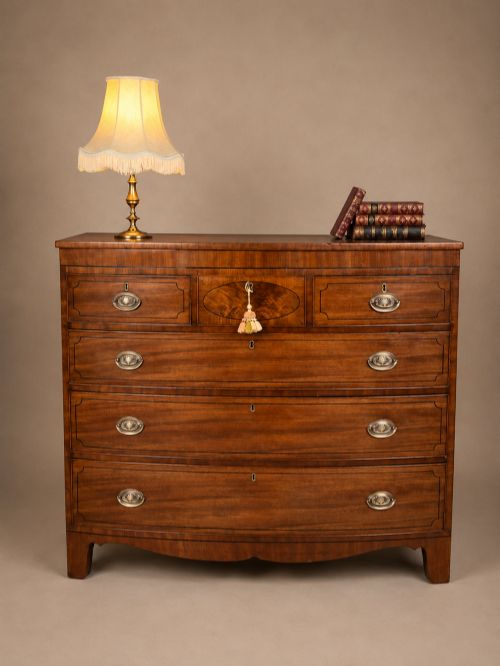
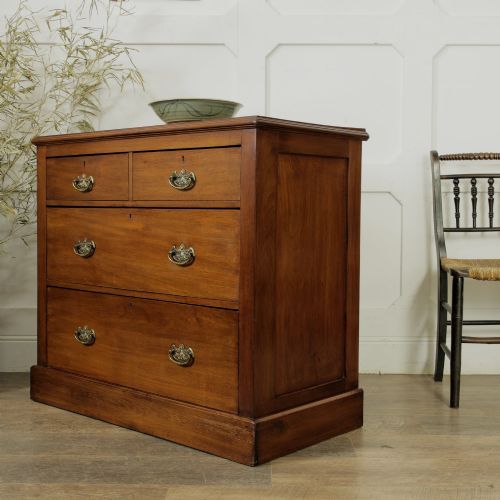
When you search for a traditional wooden commode, you encounter a selection spanning the 18th century, Georgian, Regency, and Victorian periods. The items listed on this page encompass various forms of chests of drawers as well as a child's commode chair.
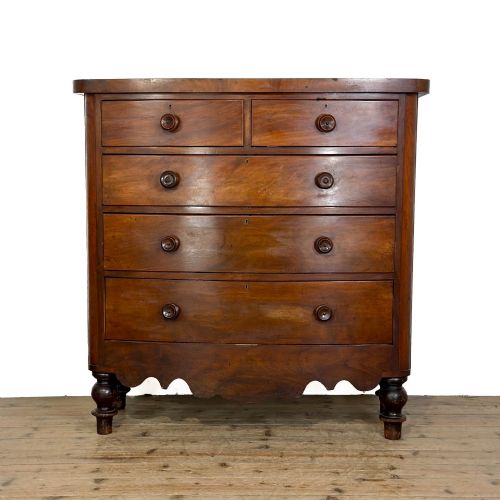
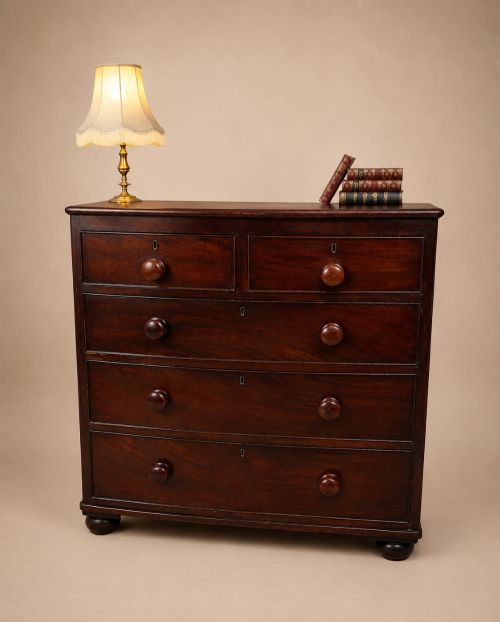
The chest of drawers form dominates the selection, appearing across multiple eras including the Georgian and Regency periods. These pieces serve as functional storage furniture built from timber.
Materials and construction
Makers utilised a range of timbers including mahogany, yew wood, elm, pine, and painted wood. Brass hardware frequently appears as a component for handles and key escutcheons across the wooden structures.
Glass elements also integrate into specific pieces within the listings. Surface finishes vary from natural timber grains to painted treatments applied to the wood.
Retail Price Guide 2026
Typical UK retail prices for traditional wooden commode, calculated from the Sellingantiques database of over a million retail prices indexed since 2003. This retail price guide relies exclusively on Sellingantiques data; no external sources or auction records are used, so the figures do not describe the wider market.
Among the stately chests of drawers hides a small elm chair designed for a child's private use.
Distinctions in quality
The choice of primary timber influences the character of each piece, with dense hardwoods like mahogany and yew wood sitting alongside domestic timbers such as elm and pine. Finer examples display thoughtful selection of wood grain across the drawer fronts and surfaces.
Cabinetmaking skill shows in the neatness of proportion and the practical execution of the design. Maker attribution, such as the work of Edwards and Roberts, distinguishes specific items through documented craftsmanship.
Edwards and Roberts
The Traditional Wooden Commode Glossary
- Commode chair
- A piece of seating furniture containing a concealed chamber or receptacle beneath the seat. This form served a specific domestic function in historical households.
- Chest of drawers
- A primary storage unit composed of stacked horizontal drawers. Examples in this category date from the eighteenth and nineteenth centuries.
- Mahogany
- A durable tropical hardwood prized for its rich colour and stability in cabinetmaking. It forms the primary material for several Victorian and Georgian pieces.
- Yew wood
- An indigenous timber known for its distinctive grain pattern and warm tones. Eighteenth-century makers utilised this wood for cabinetry.
Frequently Asked Questions
What is a traditional wooden commode?
A traditional wooden commode refers to historical furniture pieces, primarily chests of drawers or specialised seating from periods such as the Georgian and Victorian eras.
These items were constructed from materials like mahogany, yew wood, elm, and pine to serve practical domestic storage and utility needs.
Where can I use a commode chest?
A commode chest of drawers fits well in bedrooms, hallways, or living spaces as functional storage furniture.
The classic timber finishes complement both traditional and contemporary room schemes.
What woods were used for commodes?
Makers constructed these pieces using hardwoods like mahogany and yew wood, as well as domestic timbers such as elm, pine, and painted wood.
Certain items also incorporate brass and glass details to complete the design.