


Vintage Wood Bureau
A vintage wood bureau brings warmth and working space to a room, offering a fitted writing surface that folds away when the letters are done.
Vintage Wood Bureau
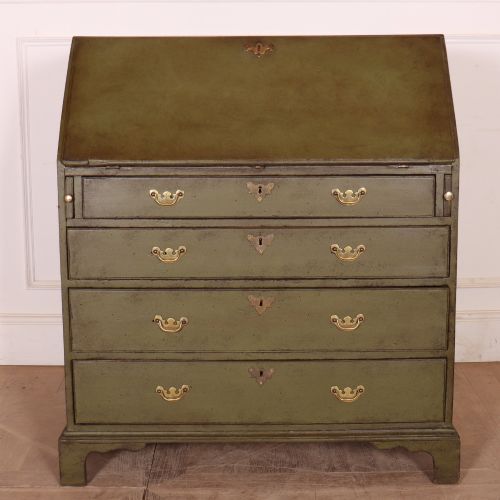
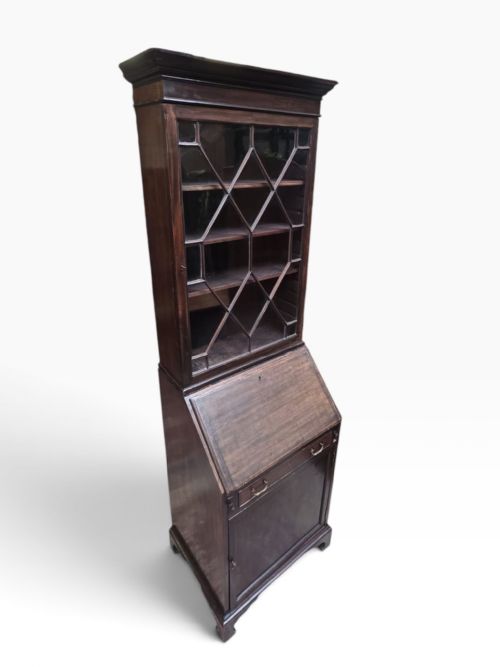
A vintage wood bureau combines a slanted or drop-front writing flap with internal pigeonholes and drawers, frequently paired with bookcases or chests. These pieces emerge from periods spanning the eighteenth century through to the twentieth, reflecting shifting domestic habits and tastes in writing furniture.
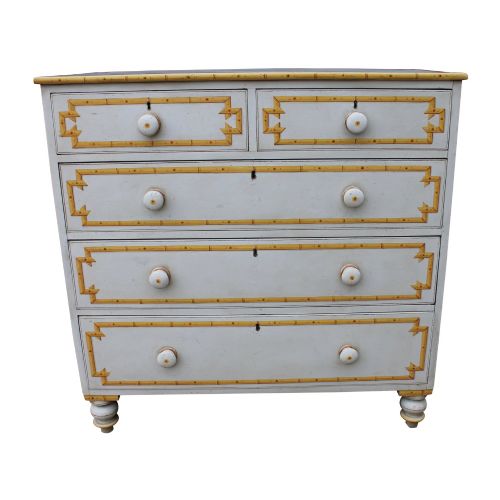
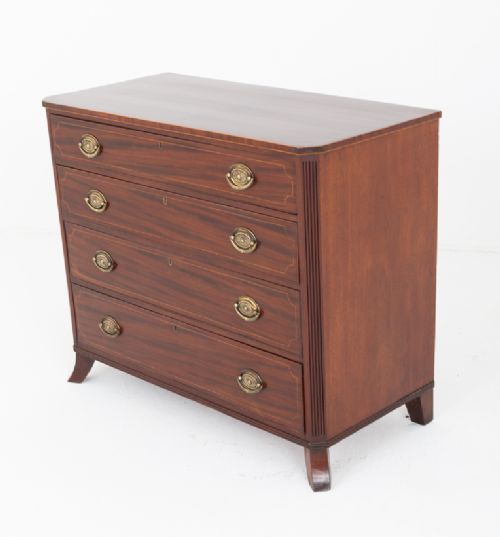
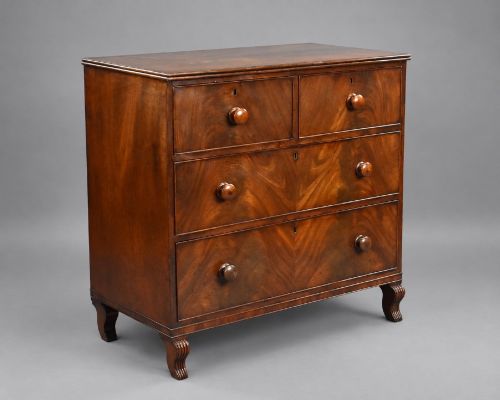
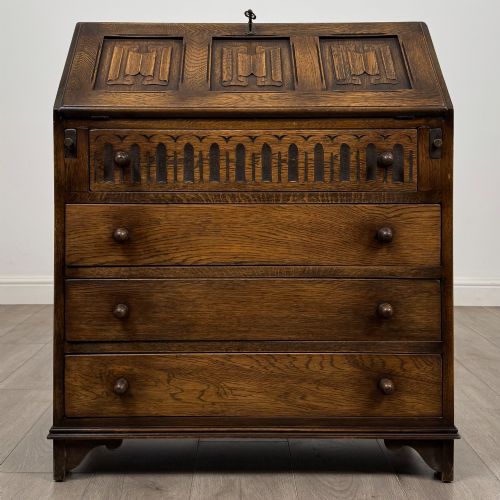
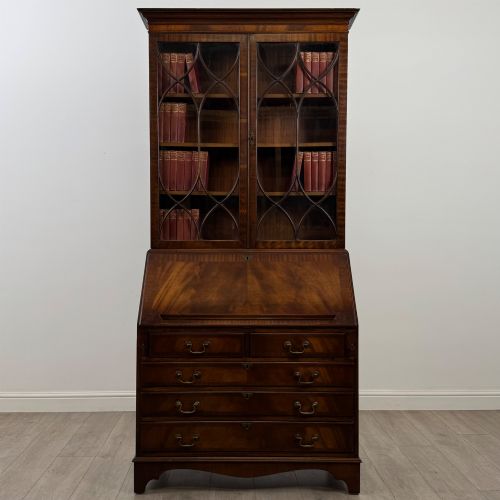
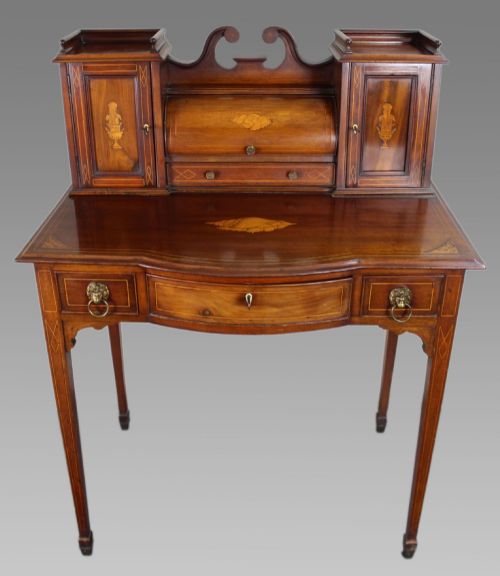
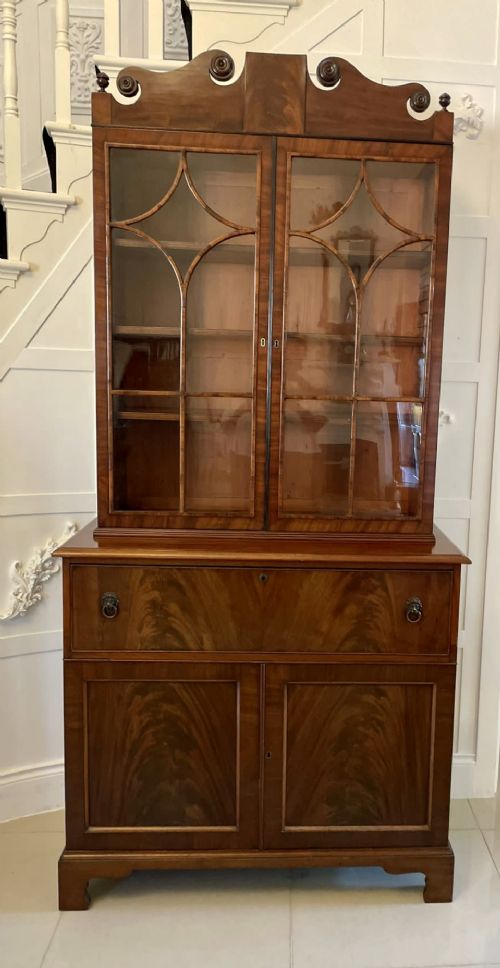
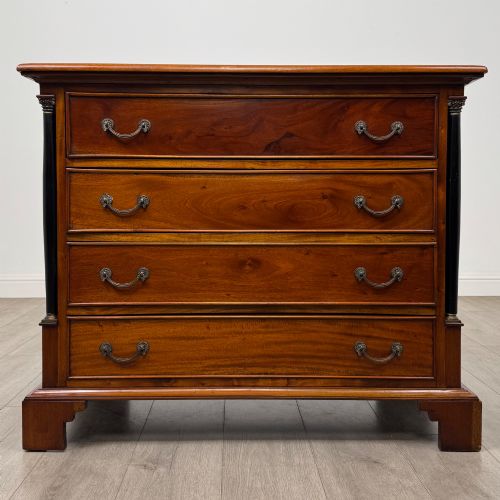
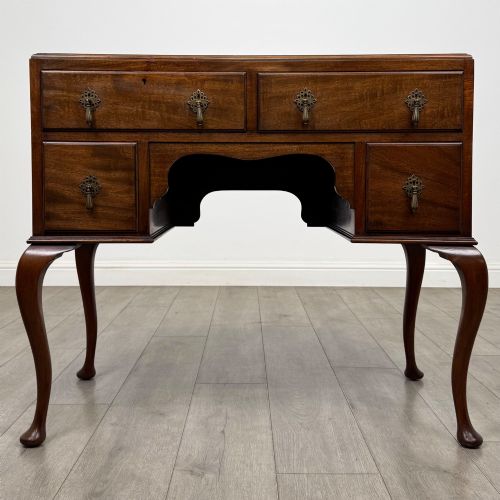
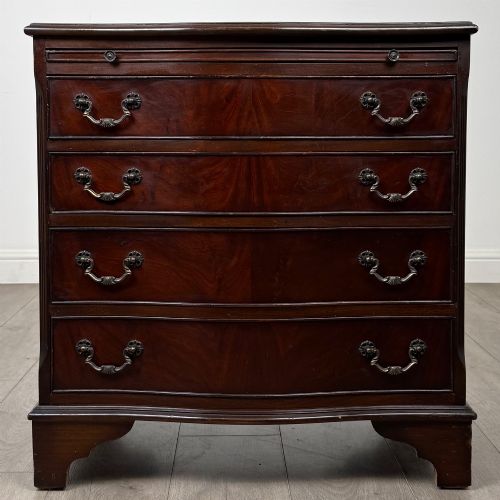
The selections on this page lean heavily toward Edwardian oak examples and various mahogany iterations from the Regency and Victorian eras. Alongside traditional fall-front desks, the listings incorporate related forms such as secretaire bookcases, writing tables, and chests of drawers.
Buyers encounter substantial variety in proportion and stylistic revival, from plain oak linenfold panels to inlaid satinwood details. Pieces range from compact Edwardian student desks to imposing Georgian and Regency secretaire bookcases designed for grander libraries.
Distinctions in craftsmanship and condition
Quality reveals itself in the crispness of carved details, the careful matching of wood veneers, and the smooth operation of internal pigeonhole drawers and writing flaps. Superior examples display thoughtful timber selection where grain patterns align harmoniously across the entire front elevation.
Structural integrity of the writing surface hinges upon the strength of internal pigeonhole partitions and the reliable fit of supporting slips or hinges. Lesser pieces may show uneven fading, timber shrinkage, or compromised interior mechanisms from heavy historical use.
Listings feature woods including mahogany, oak, walnut, pine, and yew, spanning Edwardian, Regency, Georgian, and Victorian periods alongside Art Deco forms.
The Vintage Wood Bureau Glossary
- Bureau
- A desk featuring a hinged sloping flap that opens to reveal a fitted interior of small drawers and pigeonholes.
- Secretaire bookcase
- A tall piece combining a bookcase upper section with a fitted writing drawer or drop-front desk compartment below.
- Flame mahogany
- A highly figured wood veneer sliced from timber where the branch meets the trunk, creating a distinctive flamelike pattern.
- Linenfold
- A style of wood carving popular in revival pieces that imitates folded linen cloth in low relief.
- Pigeonhole
- A small compartment within a desk interior designed for sorting letters and documents.
Vintage Wood Bureau: Frequently Asked Questions
How do I use a bureau in a modern room?
A bureau serves as a compact workstation that conceals laptop computers and paperwork when the hinged writing flap is closed. The internal compartments provide natural organisation for stationery and small items.
Positioning the piece against a living room or bedroom wall maintains floor space while introducing period timber character. The enclosed writing surface keeps domestic clutter out of sight at the end of the working day.
What is the difference between a bureau and a secretaire?
A traditional bureau relies on a sloping fall-front lid that drops down to create a writing surface. This hinged flap rests on wooden supports or pull-out arms when opened.
A secretaire typically disguises its writing compartment within a horizontal drawer front of a chest or bookcase. Pulling down this drawer reveals fitted stationery pigeonholes while maintaining the external appearance of standard drawer tiers.
How do I care for antique wood surfaces?
Maintaining wood furniture requires consistent dusting with a dry, soft cloth to prevent particulate accumulation on polished surfaces. Avoiding direct sunlight and sustained heat sources protects timber from drying and veneer lifting.
Periodic application of suitable beeswax feeds the polish and preserves the rich depth of mahogany, oak, and walnut. Harsh chemical sprays and excessive moisture should be kept away from antique finishes entirely.
How can I tell Edwardian pieces from earlier eras?
Edwardian items frequently display lighter construction timbers, satinwood stringing, and machine-cut internal elements that reflect early twentieth-century manufacturing standards. Oak pieces from this period often incorporate revival motifs such as linenfold carving.
Earlier eighteenth-century and Regency examples generally exhibit heavier primary timbers, hand-cut dovetails in the drawer construction, and distinct patination acquired through extended use. Hardware styles and secondary woods also offer reliable clues to dating.