

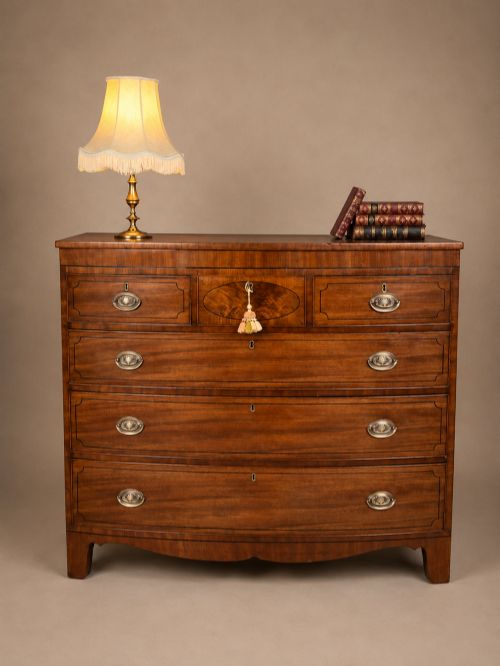
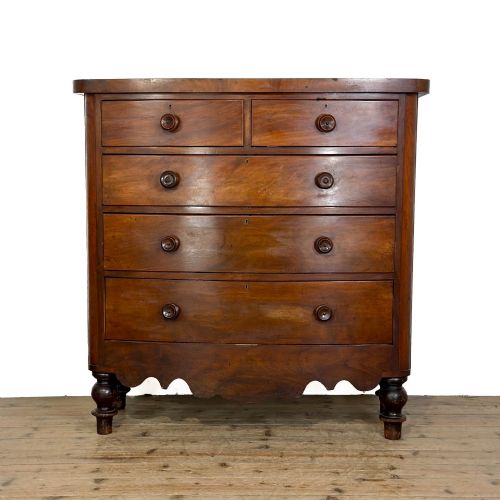
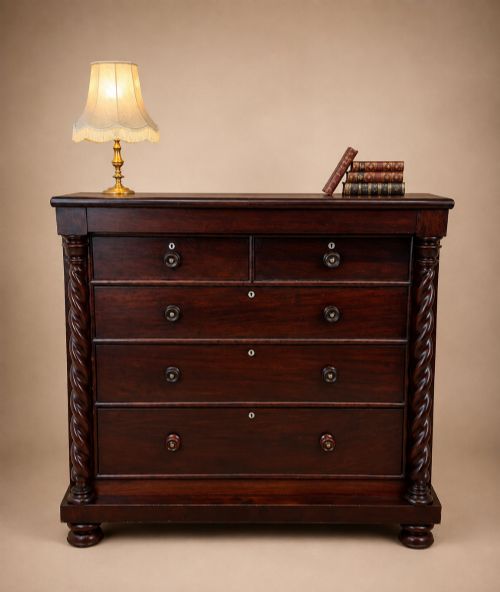
19th Century Mahogany Dresser
A 19th century mahogany dresser brings solid timber and centuries of practical storage directly into a modern dining room or kitchen.
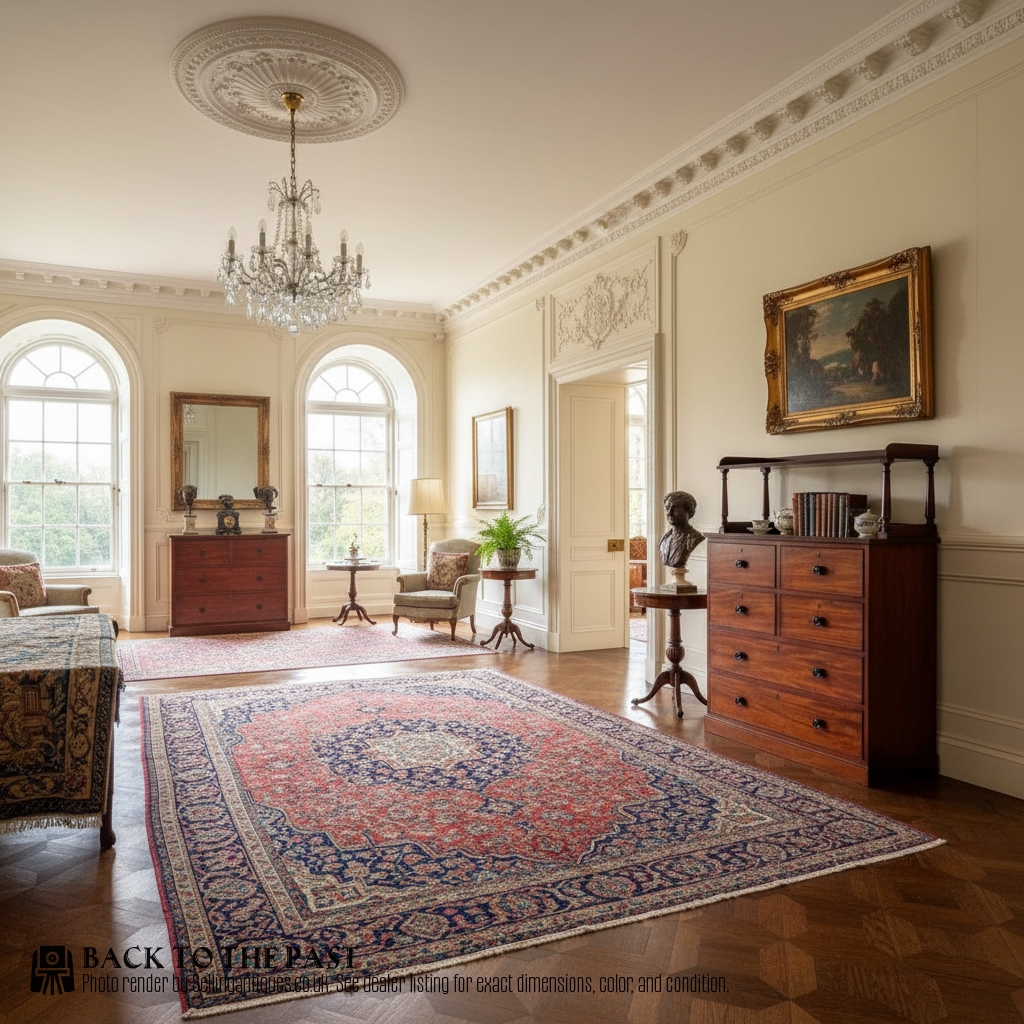
What a 19th century mahogany dresser is
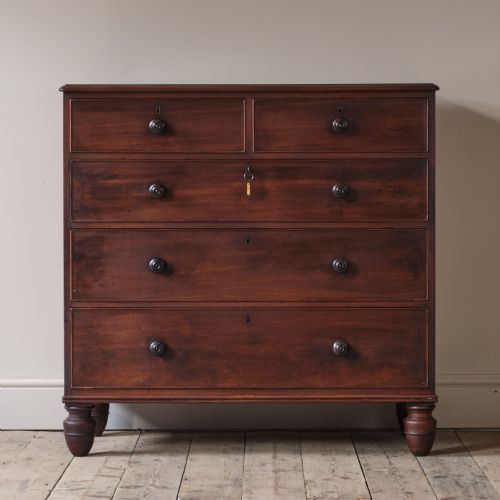
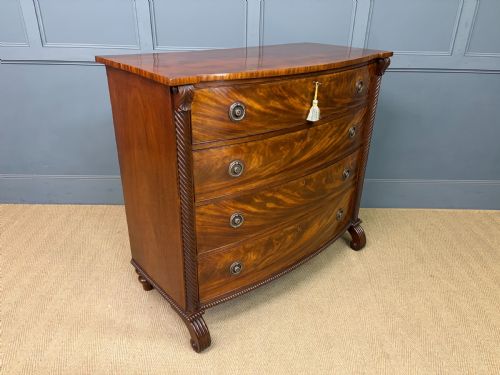
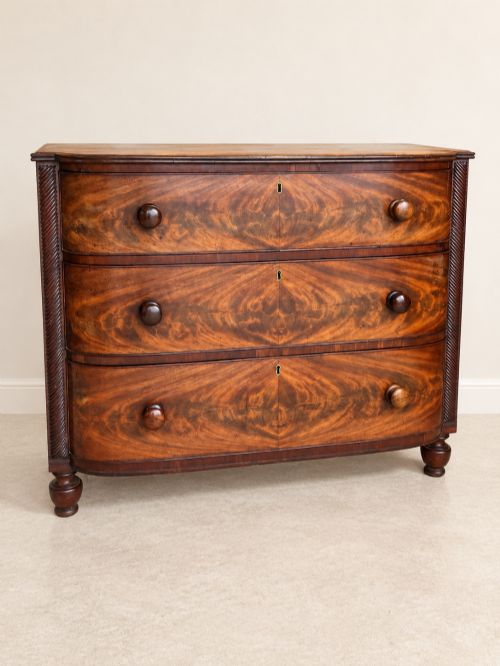
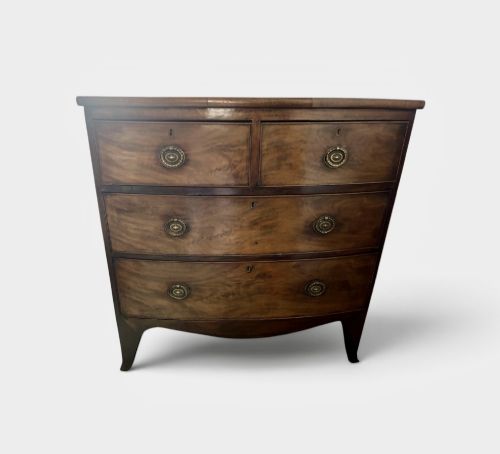
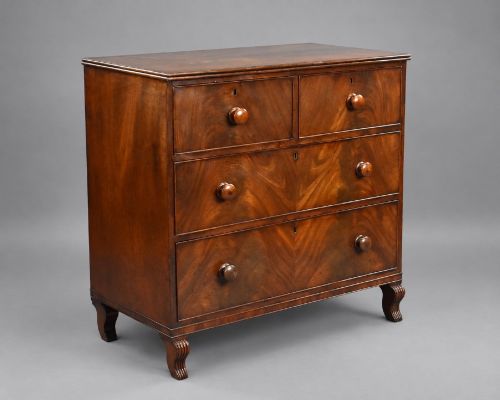
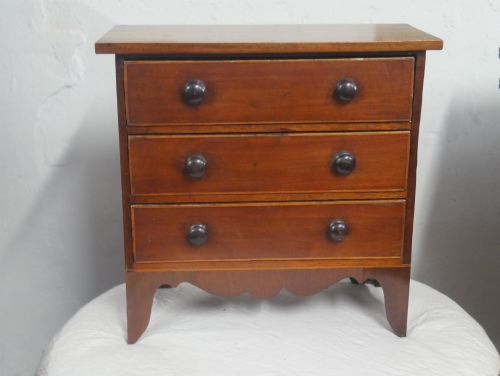
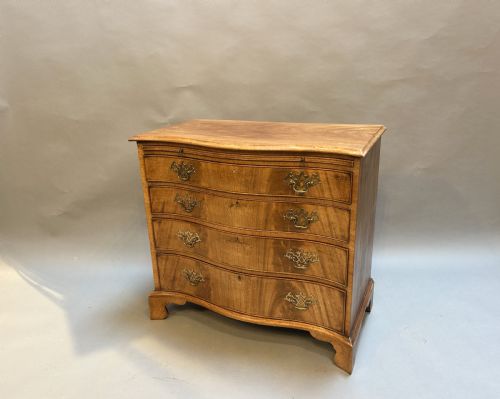
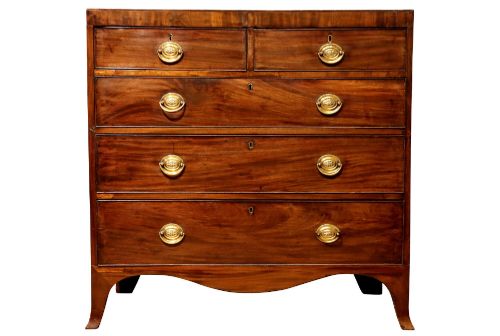
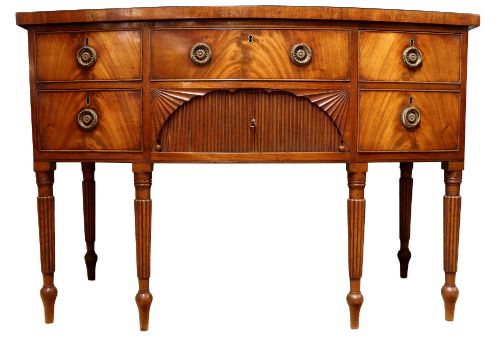
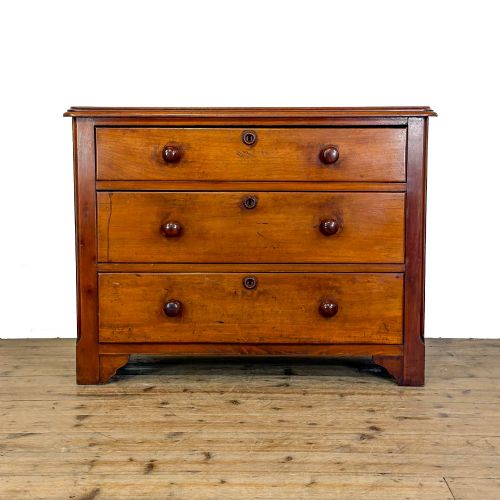
A 19th century mahogany dresser combines deep red tropical timber with sturdy regional cabinetry, spanning Georgian, Regency, and Victorian eras. These pieces range from towering Welsh dressers featuring open plate racks to low dresser bases and tall chests of drawers.
Buyers frequently encounter dual-timber constructions where oak or pine carcasses are faced with mahogany veneers or paired with contrasting secondary woods. Pieces originating from Wales or Anglesey often integrate rich boxwood stringing and crossbanding alongside local hardwoods.
The layout typically unites deep lower drawers or cupboards with upper open shelving designed to display china and pewter. Compact Regency examples and large Victorian dog kennel formats demonstrate the immense functional variety found within this category.
Materials and construction
Cabinet makers built these pieces using dense mahogany boards supplemented by structural pine and oak internals. Exterior surfaces frequently display rich grain patterns enhanced by fine boxwood stringing and decorative crossbanding.
Hardware such as brass handles and escutcheons punctuate the polished timber fronts while hand-cut dovetails secure the drawer carcases. Regional workshops employed traditional joinery techniques that allowed solid wood structures to accommodate seasonal timber movement.
Retail Price Guide 2026
Typical UK retail prices for 19th century mahogany dresser, calculated from the Sellingantiques database of over a million retail prices indexed since 2003. This retail price guide relies exclusively on Sellingantiques data; no external sources or auction records are used, so the figures do not describe the wider market.
The recorded inventory unites Victorian, Regency, and nineteenth-century periods utilising mahogany, oak, pine, and brass across diverse drawer and dresser formats.
Judging quality
Superior examples separate themselves through the crispness of their inlay work and the harmonious grain selection across drawer fronts. Finer pieces retain their original brass hardware, unwarped shelving racks, and sound structural joinery without heavy timber replacement.
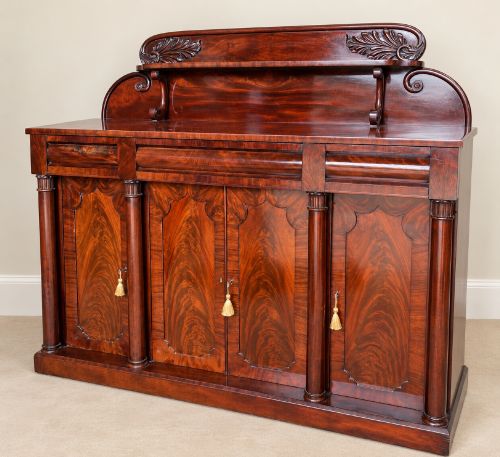
The distinction between a utilitarian local base and a grand formal sideboard lies in the depth of the mahogany selection and the refinement of the secondary woods like oak and pine used out of sight.
The 19th Century Mahogany Dresser Glossary
- Welsh dresser
- A traditional combination of lower storage cupboards or drawers surmounted by open plate racks. These regional pieces traditionally served both food preparation and display functions in domestic kitchens.
- Dresser base
- The lower section of a dresser comprising drawers and cupboards without the upper plate rack. These sturdy items function effectively as sideboards in contemporary dining spaces.
- Crossbanding
- A decorative border of veneer laid around the perimeter of a drawer front or tabletop so that the grain runs at right angles to the central panel. This technique frames the primary mahogany timber.
- Stringing
- Thin inlaid lines of contrasting light wood such as boxwood embedded into darker mahogany surfaces. It provides delicate geometric definition to drawer fronts and tabletops.
- Dog kennel
- A central recessed open space positioned between lower cupboard doors on specific sideboard and dresser formats. Originally designed to house working dogs, it creates a distinct architectural break in the base.
Frequently Asked Questions
How do I care for mahogany?
Maintain nineteenth-century mahogany surfaces by dusting regularly with a dry cloth and avoiding direct sunlight. Excessive heat and moisture will damage the polished timber and delicate veneer.
Apply a traditional beeswax sparingly to nourish the wood grain without building up heavy chemical layers. Proper room humidity prevents the solid timber and secondary woods from splitting.
Are these dressers modular?
Nineteenth-century dressers with plate racks generally separate into an upper shelving unit and a lower base carcase for transport. This two-part construction made movement through narrow historic doorways much easier.
Buyers should check how the upper rack secures to the base to ensure stability when positioned against a wall in a modern home.
What distinguishes Regency from Victorian?
Regency pieces emphasise clean classical proportions, restrained brass mounts, and smooth mahogany surfaces reflecting early nineteenth-century design tastes. They tend to prioritize neat, practical forms.
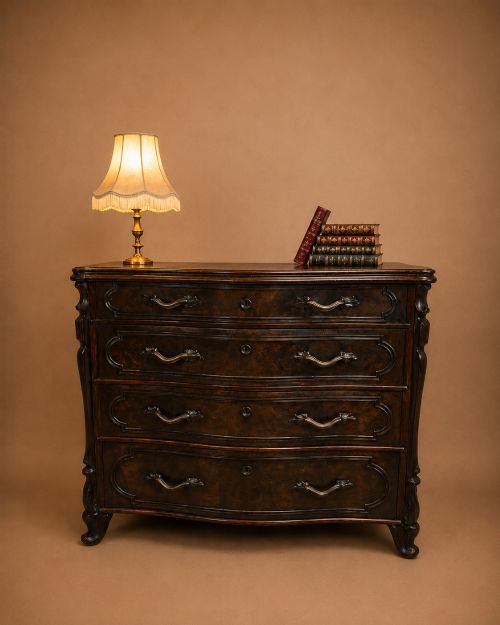
Victorian iterations often present heavier proportions, deeper colour tones, and more robust architectural details across larger chests of drawers and dog kennel bases.