



William IV Mahogany Chest
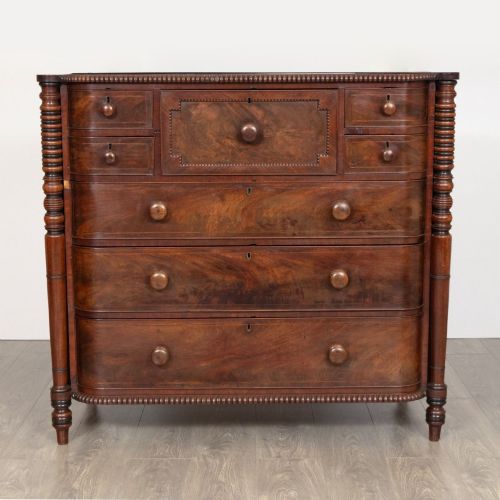
A william iv mahogany chest brings solid timber, rich grain, and architectural presence to a room.
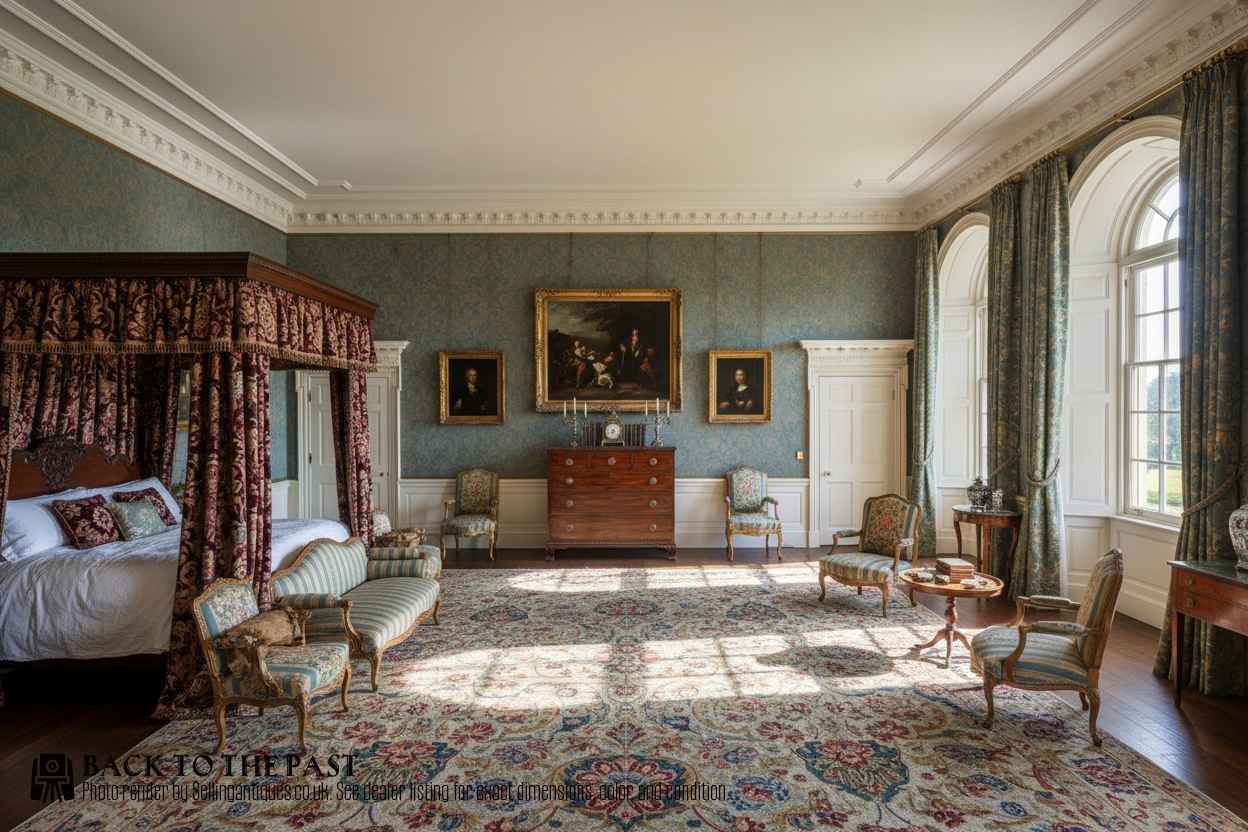
William IV Mahogany Chest
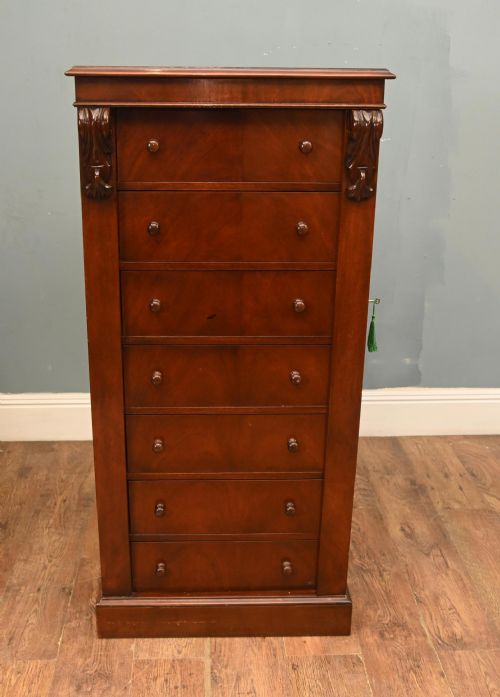
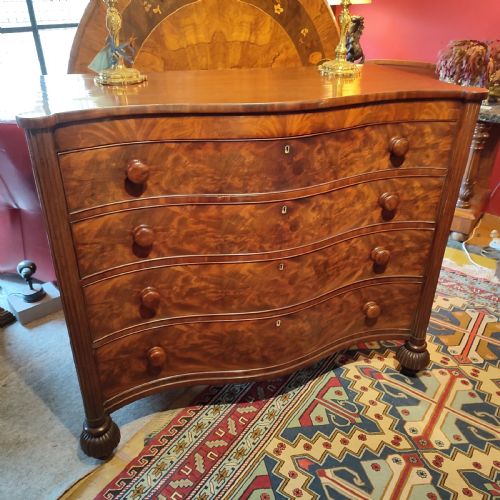
A william iv mahogany chest is a substantial storage piece built during the early nineteenth century, combining architectural gravity with practical drawer space. These items appear most frequently as standard horizontal chests, deep Wellington chests with side locking bars, and bow-fronted or serpentine variations.
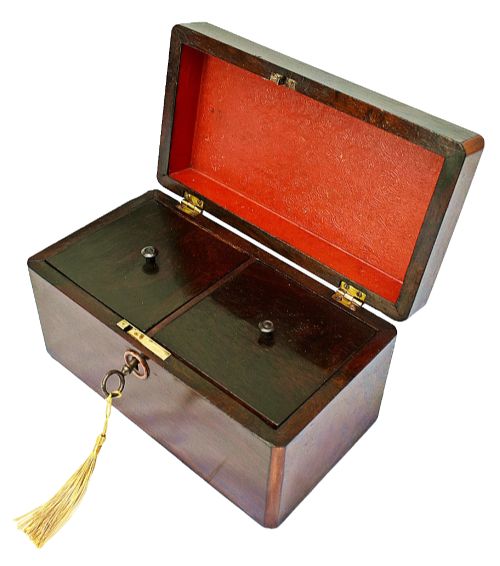
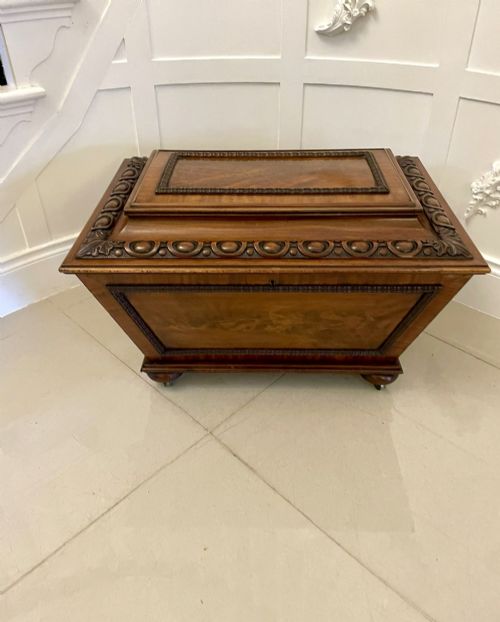
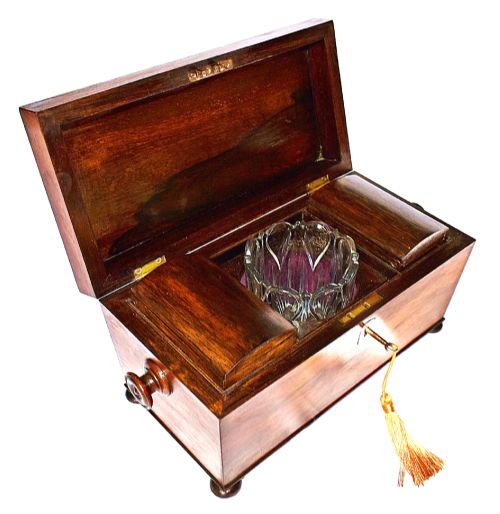
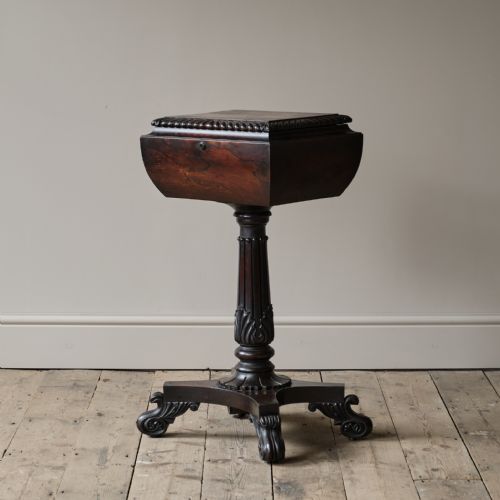
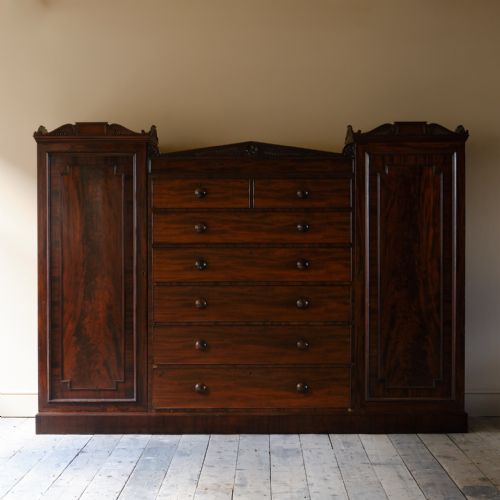
The historical record for this phrase extends beyond simple drawers to include smaller companion forms such as compactum wardrobes, cellarettes, and sarcophagus-shaped teapoys. Makers of the period utilised dense native and imported timbers, shaping them with restrained classical proportions.
Buyers seeking this phrase encounter pieces ranging from plain functional bedroom furniture to highly figured showpieces with carved details and brass mounts. The selection on this page captures the full breadth of domestic storage from the 1830s.
How they were made
Cabinet makers of the era relied on solid timber carcases faced with carefully chosen veneers to achieve striking visual patterns. Flame mahogany and fiddle-back varieties provided deep, undulating grain figures that were laid out symmetrically across the drawer fronts.
Construction techniques prioritized heavy framing, sturdy drawer linings of secondary woods, and robust dovetail joints that have survived centuries of daily use. Brass hardware, turned feet, and carved corbels or pillars completed the structural vocabulary.
William IV Mahogany Chest Retail Price Guide 2026
Typical asking prices for william iv mahogany chest among the pieces listed under this phrase on Sellingantiques today, from the lower quarter to the upper quarter. They describe what is for sale here now, not the wider market.
Listings feature mahogany, brass, and flame mahogany veneer across nineteenth century forms including chests, teapoys, and cellarettes.
What varies in quality
Quality rests primarily in the selection of the timber veneers and the crispness of the secondary carving. Pieces featuring highly figured flame mahogany or matched grain across multiple drawers command greater attention than plain stock.
Proportion and structural integrity also separate standard workshop output from exceptional cabinet work. Refined mouldings, integrated locking mechanisms, and untouched original brass fixtures distinguish the finer examples.
C Hindley·Strahan·Charles William Schofield·William John Burchall·Gillows
The William IV Mahogany Chest Glossary
- Flame mahogany
- A veneer cut from the branch forks of the mahogany tree, creating a distinctive flame-like pattern. This figured wood was prized for grand front facades.
- Teapoy
- A small decorative box on a pedestal or feet, designed originally to hold tea caddies and blending bowls. Examples from this era often echo sarcophagus forms.
- Cellarette
- A freestanding container used for cooling and storing wine bottles near the dining table. Many take the architectural shape of miniature sarcophagi.
- Compactum
- A large fitted wardrobe combining hanging space, linen slides, and internal drawers. It offers comprehensive clothes storage within a single architectural carcass.
William IV Mahogany Chest: Frequently Asked Questions
How do I spot a true period piece?
Examine the drawer construction for hand-cut dovetails and inspect the secondary timbers used inside the carcase. Period pieces display ageing consistent with the early nineteenth century rather than machine tooling.
Look closely at the finish and the timber movement around the drawer runners. Genuine examples show honest wear and construction methods native to the 1830s.
What is a Wellington chest?
A Wellington chest is a tall, narrow set of drawers featuring a locking stile on one side that fastens all drawers simultaneously. This design originated to keep valuable documents secure.
These pieces save floor space while offering surprisingly deep storage across multiple tiers. Their vertical stance makes them distinct from standard wide chests.
How should I care for flame mahogany?
Keep mahogany furniture away from direct sunlight and sudden temperature shifts to prevent the veneer from lifting. Polish the surface gently with traditional beeswax to maintain the grain depth.
Avoid placing damp items directly onto the polished top. Regular, light dusting preserves the natural lustre of the timber.
Where were these pieces used originally?
Standard chests belonged in the bedroom for linens and garments, while smaller items like teapoys sat in drawing rooms. Cellarettes and wine coolers remained in the dining room for hospitality.
Wealthy households placed these furnishings throughout formal rooms to display status and utility. Their robust construction suited daily domestic service.