


Regency Period Dresser
A regency period dresser offers clean lines and rich timbers, bringing architectural elegance and practical storage to a period home.
Regency Period Dresser
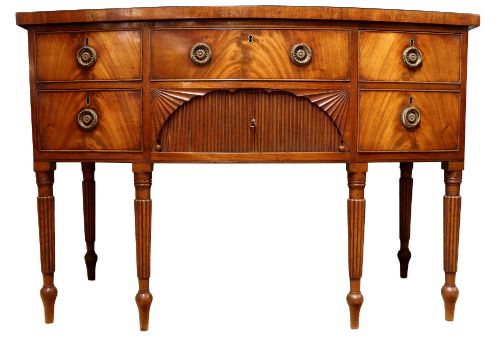
When searching for a regency period dresser, buyers encounter chests of drawers, sideboards, side cabinets, and bookcases spanning the Regency, George IV, and Georgian periods. These pieces serve as functional storage furniture rooted in the early nineteenth century.
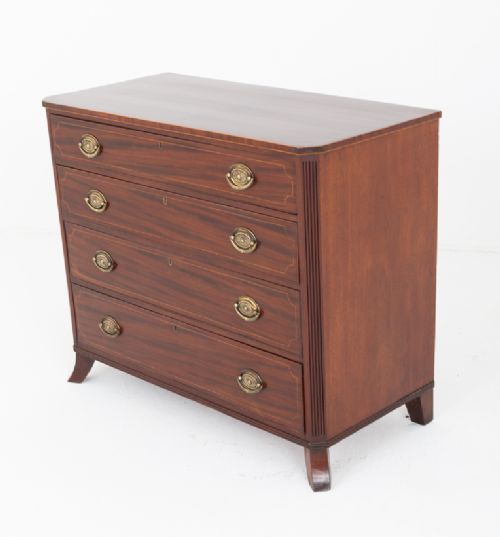
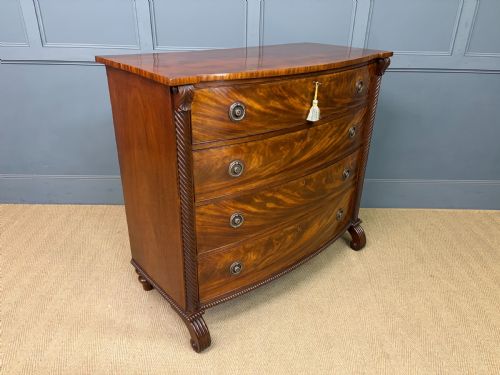
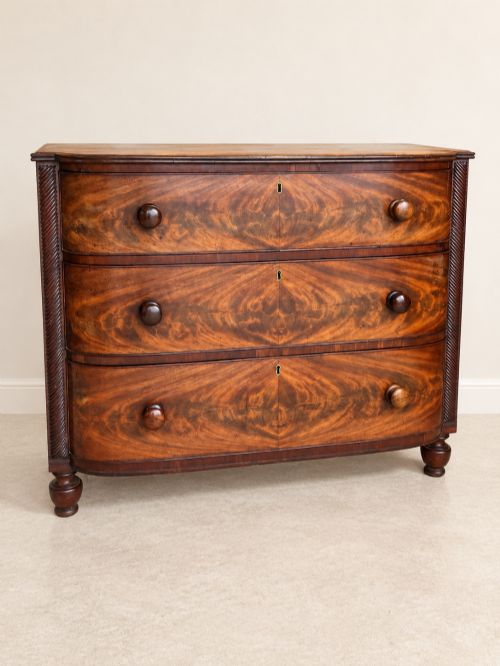
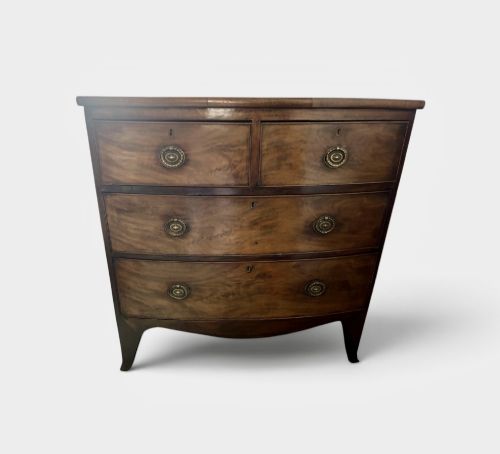
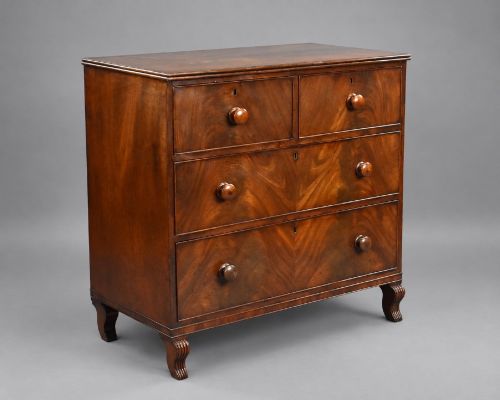
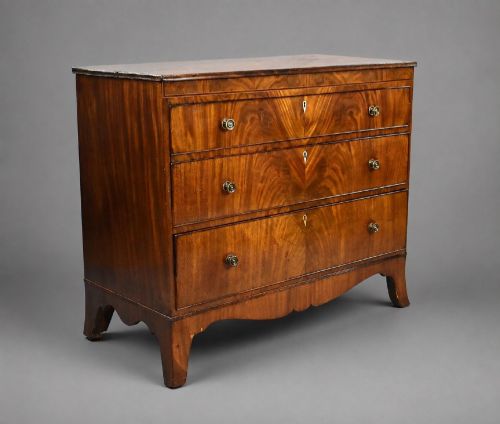
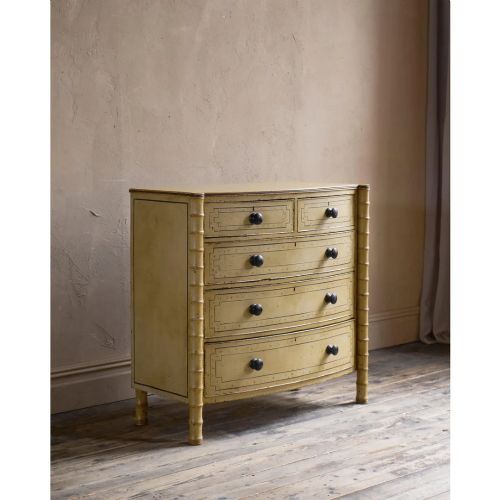
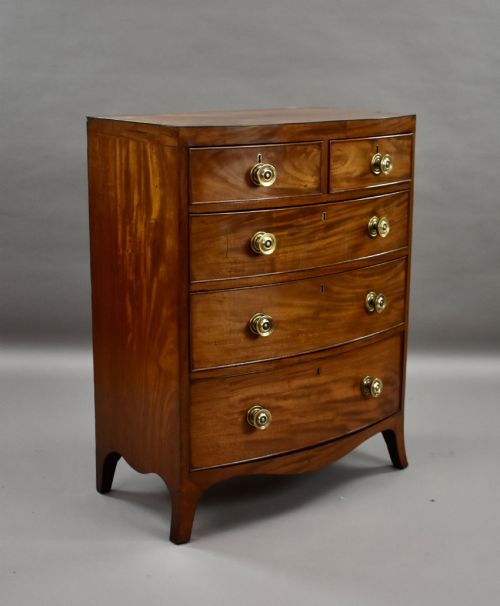
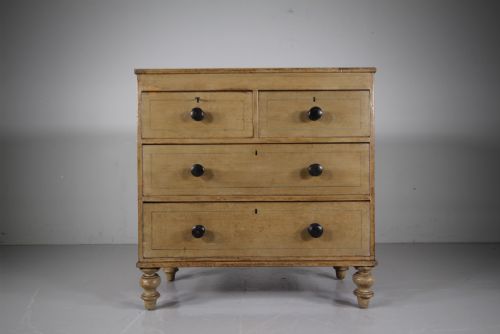
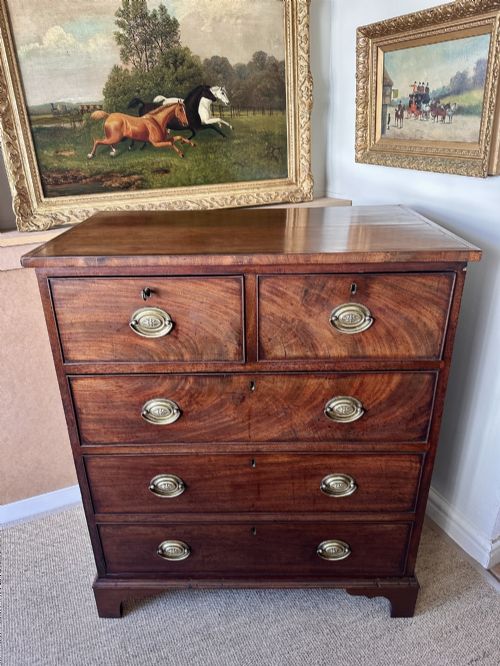
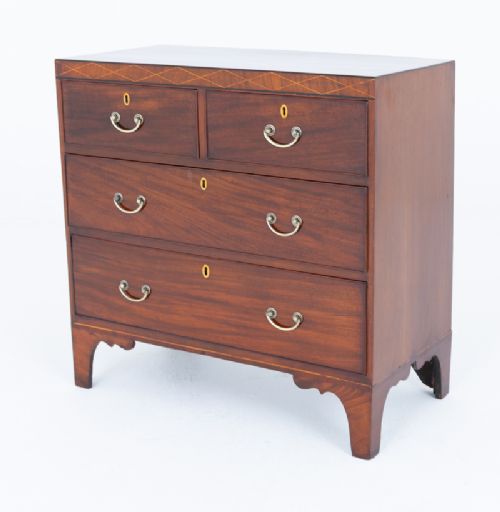
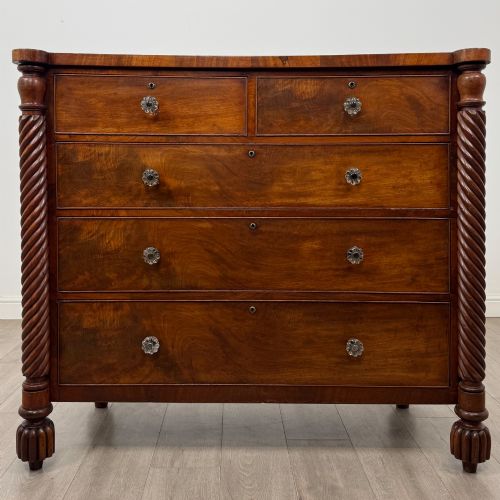
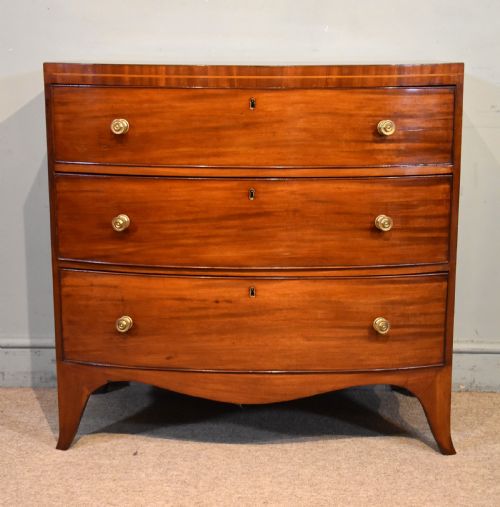
The version most commonly met on this page is the mahogany chest of drawers, often featuring a bow front, flame mahogany veneer, or bracket feet. Alongside these, buyers find side cabinets, bookcases, and chiffoniers constructed from mahogany, oak, pine, and ebonised wood.
Materials and construction methods
Makers utilised solid mahogany and flame mahogany veneer applied over secondary woods such as oak and pine, pairing rich dark timbers with brass inlays and working keys. These tactile surfaces define the physical presence of the furniture.
Joinery relied on traditional techniques suited to the period, accommodating bow front profiles, bracket feet, and structured breakfront bookcase forms. Structural timbers inside drawers typically remained oak or pine.
Regency Period Dresser Retail Price Guide 2026
Typical asking prices for regency period dresser among the pieces listed under this phrase on Sellingantiques today, from the lower quarter to the upper quarter. They describe what is for sale here now, not the wider market.
Objects span chests of drawers, side cabinets, bookcases, and sideboards across Regency, Georgian, and Victorian eras.
Qualities that set pieces apart
The visual depth of the timber grain separates finer examples from standard ones, particularly where figured or flame mahogany veneer is chosen for the drawer fronts. Subtle details such as neat proportions, brass inlay, and original bracket feet elevate the status of a piece.
Proportion and execution dictate distinction within the range, from narrow or small formats to large proportion breakfronts. Superior cabinet work shows in the crispness of the bow front curves and the integrity of the secondary woods.
The Regency Period Dresser Glossary
- Bow front
- A convex curved cabinet front that projects outward from the centre. This shape became popular during the Regency period.
- Flame mahogany
- A veneer cut from timber where the grain resembles flickering flames. It creates a highly figured pattern on drawer fronts.
- Bracket foot
- A furniture foot shaped like a bracket, mitred at the corner. It supports chests of drawers and cabinets from the Georgian and Regency periods.
- Breakfront
- A large cabinet or bookcase where the central section projects forward from the flanking wings. This architectural form creates depth and visual balance.
Regency Period Dresser: Frequently Asked Questions
What is a regency period dresser?
A regency period dresser encompasses storage forms from the early nineteenth century, predominantly appearing as chests of drawers, sideboards, and bookcases.
These pieces reflect the neoclassical tastes of the Regency and George IV eras through clean proportions and rich mahogany timbers.
How were these cabinets used?
Original owners utilised these items for household storage in bedrooms, dining rooms, and parlours.
Chest of drawers stored linens and garments, while sideboards and chiffoniers served dining spaces for serving and displaying tableware.
How do I live with one?
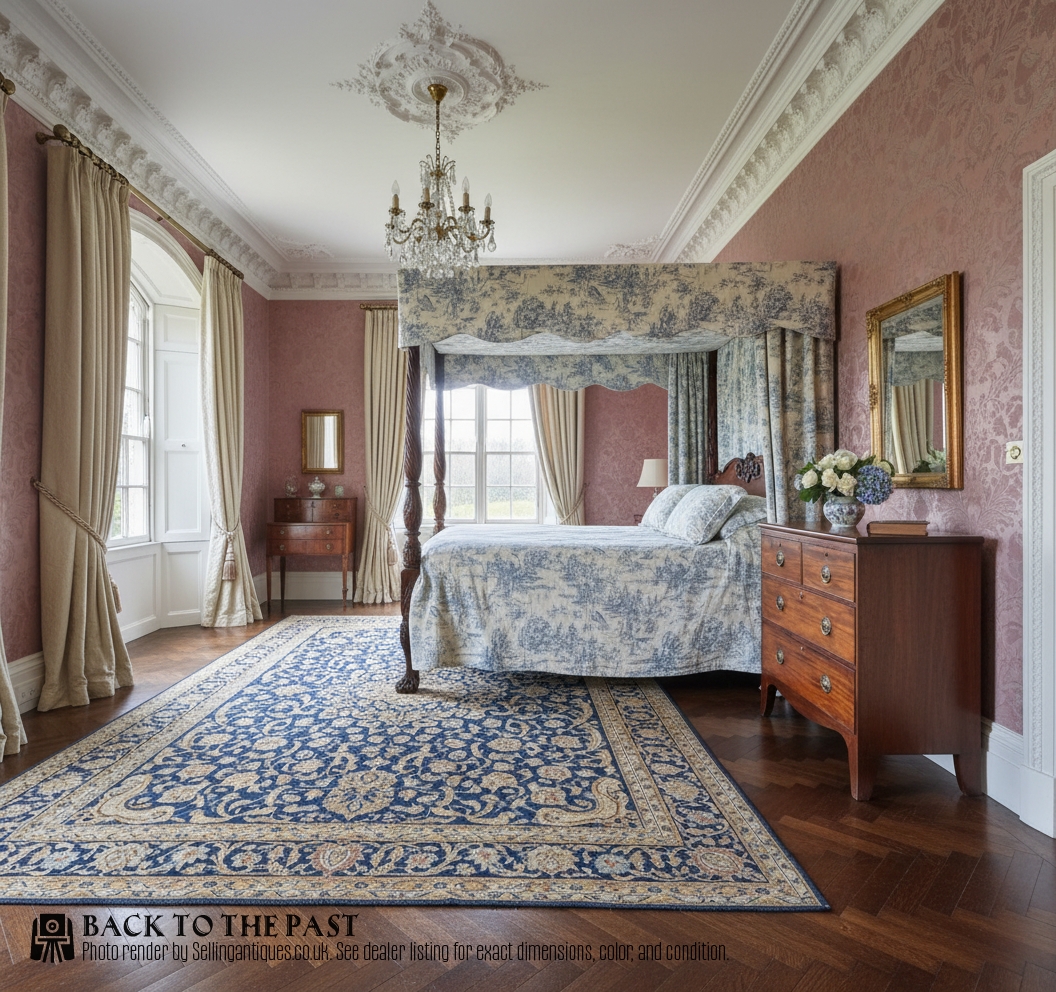
Living with these pieces involves placing them in sitting rooms or hallways where their timber grain and brass details complement interior light.
Maintenance requires simple dusting with a dry cloth and keeping them away from direct heat sources to protect the veneers.
How do I tell periods apart?
Distinguishing periods relies on observing shifts in proportion, timber choice, and decorative motifs between Georgian and Regency styles.
Regency pieces often incorporate bolder veneers like flame mahogany, alongside brass inlay and ebonised finishes not typical of earlier decades.