


Brown Wood Bedroom Dresser
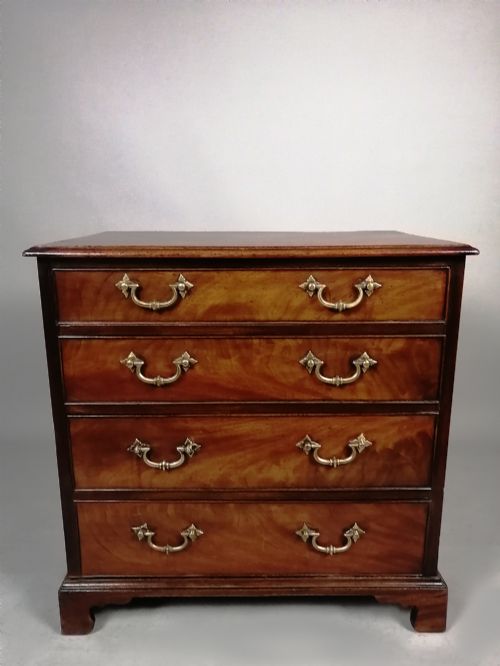
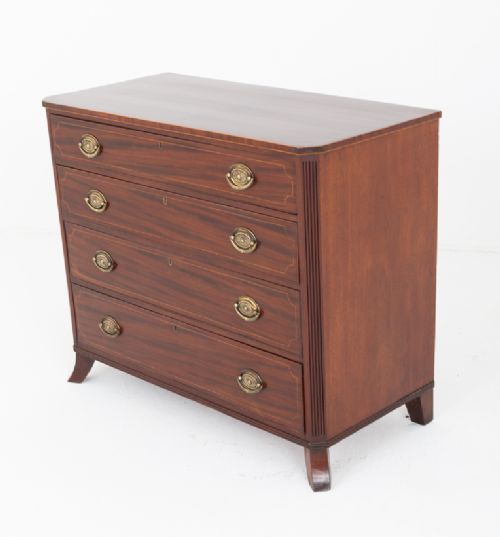
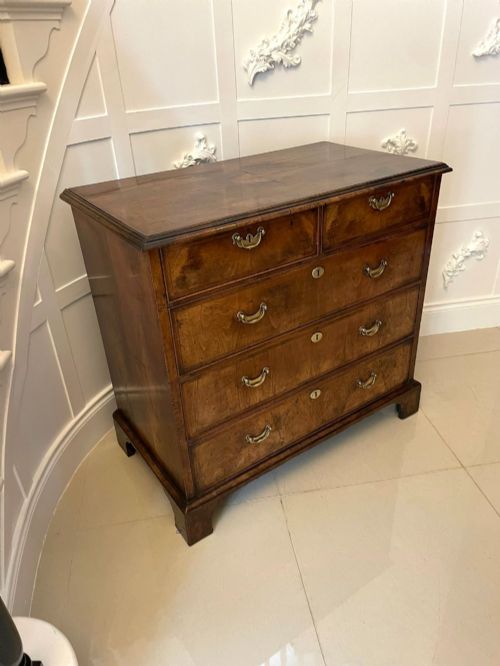
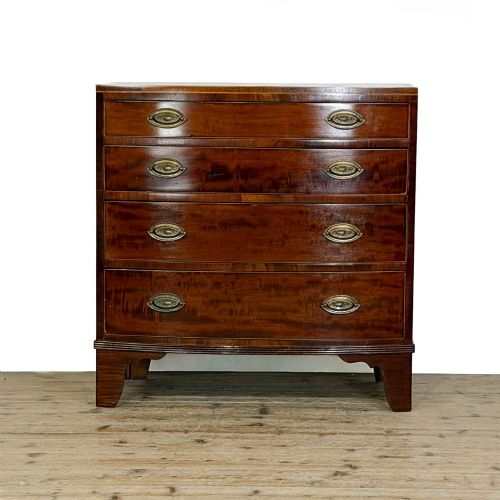
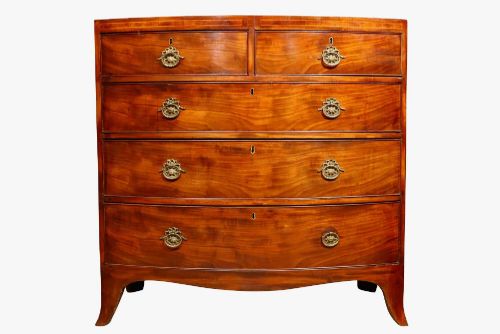
A brown wood bedroom dresser is a sturdy storage piece, most commonly found here as a mahogany or oak chest of drawers from the Georgian and Victorian periods.
Brown Wood Bedroom Dresser
When you search for a brown wood bedroom dresser, you find practical storage furniture designed for domestic quarters, primarily taking the form of chests of drawers. The pieces available span several centuries, with particular emphasis on Georgian, Regency, and Victorian iterations.
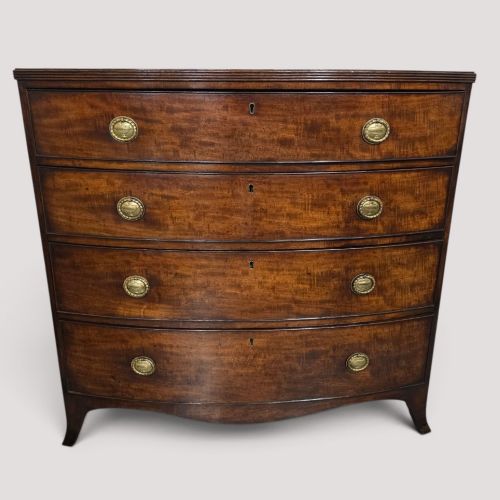
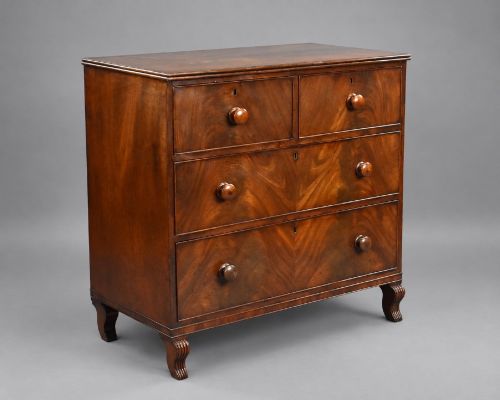
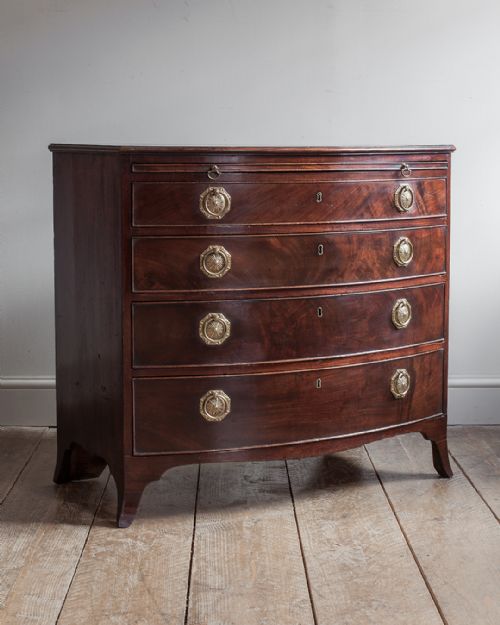
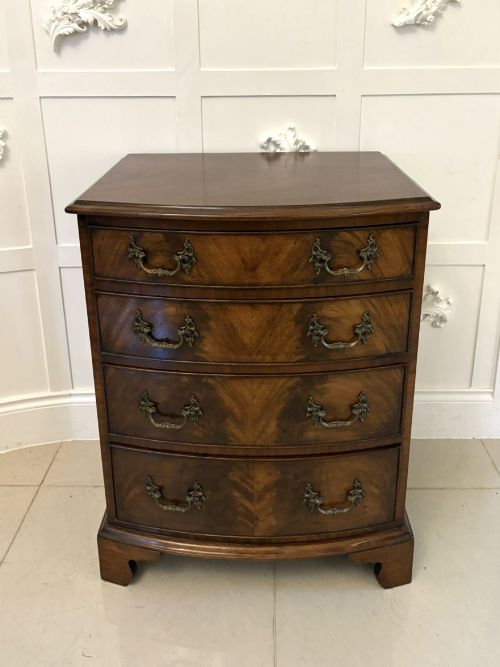
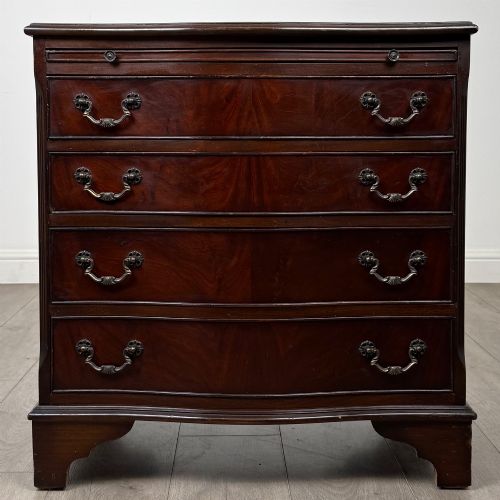
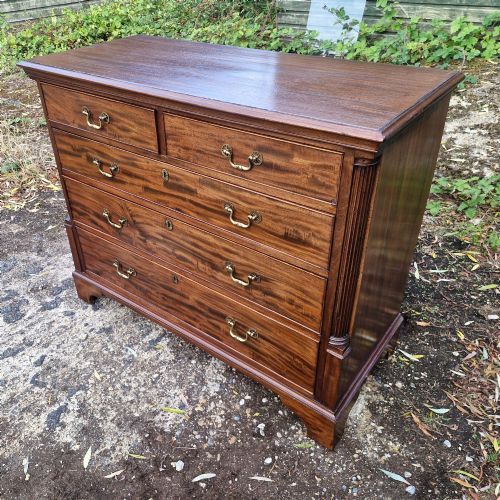
The most common version you meet on this page is constructed from mahogany, often featuring a rectangular or bow front silhouette with multiple drawer tiers. These items range from compact proportions suitable for smaller rooms to substantial pieces designed for grander chambers.
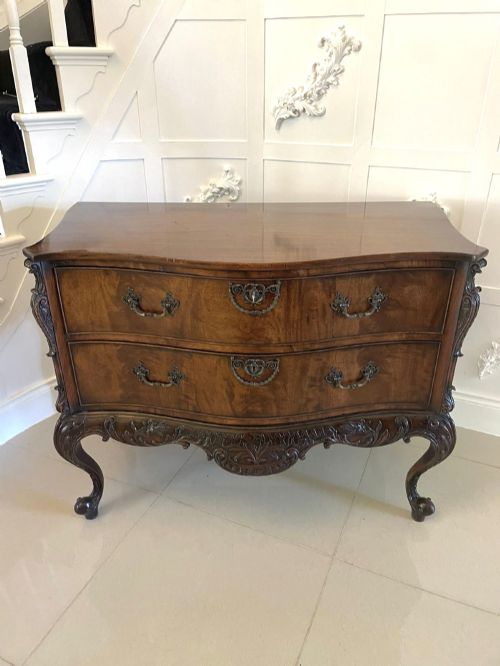
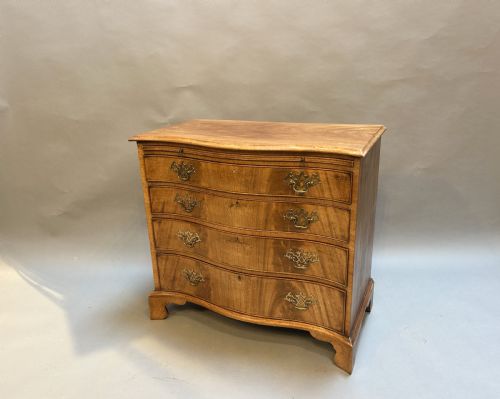
Makers across the eighteenth and nineteenth centuries applied various regional designs, including Welsh interpretations and serpentine outlines. Oak and walnut also appear alongside the dominant mahogany, representing a rich tradition of British cabinetry.
Materials and construction methods
Cabinetmakers utilised solid timbers and selected veneers, with Cuban and flame mahogany favoured for their rich grain patterns and deep warm tones. Oak and pine frequently served as secondary woods for drawer linings and internal framing, ensuring structural stability.
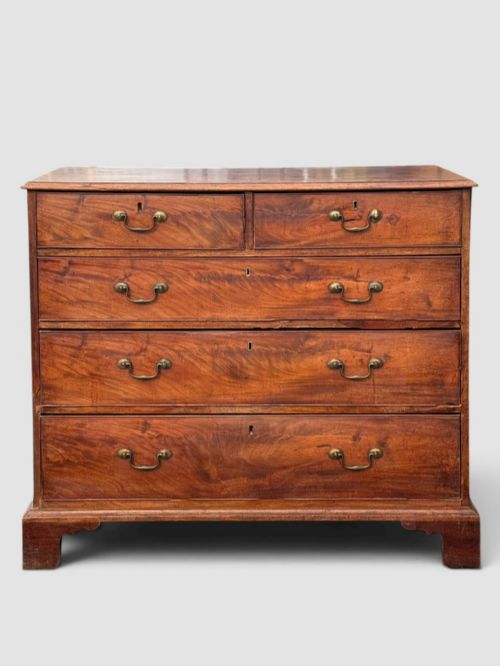
Joinery techniques relied on hand-cut dovetails for drawer construction and sturdy mortise and tenon frames. Brass hardware, including drop handles and backplates, was fitted to the drawer fronts, alongside functional locks on many period examples.
Some regional chests hide secret drawers tucked away beneath the top moulding.
Distinctions in craftsmanship
The standard of a brown wood bedroom dresser depends heavily on the selection of timber, where matched flame mahogany veneer or heavily figured walnut elevates the visual impact. Superior examples display meticulous attention to grain alignment across the drawer tiers and cabinet facade.
Construction details distinguish the finest work, such as finely cut dovetailing, smooth drawer operation, and retention of original brass handles and locks. The crispness of moulded edges and the integrity of the secondary woods further separate everyday utilitarian items from exceptional cabinetmaking.
The Brown Wood Bedroom Dresser Glossary
- Bow front
- A cabinet front that curves outward in a convex shape. This stylistic choice softens the heavy geometry of a bedroom chest and highlights figured timber.
- Serpentine
- A front outline that curves inward centrally and outward at the sides. This flowing shape demands advanced woodworking skill from the maker.
- Flame mahogany
- A veneer cut from the branch junction of the mahogany tree, displaying a flickering pattern. It was prized for decorative drawer fronts.
- Dovetail
- An interlocking joint formed by wedge-shaped fingers, used to join drawer corners. Hand-cut versions indicate traditional period manufacture.
- Secondary wood
- A structural timber used for unseen parts like drawer linings and carcase backs, such as oak or pine.
Brown Wood Bedroom Dresser: Frequently Asked Questions
What periods do these dressers cover?
The selection spans from the seventeenth century through to the Edwardian era and early twentieth century. Georgian, Regency, and Victorian pieces form the core of the available inventory.
Each period brings distinct stylistic traits, from the restrained elegance of early Georgian designs to the bolder proportions of the Victorian era.
Which woods are most common?
Mahogany is the predominant timber found in these listings, appearing in solid form and as decorative flame veneer. Walnut and oak also feature prominently across various eras.
Secondary timbers like pine and oak support the internal structure and drawer construction of these pieces.
Were these pieces used in bedrooms?
These chests of drawers served primarily for storing clothing and linens in domestic chambers. Their multiple drawer configurations accommodated various garments.
Today, they function similarly in modern bedrooms, bringing historical character and practical surface space to the room.