


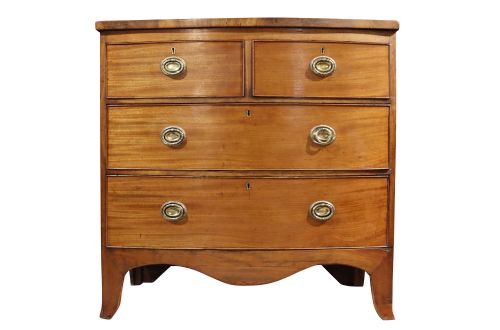


Small Regency Chest Drawers
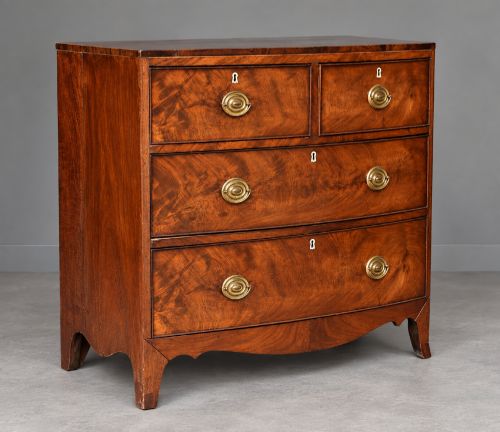
When searching for a small regency chest drawers, collectors encounter compact timber storage pieces dating principally from the early nineteenth century.
Small Regency Chest Drawers
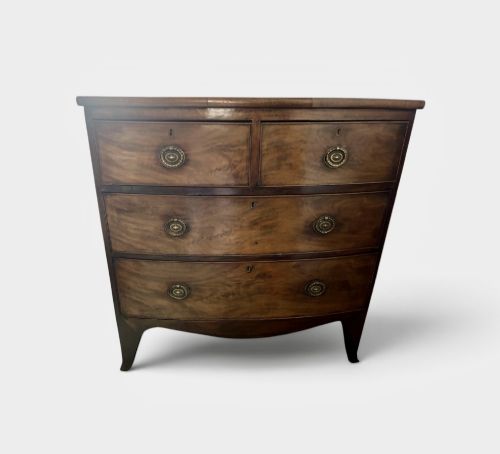
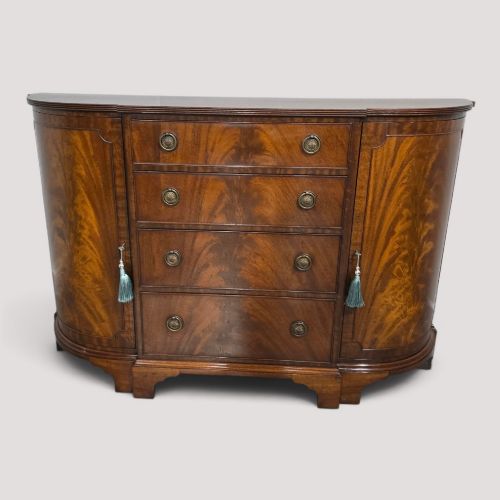
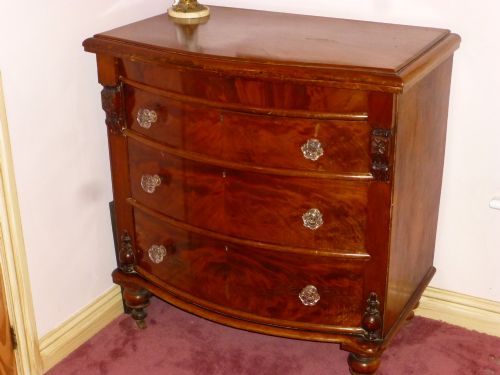
A small regency chest drawers brings domestic storage into compact dimensions, featuring prominently in period bedrooms and dressing rooms. Buyers searching for this phrase frequently encounter bowfront designs, straight-fronted carcases, and miniature proportions intended for tabletop or bedside placement.
The material selection ranges from native hardwoods like oak and elm to imported figured timbers such as mahogany and rosewood. Cabinetmakers utilised secondary woods like pine for drawer linings while reserving decorative veneers for primary visible surfaces.
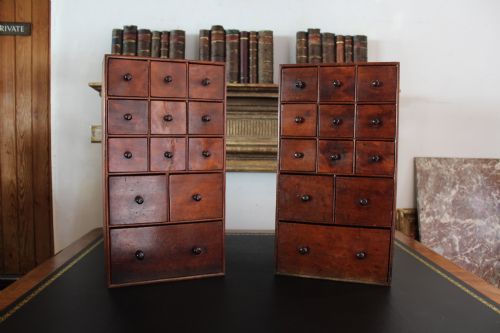
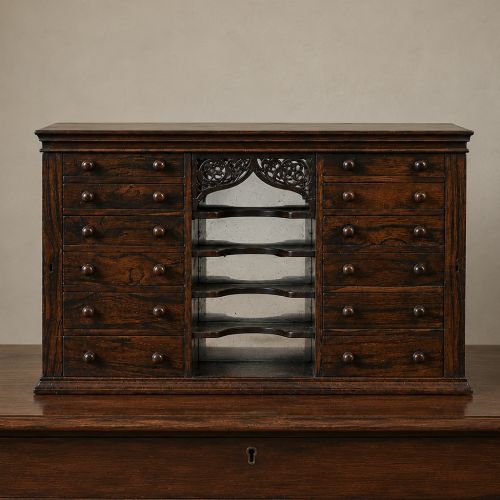
Beyond standard drawer configurations, variations include bachelor chests with folding writing surfaces, secretaire variants, and specialised collectors cabinets. These pieces reflect the functional demands of Georgian and Regency interiors where scale remained subordinate to proportion.
Materials and construction methods
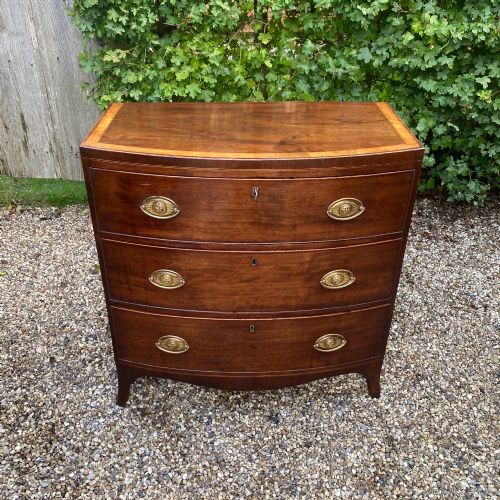
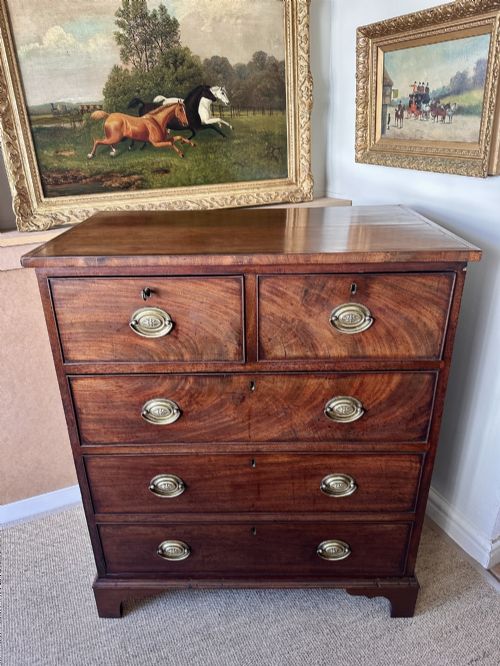
Cabinetmakers constructed carcases using solid mahogany, oak, or walnut, often applying flame or figured mahogany veneers to drawer fronts to create optical movement. Contrasting stringing lines in satinwood, boxwood, or ebony frequently define the edges of drawer fascias and tabletops.
Drawer construction relies upon hand-cut dovetail joints securing sides to fronts and backs, paired with oak or pine secondary timber for internal framing. Brass hardware, ranging from simple ring handles to ornate backplates, secures the drawer fronts alongside working iron locks.
Some miniature chests hide tiny secret compartments behind movable pilasters.
Distinctions in craftsmanship and preservation
Quality separates ordinary utility pieces from masterwork furniture through the selection of timber veneers and the precision of the cabinetwork. Grain matching across successive drawer fronts and the fineness of hand-cut dovetails indicate higher workshop standards.
Original surface finishes, minimal timber replacement, and retaining period brass handles elevate a piece significantly above examples suffering heavy restoration or replaced secondary elements.
The Small Regency Chest Drawers Glossary
- Bowfront
- A curved convex front profile popular during the Georgian and Regency periods. This shape softens the room's geometry while maximising internal drawer depth.
- Dovetail
- A traditional interlocking woodworking joint used to join drawer corners. Hand-cut variations feature thin, precise pins indicative of early nineteenth-century craftsmanship.
- Secretaire
- A cabinet incorporating a fitted writing drawer with a drop-front fall. It often conceals pigeonholes and small accessory drawers behind the primary fascia.
- Caddy top
- A tabletop style featuring a raised, moulded edge resembling the lid of a tea caddy. This detail frequently appears on early nineteenth-century case furniture.
- Wellington chest
- A tall, narrow chest of drawers secured by a hinged vertical locking sidebar on one side. This mechanism engages with the edge of every drawer simultaneously.
Small Regency Chest Drawers: Frequently Asked Questions
Where were small regency chest drawers placed?
These compact pieces served primarily in bedrooms, dressing rooms, and intimate sitting spaces where floor area remained limited. Their modest scale allowed them to function effectively as bedside tables or desktop storage.
Cabinetmakers designed them to hold personal linens, documents, or accessories while maintaining the symmetrical elegance expected in period interiors.
How do I identify a genuine period piece?
Examine the internal construction methods, particularly the dovetails securing the drawer boxes and the choice of secondary timber used inside. Period examples exhibit hand-cut joints, subtle tool marks, and appropriate ageing on oak or pine linings.
Look for consistent wood shrinkage, hand-applied wax finishes, and hardware fixing methods that align with nineteenth-century workshop practices rather than modern mass production.
What is the difference between a standard chest and a miniature?
Miniature chests, sometimes referred to as apprentice pieces or collector cabinets, feature significantly reduced proportions built with full-sized cabinetmaking techniques. They sat upon tabletops or large pieces of furniture rather than standing directly on the floor.
Standard chests retained floor-standing proportions while still honouring the small scale demanded by specific room layouts during the Regency era.
How should I care for antique mahogany surfaces?
Maintain the timber by applying natural beeswax sparingly and buffing with a soft bristle brush to preserve the historical patina. Avoid placing antique furniture near direct heat sources or in areas subject to fluctuating humidity.
Protect the polished surface from moisture and direct sunlight to prevent the timber veneers from drying, cracking, or fading over extended periods.