
Antique Clothes Drawers
These antique clothes drawers range from Georgian chests to Edwardian wardrobes, offering practical storage fashioned from mahogany, oak, and pine.
Antique Clothes Drawers
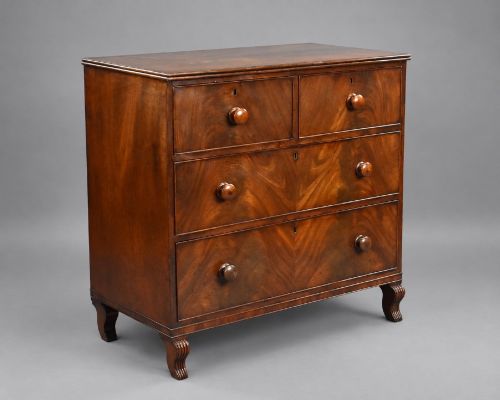
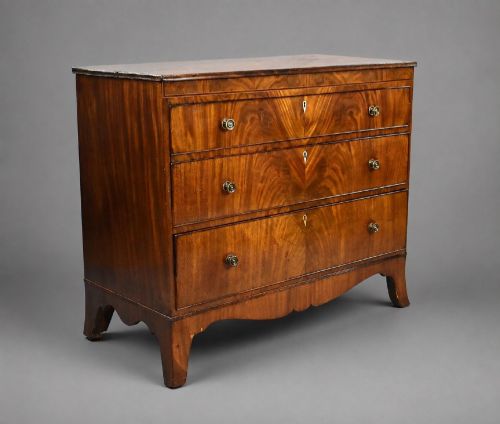
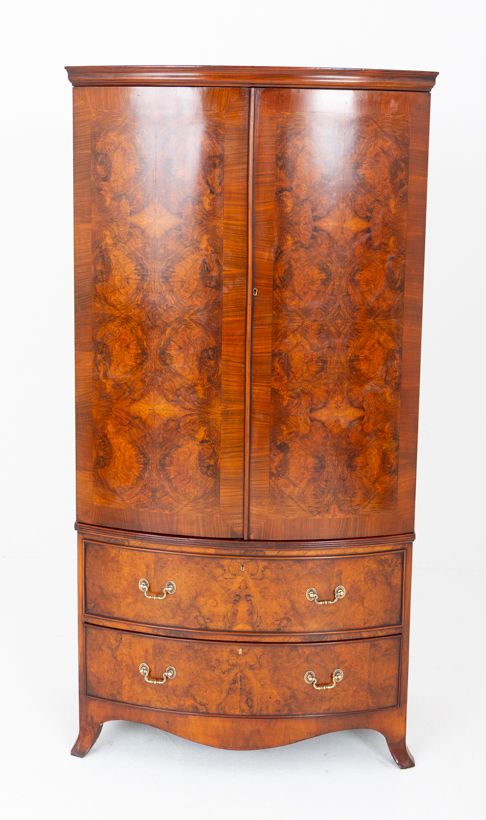
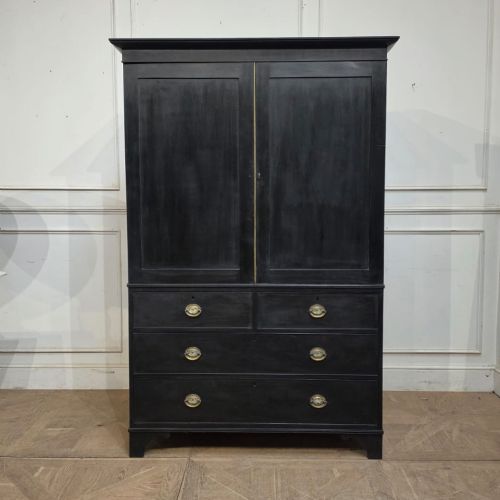
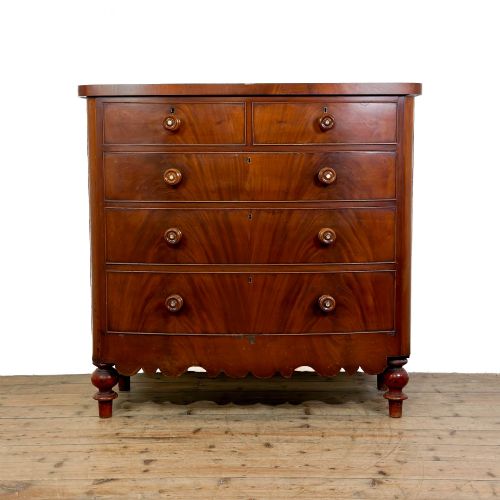
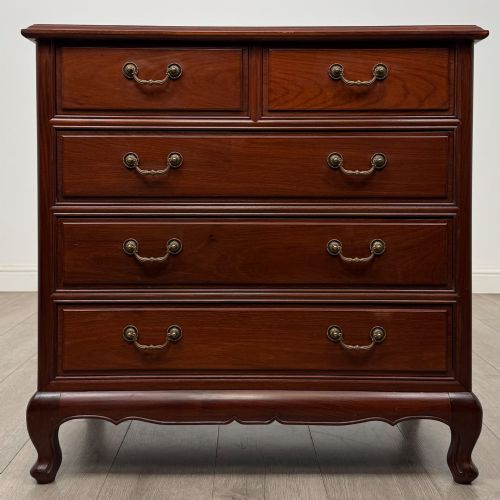
When you search for antique clothes drawers, you encounter a variety of storage furniture including chests of drawers, wardrobes, linen presses, and tallboys. The listings here span multiple periods from the 18th century through to the 1930s, encompassing Georgian, Victorian, Edwardian, and Regency styles.
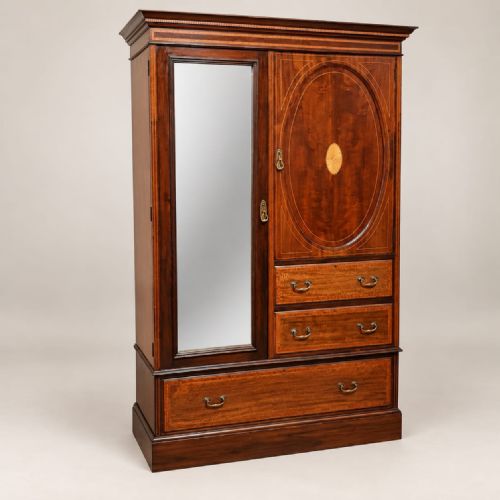
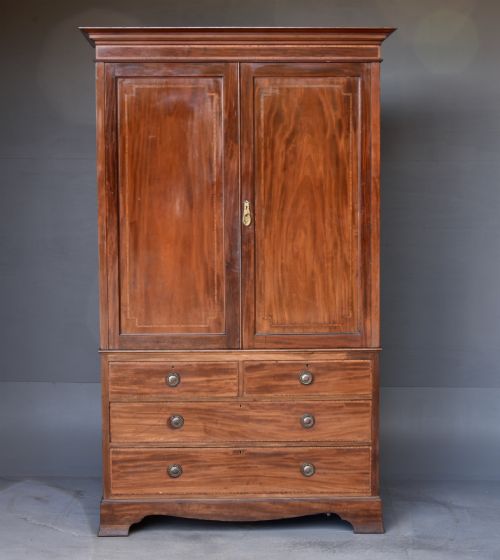
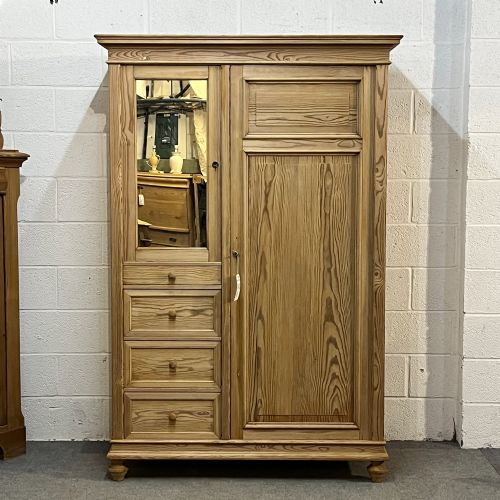
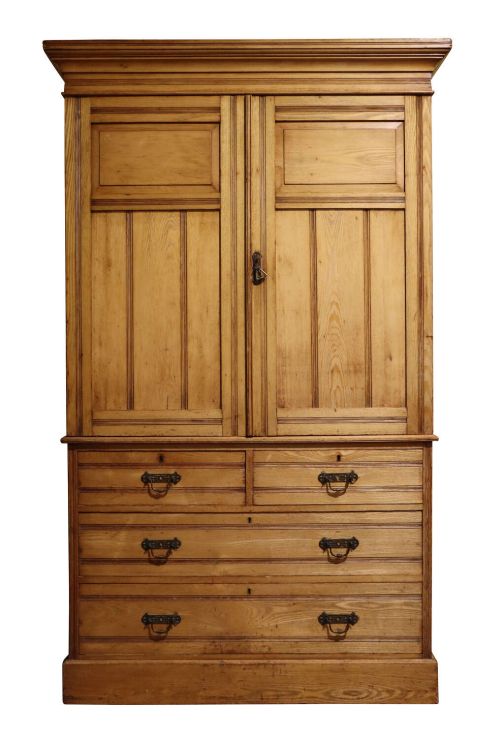
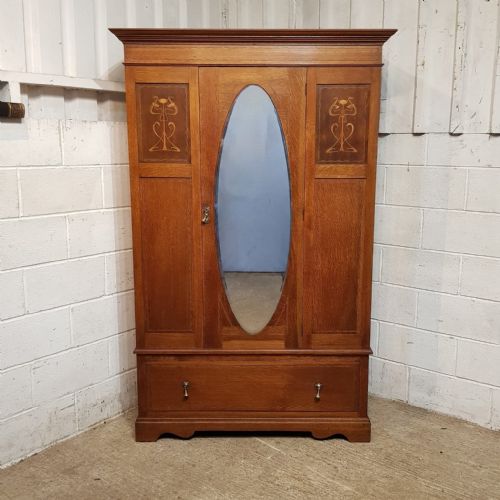
The version you are most likely to meet on this page is a mahogany or pine wardrobe with integrated drawers, or a traditional chest of drawers. Pieces take forms such as compactum wardrobes, linen press cupboards, and small cottage wardrobes originating from various periods including the 19th century and 1930s.
How they were made
Construction relies heavily on timbers such as mahogany, pine, and oak, occasionally complemented by satinwood, ash, or ebonised finishes. Brass fittings and glass components appear alongside iron and metal hardware on doors and drawers.
Joinery techniques accommodate large items through knockdown designs in pine, whilst decorative elements include blind fretwork cornices, flame mahogany veneers, and painted finishes.
Materials utilised across the furniture include mahogany, pine, oak, satinwood, ash, ebonised wood, and burr walnut.
What varies in quality
The standard of a piece depends on the selection of timber, such as flame mahogany or burr walnut, and the sophistication of its construction. Details like bracket feet, panelled doors, and maker attribution distinguish finer examples from standard utility items.
maples & co·Heals·Harris Lebus·Gillows
The Antique Clothes Drawers Glossary
- Compactum
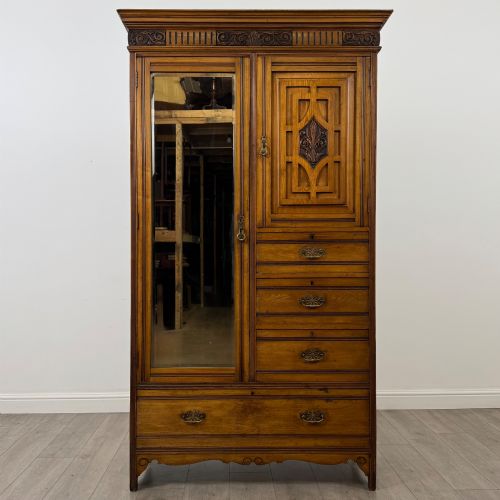
- A wardrobe combining hanging space with multiple internal drawers and compartments. This multifunctional form became popular during the Victorian and Edwardian periods.
- Linen Press
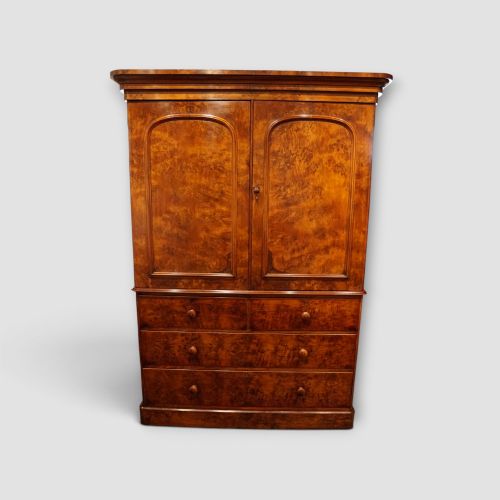
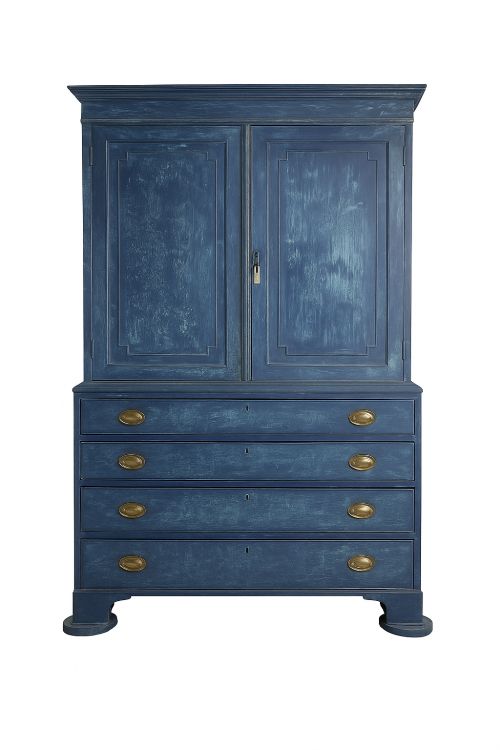
- A tall cupboard featuring upper doors enclosing shelves and lower drawers for storing textiles. Georgian and 19th-century examples frequently incorporate panelled doors.
- Tallboy
- A tall chest of drawers standing on a base or built as a single towering unit. It maximises vertical storage space in bedrooms.
- Blind Fretwork
- Carved ornamental woodwork applied to a flat surface without a pierced background. It appears on the cornices of 19th-century mahogany linen presses.
Antique Clothes Drawers: Frequently Asked Questions
What is a compactum wardrobe?
A compactum is a large wardrobe that integrates hanging space with banks of drawers and smaller cupboards. These pieces provide comprehensive bedroom storage within a single footprint.
They emerged strongly in the 19th and early 20th centuries, often constructed in oak or mahogany by makers such as Harris Lebus.
How do I identify a linen press?
A linen press consists of an upper section with doors opening to shelves, positioned above a base containing horizontal drawers. They were designed for storing folded textiles and garments before fitted wardrobes became common.
Earlier examples date back to the 18th century in oak, while Victorian versions often utilise mahogany and burr walnut.
What does knockdown mean on pine wardrobes?
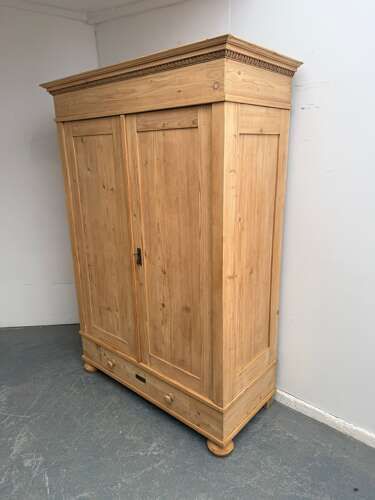
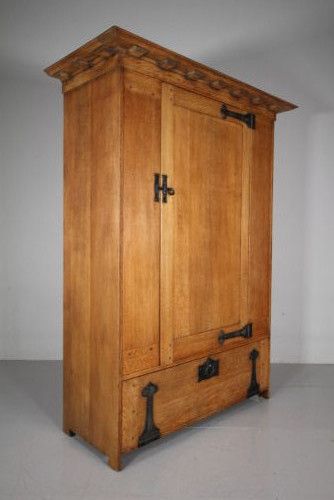
Knockdown wardrobes are built to be dismantled into flat panels and sections using pegs or bolts. This construction allowed large furniture to be moved between rooms or properties easily.
Victorian and Edwardian pine wardrobes frequently utilised this practical method for country houses.
Are these drawers suitable for modern bedrooms?
These chests and wardrobes offer robust storage solutions built from solid timbers like oak, mahogany, and pine. Their varied dimensions suit modern room layouts while retaining period character.
Pieces range from low Georgian cottage wardrobes to tall Victorian chests of drawers.