
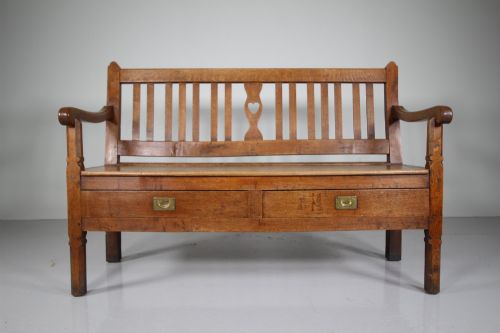
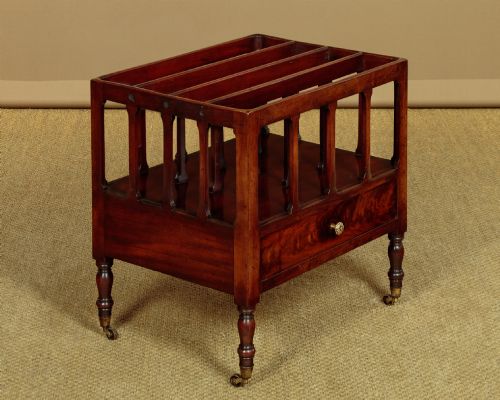
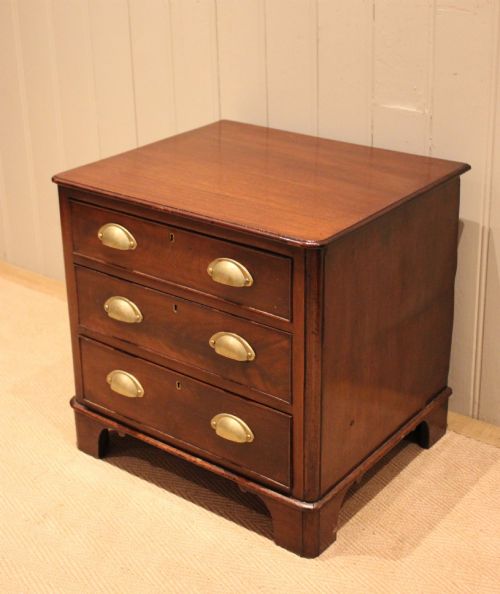
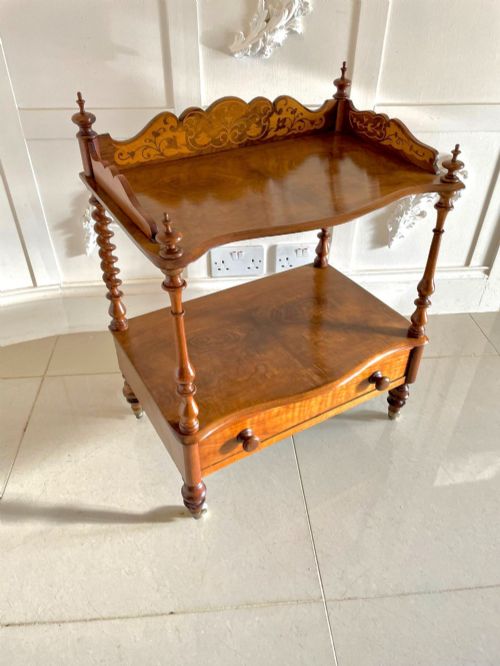

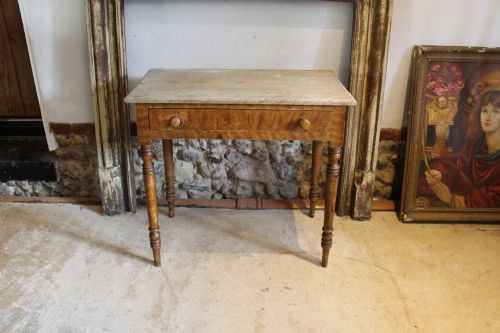


Victorian Wooden Drawers
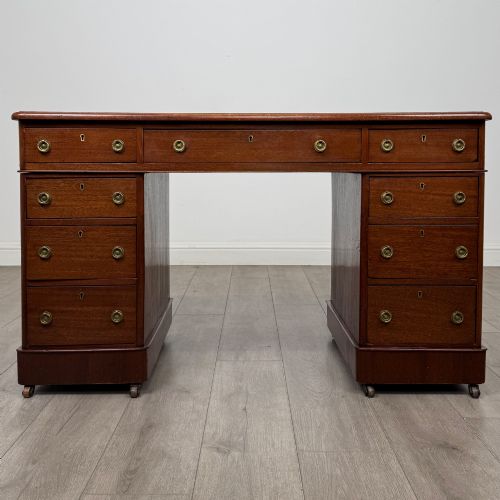
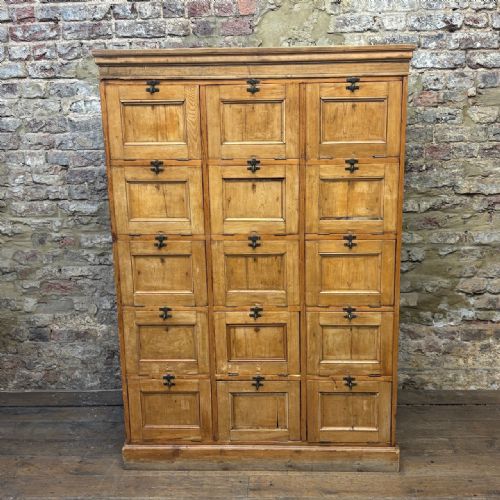
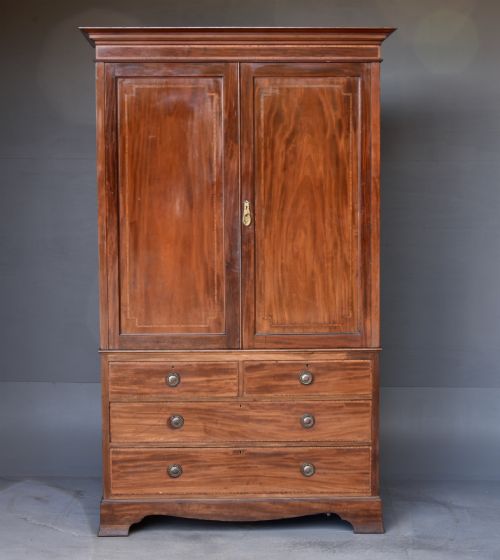
These Victorian wooden drawers combine honest utility with rich timber figures, offering solid storage built to last.
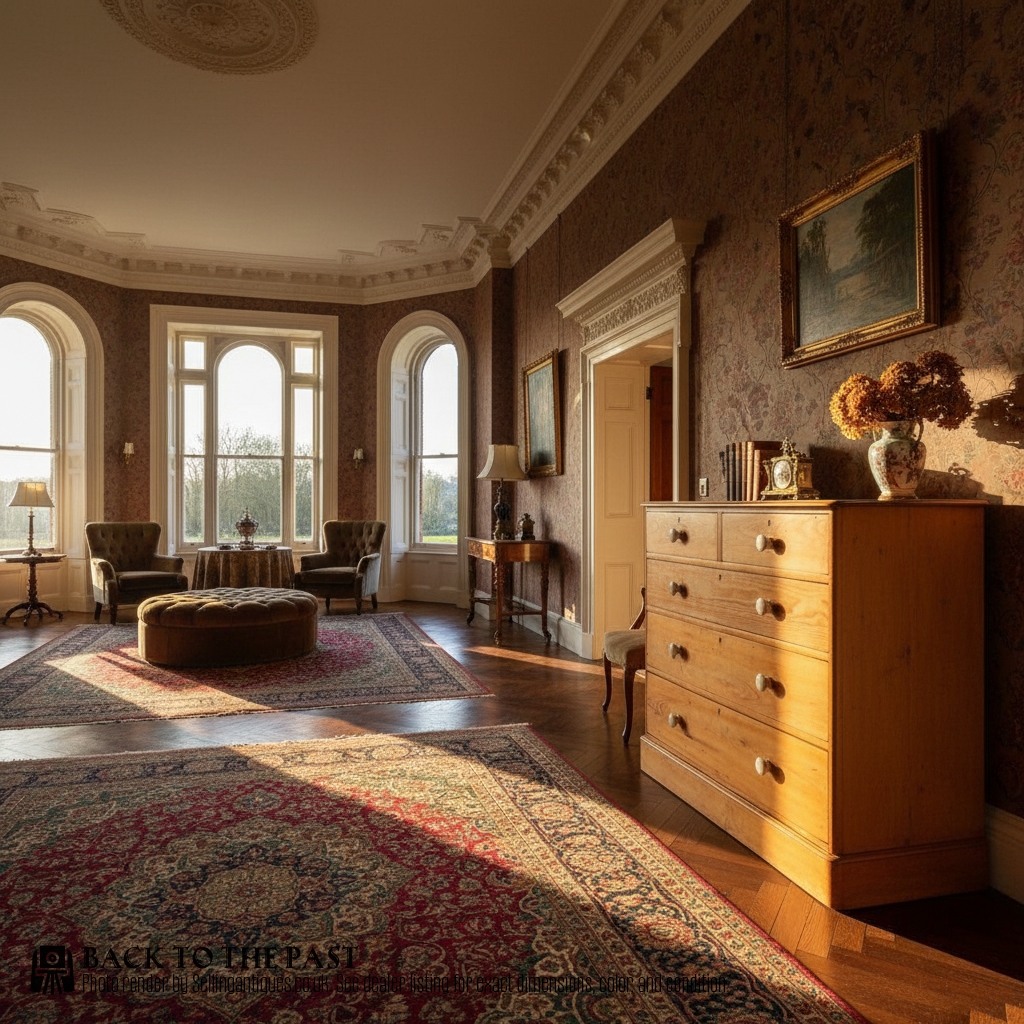
Victorian Wooden Drawers
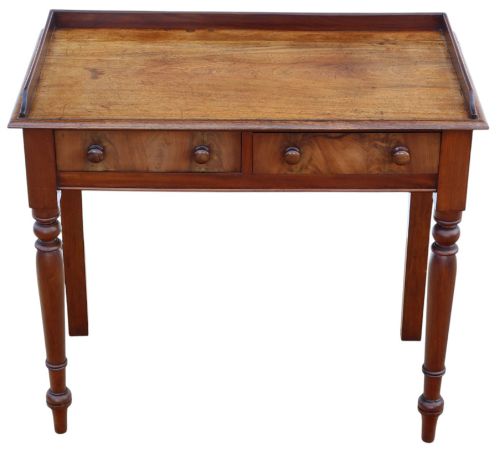
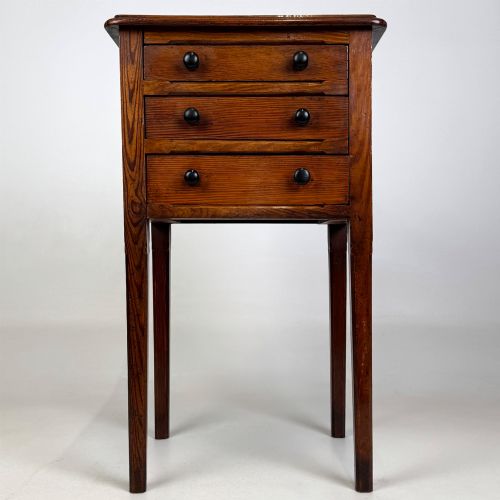
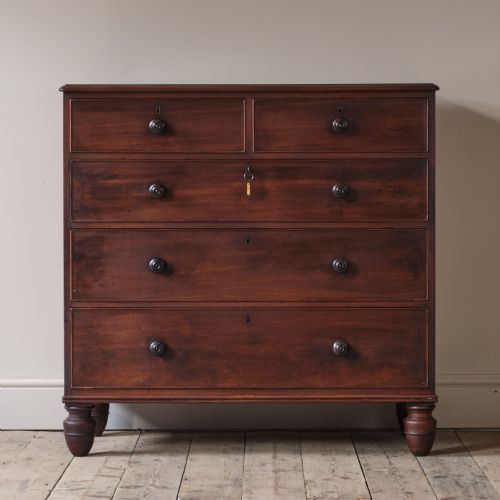
Victorian wooden drawers encompass robust chests, compact bedside units, and specialist pieces made primarily during the nineteenth century. Buyers seeking these items typically encounter classic mahogany and pine forms designed for bedroom and domestic storage.
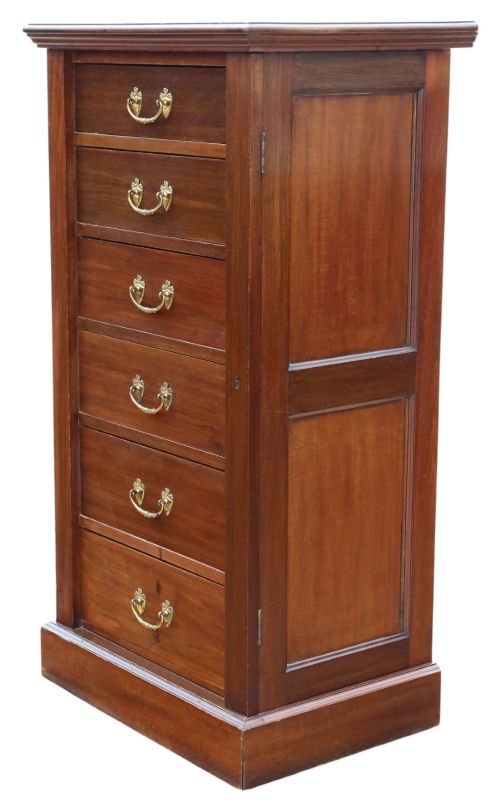
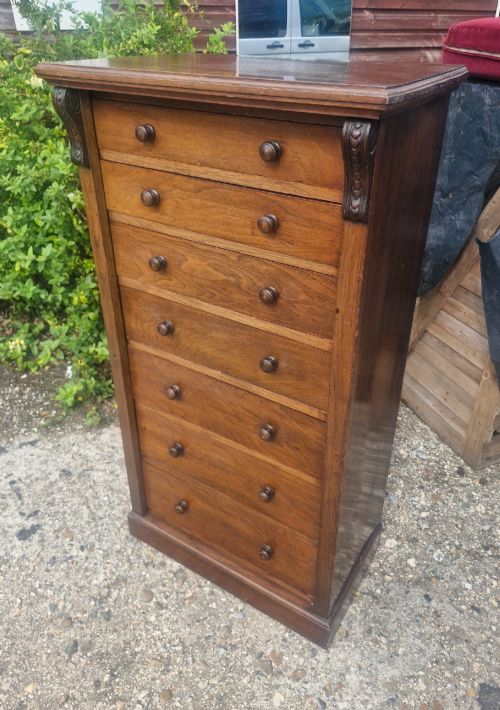
The selection frequently includes straightforward pine pieces alongside polished mahogany and figured burr walnut examples. Smaller apprentice pieces and tall Wellington chests also appear regularly across these listings.
Origins range from formal English workshops to regional Welsh and Scottish domestic settings. Form follows function closely, with proportions varying from low bedside chests to grand multi-drawer linen presses.
Materials and Construction
Cabinet makers utilised dense hardwoods like mahogany and walnut for formal furniture, often applying flame veneers to primary visual surfaces. Pine and pitch pine served extensively for carcases and painted country pieces.
Drawer construction relied upon tight dovetail joints, solid timber linings, and turned wooden knobs or brass pulls. Secondary timbers such as oak or ash frequently reinforced structural frames.
Victorian Wooden Drawers Retail Price Guide 2026
Typical asking prices for victorian wooden drawers among the pieces listed under this phrase on Sellingantiques today, from the lower quarter to the upper quarter. They describe what is for sale here now, not the wider market.
Apprentice pieces allowed young woodworkers to prove their skill on miniature chests before building full-sized furniture for clients.
Judging Quality
The distinction between tiers rests upon timber selection, timber thickness, and the precision of drawer joinery. Finer pieces display carefully matched veneers and unwarped drawer linings that run smoothly within their frames.
Original surface patination and untouched brass or wooden hardware elevate a piece significantly above examples suffering from harsh stripping or replaced components.
maples & co·T & G Seddon
The Victorian Wooden Drawers Glossary
- Wellington chest
- A tall, narrow chest of drawers secured by a locking side flap that bars the drawers when shut. This form originated in the nineteenth century and maximises vertical storage space.
- Flame mahogany
- A wood veneer cut from branches where they join the main trunk, displaying a distinctive flickering flame pattern. Cabinet makers used this timber for statement drawer fronts.
- Linen press
- A tall storage cabinet featuring upper sliding trays or shelves above a bank of lower drawers. These items kept household textiles clean and organised.
Victorian Wooden Drawers: Frequently Asked Questions
How do I identify a Victorian chest of drawers?
Examine the drawer construction for hand-cut dovetails and solid timber secondary woods inside the carcase. The presence of traditional materials like mahogany, pine, or burr walnut points toward nineteenth-century origin.
Look closely at the drawer runners and backboards, which display the tool marks and ageing typical of this period. Original turned wooden knobs or brass hardware further confirm the era.
Where should I place a Wellington chest?
Wellington chests suit narrow hallways, alcoves, or tight bedroom spaces because of their tall, slender footprint. Their vertical orientation provides substantial drawer capacity without occupying excessive floor area.
Ensure adequate side clearance to operate the locking stile safely. This pivoting timber batten must swing open freely to release the drawers.
How do I care for antique pine drawers?
Maintain antique pine furniture by dusting with a dry cloth and avoiding excess moisture or direct heat sources. Natural beeswax applied sparingly preserves the finish without sealing the wood permanently.
Keep humidity stable in the room to prevent timber movement or sticking drawers. Gentle handling protects historical patination and original painted surfaces.