
Welsh Country Oak Furniture
Welsh country oak furniture combines honest vernacular forms with sturdy native timber, offering enduring utility and rustic character for the home.
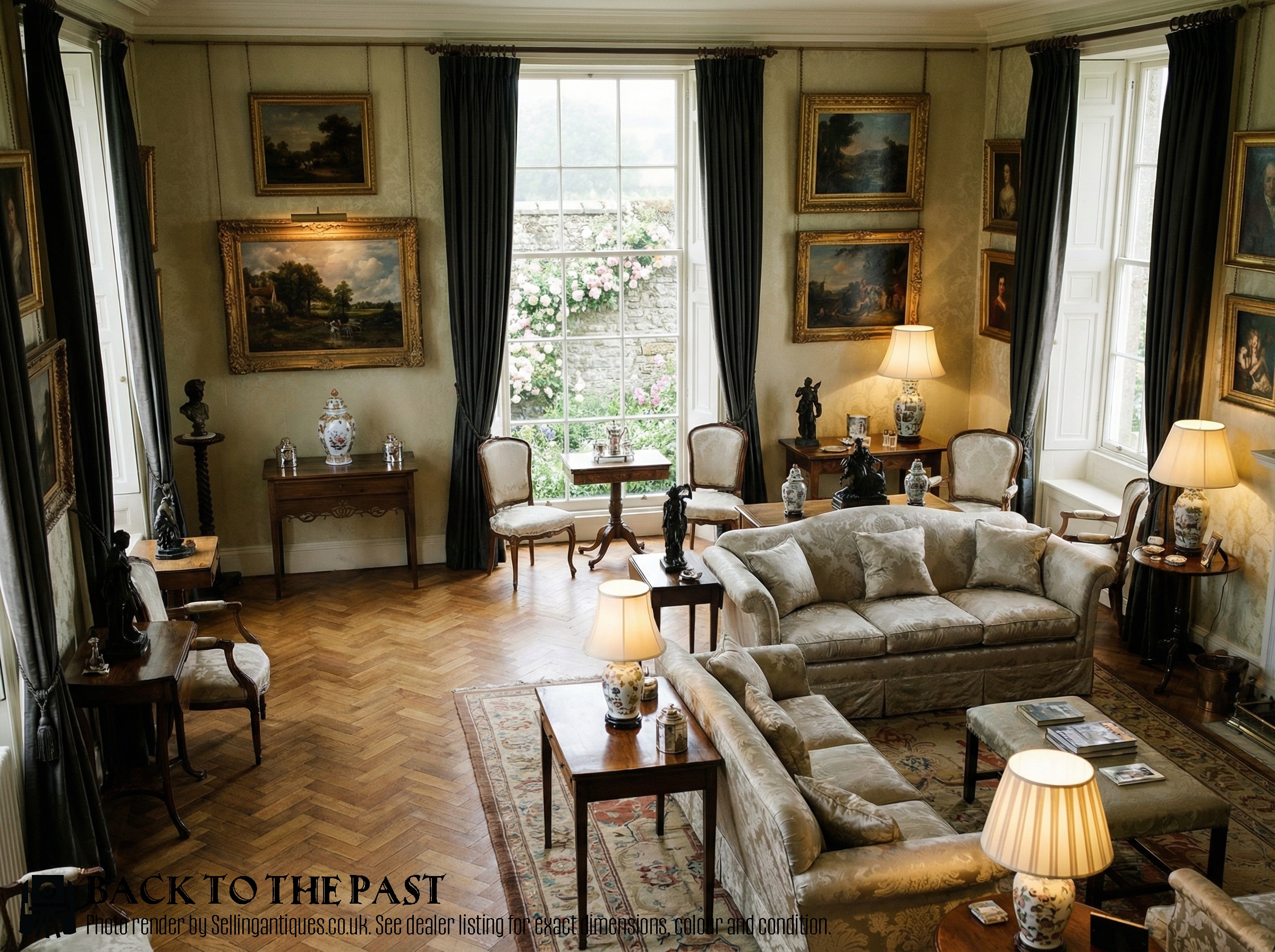
What Welsh Country Oak Furniture Is
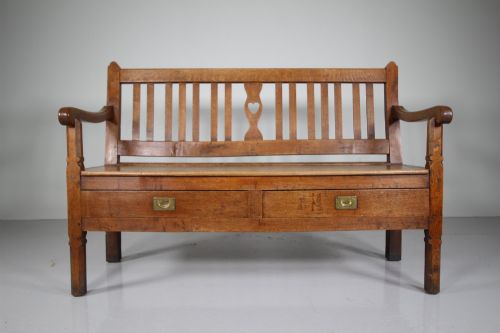
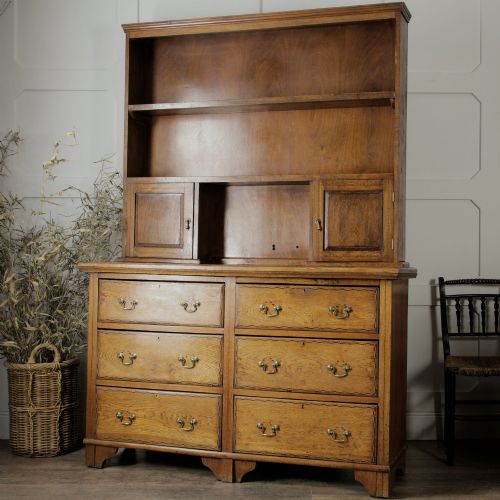
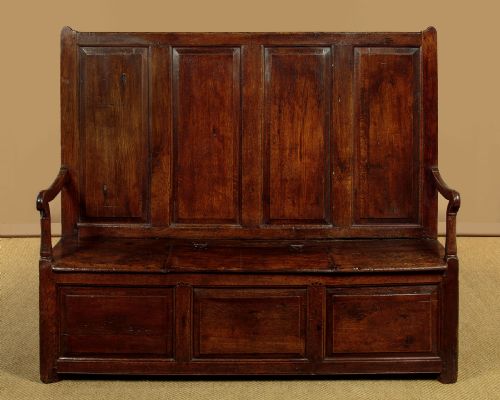
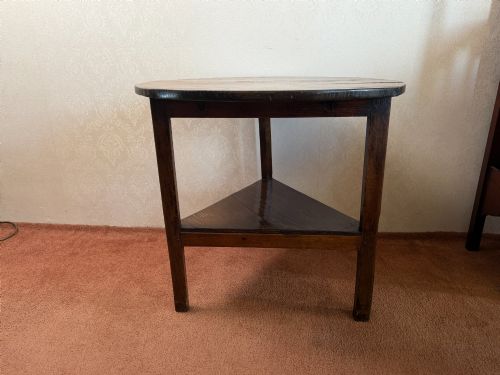
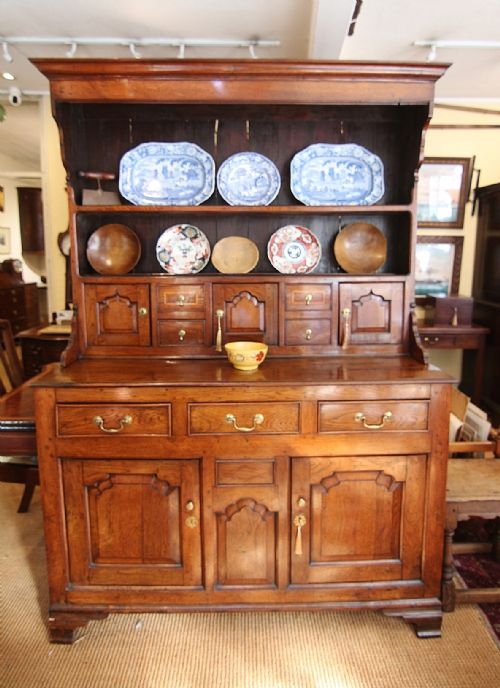
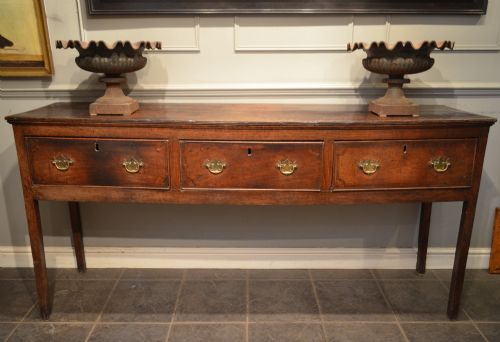
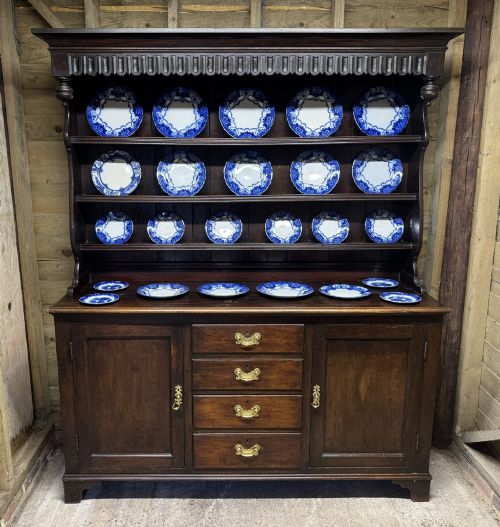
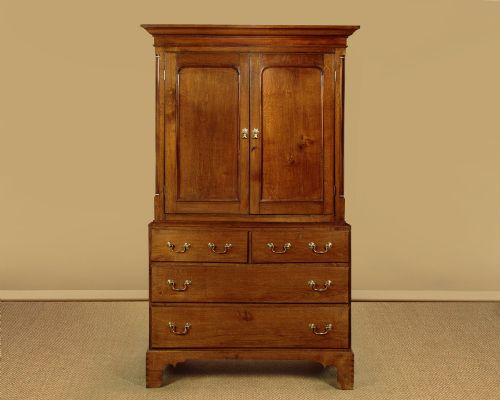
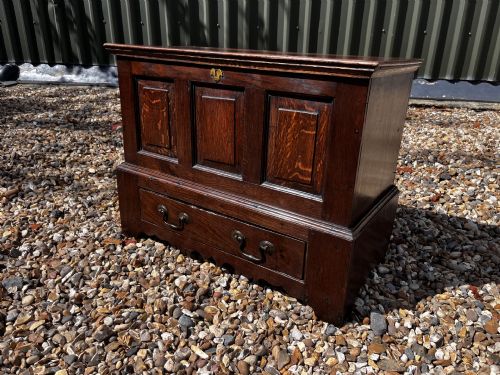
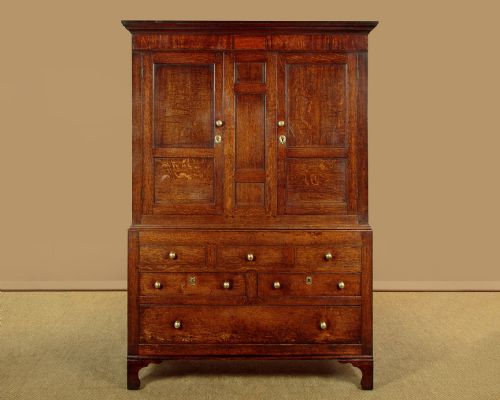
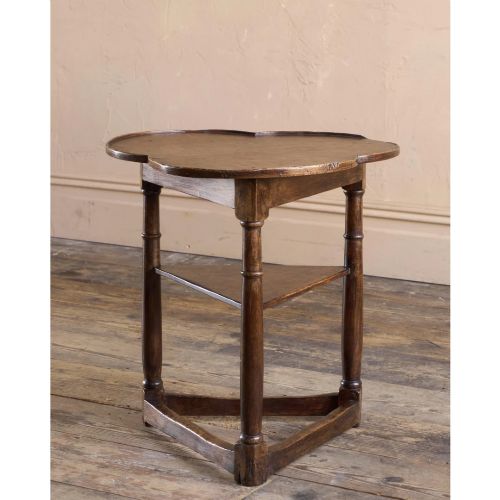
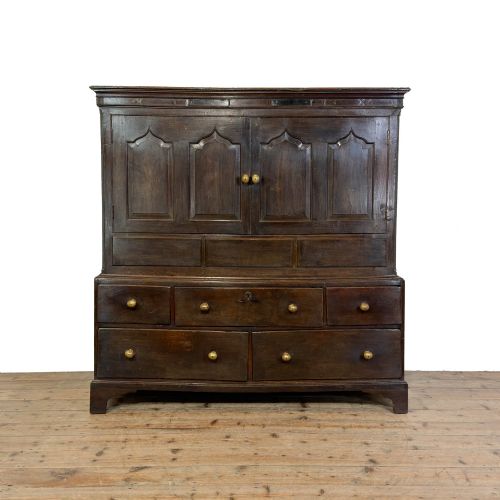
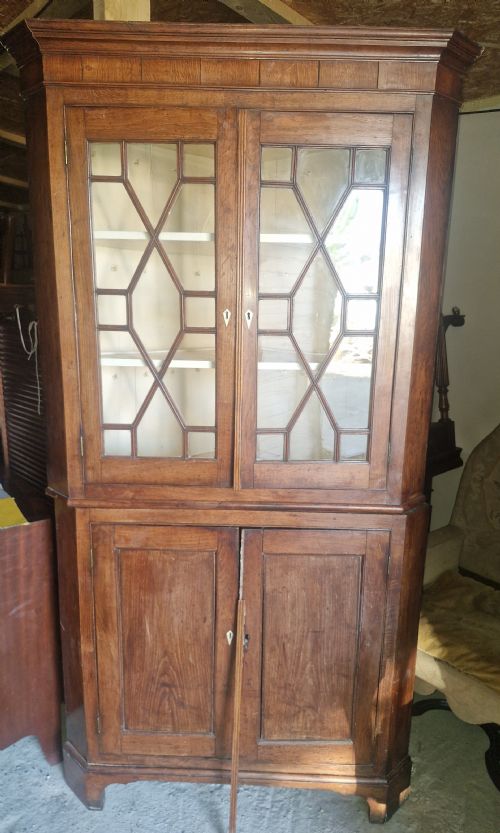
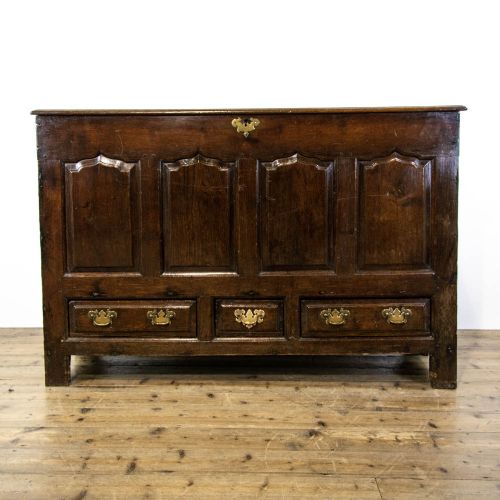
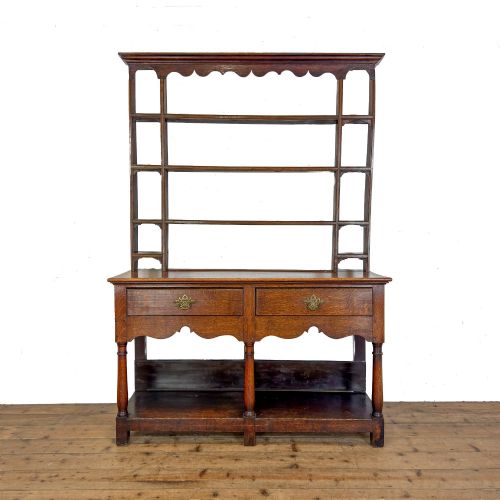
Welsh country oak furniture encompasses robust domestic pieces made across Wales during the eighteenth and nineteenth centuries, reflecting regional vernacular traditions. When exploring welsh country oak furniture, buyers encounter practical forms designed for storage and display, including dressers, corner cabinets, and storage boxes.
Regional variations appear across the collection, highlighting specific local joinery habits from areas such as Montgomeryshire and South Wales. These domestic items served everyday rural households, carrying utilitarian purposes that dictated their practical construction and modest proportions.

Materials and Construction
Makers utilised solid native oak timber for primary structures, occasionally incorporating fruitwood inlay for decorative contrast. Additional materials such as brass and iron supplied functional hardware, whilst glass panels appeared in specialised cabinet doors.
Local joiners employed traditional frame and panel techniques to accommodate the seasonal movement of solid timber. Surfaces show the results of hand planing and simple jointing methods suited to regional vernacular workshops.
Retail Price Guide 2026
Typical UK retail prices for welsh country oak furniture, calculated from the Sellingantiques database of over a million retail prices indexed since 2003. This retail price guide relies exclusively on Sellingantiques data; no external sources or auction records are used, so the figures do not describe the wider market.
The listings showcase pieces primarily from the eighteenth century, alongside examples from the nineteenth century and the Regency period.
Assessing Quality and Character
Quality separates through the purity of timber selection and the integrity of regional joinery details. Pieces featuring intact original hardware and minimal timber replacement retain stronger character.
Proportion and decorative restraint distinguish superior vernacular examples from more routine utility items. Subtle design elements like fretted aprons or precise fruitwood inlay elevate the visual interest of a piece.
The Welsh Country Oak Furniture Glossary
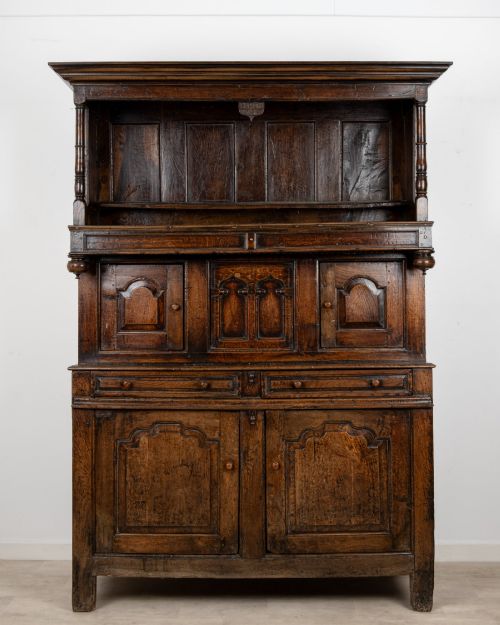
- Cwpwrdd Tridarn
- A traditional Welsh three-tier cupboard built for display and storage. These substantial pieces represent significant regional cabinet-making achievements.
- Coffor Bach
- A small Welsh box or miniature chest traditionally used for storing valuables or linens. They often exhibit the same careful joinery as larger domestic furniture.
- Vernacular
- Architecture and furniture built by local craftsmen using traditional regional methods and materials. These items prioritize local utility over metropolitan high-style fashions.
- Fretted Apron
- A decorative wooden skirt cut with a pierced pattern, often found beneath the tabletop. This detail adds ornamental relief to plain structural frames.
- Press Cupboard
- An enclosed storage piece used for textiles and household goods. They typically feature heavy panel construction and multiple internal tiers.
Frequently Asked Questions
What is a cwpwrdd tridarn?
A cwpwrdd tridarn is a traditional Welsh three-tier cupboard featuring an open middle section and enclosed upper and lower compartments.
These large storage units served as central fixtures in rural Welsh homes for displaying prized ceramics and storing household provisions.
How do I identify regional Welsh styles?
Regional identification relies on observing specific construction habits, local timber choices, and distinctive architectural proportions unique to areas like Montgomeryshire.
Local joiners often applied subtle variations in mouldings and inlay that distinguished items made in North Wales from those produced in the south.
Were miniature chests used as samples?
Miniature chests and coffor bach items served various domestic roles, occasionally functioning as apprentice pieces or special presentation boxes.
Their compact size allowed makers to demonstrate advanced joinery skills on a smaller scale for household use.
How should I care for antique oak?
Antique oak benefits from stable indoor humidity levels and protection from direct sunlight to prevent timber shrinkage and splitting.
Applying occasional traditional wax polish helps nourish the wood grain and preserves the historic surface patina.