






Welsh Oak Miniature Chest
These welsh oak miniature chest pieces are compact domestic repositories of native timber, prized for regional vernacular character.
Welsh Oak Miniature Chest
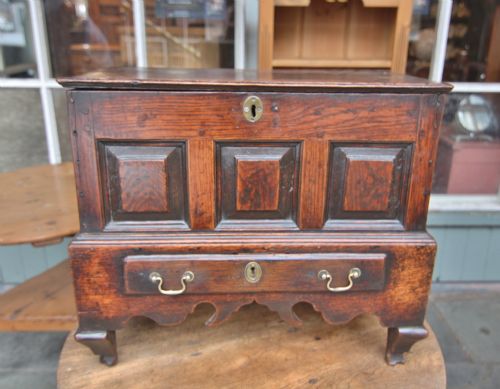
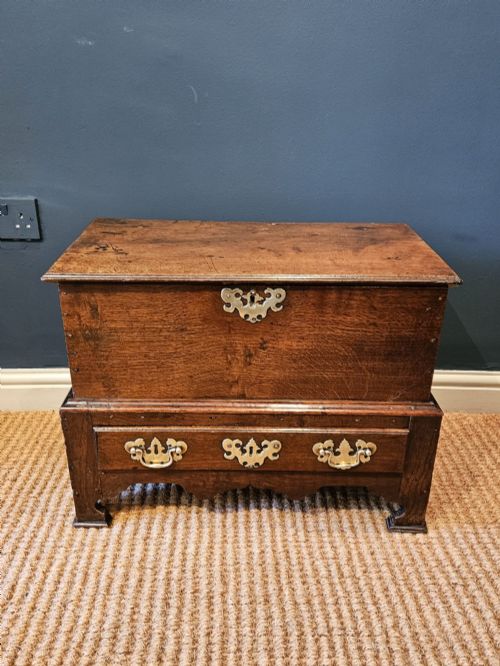
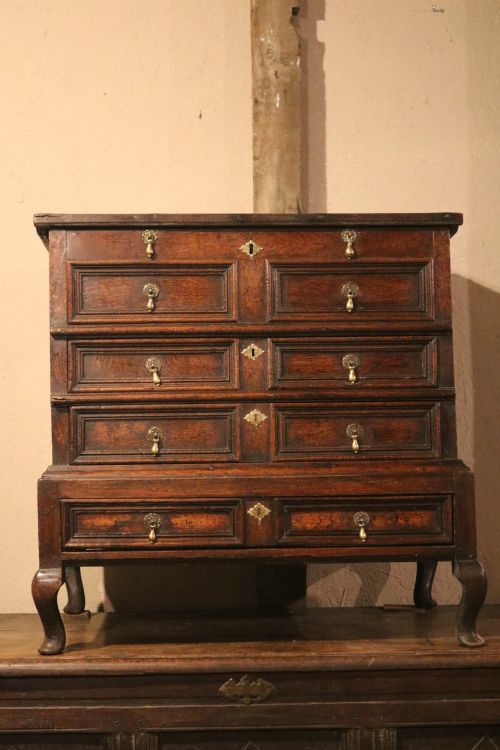
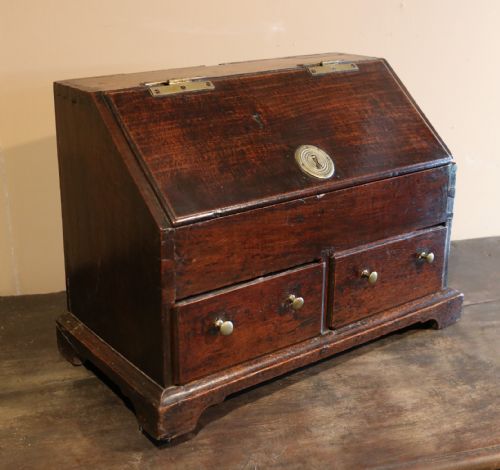
A welsh oak miniature chest typically manifests as a coffer bach, miniature bureau, or small chest of drawers originating from eighteenth-century workshops. These diminutive items served domestic storage functions on tabletops or large furniture surfaces in Welsh homes.
The objects frequently date from the eighteenth century, encompassing George II and regional Georgian periods. Most examples follow traditional vernacular constructions built by country cabinet makers.
Regional variations span from South Wales to Glamorgan, showing local carpentry traits in miniature scale. These survivors range from simple lidded coffers on turned feet to diminutive drawer chests.
Materials and construction methods
Makers utilised native oak as the primary structural timber, often supplemented with fruitwood inlay, timber inlay, and bone for decorative contrast. Structural joints relied on traditional pegged and panelled assembly methods suited to domestic workshops.
Hardware components incorporate brass escutcheons and handles alongside iron hinges or locks. Secondary details such as turned feet and linear stringing define the stylistic execution of these small items.
Welsh Oak Miniature Chest Retail Price Guide 2026
Typical asking prices for welsh oak miniature chest among the pieces listed under this phrase on Sellingantiques today, from the lower quarter to the upper quarter. They describe what is for sale here now, not the wider market.
Object forms on record include coffers, miniature chests of drawers, tallboy chests, and small bureaux originating from Welsh regions.
Distinctions in craftsmanship and survival
Quality separates through the integrity of timber selection and the restraint of decorative inlay. Pieces displaying sophisticated regional vernacular joinery and intact original feet occupy the upper tier of the range.
Proportion and scale dictate the visual success of each miniature form. Coffer bach examples with well-balanced proportions and untouched patination demonstrate superior historic character compared to heavily altered specimens.
The Welsh Oak Miniature Chest Glossary
- Coffer bach
- A small Welsh box or coffer, often fitted with a drawer beneath the main compartment. These items acted as presentation pieces or valuables depositories in traditional households.
- Vernacular
- Architecture or furniture built by local craftsmen using regional traditions and native materials rather than academic pattern books. This approach produces honest, unpretentious domestic objects.
- Inlay
- A technique where pieces of contrasting timber, fruitwood, or bone are inserted into depressions within the oak surface to form decorative patterns. It adds visual detail to plain panels.
- Escutcheon
- A protective brass or iron plate surrounding a keyhole. It prevents the surrounding timber from wearing away during daily use.
Welsh Oak Miniature Chest: Frequently Asked Questions
What was a coffer bach used for?
These small boxes served as secure repositories for family documents, currency, or precious textiles in Welsh homes. Their portable nature allowed owners to move them safely between rooms.
They also functioned as marriage gifts or presentation pieces within local communities, reflecting the status of the household.
How do I date an 18th-century miniature chest?
Dating relies on examining construction techniques, timber patination, and vernacular stylistic traits. Hand-cut joinery and original brass hardware provide key chronological markers.
Comparison with dated regional examples helps narrow the period of manufacture to specific decades within the eighteenth century.
Where were these miniature chests made?
Makers constructed these pieces in regional Welsh workshops, with specific examples associated with South Wales and Glamorgan. Country cabinet makers utilised local timber stocks and traditional vernacular methods.
Geography heavily influenced the decorative vocabulary, distinguishing Welsh work from English vernacular equivalents.
How should I care for antique oak furniture?
Maintain stable environmental conditions away from direct heat sources and strong sunlight to prevent timber movement. Gentle dusting with a dry cloth preserves the historic surface.
Avoid modern liquid polishes that build up residue and dull the natural patina developed over centuries of handling.