
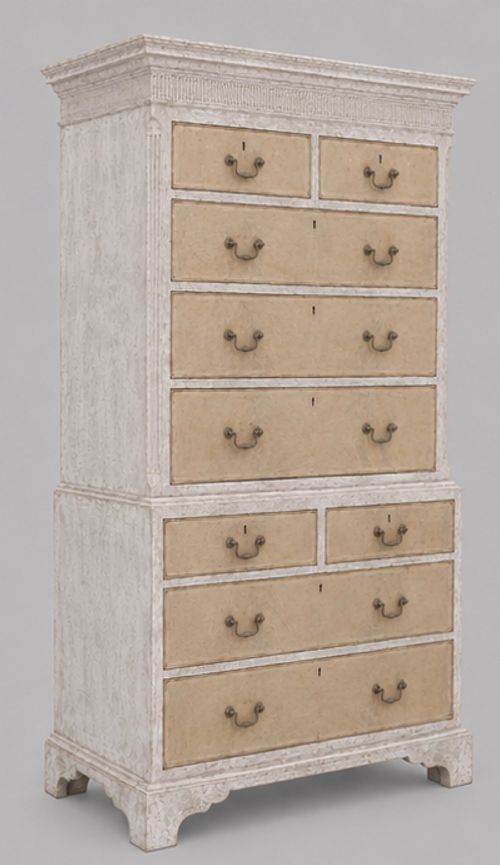
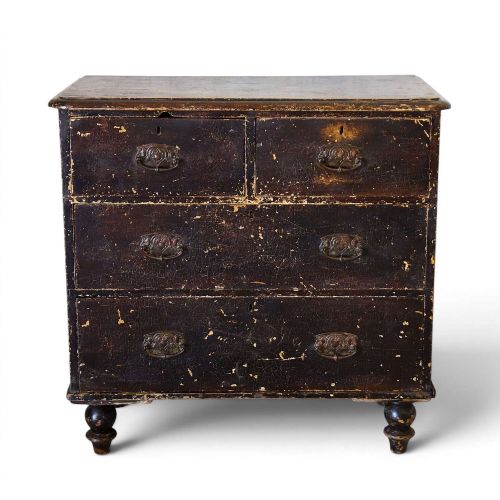
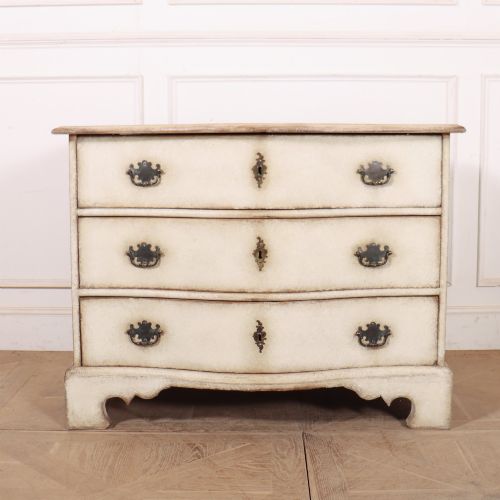
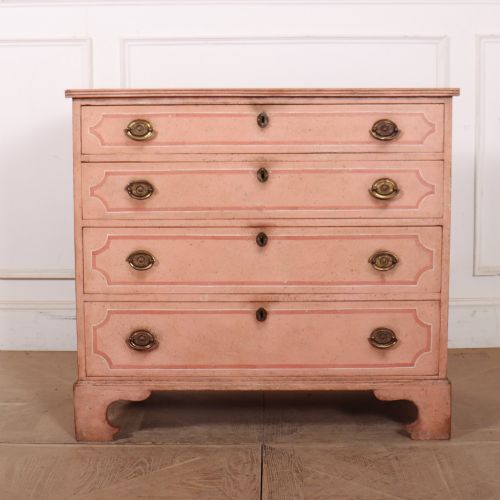
Distressed Painted Chest
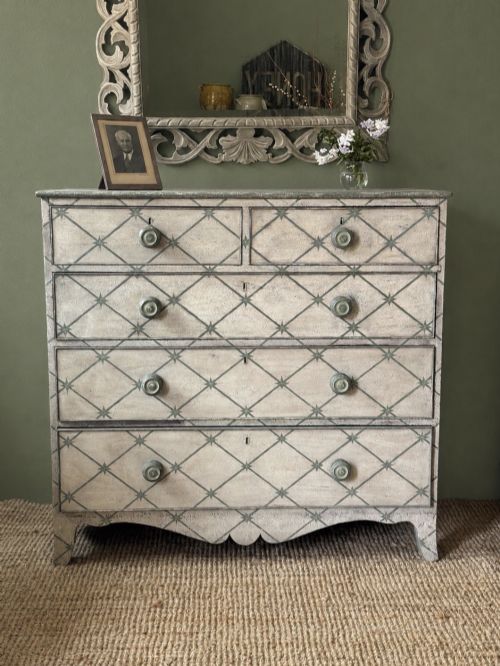
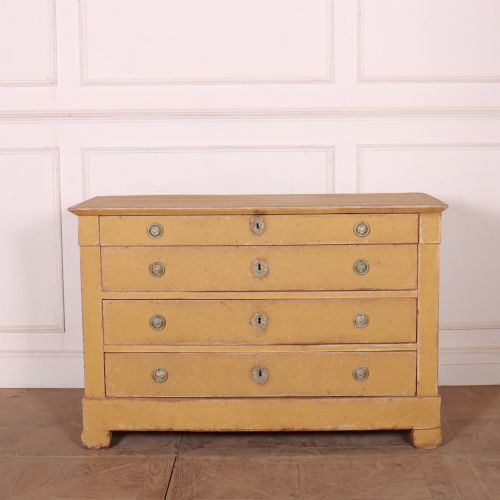
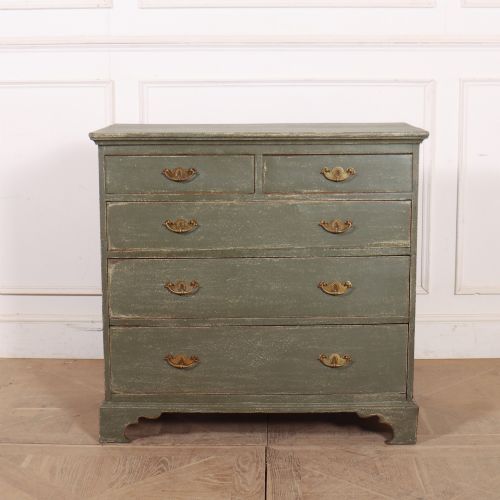
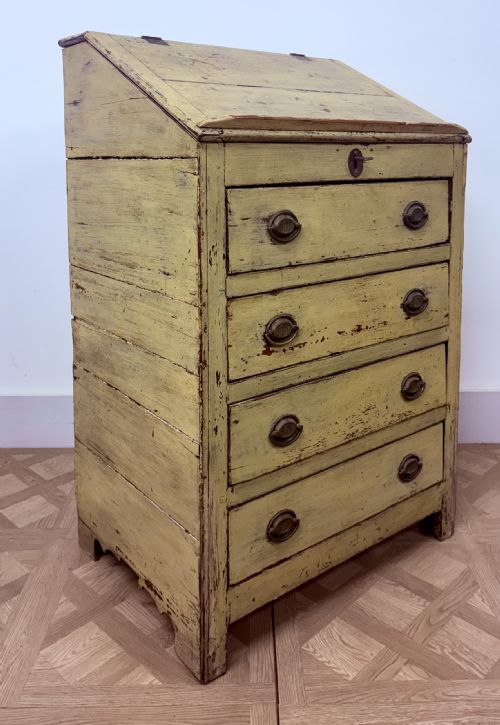
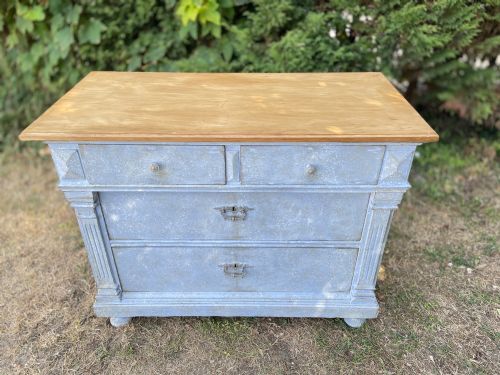
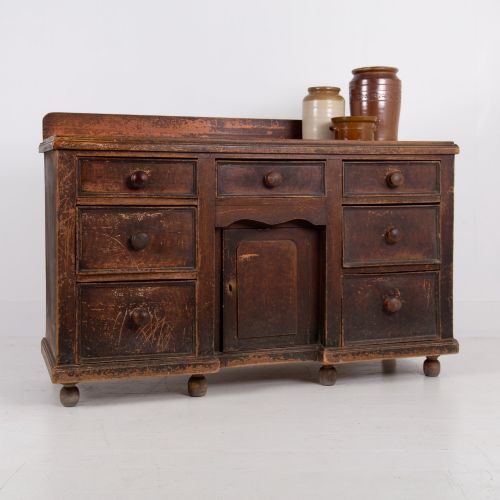
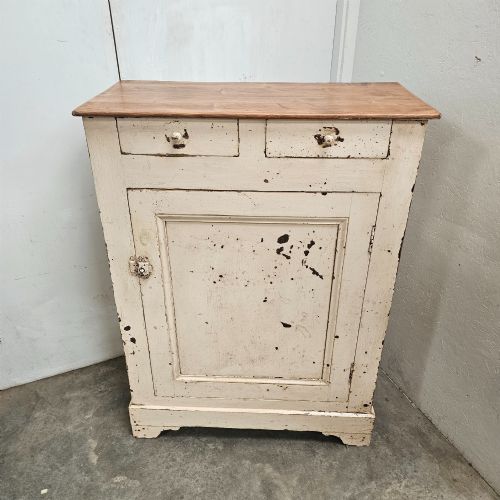
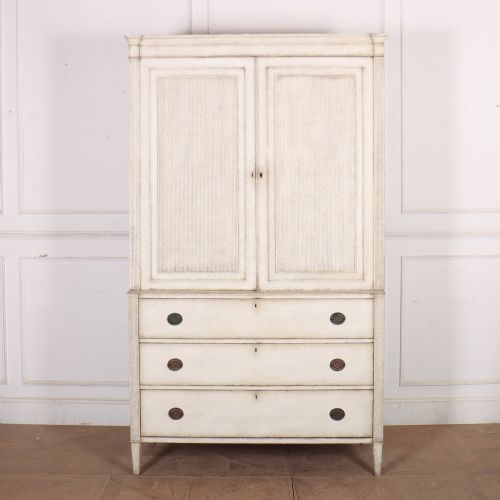
A distressed painted chest brings layered colour and utilitarian history into a room through aged pine, oak, and applied surface finishes.
Identifying the Types
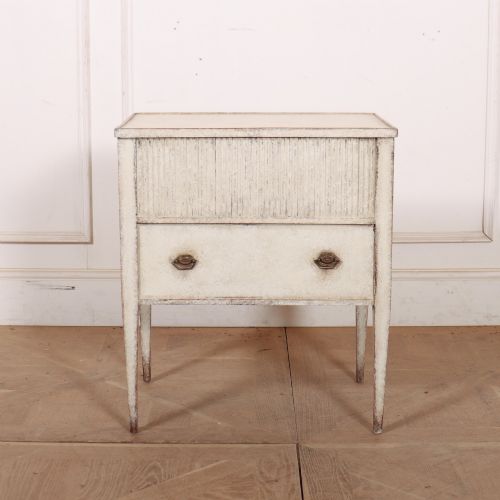
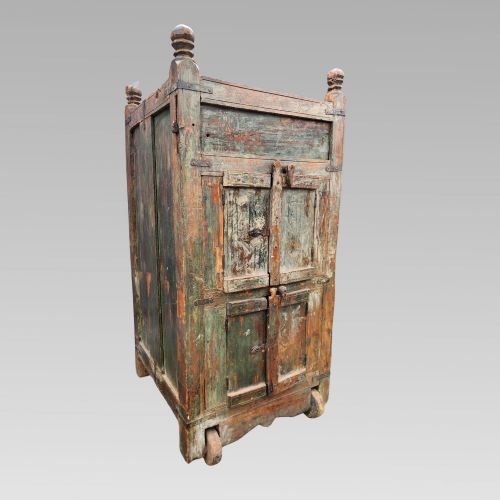
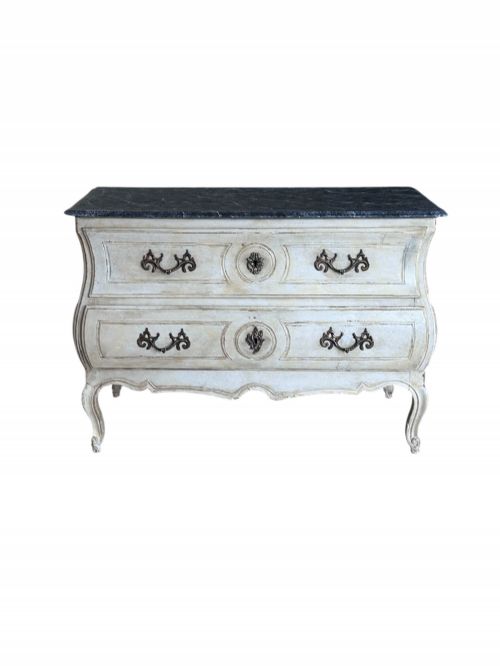
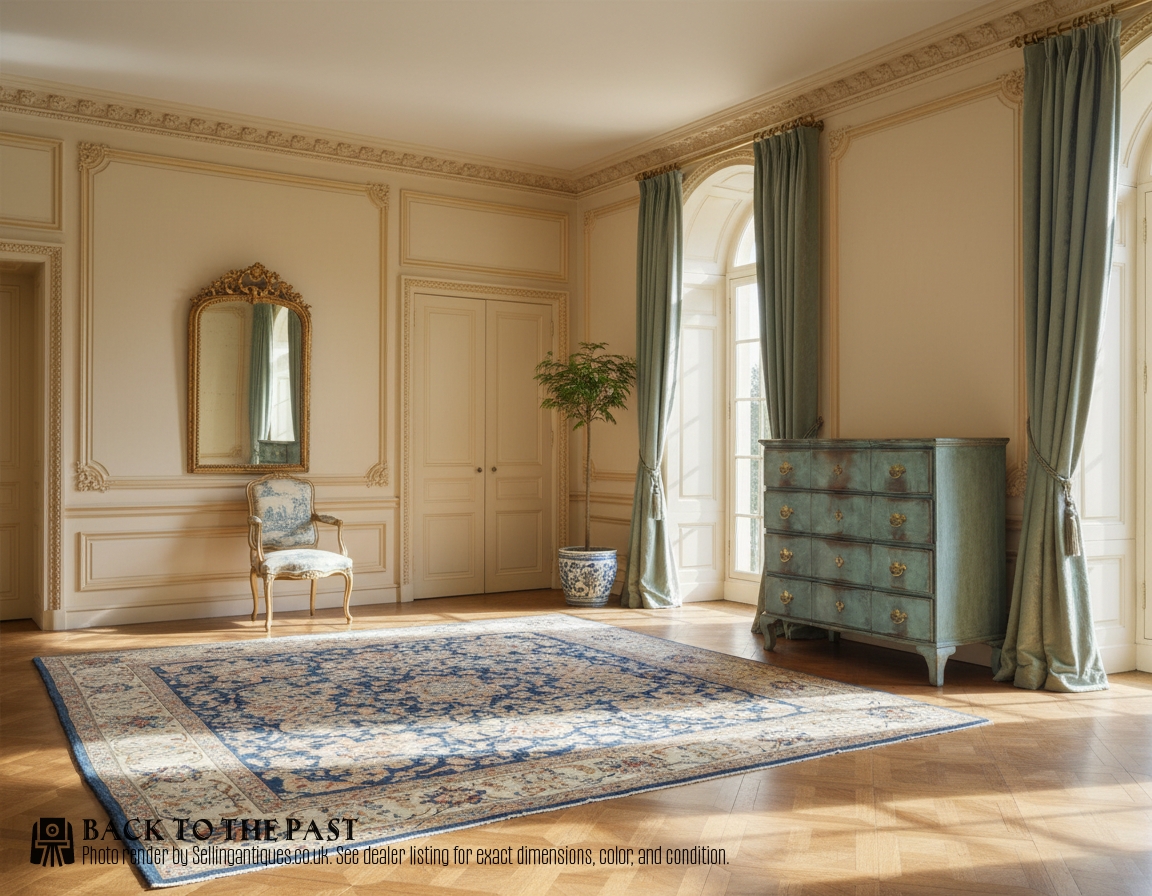
A distressed painted chest encompasses practical storage pieces ranging from compact strong boxes and commodes to larger drawer configurations originating across 18th-century, 19th-century, and Victorian periods. Buyers exploring a distressed painted chest encounter regional forms such as French commodes, Italian serpentine fronts, and Scandinavian Baroque or folk art designs alongside domestic British specimens.
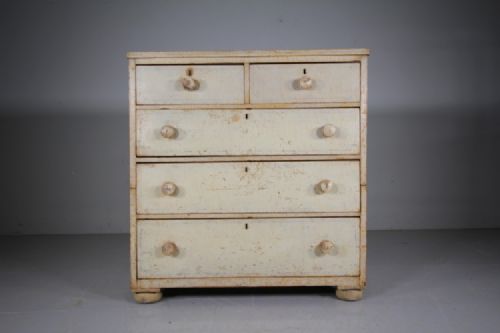
The material construction predominantly relies on pine and oak timbers, sometimes paired with metal, brass, or wrought iron hardware, finished with either original or later applied paint schemes. Pieces vary from simple two-over-two drawer setups to decorative fluted drawer fronts and robust sea chests built for travel.
Construction and Materials
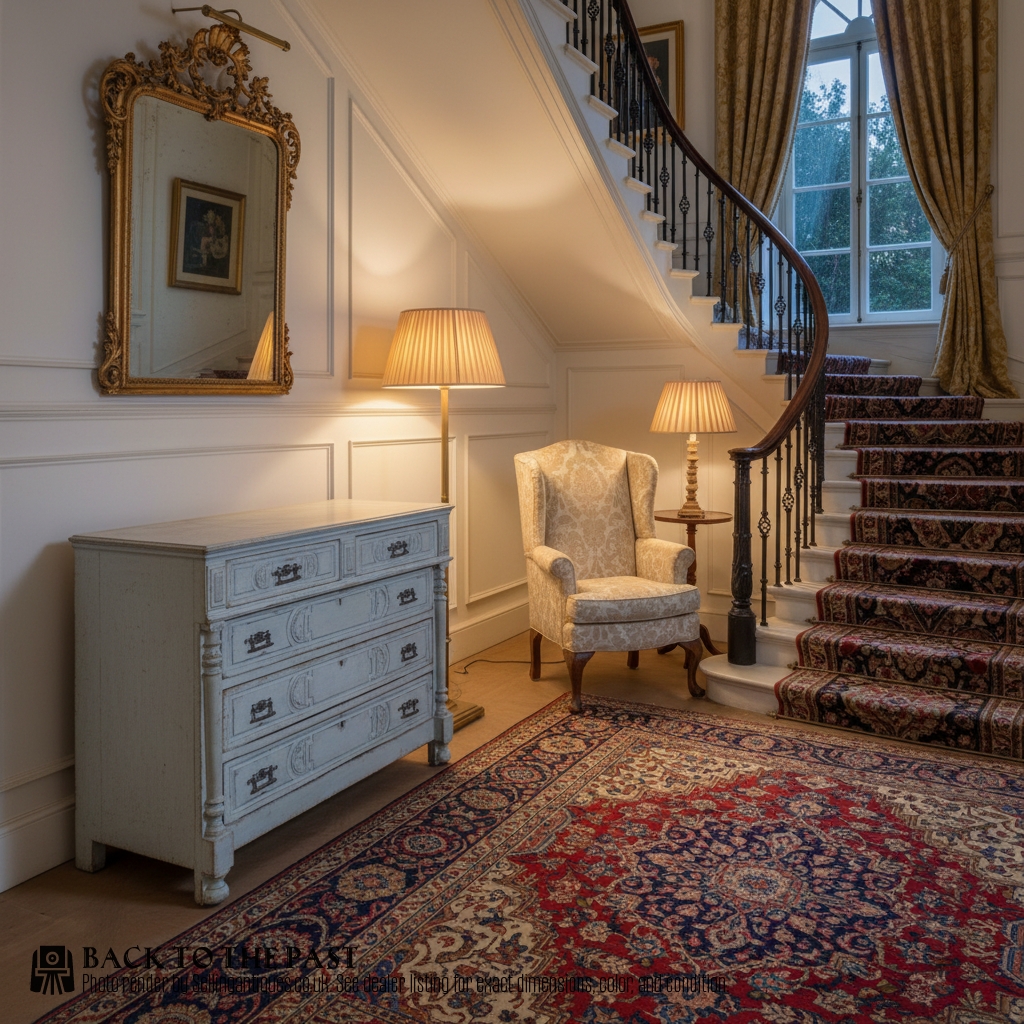
Carpenters built these storage pieces using solid timbers like pine and oak, joining drawer fronts and carcases with traditional woodworking techniques suited to each regional workshop. Iron, brass, and metal fixtures reinforced corners, lids, and drop handles on transportable items like strong boxes and sea chests.
Surfaces received decorative or protective coatings of paint over the centuries, with finishes applied either during the original period of manufacture or later in the pieces' lifespans to achieve mottled, icy blue, green, or white distressed aesthetics.
Retail Price Guide 2026
Typical UK retail prices for distressed painted chest, calculated from the Sellingantiques database of over a million retail prices indexed since 2003. This retail price guide relies exclusively on Sellingantiques data; no external sources or auction records are used, so the figures do not describe the wider market.
Several chests crossed oceans in sea salt and spray before ever meeting an icy Scandinavian blue makeover.
Assessing Quality
The hierarchy of these items rests on the integrity of the underlying timber structure and the harmonious ageing of the surface finish. Pieces retaining original regional decorative painting schemes command deeper historical interest than later surface treatments.
Proportional balance, refined hardware such as brass drop handles, and sophisticated regional details like fluted fronts or serpentine lines separate ordinary utilitarian storage from exceptional vernacular examples.
The Distressed Painted Chest Glossary
- Commode
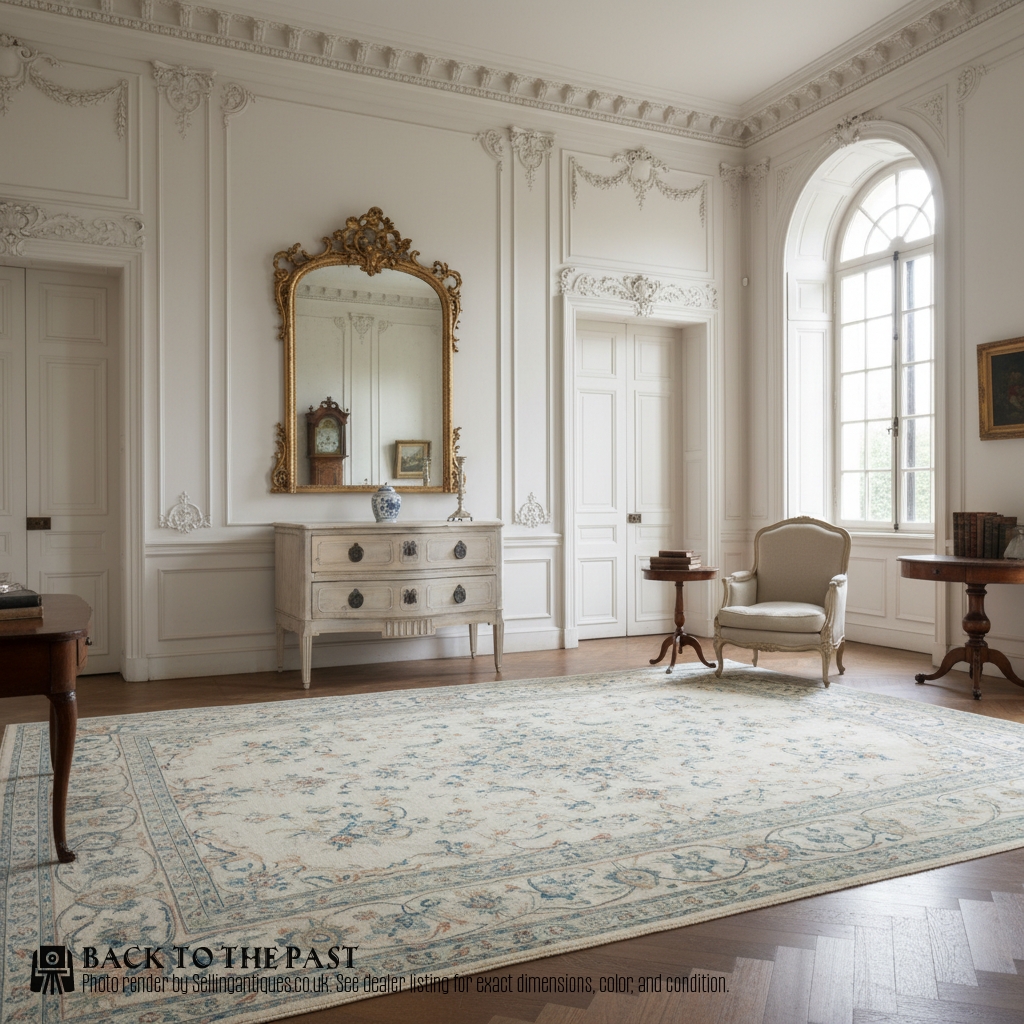
- A low cabinet or chest of drawers, often associated with continental European design and refined cabinetmaking traditions. These pieces frequently feature decorative fronts and shaped profiles.
- Serpentine Front
- A convex centre flanked by concave curves, creating a fluid, undulating facade on a chest or commode. This sophisticated shaping requires precise carpentry.
- Strong Box
- A heavy, secure container usually bound with iron or metal straps for safeguarding valuables during transport or storage. They are typically compact in scale.
- Gustavian
- A Swedish neoclassical design style characterised by pale painted finishes, restrained carving, and lighter proportions. It emerged during the late 18th century.
- Scandi Blue
- A descriptive term for pale, icy, or mottled blue paint finishes applied to historic pine furniture. This colourway reflects Scandinavian decorative traditions.
Frequently Asked Questions
What is a distressed painted chest?
A distressed painted chest is a wooden storage piece finished with weathered or aged paintwork, encompassing regional commodes, drawer units, and strong boxes.
These items combine practical storage compartments with decorative surface aesthetics developed over generations of use.
How do I date an antique painted chest?
Dating relies on examining the underlying timber construction, drawer joints, hardware types, and regional stylistic markers such as serpentine fronts or Baroque mouldings.
Paint finishes can be original to the period or applied later, which helps distinguish primary manufacture from subsequent decoration.
Where were these painted chests made?
Surviving examples originate from workshops across Britain, France, Italy, and Sweden, utilising local timber resources like pine, oak, and teak.
Each region developed distinct forms, from French provincial commodes to Scandinavian folk art and Baroque drawer chests.
How do I care for a painted wooden chest?
Protect the aged surface by keeping the timber away from direct heat sources and sudden humidity changes that affect old pine and oak.
Dust gently with a dry cloth and avoid harsh chemical cleaners that might disturb the historic paint layers.