



Antique Cribbage Board
An antique cribbage board is a tactile piece of social history, built for tracking points with pegs across decades of parlour games.
Antique Cribbage Board
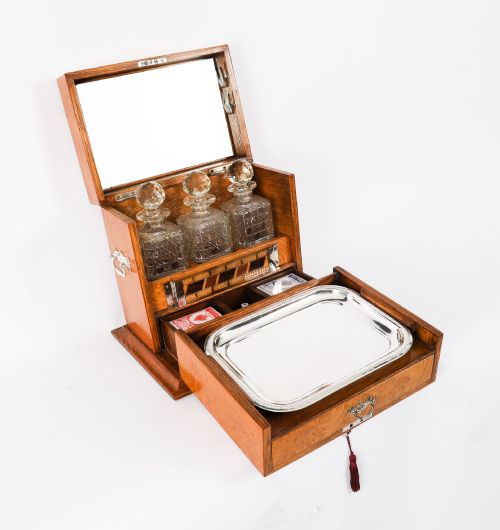
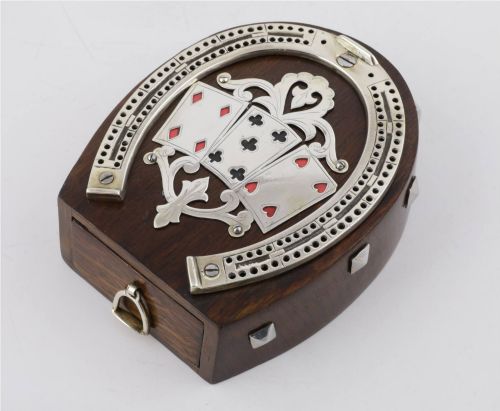
An antique cribbage board is primarily a scoring track for the traditional card game, appearing on this page in forms ranging from simple wooden boards to elaborate compendium boxes. Most examples belong to the Victorian period, though Georgian pieces also surface.
The objects take many shapes, including rectangular boards, triangular formats, horseshoe designs and dedicated boxes with sliding lids to store pegs and cards. Some pieces double as games boxes for draughts or house domino sets alongside the cribbage tracks.
Origins are predominantly English, utilising regional timbers and specialised techniques such as Tunbridge Ware mosaic decoration. Collectors encounter both portable everyday items and substantial walnut or mahogany compendiums designed for drawing room tables.
How they were made
Cabinetmakers constructed these boards using a variety of native and exotic timbers including mahogany, walnut, kingwood, oak, rosewood and general hardwood. Selected pieces incorporate decorative elements of bone, stag horn, brass and sterling silver.
Tunbridge Ware examples display intricate mosaic woodwork, creating pictorial or geometric scenes from thousands of tiny wood blocks. Other items utilise carved bone, likely produced by prisoners of war, or cast brass and silver fittings.
Boxes and boards often incorporate brass hinges, locks, and fitted interiors to house pegs and playing cards safely.
Antique Cribbage Board Retail Price Guide 2026
Typical asking prices for cribbage board among the pieces listed under this phrase on Sellingantiques today, from the lower quarter to the upper quarter. They describe what is for sale here now, not the wider market.
What varies in quality
Quality rests on the choice of materials and the ambition of the design, moving from plain utilitarian wood planks to elaborate burr walnut compendiums and inlaid Tunbridge Ware. Superior pieces show precise craftsmanship in their peg tracks and dovetailed joints.
The Antique Cribbage Board Glossary
- Cribbage board
- A carved or drilled board used to record scores in the card game cribbage using small pegs. Scoring holes are typically arranged in rows of tracks with a winning destination at the end.
- Tunbridge Ware
- A form of British decorative woodwork originating in Kent, characterised by mosaic patterns made from numerous tiny wood tiles. These geometric or pictorial designs cover the exterior of boxes and boards.
- Treen
- Small handmade wooden household objects and utensils valued for their tactile qualities and simple craftsmanship. Many early games boards and boxes fall under this umbrella category.
- Compendium
- A single fitted box containing equipment for multiple different games such as chess, draughts, and cribbage. These large sets were popular in wealthy Victorian households.
- Pipe tamper
- A small tool used for packing tobacco down into the bowl of a smoking pipe. Surviving examples are occasionally integrated into the design of small brass cribbage items.
Antique Cribbage Board: Frequently Asked Questions
What is a cribbage board used for?
A cribbage board functions as a physical scoring ledger for the traditional card game cribbage. Players move small pegs along drilled tracks to keep score as hands are played.
Many period examples also double as storage containers, featuring internal compartments to hold playing cards and scoring pegs securely.
How do you date an antique cribbage board?
Dating relies on observing the timber choice, construction methods, and decorative styles visible on the piece. Georgian boards often display simpler mahogany or treen construction, whilst Victorian pieces frequently feature burr walnut or Tunbridge Ware.
Specific clues like hallmarks on silver mounts, registration marks, or accompanying brass hardware help narrow down the decade of manufacture.
What are Tunbridge Ware cribbage boards?
Tunbridge Ware boards feature intricate mosaic decoration made from tiny wood blocks arranged to form pictorial or geometric motifs. These decorative surfaces depict scenes like castles, flowers, or butterflies.
Craftsmen in Kent produced these specialised wooden items during the nineteenth century, making them highly collectable today.
Did prisoners of war make cribbage boards?
Prisoners of war during the Napoleonic conflicts carved bone and ivory objects to pass the time and sell to guards or locals. These items often display meticulous hand-carved detail and distinctive patination.
While bone items from this era are well documented, most standard cribbage boards were produced by commercial English cabinetmakers.