





Georgian Games Box
A georgian games box brings the tactile ritual of past evenings straight to a modern tabletop.
Georgian Games Box
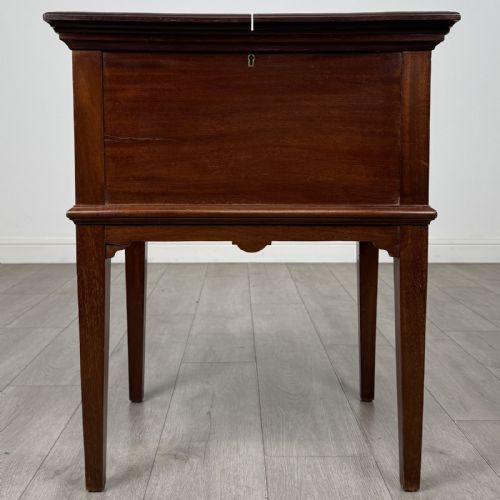
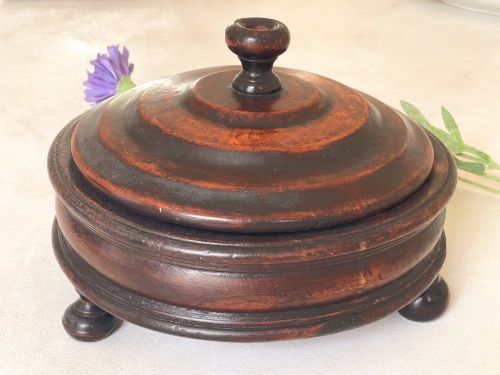
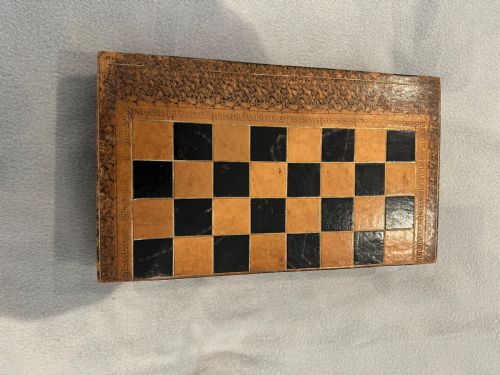
A georgian games box unites utility and craft, holding everything needed for cards, dice or boards in a single tailored container. These pieces survive in forms ranging from dedicated mahogany boxes to clever faux book boards and specialised cribbage containers.
The versions met most frequently on this page span the Georgian, Regency and Victorian eras, often incorporating compartments for counters, score markers or carved bone pieces. Each example reflects the social pastimes of its period, designed for use in the drawing room or study.
How they were made
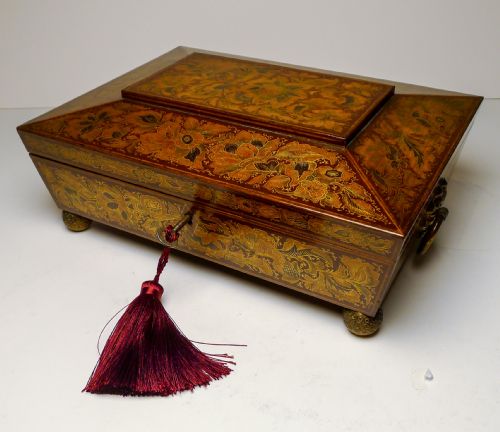
Makers utilised timber such as mahogany, applying parquetry inlay, boxwood stringing and crossbanded details to give surface richness to the exterior. Leather found frequent use for outer bindings, particularly in pieces styled to resemble faux books.
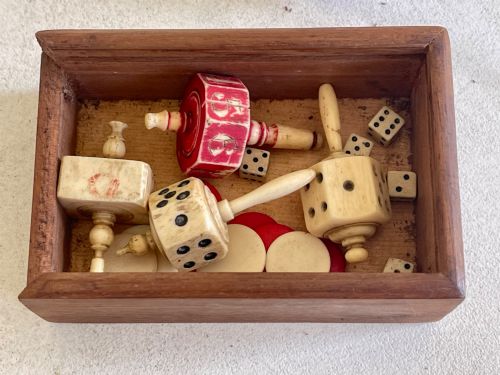
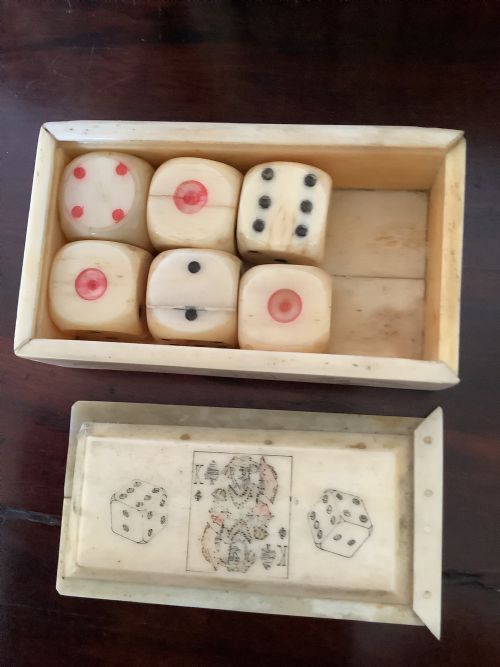
Carved bone appears repeatedly in the evidence, shaping intricate prisoner of war domino sets, dice and teetotums with meticulous detail. Paint and pigment also surface across Regency penwork boxes, adding decorative motifs to the wood.
Georgian Games Box Retail Price Guide 2026
Typical asking prices for georgian games box among the pieces listed under this phrase on Sellingantiques today, from the lower quarter to the upper quarter. They describe what is for sale here now, not the wider market.
Carved bone teetotums spin quietly through time, carrying the solitary patience of past prisoners straight to modern hands.
What varies in quality
The distinction between tiers rests upon the precision of the woodwork and the intricacy of the decorative surface. Superior examples demonstrate crisp parquetry, balanced crossbanding and well-executed penwork rather than plain or hasty construction.
Internal arrangement and completeness dictate the standing of a piece. Boxes that retain their original bone dominoes, dice or games scorers command greater interest than those altered or depleted over time.
The Georgian Games Box Glossary
- Cribbage board box
- A container designed specifically to hold cribbage equipment while featuring a scoring track integrated into its structure.
- Penwork
- A decorative technique utilising fine ink lines applied to a painted or bare wood surface to create intricate motifs.
- Parquetry inlay
- Geometric wood patterns pieced together to form a decorative mosaic across the exterior of a box.
- Crossbanded top
- A border technique where veneer is laid perpendicular to the main grain, framing the surface of a table or box.
Georgian Games Box: Frequently Asked Questions
What games did they play?
A georgian games box typically accommodated pastimes like cribbage, bezique, piquet, chess, draughts and dice games. The internal compartments were tailored to hold the specific counters, cards or markers required for each.
Many of these boxes served multiple purposes, housing various sets so that players could transition between card games and board play during an evening.
How are prisoner of war pieces identified?
Prisoner of war pieces are identified by their distinctive carved bone construction, often showing the meticulous handwork of detained sailors and soldiers from the Napoleonic era. These items frequently include dominoes, teetotums and small dice boxes.
The material itself typically exhibits a warm, aged patina derived from handled bone, showcasing remarkable detail despite the modest tools available to the makers.
What is penwork decoration?
Penwork decoration involves delicate ink drawings applied directly onto painted or primed wooden box surfaces. Artisans used this technique to create elaborate neoclassical motifs, floral borders and geometric scenes.
This style appears prominently on Regency examples, offering a lighter, illustrative alternative to heavy carving or intricate veneer work.
How do you distinguish Regency from Victorian boxes?
Regency boxes often display crisp penwork, parquetry inlay and classical motifs influenced by the early nineteenth century aesthetic. Victorian versions frequently lean toward functional leather bindings and faux book designs suited to the later nineteenth century study.
Examining the underlying timber, hinge construction and decorative style helps clarify the transition between these overlapping periods.