

Antique Card Box
An antique card box brings the formal parlour games of past centuries directly onto the modern table.
Antique Card Box
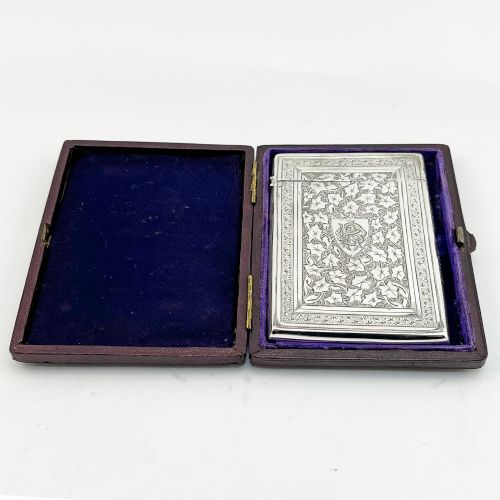
When you search for an antique card box, you encounter a specialised vessel designed to hold playing cards, cribbage pegs, or bridge tallies. These objects emerged during the Georgian, Victorian, and Edwardian periods as households embraced parlour pastimes and required dedicated containers to protect paper decks.
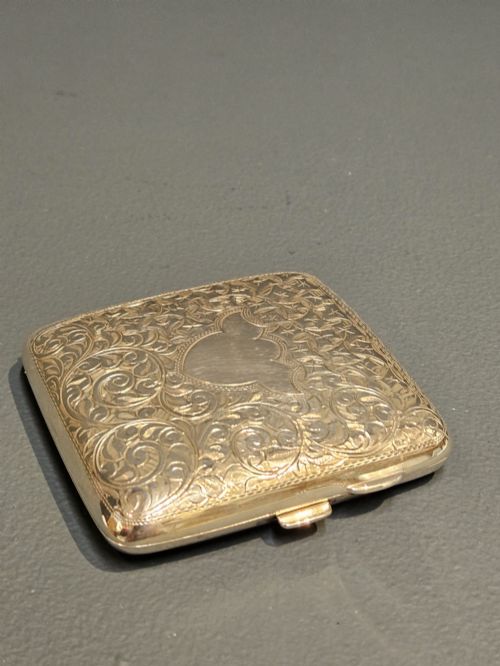
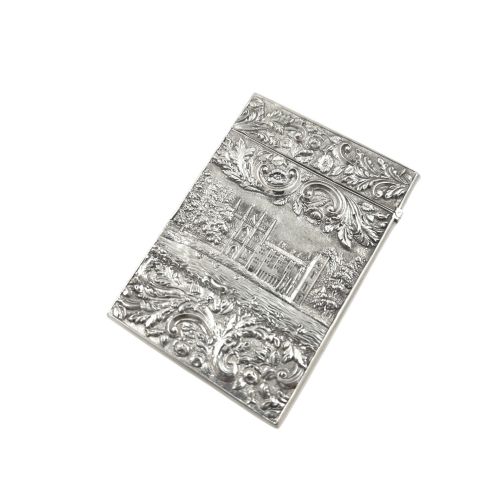
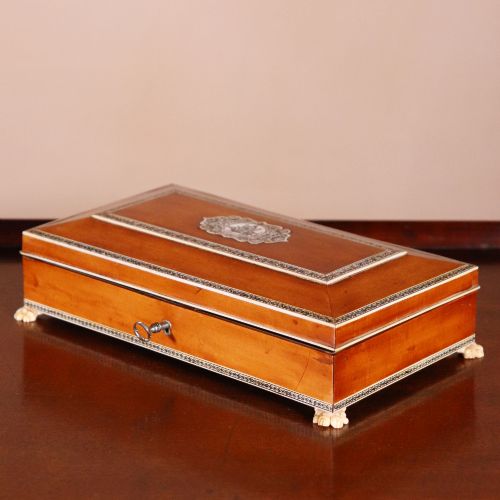
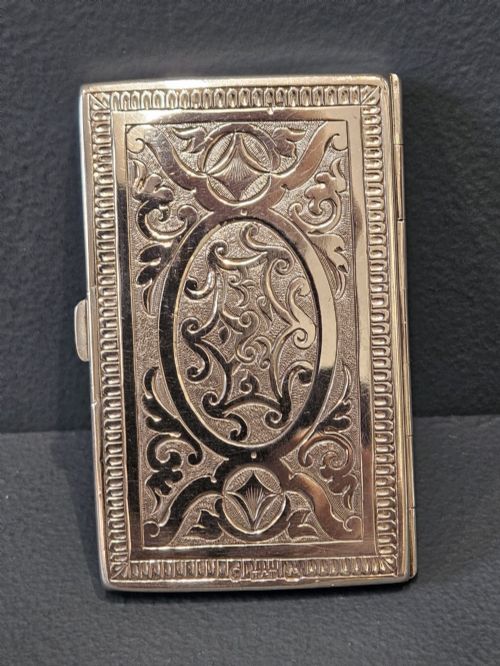
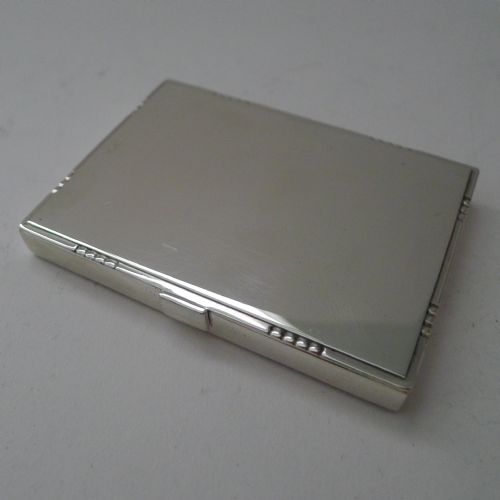
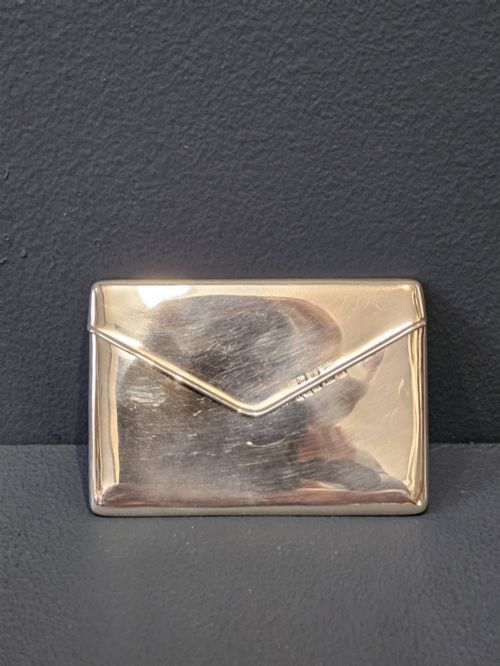
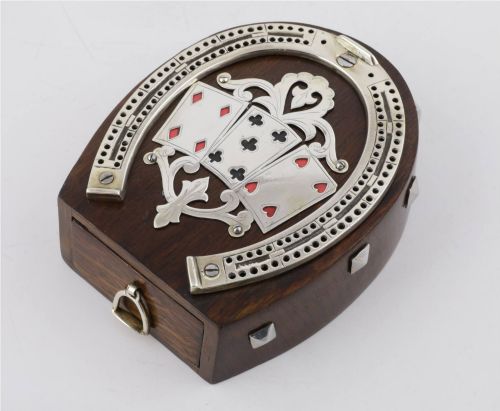
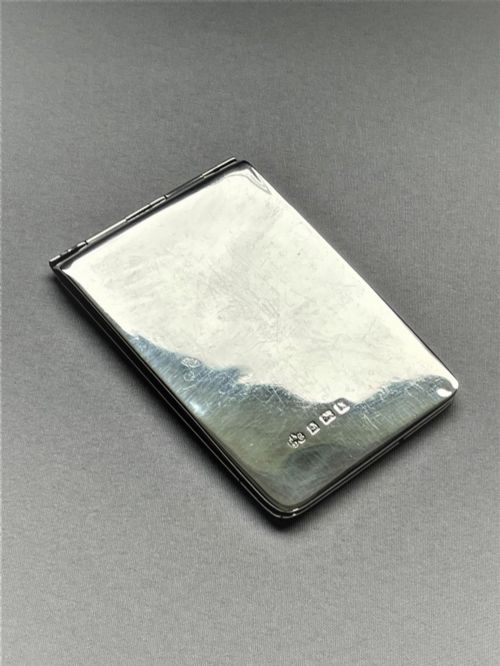
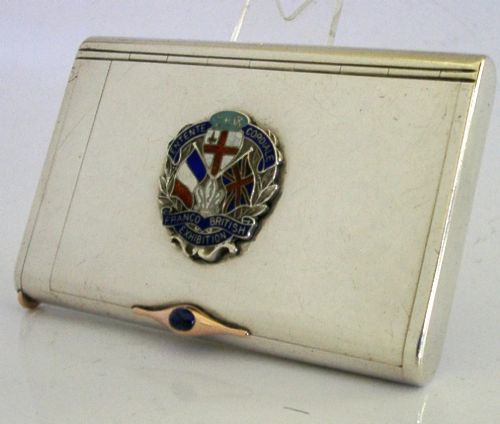
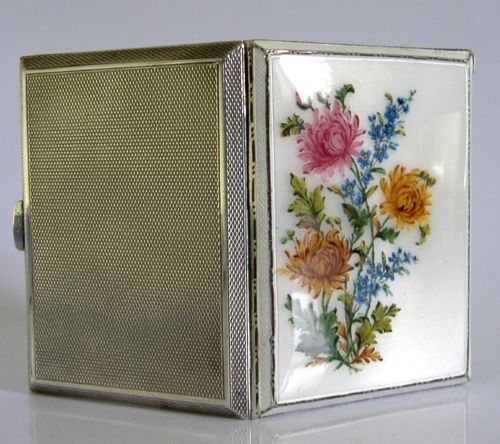
The versions most common on this page range from small pocket card cases in sterling silver to substantial wooden table caskets inlaid with marquetry or Tunbridge Ware. Alongside timber and metal, makers utilised leather, enamel, and mother of pearl to ornament these utilitarian items.
Many examples survive alongside related desk accessories, games compendiums, and sewing tables, reflecting the broader scope of nineteenth and early twentieth century domestic leisure. Whether formed as a simple wooden box or a silver casket lined with gilt, each piece preserves a specific social ritual of card play.
How they were made
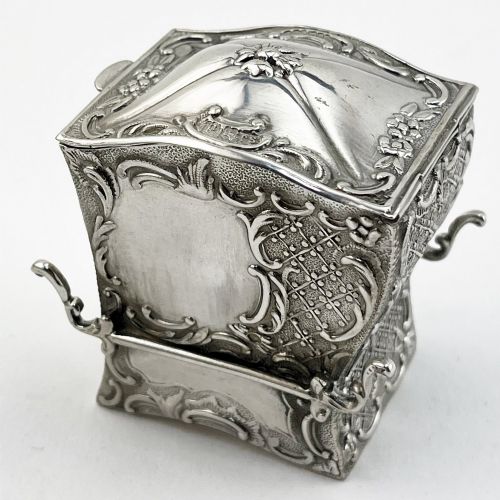
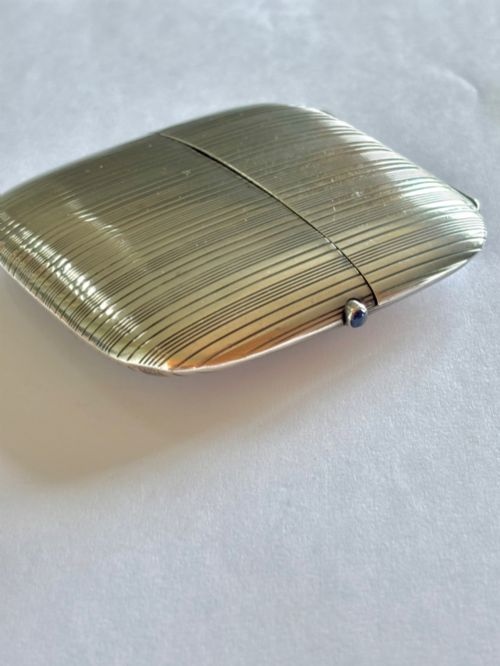
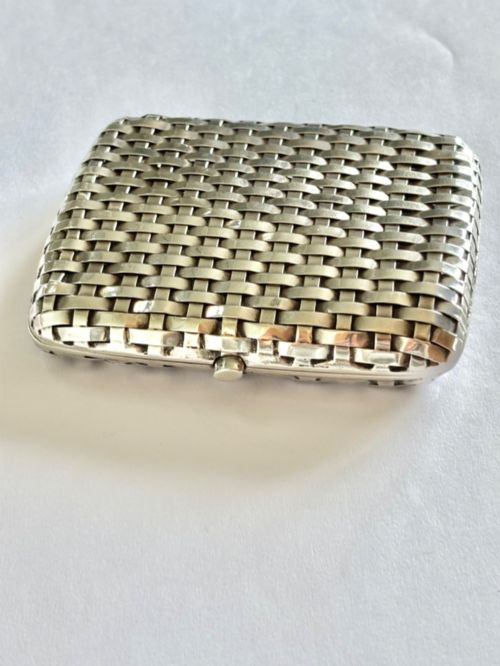
Silversmiths constructed metal card cases and boxes by stamping, piercing, and hand-engraving sheet sterling silver, frequently incorporating intricate castle top designs or repoussé deities. These metal pieces often featured hinged lids and velvet or silk linings to cushion the contents.
Cabinetmakers utilised dense timbers such as burr walnut, mahogany, and rosewood for larger games caskets, applying cross-banding, geometric parquetry, and marquetry inlay. Specialised workshops also produced Tunbridge Ware and Mauchline Tartan Ware by gluing tiny wood blocks or printed motifs onto the core structure.
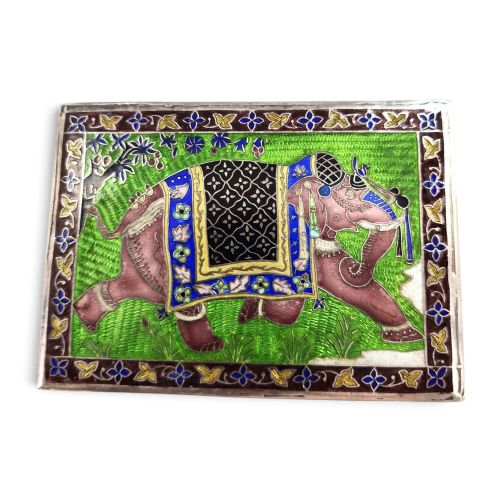
Makers integrated secondary materials like tortoise-shell, agate, and enamel to embellish the exterior surfaces. Artisans secured these panels with minute brass pins and hinges, ensuring durability for frequent handling during social card games.
Antique Card Box Retail Price Guide 2026
Typical asking prices for card box among the pieces listed under this phrase on Sellingantiques today, from the lower quarter to the upper quarter. They describe what is for sale here now, not the wider market.
Some Edwardian bridge boxes include sliding internal drawers that neatly eject the scorepad when you open the lid.
What varies in quality
The distinction between ordinary and superior pieces rests on the crispness of the hand-chased detail and the precision of the joinery. Master silversmiths and cabinetmakers achieved tighter lid closures and sharper engraved lines, whereas lesser examples display softer motifs and uneven gaps.
Material selection dictates the upper tier of the range, marked by heavy-gauge silver, unblemished burr walnut veneers, and complex multi-wood parquetry. Inferior boxes rely on thin metal plating or plain secondary timbers with minimal decorative ornamentation.
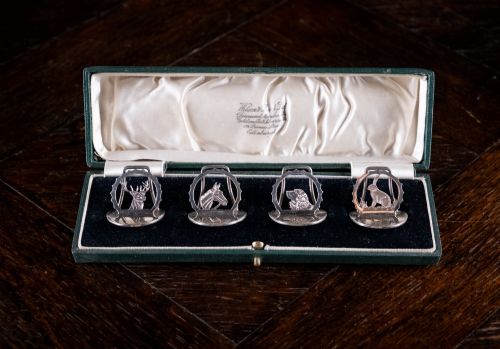
The integrity of the interior fittings, including original silk linings, dividers, and matching game markers, elevates an example. Pieces retaining their complete original contents demonstrate superior provenance and careful preservation.
Nathaniel Mills·Levi & Salaman·George Unite·Edward Edwards·Cartier·Dunhill·Mappin & Webb·Liberty & Co·Asprey·A Wilcox
The Antique Card Box Glossary
- Tunbridge Ware
- A type of British woodworking characterised by mosaic designs formed from thousands of tiny tinted wood blocks. These micro-mosaic patterns typically depict local flora, geometric borders, or architectural landmarks on the box lid.
- Marquetry
- The art of applying thin decorative veneer pieces to a wooden structure to create pictorial or abstract patterns. Craftsmen utilised contrasting natural timbers to achieve tonal shading without paint.
- Repoussé
- A metalworking technique where the artisan hammers the reverse of a silver sheet to form a raised design in relief on the front. This method allowed makers to render elaborate figures, foliage, and animals.
- Parquetry
- A geometric mosaic of wood pieces used to cover a surface in regular patterns. Unlike marquetry, parquetry strictly adheres to repeating angular shapes like squares, triangles, and diamonds.
- Bridge Box
- A container specifically proportioned to hold two packs of playing cards alongside score pads and pencils. These gained popularity during the Edwardian era when contract bridge became a dominant household pastime.
- Gilt
- A thin layer of gold applied to the interior surface of a silver box. This treatment protected the base metal from tarnishing through contact with paper cards and handling.
Antique Card Box: Frequently Asked Questions
What were antique card boxes used for?
These boxes stored playing cards, score cards, and betting counters safely away from dust and moisture when not in use. Households brought them out during evening gatherings and house parties for games like whist, cribbage, and bridge.
Smaller silver card cases served a different purpose, protecting calling cards that gentlemen and ladies carried for social visits. The varied sizes reflect the distinct settings of formal parlor entertainment and daily social etiquette.
How do I tell a Victorian box from an Edwardian one?
Victorian pieces tend to feature heavier, ornate decoration such as deep relief engraving, dark rosewood timbers, and elaborate Tunbridge Ware mosaics. The forms often emphasise rich textures and dense floral or architectural motifs.
Edwardian examples often lean toward lighter woods, simpler satinwood banding, and refined neoclassical silver mounts tailored for bridge parties. Hallmarks on silver mounts provide definitive dates for metal pieces across both eras.
Can I still use an antique card box today?
Many boxes remain entirely functional for holding modern playing cards, business cards, or small trinkets on a desk. The sturdy construction of nineteenth-century timber and solid silver allows for gentle, regular handling.
Owners should protect fragile surfaces like enamel panels or delicate veneers from moisture and direct sunlight. Using the interior compartments for contemporary dry storage preserves the historic lining fabrics.
What is the difference between a games box and a card box?
A card box is specifically sized to hold one or two decks of cards and occasionally score pads. These are typically smaller and more compact.
A games box or compendium functions as a larger multi-game container holding chess pieces, dominoes, counters, and multiple card decks within partitioned trays. Many games boxes also feature folding lids that double as playing surfaces.