


Antique Games Box
When you search for an antique games box, you enter a parlour world of polished wood, fitted cards and midnight wagers.
Antique Games Box
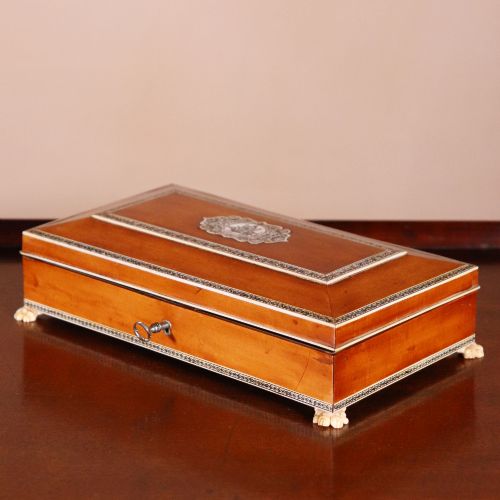
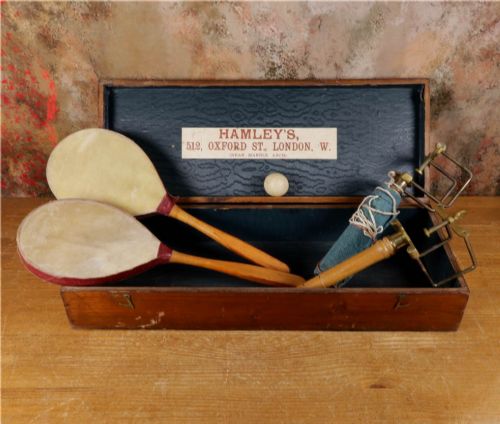
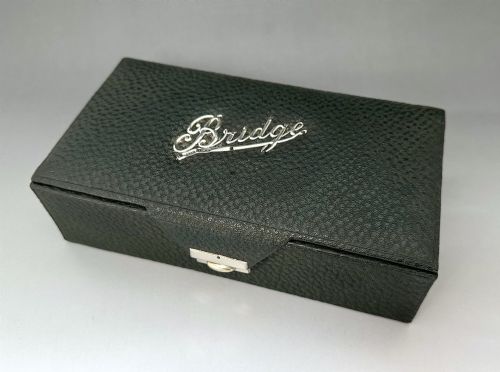
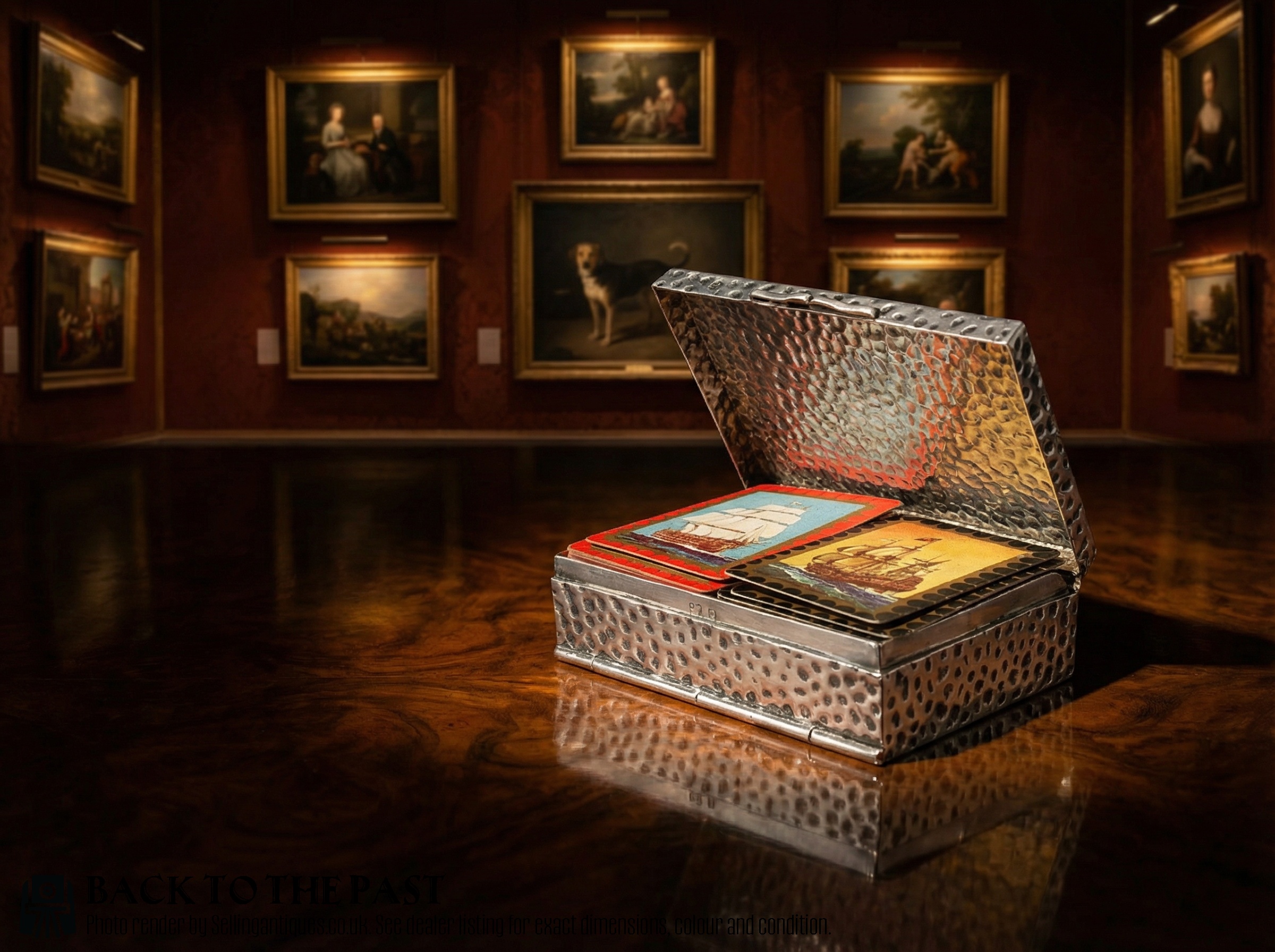
An antique games box provides a dedicated vessel for household pastimes, housing everything from playing cards to bone dominoes within a compact wooden container. These items range from small card caskets to large compendiums containing multiple boards and pieces for chess, backgammon and cribbage.
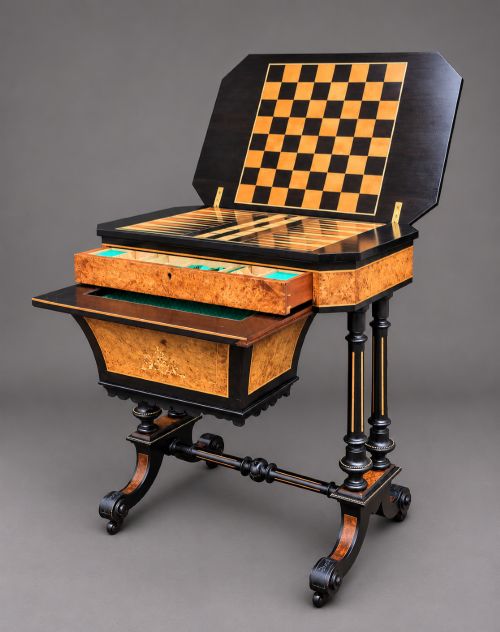
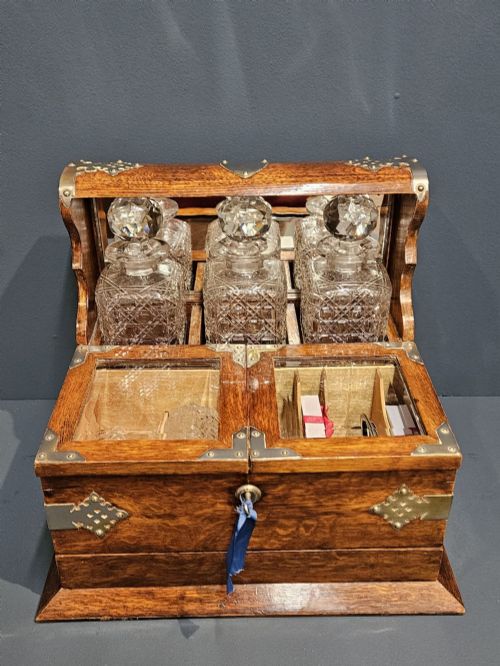
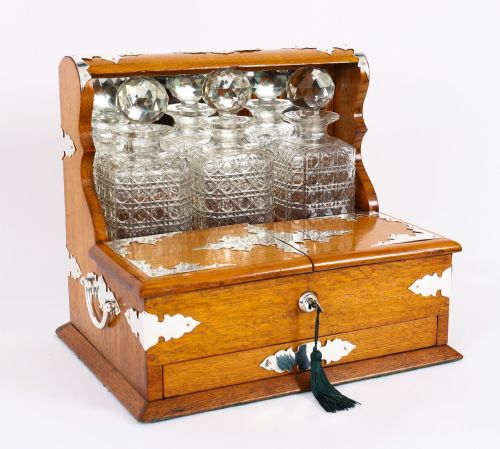
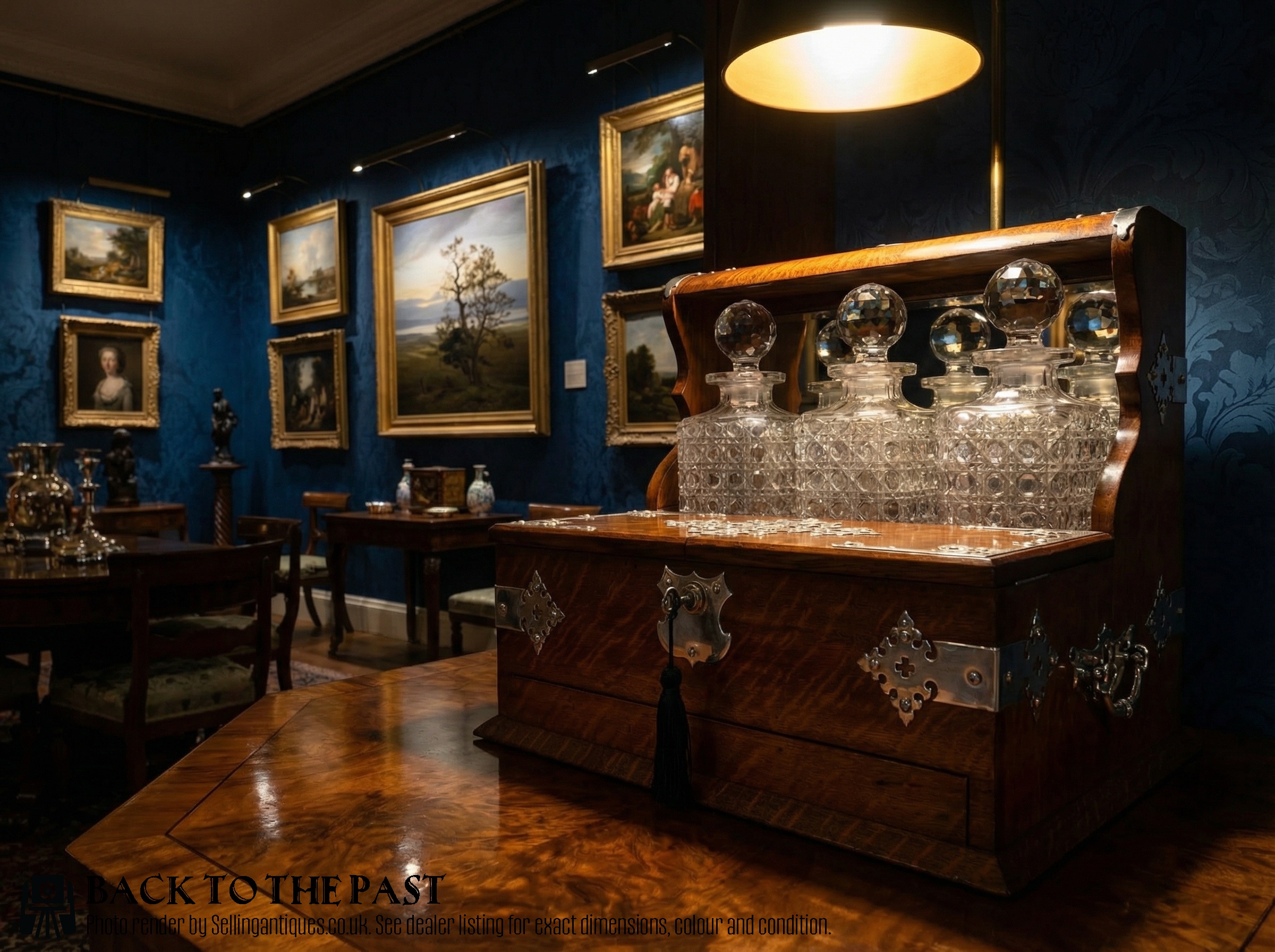
Many examples double as work tables or sewing boxes, combining folding playing surfaces with storage for threads and needles beneath the lid. Others incorporate decanters and drinking glasses alongside the gaming compartments, functioning as complete dry bars for Victorian and Edwardian sitting rooms.
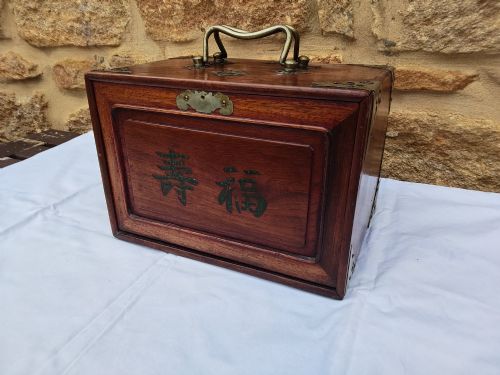
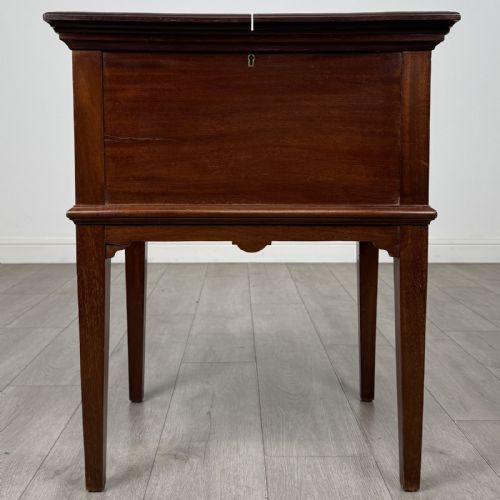
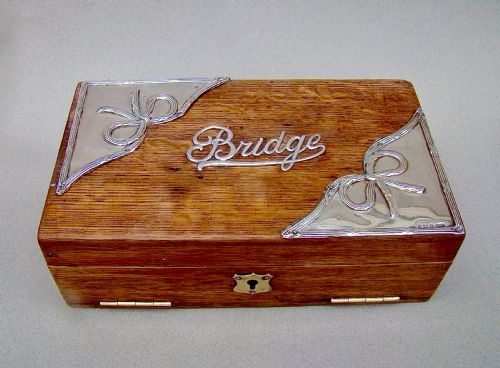
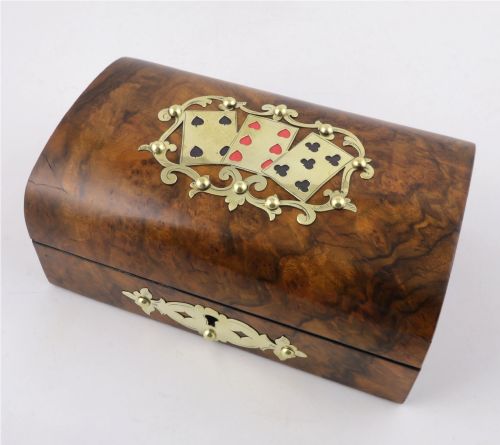
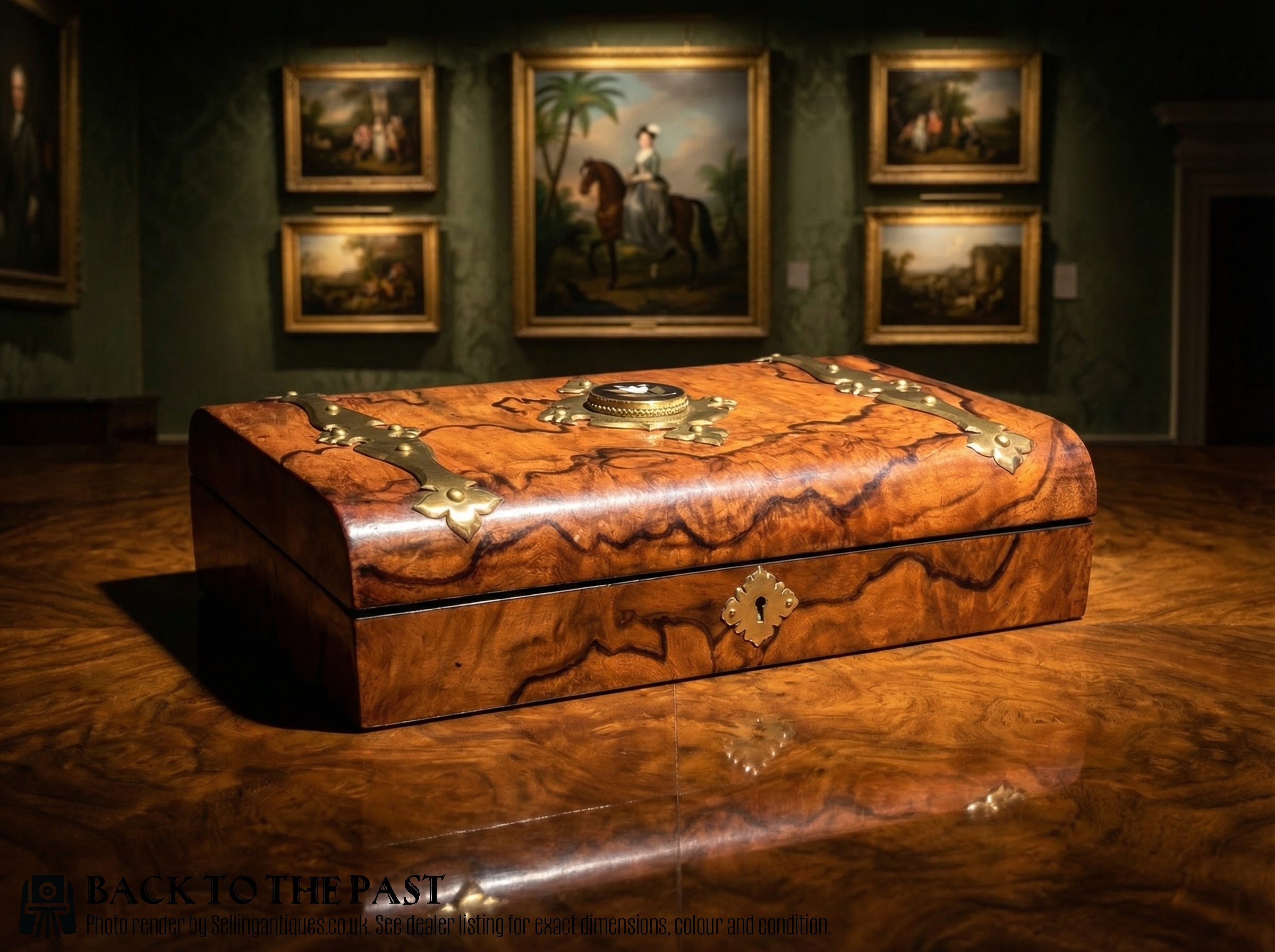
The versions most frequently met on this page date from the nineteenth and early twentieth centuries, spanning the Victorian and Edwardian eras. They appear in richly figured timbers like burr walnut, mahogany and rosewood, often fitted with brass mounts or intricate marquetry inlay.
Materials and construction
Cabinet makers utilised dense native and exotic hardwoods for the exterior carcasses, favouring oak, walnut, mahogany and rosewood. These timbers were frequently enhanced with burr walnut veneers, satinwood banding or marquetry inlay to create decorative geometric and floral patterns on the lid.
Internal trays and dividing partitions were constructed from lighter secondary woods to organise counters, dice and folding boards efficiently. Metal elements such as brass hinges, escutcheons, carrying handles and locking mechanisms provided both structural reinforcement and polished visual contrast.
Finer boxes incorporated specialist decorative techniques, including Tunbridge Ware mosaic woodwork, hand-painted papier mâché panels or leather binding fashioned to resemble faux books. Components like counters and game markers were frequently carved from bone, boxwood or ivory to withstand regular handling.
Antique Games Box Retail Price Guide 2026
Typical asking prices for games box among the pieces listed under this phrase on Sellingantiques today, from the lower quarter to the upper quarter. They describe what is for sale here now, not the wider market.
Form variations include folding travel chess sets, decanter compendiums, work tables, and leather-bound faux book boards.
Variations in quality
The standard of a piece rests largely on the complexity of its internal arrangement and the completeness of its original contents. Boxes that retain their matching sets of carved bone counters, pristine score markers, original cards and working brass locks command greater appreciation.
Cabinetmaking technique dictates the durability and visual appeal of the exterior, particularly the precision of the veneer matching and inlay work. Uniform grain selection, tightly joined mitres and substantial brass hardware distinguish master-built compendiums from simpler commercial production.
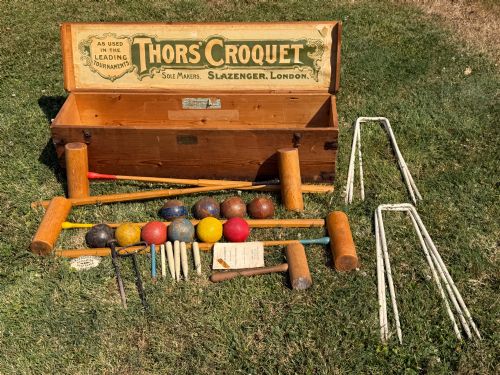
A. Wilcox·Levi and Salaman·Slazenger·F. H. Ayres Ltd.·A.W. Gamage
The Antique Games Box Glossary
- Compendium
- A single boxed collection containing equipment and boards for multiple different games. These multi-tiered sets usually house chess pieces, draughts counters, cribbage boards and playing cards in fitted wooden layers.
- Tantalus
- A locking wooden frame holding decanters that prevents guests from pouring drinks without a key. In combined compendiums, this locking spirit section sits alongside the gaming drawers.
- Tunbridge Ware
- Small decorative wooden items decorated with mosaic patterns made from tiny segments of naturally coloured timbers. These minute tesserae form pictorial scenes or geometric borders on box lids.
- Cribbage board
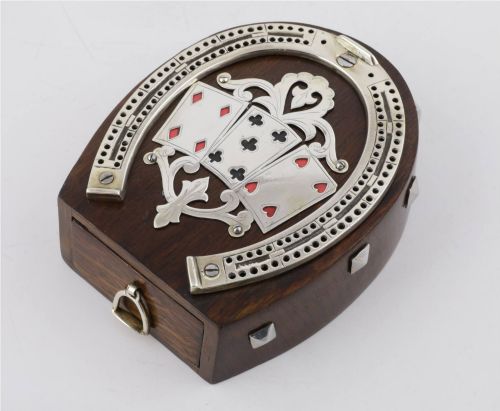
- A scoring board featuring parallel tracks of small holes for pegged scoring during card games. They appear either as separate folding boards or integrated directly into the wooden lid of a games box.
- Teettotum
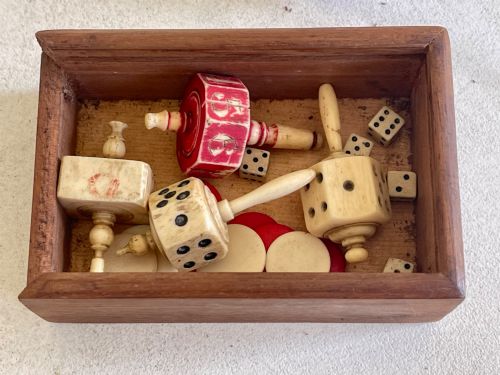
- A small spinning top marked with letters or numbers used to determine scores in parlour games. Prisoner of war examples were frequently carved from beef bones during the Napoleonic conflicts.
Antique Games Box: Frequently Asked Questions
What games did Victorians play?
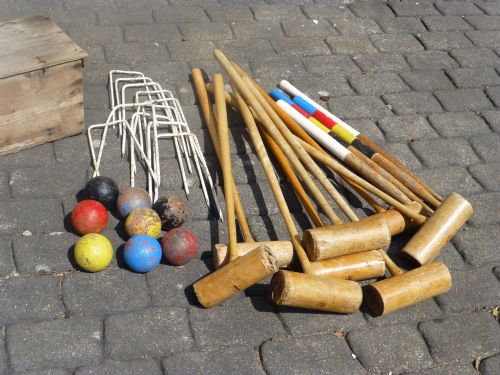
Victorian households enjoyed a wide variety of pastimes that required specialised equipment, ranging from traditional board games like chess and backgammon to card games and table croquet.
Comprehensively fitted boxes allowed families to transition easily from quiet evening pastimes like cribbage to more active parlour amusements.
How are complete sets identified?
Original sets usually feature fitted wooden trays and compartments designed specifically to hold every component snugly without rattling. Matching wood tones and consistent wear across the dice, counters and boards indicate a unified set rather than assembled replacements.
Checking internal partitions against the surviving pieces helps confirm that the box retains its original gaming apparatus.
Where were these boxes used?
These boxes lived primarily in the drawing rooms and libraries of nineteenth-century homes, where guests gathered for evening entertainment. Gentlemen also travelled with smaller portable versions of chess sets and card boxes.
Their decorative exterior designs meant they could remain on display as occasional table ornaments when not in active use.
How do I date a games box?
Dating relies heavily on the prevailing furniture styles, construction methods and materials of the period. For instance, Regency boxes often feature brass inlay and sarcophagus forms, while late Victorian compendiums frequently combine heavy oak with locking tantalus frames.
Makers' marks on silver mounts or incorporated game components provide more precise calendar years.