



Antique Parlour Game
An antique parlour game brings nineteenth-century drawing-room entertainment directly to the table.
Identifying an antique parlour game
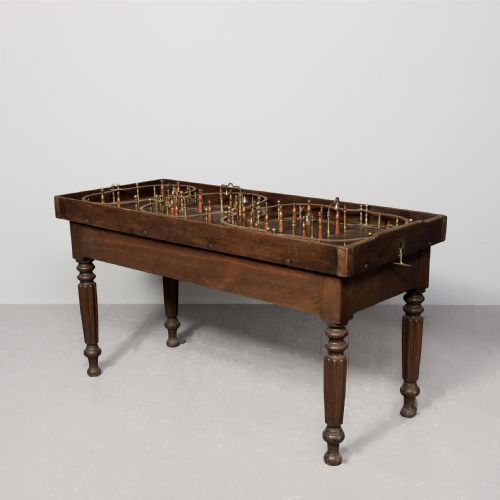
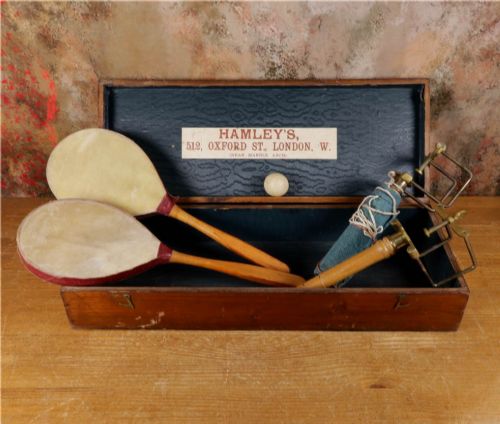
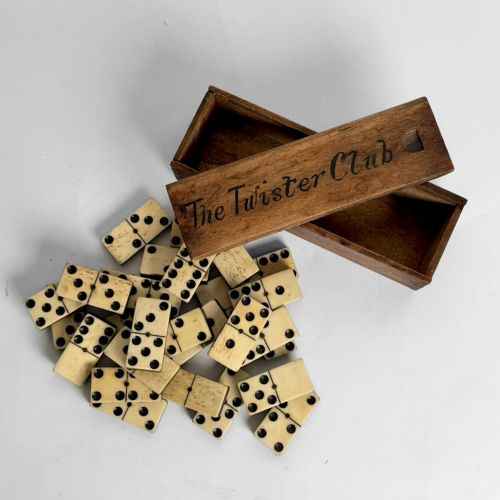
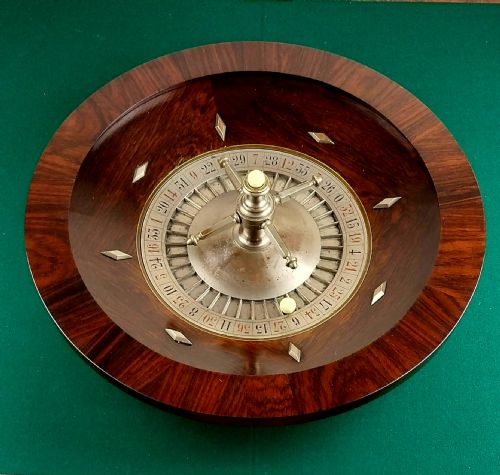
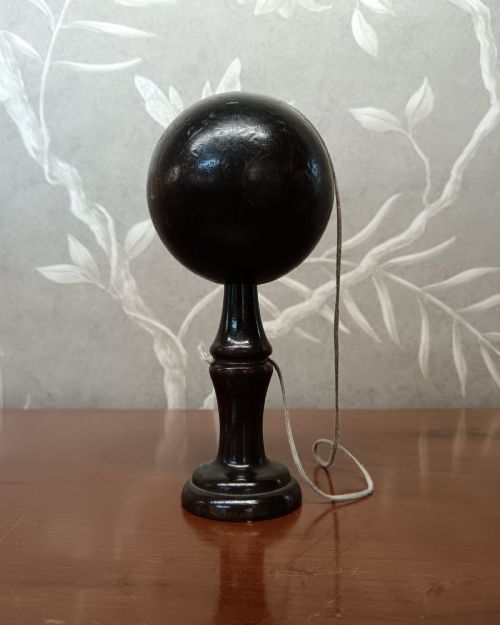
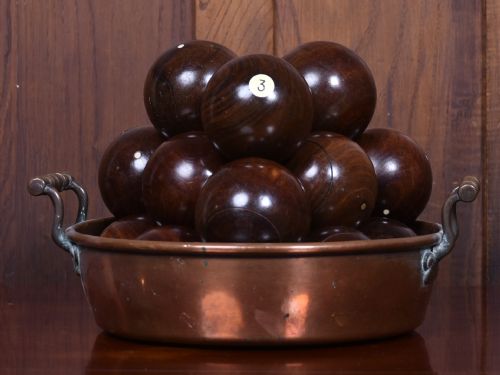
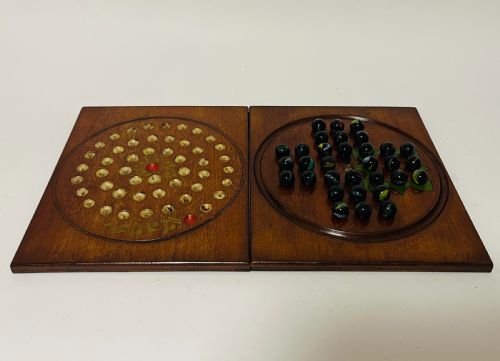
An antique parlour game comprises competitive pastimes designed for home amusement, spanning periods from the early nineteenth century through the Edwardian era. These encompass boxed sets of dominoes, skittles, squails, table tennis, roulette wheels, and cribbage sets.
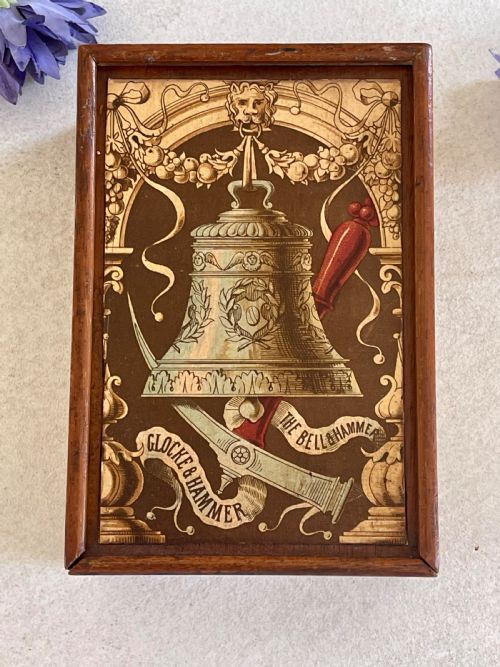
The objects take various forms including freestanding wooden items, gaming boxes, and complete sets housed in original containers. Materials range from timber such as oak, pine, and rosewood to brass, bone, vellum, and cotton.
Victorian and Edwardian examples dominate the selection, alongside earlier George IV pieces. Buyers encounter both individual pastimes and compendiums housing multiple gaming equipment options.
Materials and construction
Maker construction relies heavily on traditional cabinet timbers like oak, pine, and rosewood to form sturdy boards, boxes, and freestanding frames. Brass and bone often provide functional components, hinges, and counters.
Textiles such as cotton and vellum appear in equipment housings and scoreboards, combining with painted glass surfaces on specific boards. Each piece reflects the standard joinery and turning techniques of the nineteenth and early twentieth centuries.
Retail Price Guide 2026
Typical UK retail prices for parlour game, calculated from the Sellingantiques database of over a million retail prices indexed since 2003. This retail price guide relies exclusively on Sellingantiques data; no external sources or auction records are used, so the figures do not describe the wider market.
Assessing quality
Quality differentiates through the integrity of the original materials and the preservation of complete components within boxed sets. Finer examples retain their original painted surfaces, specialised timber housings, and complete functional equipment without replacement parts.
The distinction between standard commercial production and superior execution rests on the quality of the turning, the selection of dense hardwoods like rosewood or oak, and the survival of makers' branding.
Jaques·Hamleys
The Antique Parlour Game Glossary
- Compendium
- A single boxed set containing multiple games and gaming equipment. These collections typically include chess, cards, and other board pastimes.
- Squails
- A traditional table game where players strike wooden discs across a surface to score points. Equipment usually consists of turned wooden pieces.
- Cribbage
- A card game traditionally tracked on a specialised board with pegged scoring rows. Surviving sets often feature three-hand configurations in turned wood or bone.
- Gossima
- An early nineteenth-century precursor to table tennis. Associated with notable makers like Jaques and Hamleys.
- Skittles
- A miniature bowling pastime played with turned wooden pins and a ball. Freestanding versions utilise oak frames.
Frequently Asked Questions
What is an antique parlour game?
An antique parlour game is a domestic pastime from the nineteenth or early twentieth century, designed for indoor entertainment among family and guests.
These items range from boxed domino sets and roulette wheels to freestanding skittles and table tennis equipment.
How were parlour games used?
Players used them for social recreation and competitive entertainment in domestic drawing rooms and parlours during the Victorian and Edwardian periods.
Equipment was set up on tables or floors depending on whether the pastime involved cards, counters, skittles, or spinning wheels.
How do I date an antique game?
Dating relies on stylistic indicators, materials, and maker marks associated with periods such as George IV, Victorian, or Edwardian production.
Box construction, timber types like rosewood and oak, and specific game types help place the object within the nineteenth or early twentieth century.
What materials are used?
Maker construction utilises a range of traditional materials, predominantly woods such as oak, pine, and rosewood.
Additional components incorporate brass, bone, vellum, cotton, and painted glass, depending on the specific gaming equipment.