

Antique Wooden Gaming Box
An antique wooden gaming box brings parlour entertainment into the room, holding everything from chess sets to cards in fitted compartments.
Antique Wooden Gaming Box
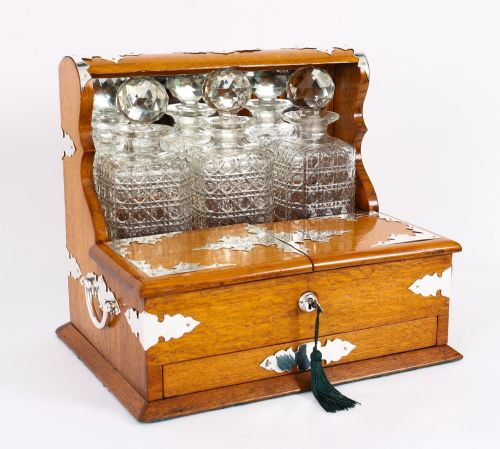
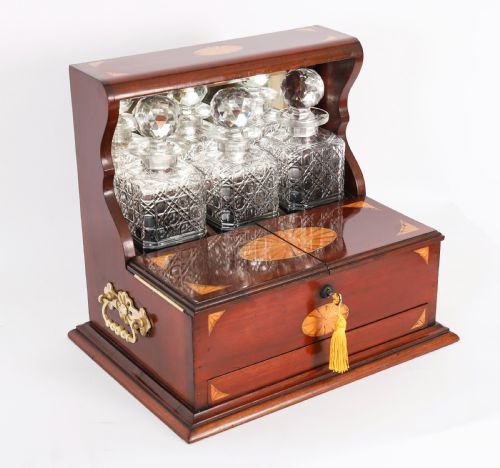
An antique wooden gaming box collects pastimes of the nineteenth and early twentieth centuries, spanning periods from the Regency era through the Edwardian years. These pieces range from simple card boxes and cribbage boards to large compendiums incorporating decanters and multiple games.
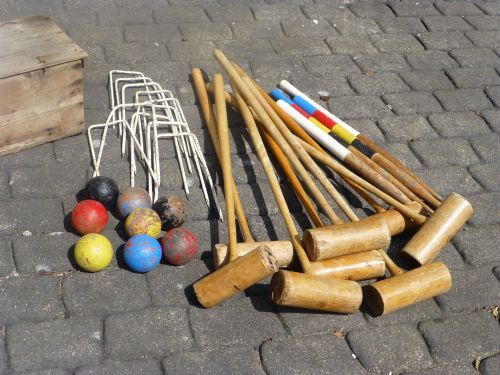
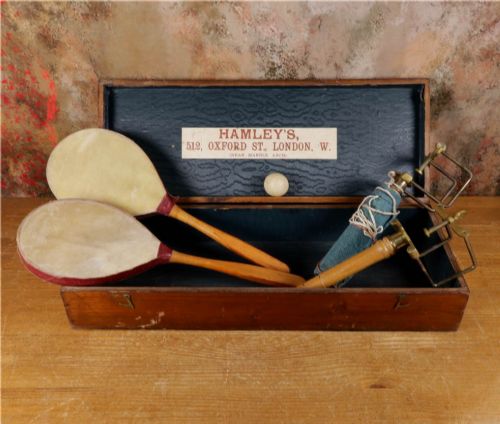
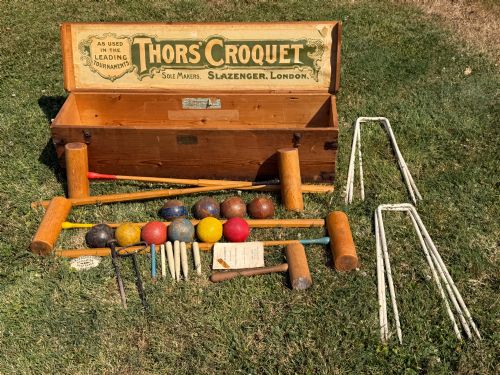
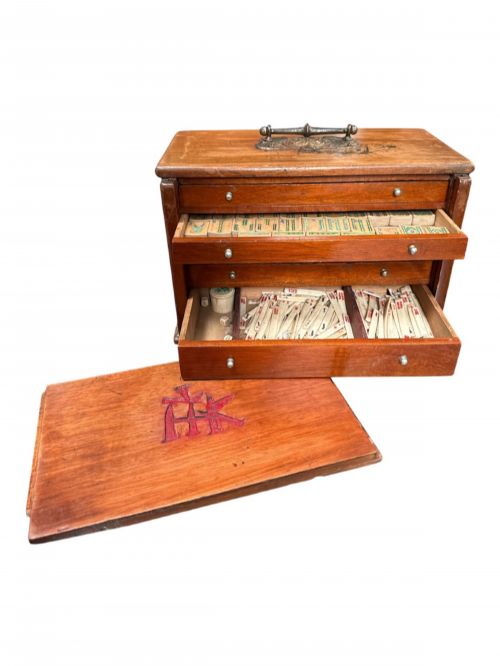
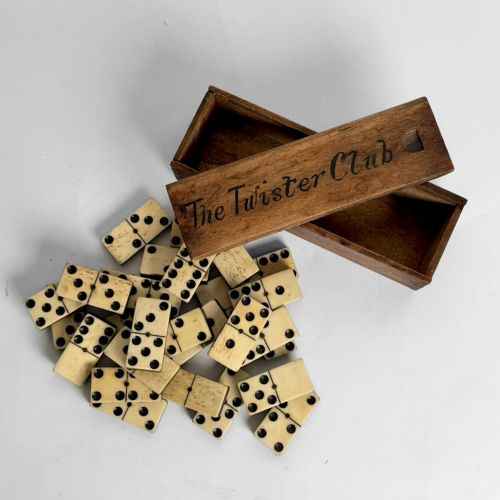
Buyers meet varied formats on this page, including chess and backgammon boards, domino sets, and fitted wooden cabinets housing mahjong or croquet. Woods such as mahogany, walnut, oak, and rosewood form the primary housing for these pastimes.
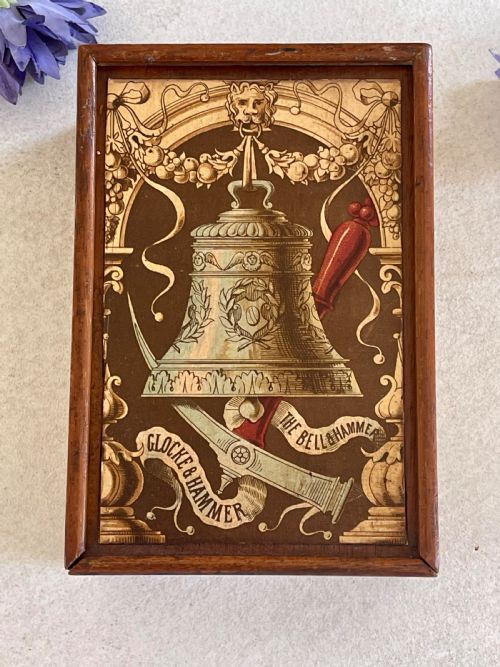
Origins stretch across English workshops, continental European carvers, and Chinese regional makers, reflecting how families and travellers occupied their leisure hours. Many retain their original interior fittings, sliding lids, or brass mounts designed to protect counters and dice.
Materials and Construction
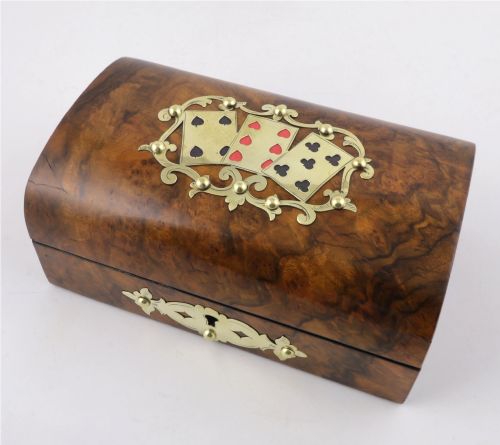
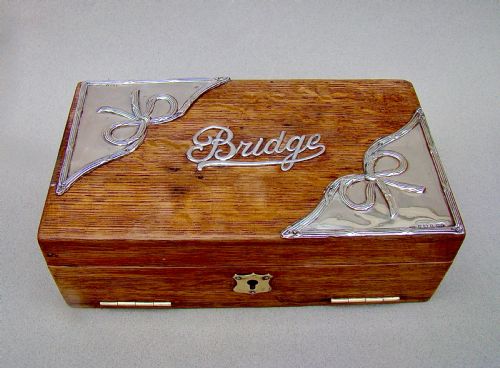
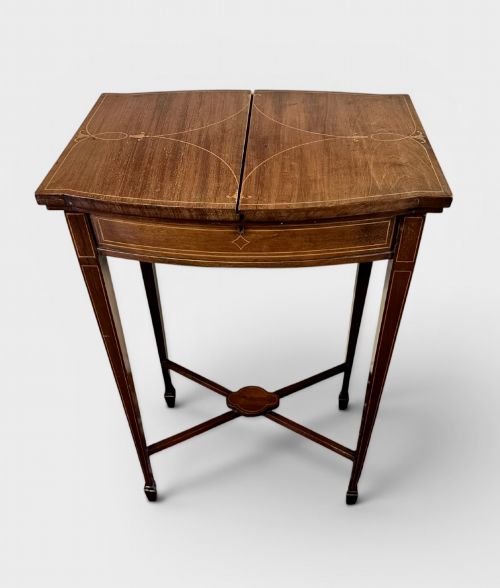
Cabinet makers utilised dense hardwoods like mahogany, walnut, and oak to build durable carcasses that withstood regular transport and daily parlour use. Inlaid veneers in satinwood, boxwood, and ebony often decorated the lids with geometric patterns or cribbage tracks.
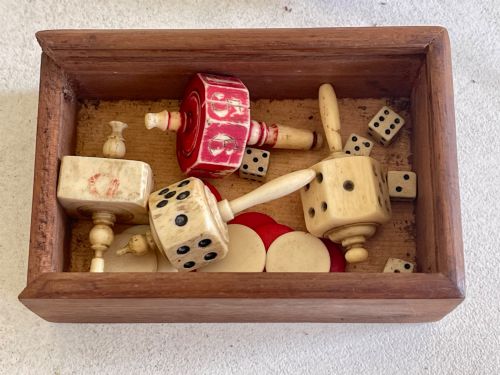
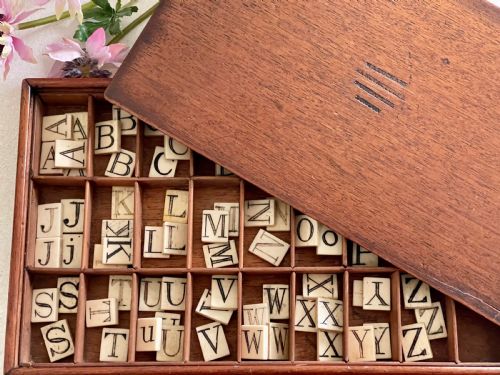
Internal components frequently incorporated turned boxwood and ebony for chessmen and draughts, alongside carved bone for dominoes and teetotums. Brass hinges, locks, and corner brackets provided structural reinforcement while adding functional detail to the exterior.
Some nineteenth-century boxes include bone prisoner-of-war teetotums, tiny spinning tops carved by hand during historic naval conflicts.
Evaluating Quality and Craftsmanship
Quality rests in the precision of the internal partitioning and the integrity of the fitted compartments designed to hold specific pieces without movement. Superior examples display finely cut dovetail joints and well-figured wood grains that have aged with a rich patina.
The standard of the contents dictates overall merit, separating utilitarian sets from those accompanied by signed makers' pieces or hand-carved elements. Original mounts, intact locks with working keys, and complete sets of matching counters elevate an item above standard production.
Levi & Salaman·Jaques & Hamleys·F.H.Ayres Ltd.·British Chess Company
The Antique Wooden Gaming Box Glossary
- Compendium
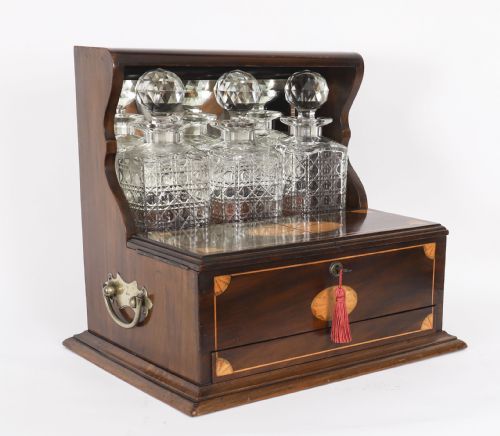
- A single fitted box containing multiple distinct games and pastimes. These often combine chess, backgammon, cards, and sometimes a tantalus within one cabinet.
- Cribbage board
- A scoring board featuring parallel tracks of small holes for pegged scoring during card games. They appear integrated into box lids or as standalone wooden items.
- Tantalus
- A locking wooden frame holding decanters to prevent access without a key. In many larger pieces, this mechanism shares housing with a games compendium.
- Penwork
- A decorative technique using fine ink lines on a prepared wooden surface to create pictorial or geometric designs. Regency boxes frequently employ this method on light-colored timbers.
- Teetotum
- A small spinning top marked with letters or numbers used for gambling and parlour wagering. They appear carved from bone in nineteenth-century collections.
Antique Wooden Gaming Box: Frequently Asked Questions
What games fit inside these boxes?
These boxes commonly hold chess sets, backgammon boards, playing cards, dominoes, and cribbage pegs within tailored compartments.
Larger compendiums expand to include dice, poker counters, or whole table croquet and ping pong sets.
How do I date an antique wooden gaming box?
Dating relies on combining the timber choice, brass hardware style, and any maker marks stamped into the wood or metal.
Victorian and Edwardian pieces often show machine-sawn internal dividers, whereas Regency examples favour hand-cut dovetails and painted penwork.
Were these boxes meant for travel?
Many smaller boxes were designed specifically for carriage travel, featuring sliding lids or locking clasps to secure contents on the move.
Larger table compendiums and cabinet-style boxes stayed in the drawing room as permanent fixtures for evening entertainment.
How should I care for the wood?
Maintain the finish by keeping wooden boxes away from direct heat sources and sudden humidity changes that cause timber to split.
Apply a light wax polish periodically to nourish dry grain and protect the original surface patination.