





Burr Walnut Games Box
These burr walnut games box examples combine rich timber veneers with fitted interiors made for Victorian card play and pastimes.
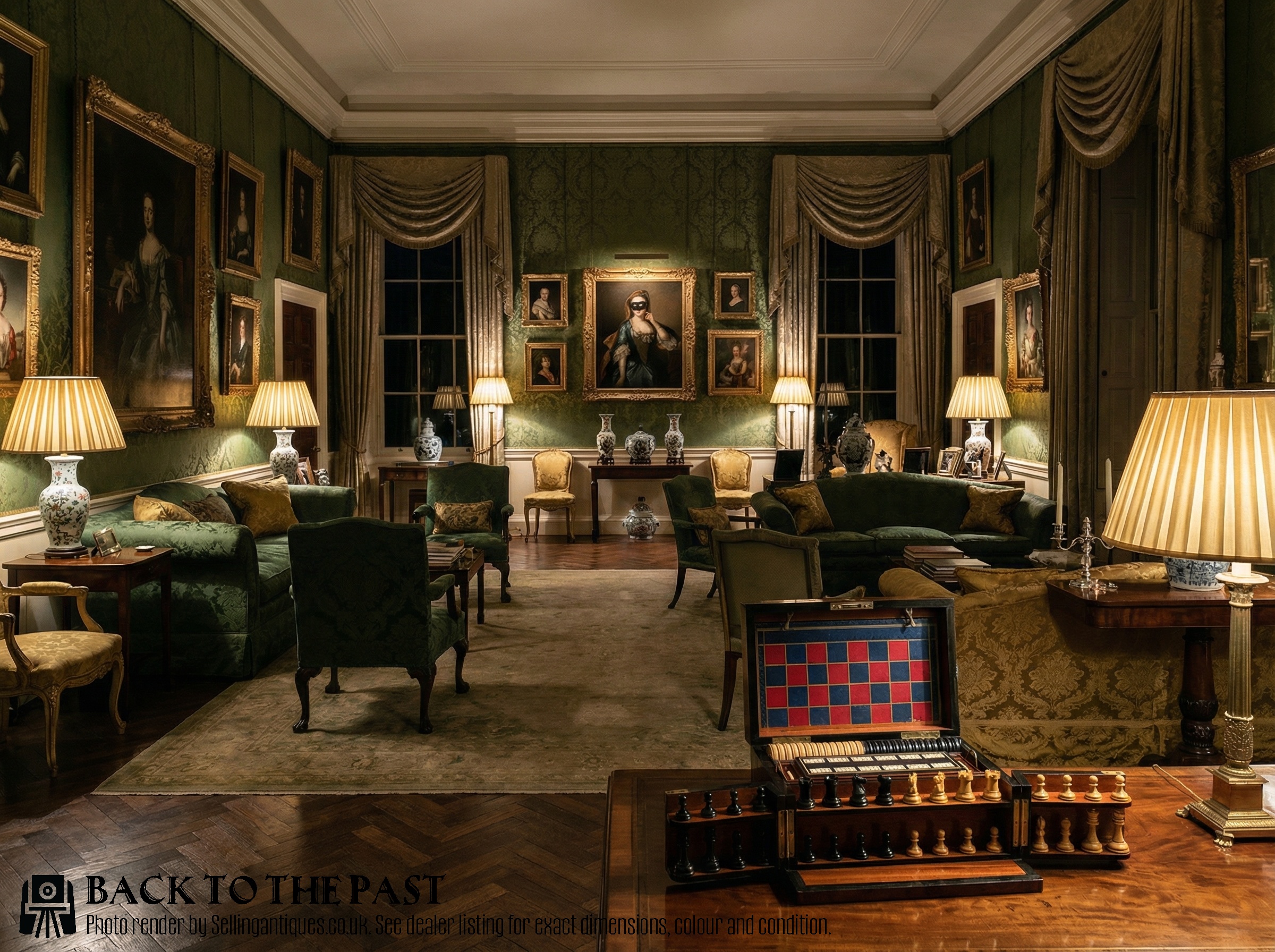
Burr Walnut Games Box
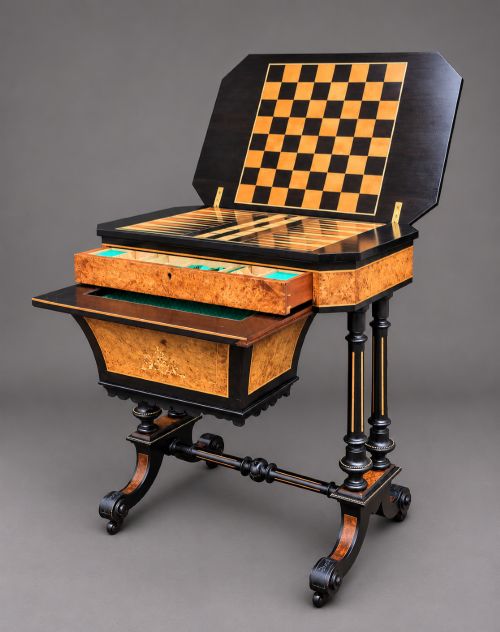
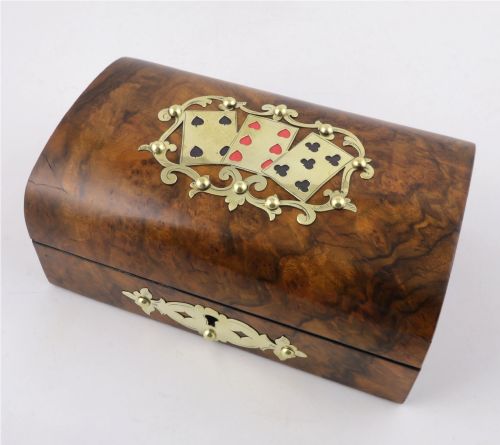
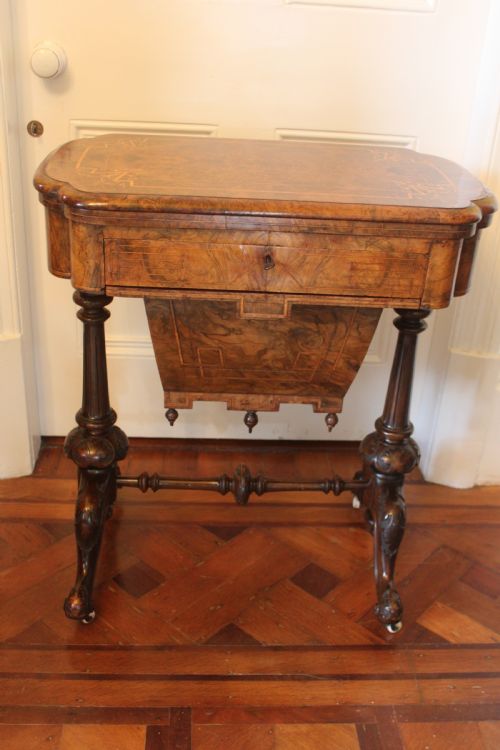
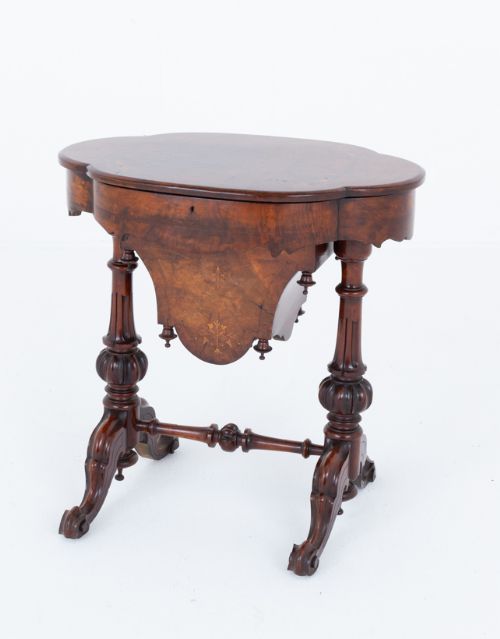
A burr walnut games box brings together decorative wood veneers and functional compartments designed for Victorian pastimes, card games, and compendiums. You will encounter table forms and smaller caskets created during the nineteenth century, often combining multiple uses such as sewing and writing.
The pieces on this page span Victorian periods and include occasional tables, work tables, and tabletop caskets. Many incorporate marquetry, fruitwood inlay, and brass details to frame the figured wood grain characteristic of the era.
How They Were Made
Cabinet makers utilised burr walnut veneers applied to solid wood foundations, creating striking figured patterns across the lids and panels. Artisans complemented these wooden surfaces with brass mounts, fruitwood inlay, and marquetry details.
Interiors frequently combined fabric, leather, and fitted wooden compartments to organise playing cards, counters, and sewing implements. Structural joinery and specialised interior trays reflect the multi-functional demands placed on nineteenth-century household furnishings.
Burr Walnut Games Box Retail Price Guide 2026
Typical asking prices for burr walnut games box among the pieces listed under this phrase on Sellingantiques today, from the lower quarter to the upper quarter. They describe what is for sale here now, not the wider market.
Listings feature nineteenth-century items incorporating burr walnut, brass, leather, and fruitwood inlay across various box and table formats.
What Varies in Quality
The distinction between standard examples and finer pieces rests in the richness of the burr walnut veneer and the precision of the marquetry and fruitwood inlay. Superior specimens display balanced figuring across every panel and meticulous alignment of brass and inlay work.
Interior execution also separates grades of production, with better examples retaining complete fitted trays, original fabric or leather linings, and intact compartments for games compendiums or sewing tools.
Betjemann
The Burr Walnut Games Box Glossary
- Burr walnut
- A specialised timber veneer harvested from walnut tree growths, prized for its swirling, highly figured grain patterns. Cabinet makers selected these decorative sections specifically for the primary surfaces of boxes and tables.
- Marquetry
- The art of forming decorative patterns by fitting together small pieces of different coloured wood veneers. Artisans applied this technique to tabletop surfaces and box lids to create geometric or floral motifs.
- Compendium
- A multi-purpose box or cabinet designed to hold equipment for several different games and pastimes. These vessels typically house playing cards, dice, counters, and sometimes sewing or writing implements.
- Fruitwood inlay
- Contrasting light or dark wood insertions used to outline borders and decorative panels on furniture and boxes. Boxwood and other fine fruitwoods provided the sharp lines seen in nineteenth-century designs.
- Work table
- A multi-functional nineteenth-century table featuring internal compartments, drawers, or hanging bags for sewing and needlework. Many double as games tables with reversible or folding tops.
Burr Walnut Games Box: Frequently Asked Questions
What is inside a games box?
These boxes typically contain fitted compartments, removable trays, and spaces designed to hold playing cards, dice, counters, and sometimes sewing equipment. Many also feature specialised boards or surfaces for specific pastimes.
More elaborate compendiums combine multiple games into a single cabinet with dedicated slots for every piece and accessory.
How do I date a burr walnut box?
Dating relies on construction methods, hardware styles, and timber treatments characteristic of the nineteenth century. Details like brass inlay, lock mechanisms, and interior linings help narrow the production period.
Victorian pieces often display specific proportions and decorative vocabularies associated with cabinet work from the mid-to-late 1800s.
Where were these boxes used?
Victorian households placed them in drawing rooms, parlours, and sitting rooms where family members and guests gathered for evening entertainment. They served both as decorative parlor furniture and practical containers for recreation.
Table versions stood permanently in reception rooms, while smaller caskets sat easily on side tables and desks.
How do I care for burr walnut?
Protect the veneered surfaces by keeping them away from direct sunlight and maintaining stable room humidity levels. Gentle dusting with a dry or slightly damp cloth preserves the finish without harming the historic timber.
Avoid placing items with rough bases directly on the polished wood to prevent scratching the delicate grain.