




19th Century Games Box
A 19th century games box brings clever engineering and social play together into a single, highly decorative tabletop container.
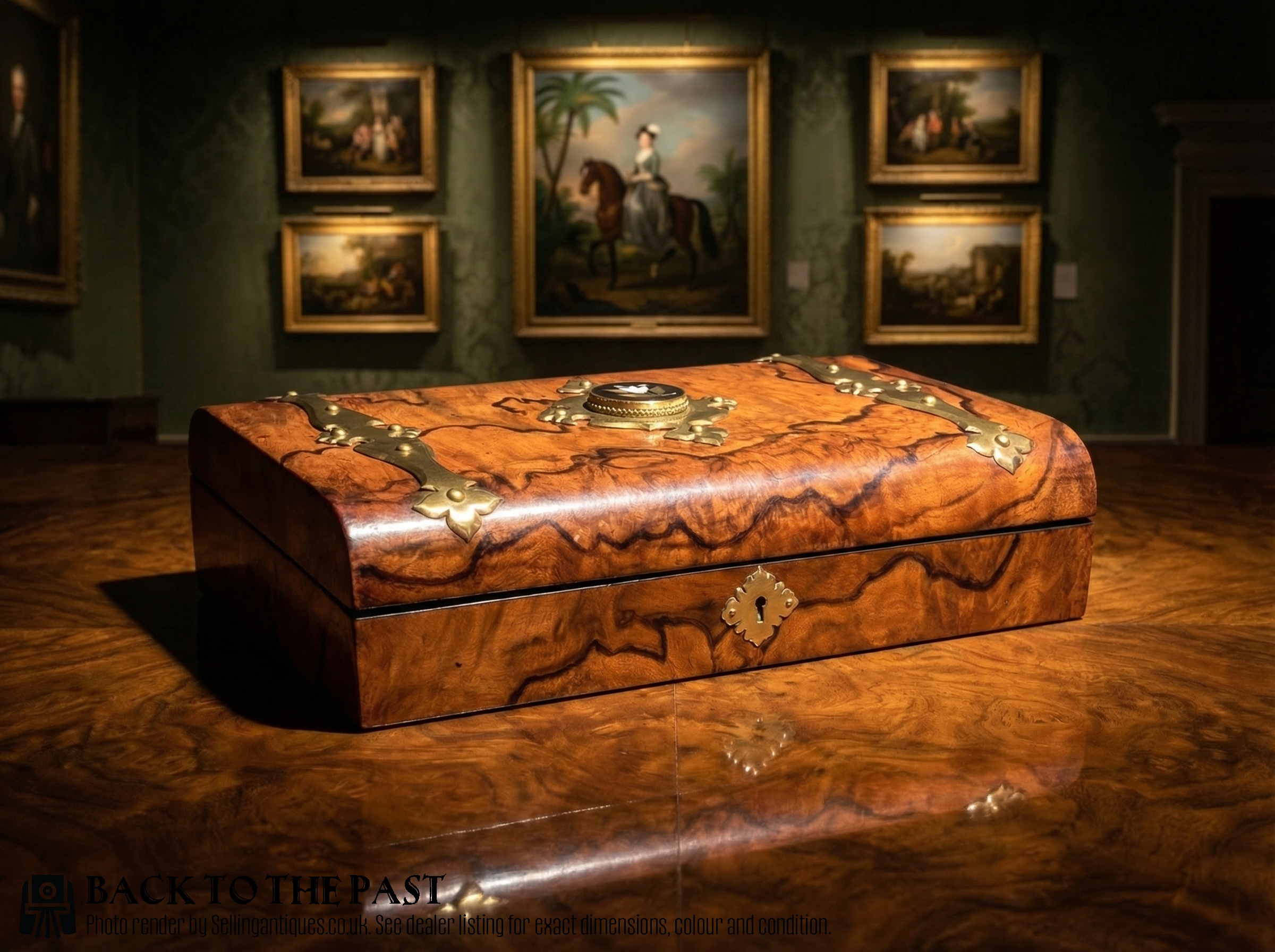
Identifying a 19th century games box
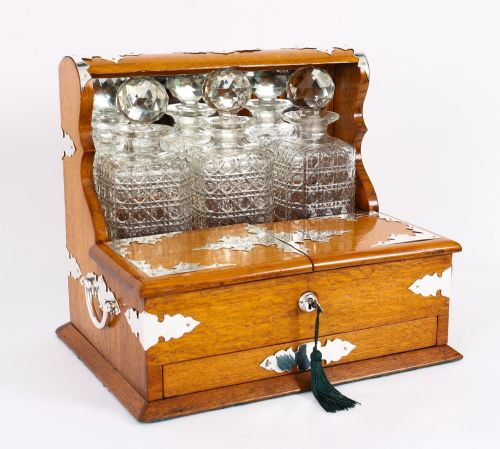
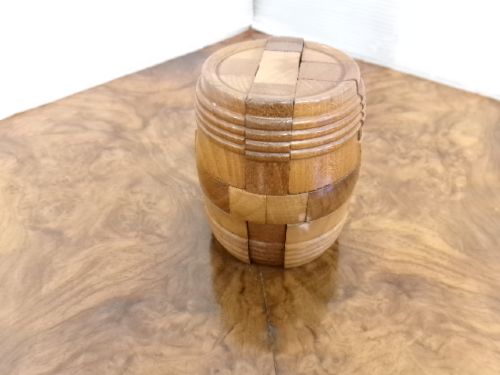
A 19th century games box is a specialised container built to house various parlour amusements such as chess, backgammon, cards, and dominoes. These pieces range from compact card boxes to elaborate compendiums containing multiple boards and playing pieces.
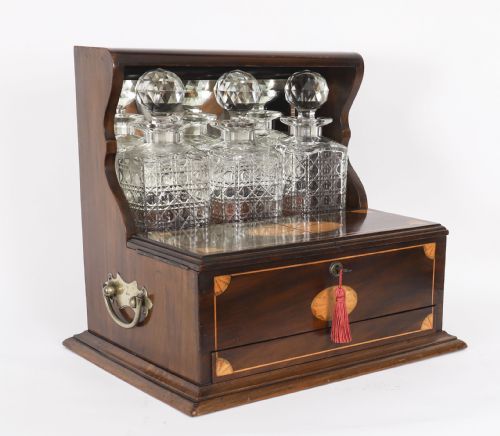
You are most likely to encounter Victorian and Regency examples fashioned in familiar timber forms like rosewood and walnut, often fitted with internal compartments. Certain pieces double as folding boards or secret repositories designed for domestic entertainment.
The objects span origins including English workshops, French ateliers, and Indian craft traditions, reflecting the widespread popularity of tabletop gaming across different social circles during the era.
Materials and construction
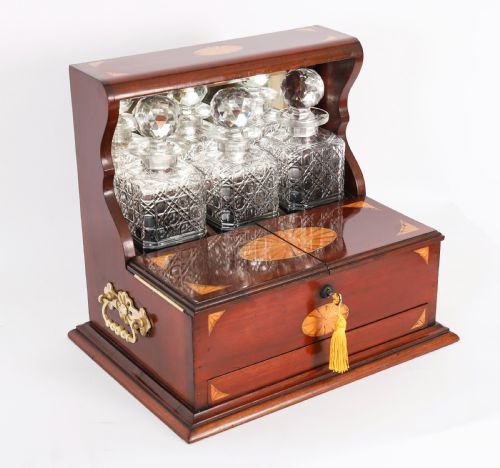
Cabinetmakers constructed these boxes using dense timbers such as rosewood, satinwood, and walnut, frequently enhancing the exteriors with burl veneers, brass binding, and decorative paintwork. Surfaces sometimes feature delicate penwork or inlaid malachite detailing.
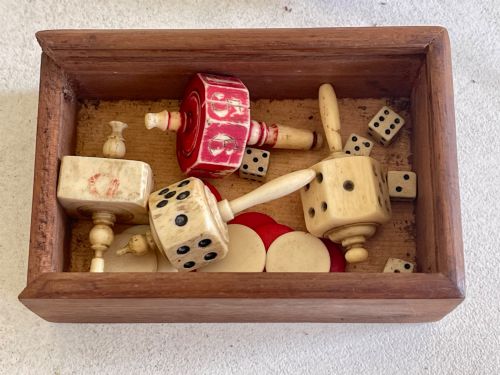
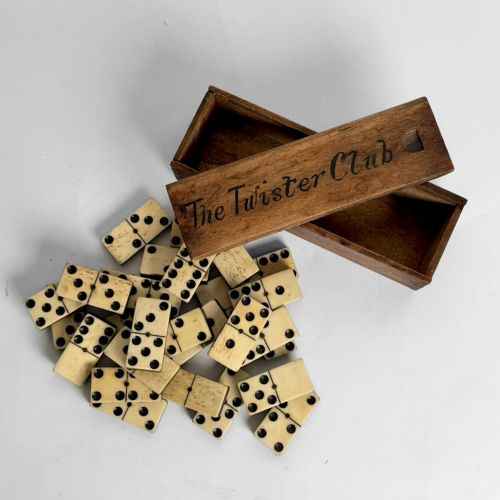
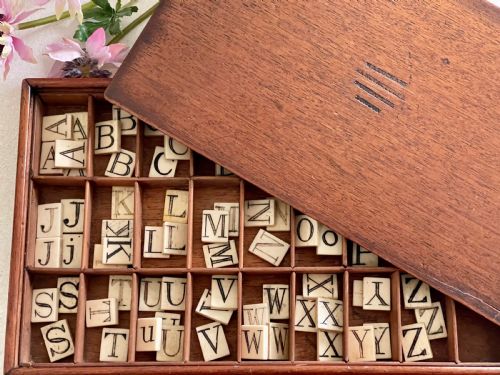
Internal elements and playing components showcase carved bone, boxwood, and papier-mâché. Makers utilised specialised hinges and folding mechanisms to allow sturdy containers to transform into functional gaming boards.
Retail Price Guide 2026
Typical UK retail prices for 19th century games box, calculated from the Sellingantiques database of over a million retail prices indexed since 2003. This retail price guide relies exclusively on Sellingantiques data; no external sources or auction records are used, so the figures do not describe the wider market.
Prisoners of war carved intricate domino sets from humble bone while detained, turning enforced leisure into remarkable miniature sculpture.
Judging the range
Quality separates standard containers from superior examples through the precision of the cabinetwork and the cleverness of the internal mechanisms. Finer boxes utilise richly figured timbers, meticulous brass inlay, and comprehensive sets of original gaming pieces.
The distinction also rests in the artistic execution of surface decoration, whether hand-painted motifs, intricate penwork, or specialised regional craftsmanship such as Sadeli mosaic work. Maker attribution further elevates certain works above anonymous production.
George Betjemann
The 19th Century Games Box Glossary
- Compendium
- A multi-game box containing the equipment for several distinct pastimes within one fitted case. These comprehensive sets often include boards, counters, and cards.
- Penwork
- A surface decoration technique using ink applied with a fine nib to create delicate linear patterns on wood. It frequently mimics more costly inlay work on Regency pieces.
- Sadeli
- A mosaic micro-work craft originating in India, utilising delicate geometric patterns formed from bone, horn, and various woods. It creates intricate borders on specialty boxes.
- Papier-mâché
- A composite material made from paper pulp or layers of paper reinforced with glue, moulded and painted. It provided a smooth, durable surface for folding game boards.
- Ecarte
- A card game popular in the nineteenth century, typically played by two players. Boxes specifically designated for this pastime house dedicated packs and scoring markers.
Frequently Asked Questions
What games do these boxes contain?
These boxes typically house equipment for chess, backgammon, cards, dominoes, and ecarte. Compendiums bundle multiple pastimes into one fitted case.
Some containers focus entirely on a single game like playing cards, while others open up to reveal dual-purpose folding boards.
How do I tell Regency from Victorian pieces?
Regency boxes often feature lighter painted surfaces, delicate penwork, or neoclassical motifs. They reflect the decorative tastes of the early part of the century.
Victorian examples tend to utilise heavier figured timbers like rosewood and walnut, occasionally enhanced with brass banding or malachite highlights.
Were these boxes made in England?
While many examples originate from English workshops and makers, the selection also includes French satinwood boxes and Indian Sadeli work.
Continental and international pieces brought different decorative techniques and timber choices to the domestic British market.
How should I display a games box?
These boxes suit placement on a side table or cabinet where their decorative woodgrains and inlaid brass can be appreciated. Keeping them out of direct sunlight protects the delicate veneers.
Many owners enjoy opening the lids to display the fitted compartments and internal playing pieces as part of the arrangement.