
Antique Gaming Set
An antique gaming set gathers family and friends around the parlour table or lawn with turned wood, carved bone and fitted boxes.
Antique Gaming Set
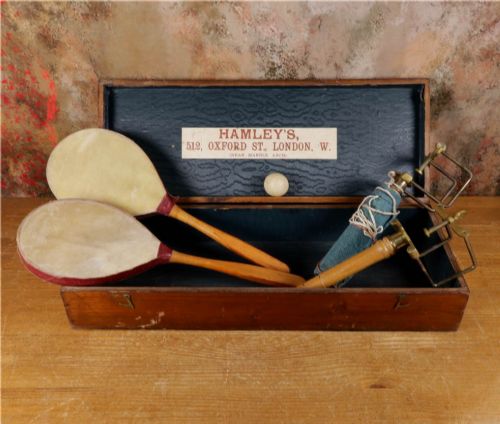
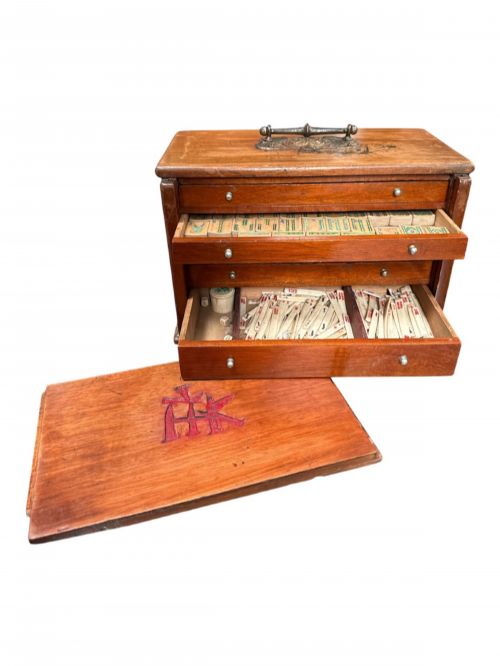
An antique gaming set brings together traditional pastimes, ranging from travelling chess and dominoes to full lawn croquet and compendiums housing multiple pursuits. These collections span the Victorian, Edwardian and Georgian eras, reflecting how households entertained guests indoors and out.
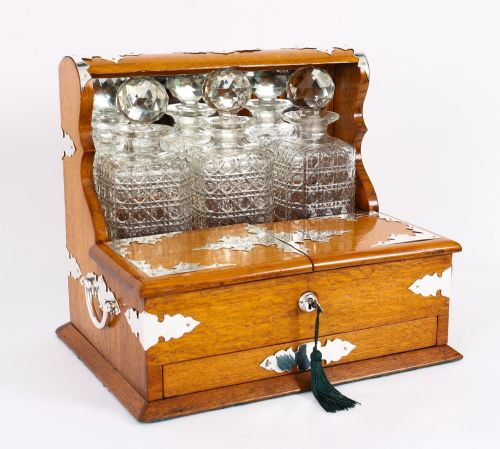
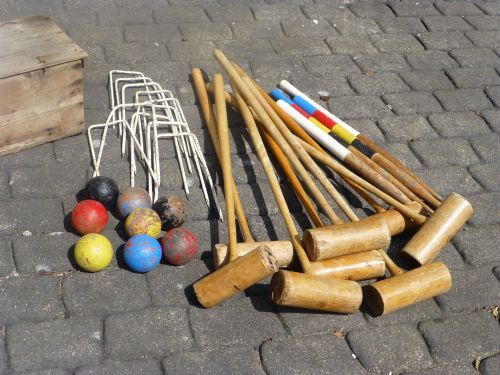
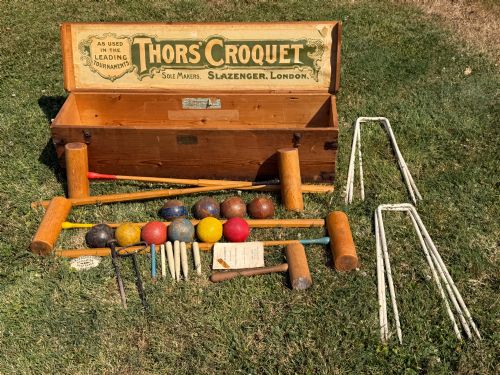
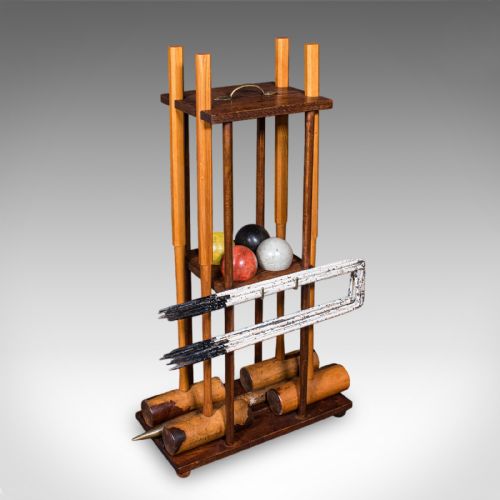
The version most frequently met on this page is the wooden box or compendium, often combining a tantalus or card storage with boards for chess, backgammon and whist. Outdoor variants, including croquet sets housed in original pine boxes, also appear regularly.
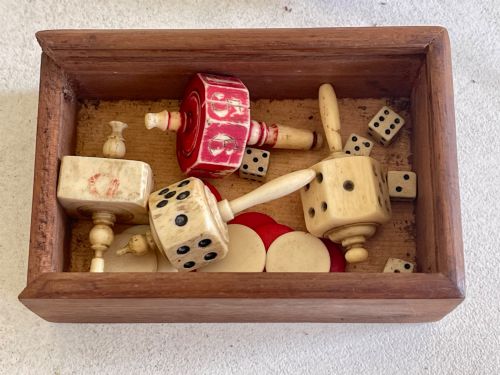
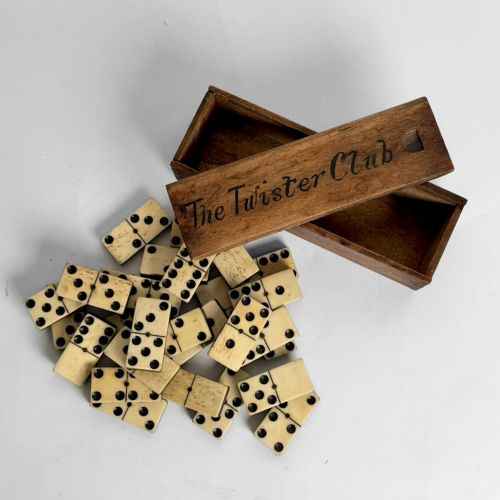
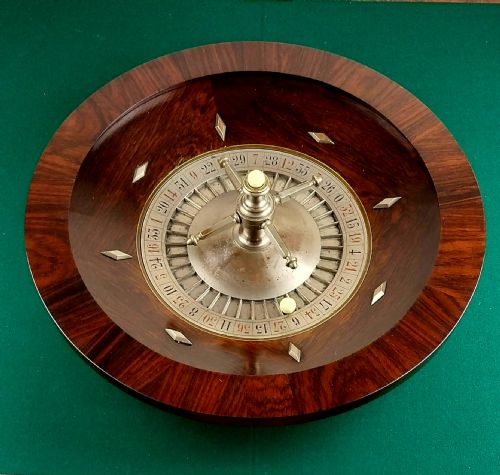
Pieces take various forms, from bone prisoner-of-war teetotums and porcelain whist counters to rosewood roulette wheels and leather-bound faux book boards. Each item records the social rituals of nineteenth and early twentieth-century leisure.
How they were made
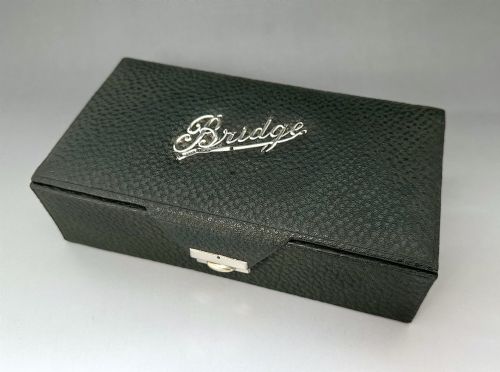
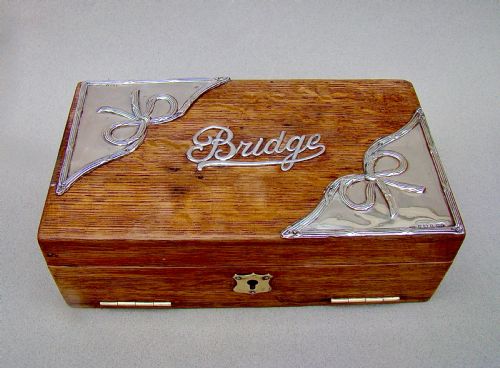
Metalwork provides structural strength and decorative detail, with brass hinges, silver mounts and silver plate applied to bridge boxes, menu holders and tantalus frames. Leather, pine and fitted velvet linings protect the components inside original cases.
Listings feature items spanning the 18th, 19th and early 20th centuries, executed in oak, mahogany, bone, brass and leather.
What varies in quality
The standard of an antique gaming set depends on the integrity of its components and the survival of its original fitted container. Compendiums retaining all their original crystal decanters, bone pieces and scoring counters sit higher in quality than assembled or incomplete groupings.
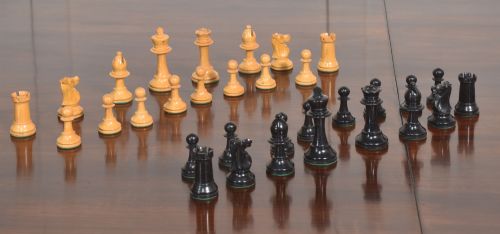
Material selection and execution drive distinction, separating standard turned items from finely carved Staunton pattern chess sets or silver-mounted leather boxes by known retailers.
Levi And Salaman·Slazenger·A.W.Gamage·F.H.Ayres Ltd·Royal Doulton
The Antique Gaming Set Glossary
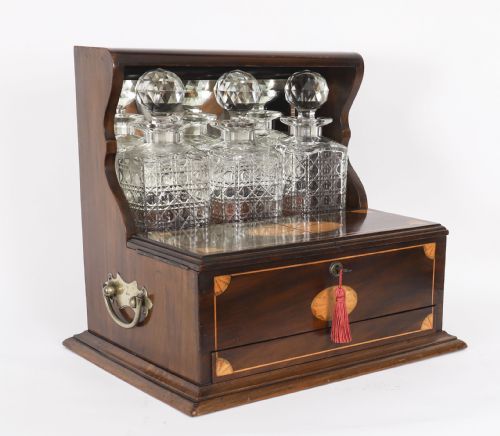
- Tantalus
- A locking wooden frame holding decanters to prevent unauthorized drinking while displaying the contents through its bars.
- Staunton pattern
- The standard design of chess pieces introduced in the mid-nineteenth century, characterised by heavily weighted pieces and distinct, recognisable forms.
- Teetotum
- A small spinning top marked with letters or numbers used for gambling or parlour games, often carved from bone by prisoners of war.
- Compendium
- A single fitted box containing the equipment and boards for multiple different games.
- Carpet bowls
- Indoor lawn bowls played on carpets using smaller wooden or laburnum balls and a ceramic jack.
Antique Gaming Set: Frequently Asked Questions
What is inside a typical games compendium?
A typical compendium houses folding boards, cards, counters and dice within a fitted wooden cabinet, frequently combining chess, backgammon and whist in one container.
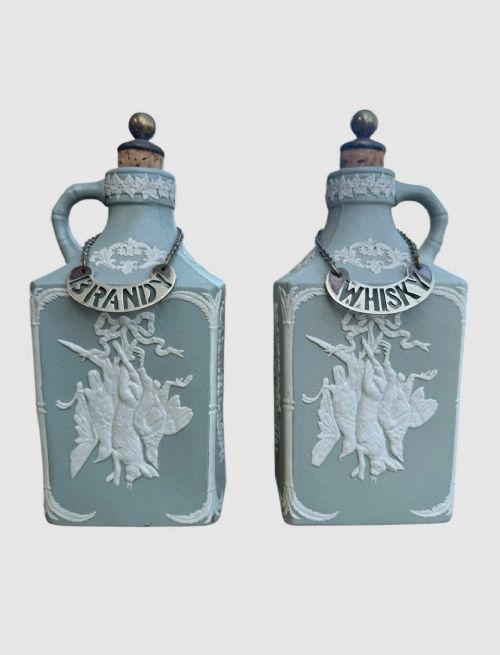
Many examples also incorporate a tantalus with cut crystal decanters and a dry bar, merging hospitality with parlour entertainment.
How do I identify a Staunton chess set?
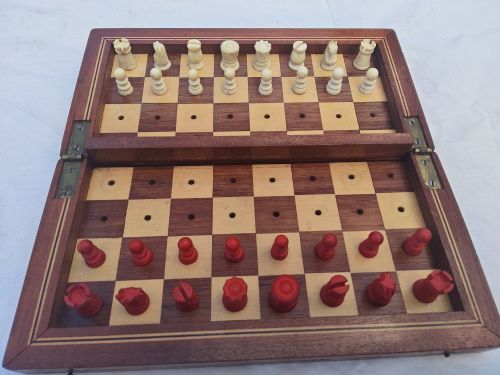
Staunton chess pieces feature heavily weighted bases and distinct, standardised architectural shapes for kings, queens, rooks and pawns.
This pattern became standard in the mid-nineteenth century, replacing older regional styles to ensure clarity during competitive play.
Were these sets meant for travel?
Travelling editions of chess and backgammon were constructed with compact folding boards and pegged or magnetic pieces to withstand movement.
Larger compendiums and lawn croquet sets remained at home in country houses or vicarages for garden parties and evening parlour use.
What materials were used for Victorian games?
Victorian makers utilised dense hardwoods like mahogany and rosewood alongside boxwood and ebonised wood for game boards and pieces.
Bone, ivory, silver and leather frequently appeared in smaller accessories such as dominoes, whist counters and bridge boxes.
How should I care for antique wooden games?
Keep wooden boxes and boards away from direct sunlight and dramatic temperature shifts to prevent timber from splitting or warping.
Gentle dusting with a dry cloth preserves the original polish and protects delicate bone pieces and leather bindings.