




Georgian Carved Bone
Georgian carved bone objects are miniature masterpieces shaped by hand from animal bone, offering collectors a tangible link to eighteenth and nineteenth century maritime and folk history.
Georgian Carved Bone
When searching for georgian carved bone, buyers encounter a distinct group of small-scale items created during the Georgian and nineteenth century eras. These survivals span practical tools and tabletop amusements, reflecting the resourceful hands that shaped them.
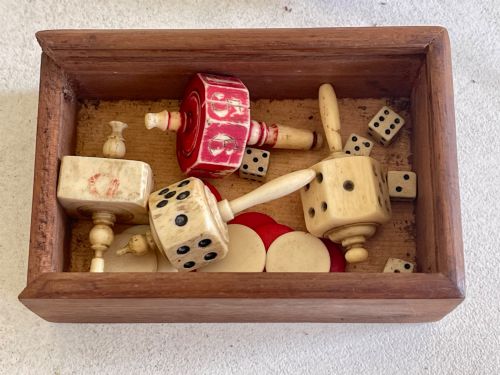
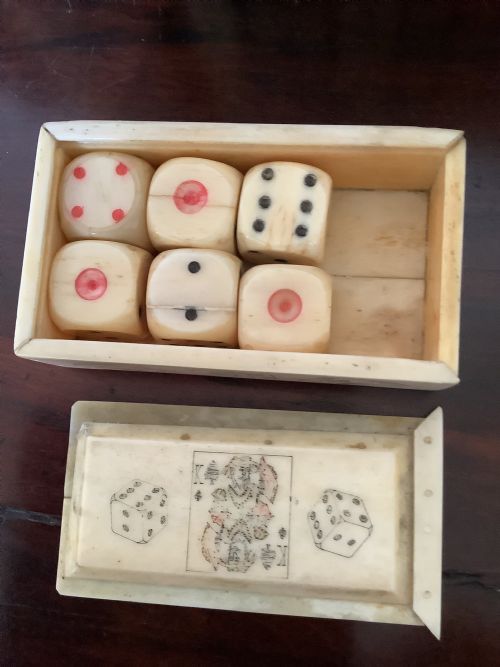
The objects on this page lean heavily toward utilitarian forms and leisure items, including dominos, dice, boxes, cases, and toothpicks. Many examples carry the characteristic handiwork of prisoners of war working in cramped maritime quarters during the Napoleonic conflicts.
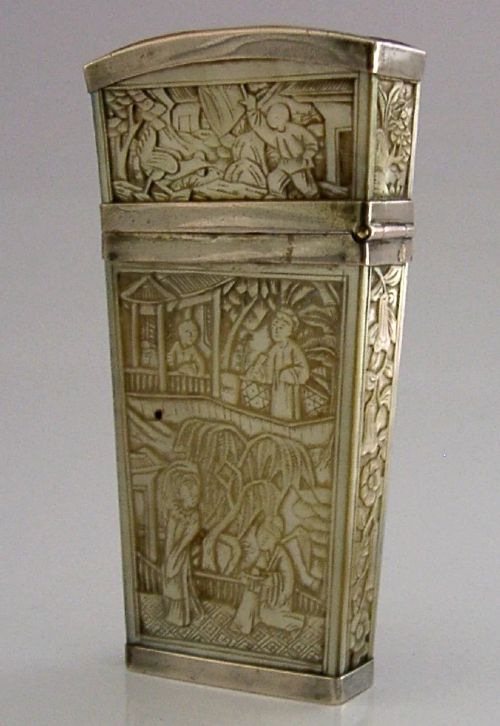
Origins stretch across English, Chinese Export, and European workshops, uniting diverse cultural contexts through a single medium. The resulting forms range from sail makers seam rubbers to intricate personal grooming accessories.
How they were made
Makers utilised readily available animal bone, shaping the dense material with simple hand tools such as small saws, files, and drills. This basic medium was frequently enhanced with pigment and ink to highlight carved details, numbers, or decorative motifs.
Certain pieces integrate supplementary elements like wood, silver, and wrought iron to form functional hinges, cases, or mounts. The carving technique relies entirely on patient handwork, scoring and piercing the bone to achieve delicate openwork and precise geometric patterns.
Listings feature items from the eighteenth and nineteenth centuries, spanning Georgian and Victorian periods.
What varies in quality
The standard of these objects rests on the crispness of the carving and the precision of the piercing work. Finer examples display meticulous attention to detail on miniature surfaces, whereas coarser pieces show heavier, simpler tool marks.
Completeness dictates much of the standing within this field, especially for games sets and boxes intended to hold multiple components. Original fitted interiors, matching components, and unblemished surfaces elevate the overall character of the piece.
The Georgian Carved Bone Glossary
- Bone
- Animal skeletal material utilised by carvers as a substitute for ivory due to its accessibility and workable density.
- Etui
- A small ornamental case designed to hold needles, toothpicks, or personal grooming accessories.
- Teetotum
- A multi-sided spinning top used in gambling and tabletop games, commonly carved from bone during the Georgian period.
- Seam rubber
- A smooth hand tool used by sail makers to flatten seams in heavy canvas without cutting the fabric.
Georgian Carved Bone: Frequently Asked Questions
What are georgian carved bone pieces?
These pieces comprise small utilitarian items, games sets, and personal accessories shaped by hand from animal bone during the eighteenth and nineteenth centuries.
Many of the surviving examples originate from maritime contexts, including prisoner of war camps where detainees passed the time by carving bone into dominos, boxes, and toothpicks.
How were these bone objects used?
Items like dice, teetotums, and dominos served as tabletop gaming pieces for entertainment during long voyages or evenings at home. Practical implements such as marrow spoons, toothpicks, and seam rubbers fulfilled specific domestic and trade requirements.
Enclosed items like etui boxes and cases were carried on the person or kept on dressing tables to store small personal belongings.
How do I care for carved bone?
Bone requires stable environmental conditions away from direct sunlight, excessive heat, and sudden humidity fluctuations to prevent warping or splitting. Gentle dusting with a dry, soft brush is sufficient for routine maintenance.
Avoid applying water, oils, or cleaning solvents directly to the surface, as porous bone and applied ink or pigment can absorb liquids and stain permanently.
How can I tell the period?
Dating relies on stylistic clues, historical context, and the tool marks left behind during manufacture. Napoleonic prisoner of war pieces typically share specific decorative motifs and construction methods characteristic of that confined environment.
Examining the natural patina, wear patterns, and accompanying materials like wrought iron or early silver mounts helps narrow down the century of production.