


Antique Compendium Box
An antique compendium box brings together games, writing materials, and drinks in a single fitted case designed for Victorian and Edwardian leisure.
Antique Compendium Box
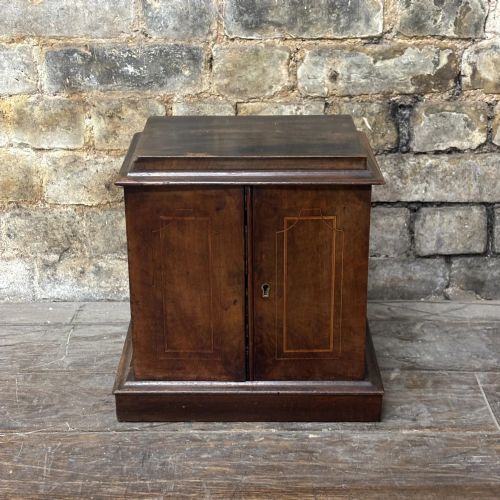
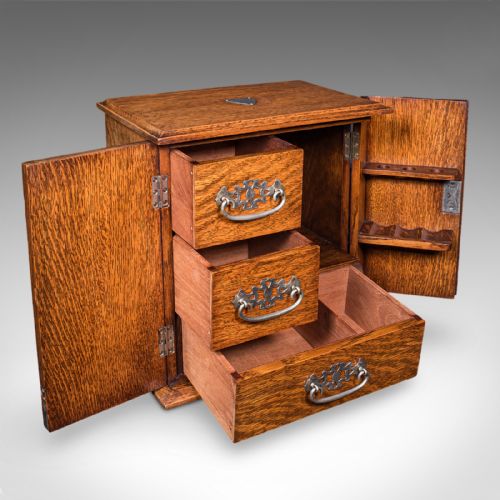
An antique compendium box serves multiple domestic purposes, housing games, correspondence materials, or smoking accessories within one fitted enclosure. These multi-tasking pieces reflect the social habits of the nineteenth and early twentieth centuries, providing entertainment and writing facilities in a single container.
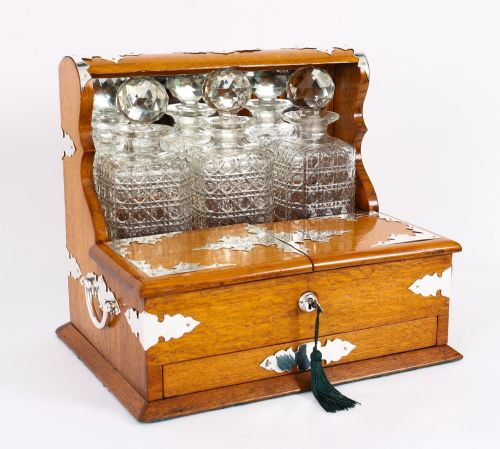
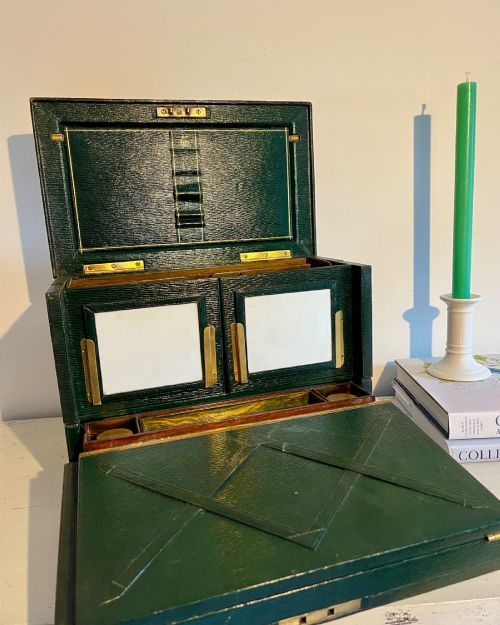
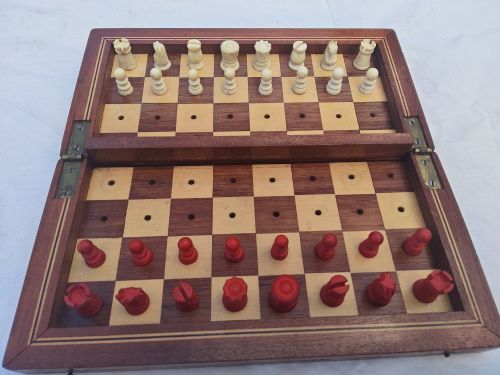
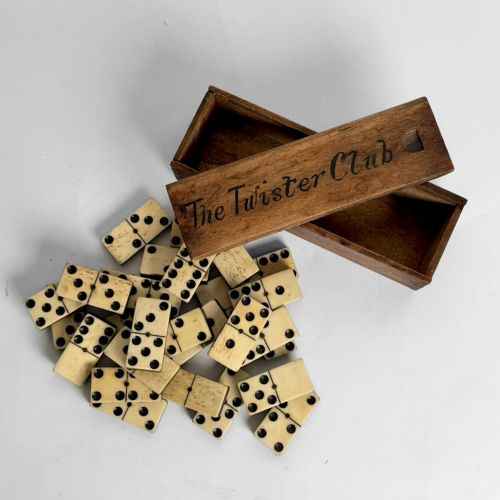
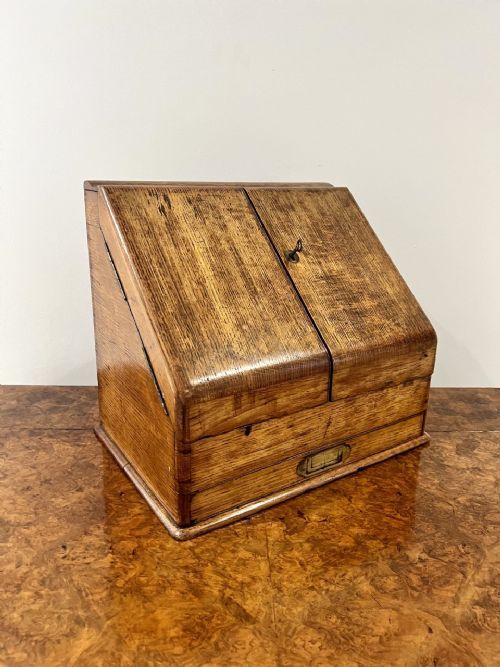
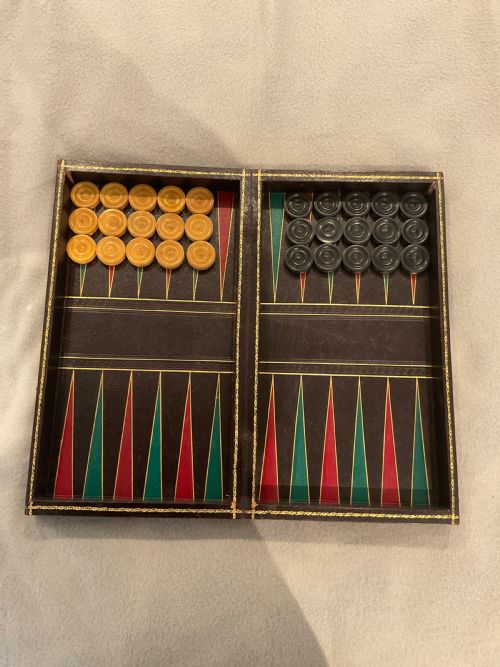
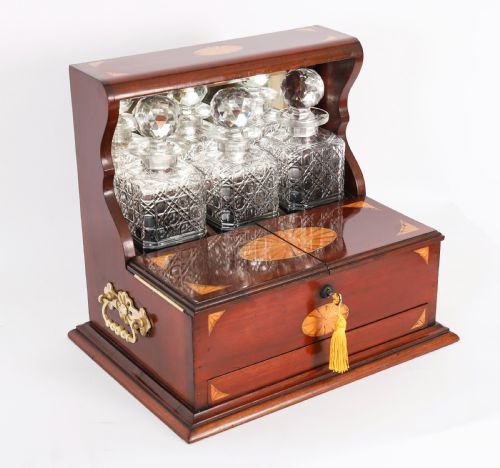
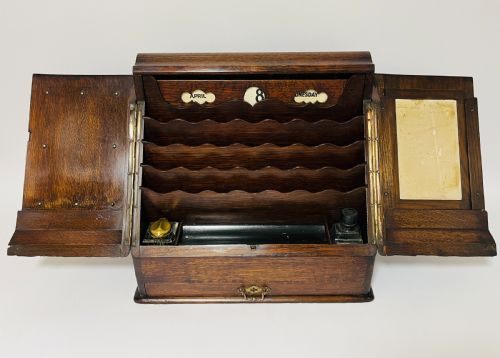
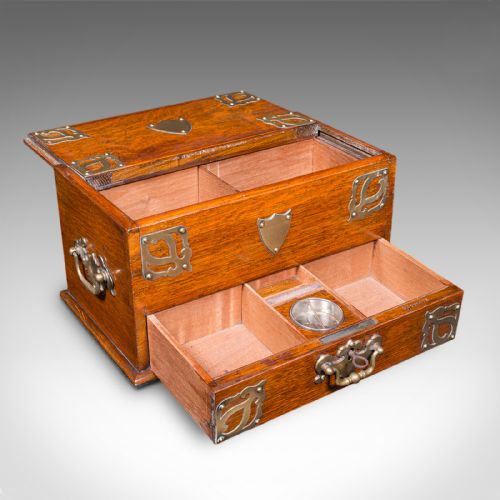
The versions most commonly met on this page date from the Victorian and Edwardian eras, constructed in forms such as games boxes, stationery cabinets, and tantalus sets. Many combine several pastimes, housing chess sets, dominoes, and card games alongside crystal decanters or adjustable calendars.
Makers utilised various timber carcases, fitted interiors with velvet or leather lining, and incorporated brass hardware to secure their contents. Examples range from simple tabletop boxes to large, elaborate cabinets equipped with locking mechanisms.
Materials and Construction
Carpenters constructed these boxes using solid and veneered timbers including oak, mahogany, rosewood, and coromandel, often framing them with brass mounts and carrying handles. Interiors received careful attention, featuring velvet or leather linings designed to hold specific items snugly.
Glass decanters, bone gaming pieces, and silver-plated mounts appear alongside wooden components, demonstrating specialised manufacturing cooperation between cabinet makers and specialist suppliers. Locksmiths provided brass lever locks to secure valuable contents like cigars, spirits, and stationery.
Listings feature pieces spanning the Victorian and Edwardian periods, employing materials such as brass, oak, mahogany, bone, silver plate, leather, wood, and glass.
Assessing Quality and Execution
Quality rests in the precision of the internal fittings, the choice of timber figurations, and the integrity of the cabinet work. Superior pieces utilise dense timbers like coromandel or pollard oak, featuring hand-cut dovetails and fully operational brass locks.
The distinction between standard examples and finer items lies in the completeness of the original contents, such as matching bone chess sets and cut crystal decanters. Expert joinery ensures that folding game boards and fall-front desks operate smoothly within the main carcase.
Houghton and Gunn·F. H. Ayres
The Antique Compendium Box Glossary
- Compendium
- A fitted container housing multiple distinct games, writing materials, or drinking vessels in one portable or tabletop cabinet.
- Tantalus
- A locking wooden frame holding spirit decanters that prevents access to the contents without a key.
- Stationery Cabinet
- A desk accessory featuring tiered compartments, pigeon holes, and fall-front doors designed for writing paper and envelopes.
- Coromandel
- A dense, heavy tropical timber with dark brown graining and yellow streaks, utilised for luxury nineteenth-century boxes.
- Bridge Box
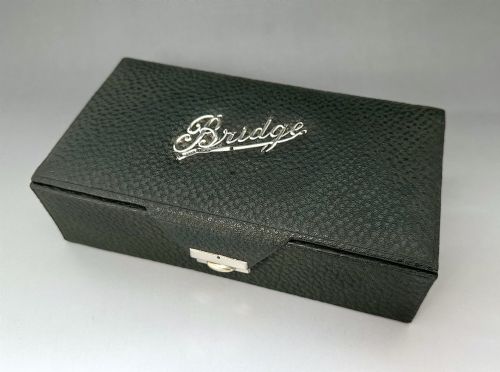
- A small fitted case specifically designed to hold playing cards, scoring tablets, and pencils for card games.
Antique Compendium Box: Frequently Asked Questions
What items are typically found inside an antique compendium box?
These boxes generally contain folding boards for chess and backgammon, card decks, cribbage boards, and occasionally bone playing pieces.
Larger versions integrate stationery compartments, inkwells, stamps, or crystal decanters for spirits.
How do I date an antique compendium box?
Dating relies on timber choices like coromandel or pollard oak, combined with construction traits such as brass lever locks and velvet linings.
Victorian pieces often feature heavy rosewood and intricate brass work, while Edwardian versions lean towards golden oak and simpler stationery storage.
Were these boxes meant for travel?
Some compact folding or travelling variants were built for journeys, housing bone chess sets or card games in secure leather-bound cases.
However, the majority of compendiums and tantalus sets served as stationary parlour or smoking room fixtures for country houses.
How should I care for the wood and interior linings?
Maintain the timber carcase with appropriate furniture wax, avoiding excessive moisture on exposed veneers and brass mounts.
Protect original velvet or leather interiors by keeping the box away from direct sunlight and humidity.