


Antique Wooden Games Compendium
An antique wooden games compendium gathers the pastimes of Victorian and Edwardian drawing rooms into a single, beautifully fitted box.
Antique Wooden Games Compendium
An antique wooden games compendium provides a multi-purpose box designed to house various social pastimes such as chess, backgammon, dominoes, and card games. These pieces emerge predominantly from the nineteenth century and the Edwardian era, reflecting the social habits of period parlours and country houses.
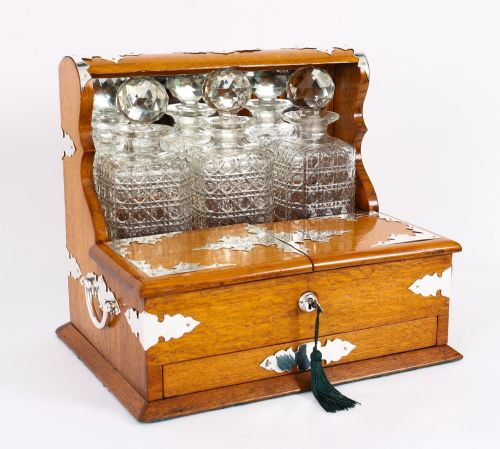
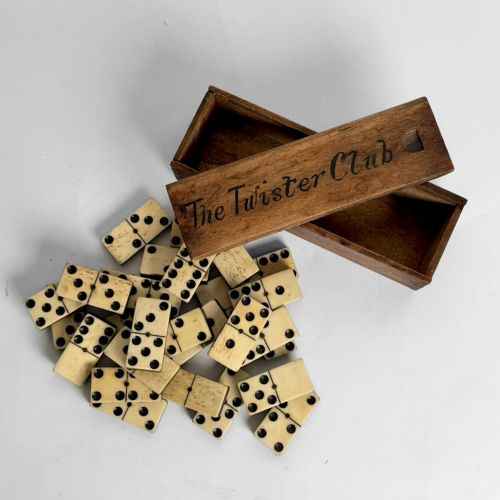
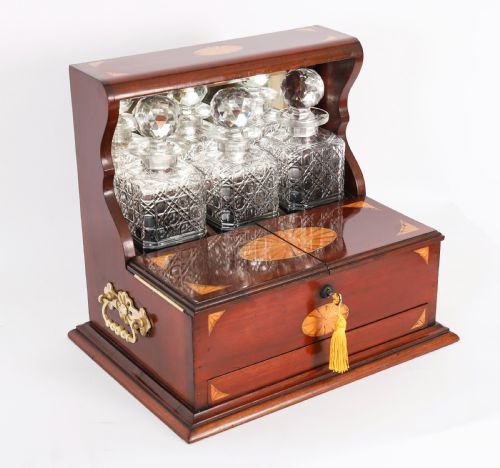
The versions most commonly met on this page range from modest card boxes and domino sets to substantial oak and burr walnut cabinets. Many incorporate folding boards, internal compartments, and occasionally integrated decanter sets or tantalus frames.
Originating largely from English workshops, these items utilise cabinet-making traditions to store delicate playing pieces securely. A buyer seeks an antique wooden games compendium both for its decorative cabinetwork and as an interactive piece of social history.
How They Were Made
Cabinetmakers utilised hardwoods such as oak, mahogany, walnut, and satinwood to construct the exterior carcases, often incorporating intricate veneers and contrasting wood inlays. Selected pieces feature carved detailing, notably from the Black Forest tradition, or decorative applications of brass and malachite.
Internal partitions and lift-out trays were precisely fitted to organise individual game components, including bone, boxwood, and ebony playing pieces. Hinges, locks, and handles were cast in brass, providing both structural durability and refined exterior contrast to the timber.
Listings feature woods including oak, mahogany, walnut, satinwood, ebony, and boxwood, spanning the Victorian and Edwardian eras.
What Varies in Quality
The standard of timber selection and cabinet construction dictates the distinction at the upper end of the market. Superior examples employ choice burr walnut, blonde oak, or satinwood with precise marquetry and tight-fitting internal trays that hold every component without movement.
F. H. Ayres
The Antique Wooden Games Compendium Glossary
- Compendium
- A fitted box or cabinet containing multiple distinct games and pastimes within a single housing. These sets typically include folding boards, dice, counters, and cards.
- Tantalus
- A locking frame holding decanters visible yet secured from unauthorized access, frequently integrated into larger Victorian and Edwardian games cabinets. The mechanism prevents the removal of bottles unless the locking bar is released by a key.
- Staunton
- The standardised pattern of chess pieces introduced in the mid-nineteenth century, featuring heavily weighted bases and distinct, recognizable forms. This design quickly became the standard for tournament and domestic play.
- Burr walnut
- A specialised timber cut from the growth warts of walnut trees, yielding highly figured, swirling grain patterns prized by nineteenth-century cabinetmakers for decorative veneering.
Antique Wooden Games Compendium: Frequently Asked Questions
What games are usually inside?
These boxes typically house classics such as chess, backgammon, dominoes, cribbage, and various card games.
More elaborate compendiums expand to include draughts, dice, and specialised markers alongside custom-fitted boards.
How do I date a compendium?
Dating relies on timber choices, brass hardware styles, and the overarching aesthetic of the period, such as heavy Victorian oak or lighter Edwardian design.
Makers' marks, lock stamps, and the specific typography used on scoreboards or instruction cards further narrow the decade of production.
Were these made for travel?
Most compendiums were intended for stationary use within country houses, drawing rooms, and large parlours rather than frequent transit.
While some smaller card boxes and portable chess sets exist, the larger multi-tier cabinets were designed as permanent fixtures on sideboards or games tables.
How should I care for the wood?
Maintain the timber by keeping the box away from direct heat sources and sudden humidity shifts that can split delicate veneers.
Gentle dusting with a dry, soft cloth preserves the polished surface without the need for heavy modern polishes or oils.