


Antique Wooden Games Box
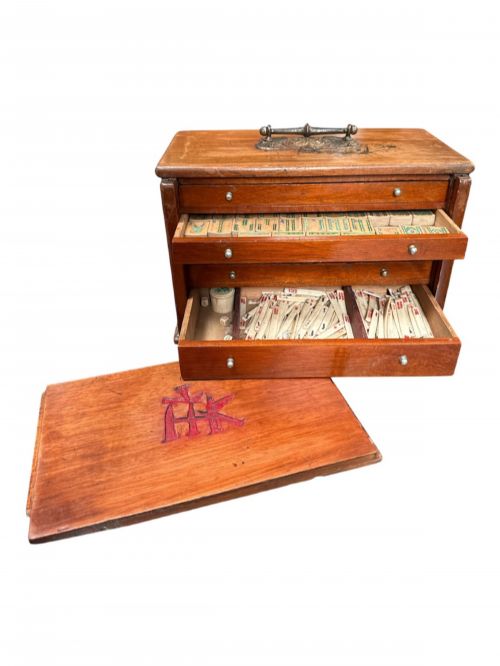
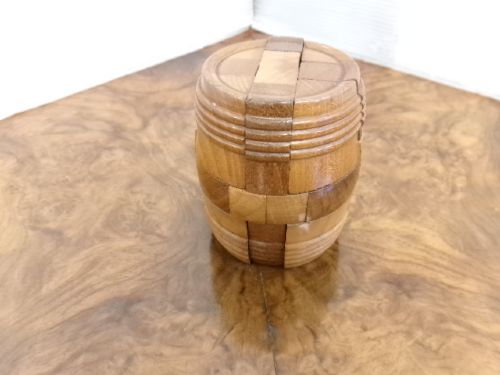
An antique wooden games box brings parlour entertainment to life, offering fitted compartments for cards, dice and chess.
Antique Wooden Games Box
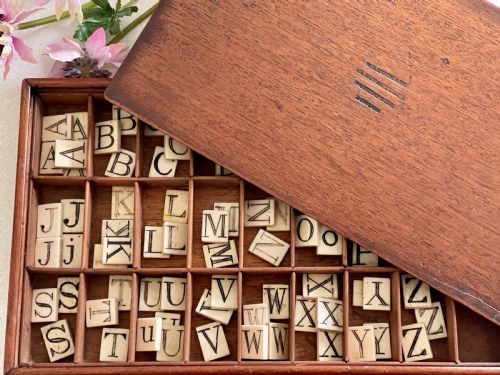
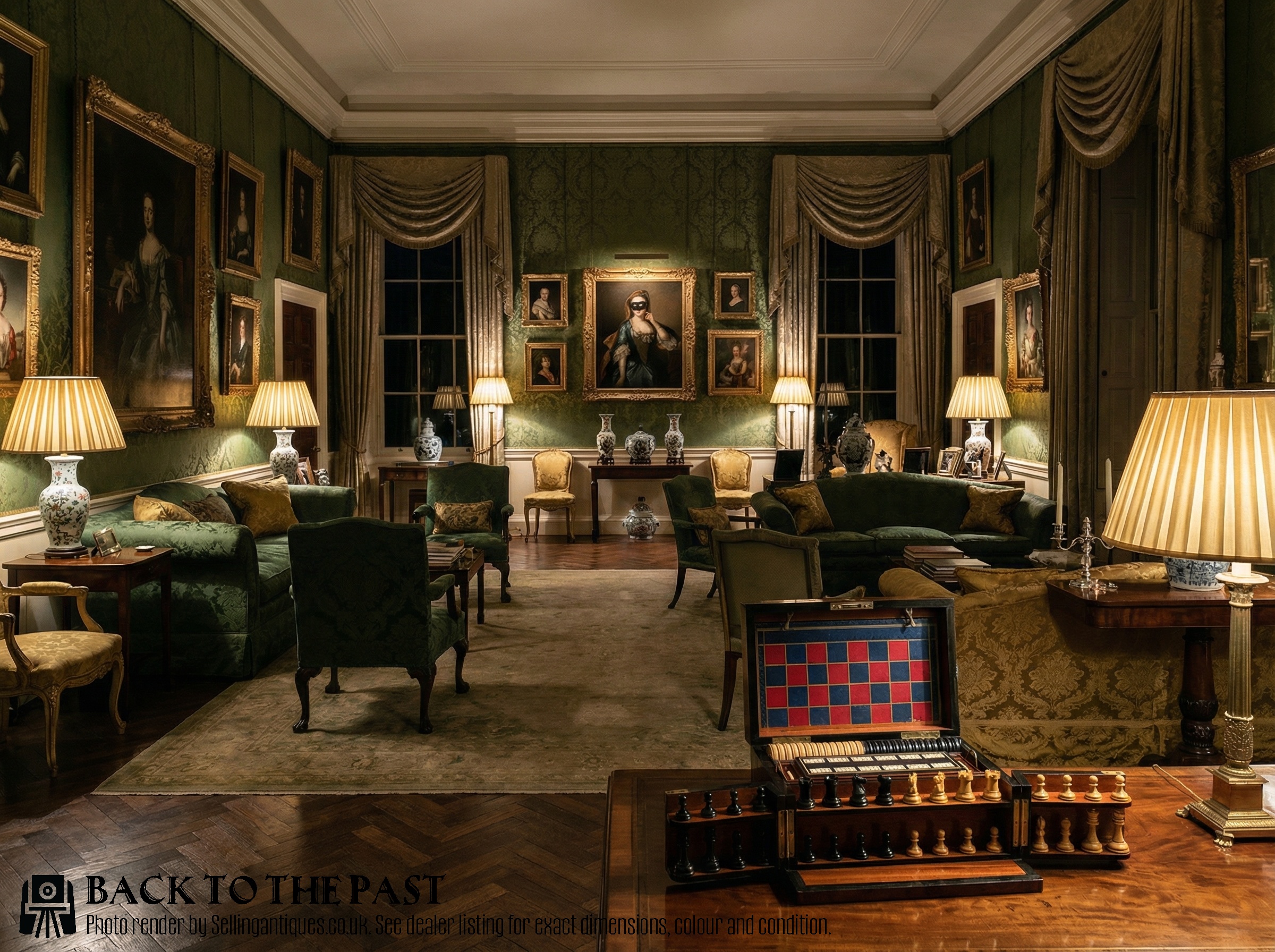
An antique wooden games box serves as a portable cabinet for traditional parlour pastimes, housing fitted compartments for cards, dice, dominoes and counters. These pieces span the Regency, Victorian and Edwardian periods, reflecting the social habits of nineteenth and early twentieth century drawing rooms.
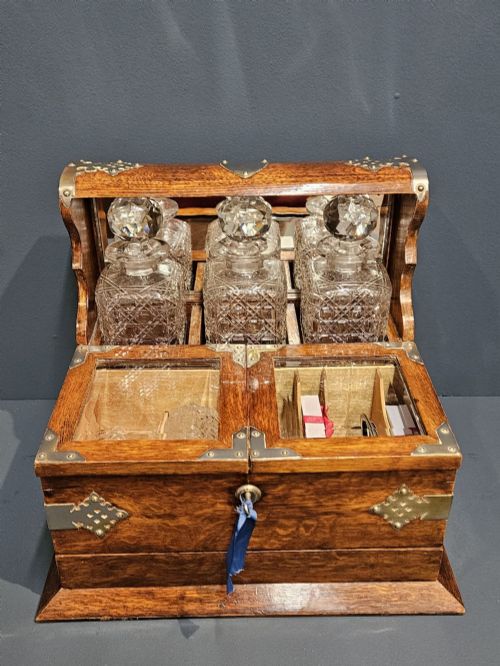
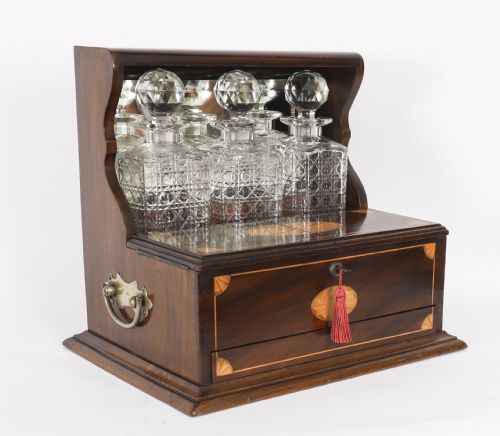
Buyers regularly encounter comprehensive compendiums that combine multiple pastimes in a single fitted container alongside standalone caskets meant strictly for playing cards or chess sets. The selection here ranges from modest mahogany card boxes to large oak tantalus and games combinations holding crystal decanters.
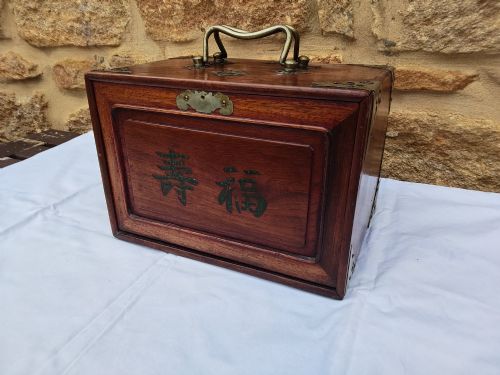
Construction includes regional variations such as Chinese cabinets housing mahjong sets and Black Forest carved cases alongside standard British domestic containers. The internal fittings typically remain tailored to specific equipment, preserving the layout required for historical board and card pursuits.
How they were made
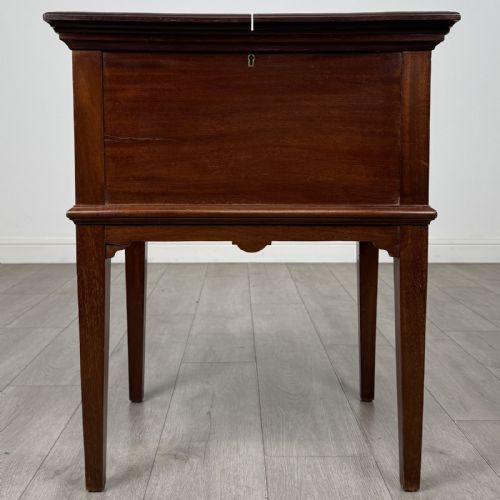
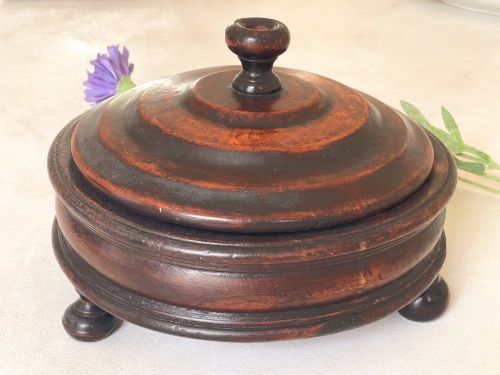
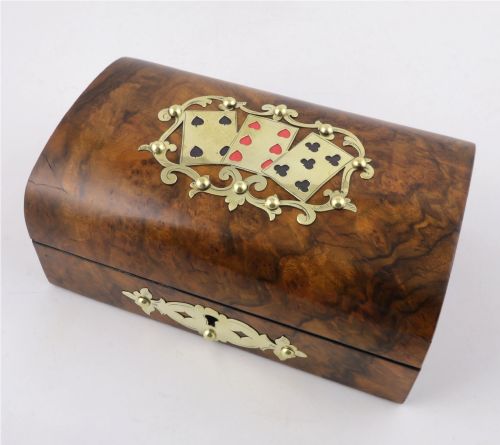
Cabinetmakers utilised hardwoods such as mahogany, walnut, oak and satinwood for the structural carcasses, often applying decorative veneers or intricate inlay work to the exterior surfaces. Boxwood and ebony frequently supplied the contrasting light and dark tones needed for fitted cribbage boards and gaming pieces.
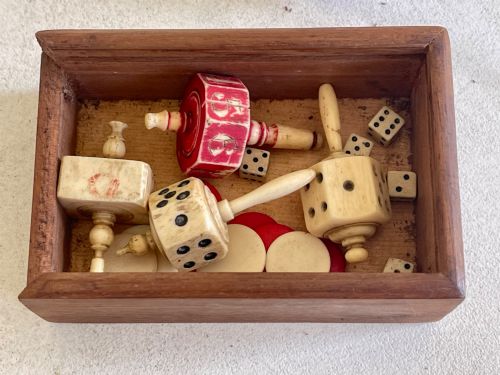
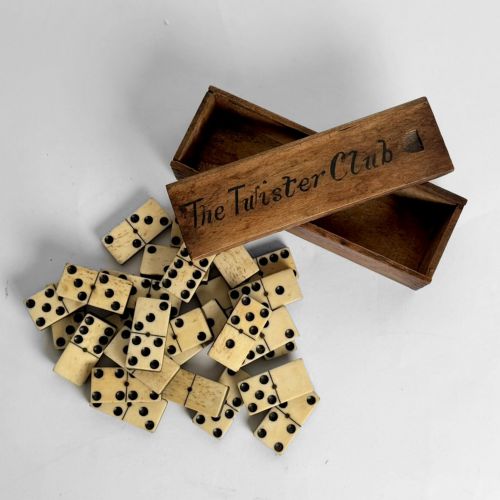
Brass mounts, hinges and locks provided both structural reinforcement and ornamental detail, securing the folding lids and drop fronts characteristic of these compendiums. Bone featured extensively for smaller internal elements, including dominoes, counters and carved teetotums.
Antique Wooden Games Box Retail Price Guide 2026
Typical asking prices for wooden games box among the pieces listed under this phrase on Sellingantiques today, from the lower quarter to the upper quarter. They describe what is for sale here now, not the wider market.
The listings demonstrate a strong presence of walnut and mahogany timbers alongside fitted brass hardware across the nineteenth century.
What varies in quality
The standard of craftsmanship shows in the precision of the internal dividers, the snugness of the fitted trays and the preservation of original internal contents like playing cards and instructions. Superior examples retain matching sets of gaming counters and undamaged crystal decanters where applicable.
The integrity of the timber and the subtlety of any inlay or penwork decoration distinguish workshop production from mass manufacturing. Finely fitted locks, working keys and robust hinge systems separate high quality nineteenth century caskets from lesser utility boxes.
Levi and Salaman·Slazenger·F.H. Ayres Ltd.·British Chess Company
The Antique Wooden Games Box Glossary
- Compendium
- A single fitted box containing the equipment for multiple different parlour games, often including chess, backgammon and cards.
- Tantalus
- A locking wooden frame holding decanters visible but secure, frequently incorporated into larger late nineteenth century games boxes.
- Penwork
- A decorative technique using fine ink lines on a painted or stained wooden surface, seen on Regency boxes.
- Staunton
- The standard design style for tournament chess sets introduced in the mid nineteenth century with distinct, heavily weighted pieces.
- Teetotum
- A small spinning top marked with letters or numbers used in traditional gambling and parlor games during the nineteenth century.
Antique Wooden Games Box: Frequently Asked Questions
What fits inside?
These containers hold specialised equipment for historical indoor pastimes, including playing cards, cribbage boards, dice and chess sets.
Many examples feature dedicated compartments lined in velvet or leather to keep delicate bone pieces and counters secure during travel.
How are periods told?
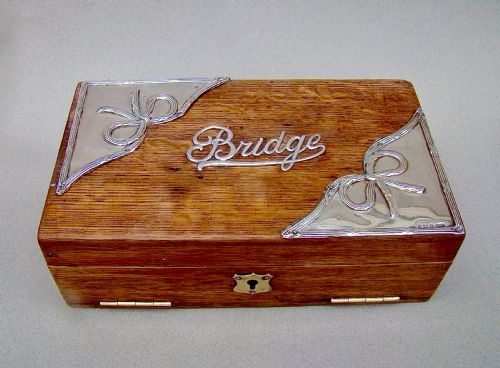
Stylistic clues such as Regency painted penwork, Victorian walnut veneer or Edwardian silver mounts help establish the era of manufacture.
Hardware details like brass escutcheons and lock mechanisms also provide reliable indicators of a piece's production decade.
Were they used daily?
Well-to-do households brought out these containers during evening gatherings and house parties to entertain guests with cards and board pastimes.
The robust hardwood construction allowed them to withstand frequent handling in drawing rooms and country house parlours.
Are pieces complete?
Many surviving examples retain their original sets of turned wooden draughts, bone dominoes or carved chessmen inside the fitted trays.
Collectors look for original components that match the specific dimensions and materials of the primary container.