



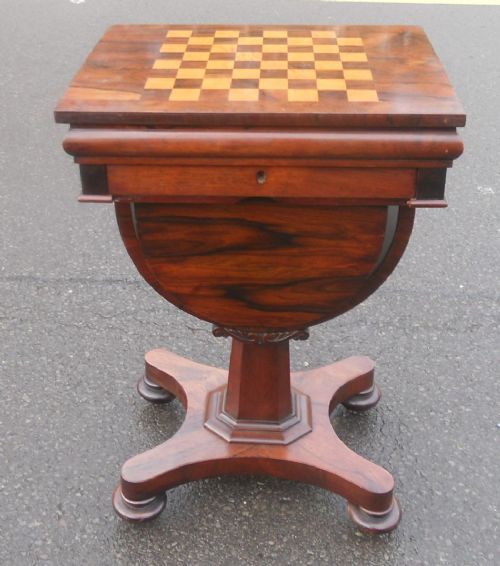


Dark Wood Games Board
A dark wood games board brings both a functional surface and rich timber grain into a room, offering endless hours of play.
Dark Wood Games Board
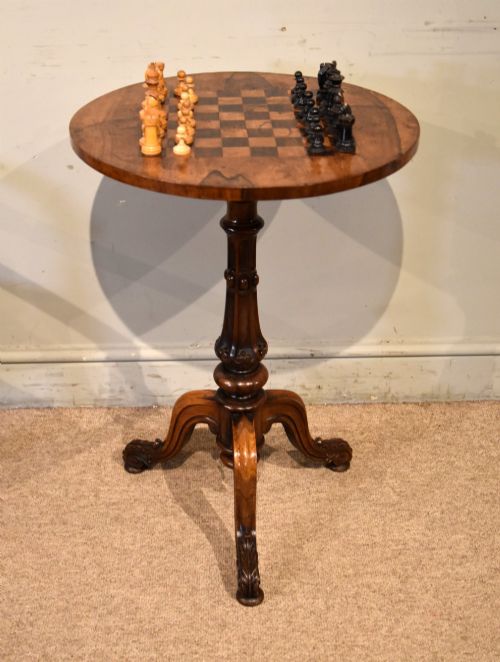
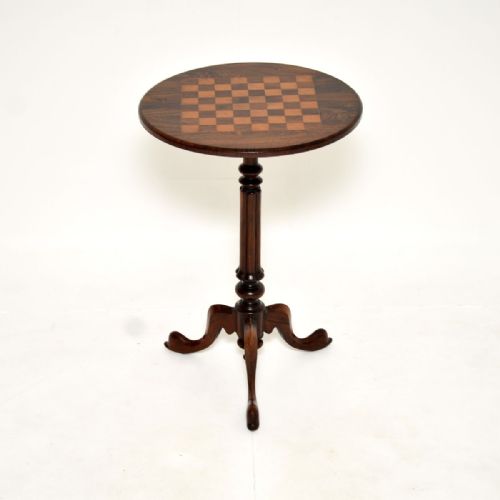
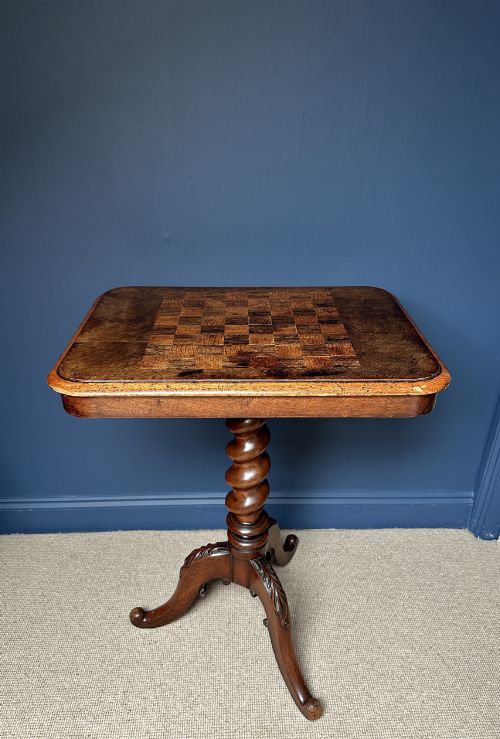
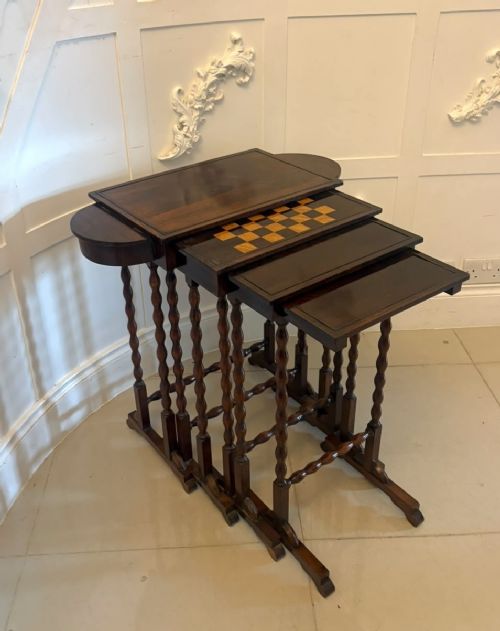
The versions you are most likely to meet on this page span the Georgian, Regency, and Victorian eras, frequently employing dense timbers like mahogany and rosewood. Many pieces double as occasional furniture, featuring inlaid playing surfaces that function perfectly as standard tabletops when not in use.
How they were made
Cabinet makers utilised dense hardwoods such as mahogany and rosewood for the primary structures, ensuring stability and a deep, rich colour. These timbers were selected for their strength and ability to take a fine polish.
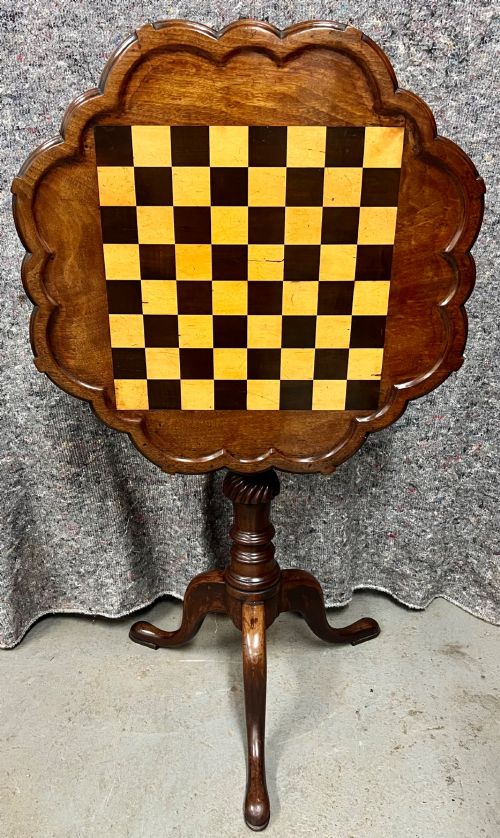
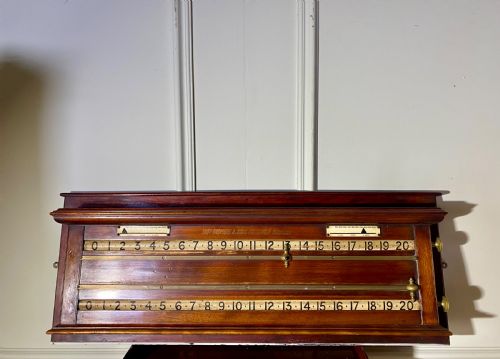
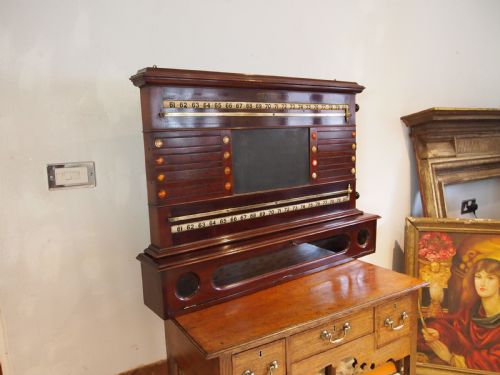
Surface decoration frequently involved intricate wood inlay, combining lighter timbers like boxwood and satinwood to create contrasting squares and marker points. In some instances, brass hardware and slate inserts were integrated for utility and scoring mechanisms.
Dark Wood Games Board Retail Price Guide 2026
Typical asking prices for dark wood games board among the pieces listed under this phrase on Sellingantiques today, from the lower quarter to the upper quarter. They describe what is for sale here now, not the wider market.
Some nineteenth-century scoreboards still retain the faint chalk dust from centuries of competitive parlour room wagers.
What varies in quality
The standard of a dark wood games board rests primarily on the precision of the timber inlay and the selection of veneer. Sharply contrasted wood squares and tightly fitted joints indicate a higher grade of workshop production.
Engineering of secondary elements, such as sliding scoring markers on billard boards or the structural integration of chess tops into occasional tables, separates utilitarian items from finer pieces made for affluent households.
British Chess Company·Thurston And Co Ltd·Cox And Yeman London
The Dark Wood Games Board Glossary
- Mahogany
- A durable tropical hardwood known for its reddish-brown tone. It provided a stable foundation for many nineteenth-century gaming tables and scoreboards.
- Rosewood
- A heavily grained, dark timber prized for its oily lustre and decorative appeal. Cabinet makers utilised it extensively on high-status Victorian chess tables.
- Boxwood
- A pale, dense wood traditionally employed for the lighter squares on inlaid boards. Its fine grain allowed for crisp contrast against darker timbers.
- Inlay
- The technique of embedding contrasting pieces of wood into a solid surface to form a pattern. Games boards relied on this method to delineate playing grids permanently.
- Cribbage
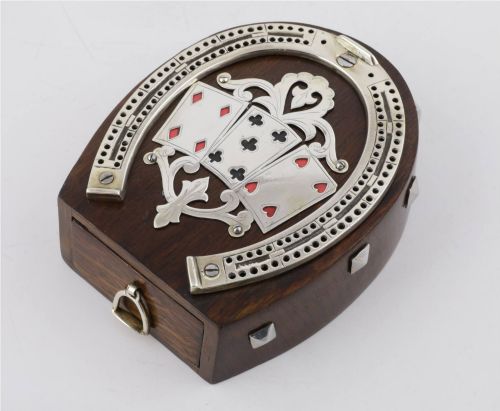
- A card game traditionally scored by moving pegs along a tracked board. Wooden boxes often incorporated these peg tracks directly into their hinged lids.
Dark Wood Games Board: Frequently Asked Questions
How do I date a games board?
Dating relies heavily on prevailing stylistic markers, timber choices, and construction techniques visible in the piece. Georgian and Regency examples often feature lighter mahogany frames, whilst heavy rosewood and ornate carvings point toward the Victorian era.
Makers' marks, where present, help narrow down the decade of production. Examining the hinges, joinery, and underlying secondary woods provides further clues to its age.
Can I use these tables daily?
Most antique dark wood games tables remain sturdy enough for regular use, provided they receive sensible care. Placing them away from direct sunlight and sudden temperature changes protects the polished wood and delicate inlays.
Using coasters and avoiding excessive moisture prevents damage to the historic polish. Treating the timber with appropriate wax preserves the finish while accommodating gentle everyday interaction.
What games were these boards for?
The selections here accommodate a range of traditional pastimes, most notably chess, cribbage, and cue sports like billiards and snooker. Chess tops integrated directly into occasional tables, whilst dedicated boxes housed cards and scoring pegs.
Scoreboards reflect the popularity of parlour and club cue sports during the nineteenth century. Each format served a specific social function within the home or club.