






Edwardian Games Compendium
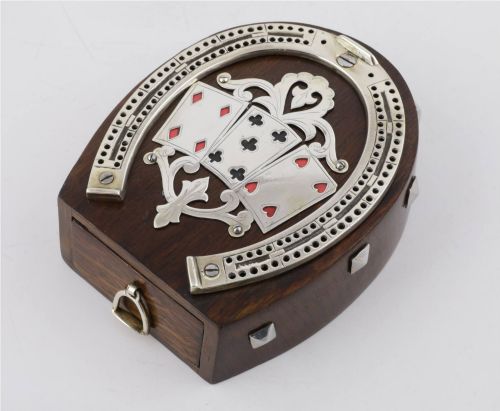
These edwardian games compendium pieces are fitted boxes holding multiple pastimes, built to entertain guests in country houses.
Edwardian Games Compendium
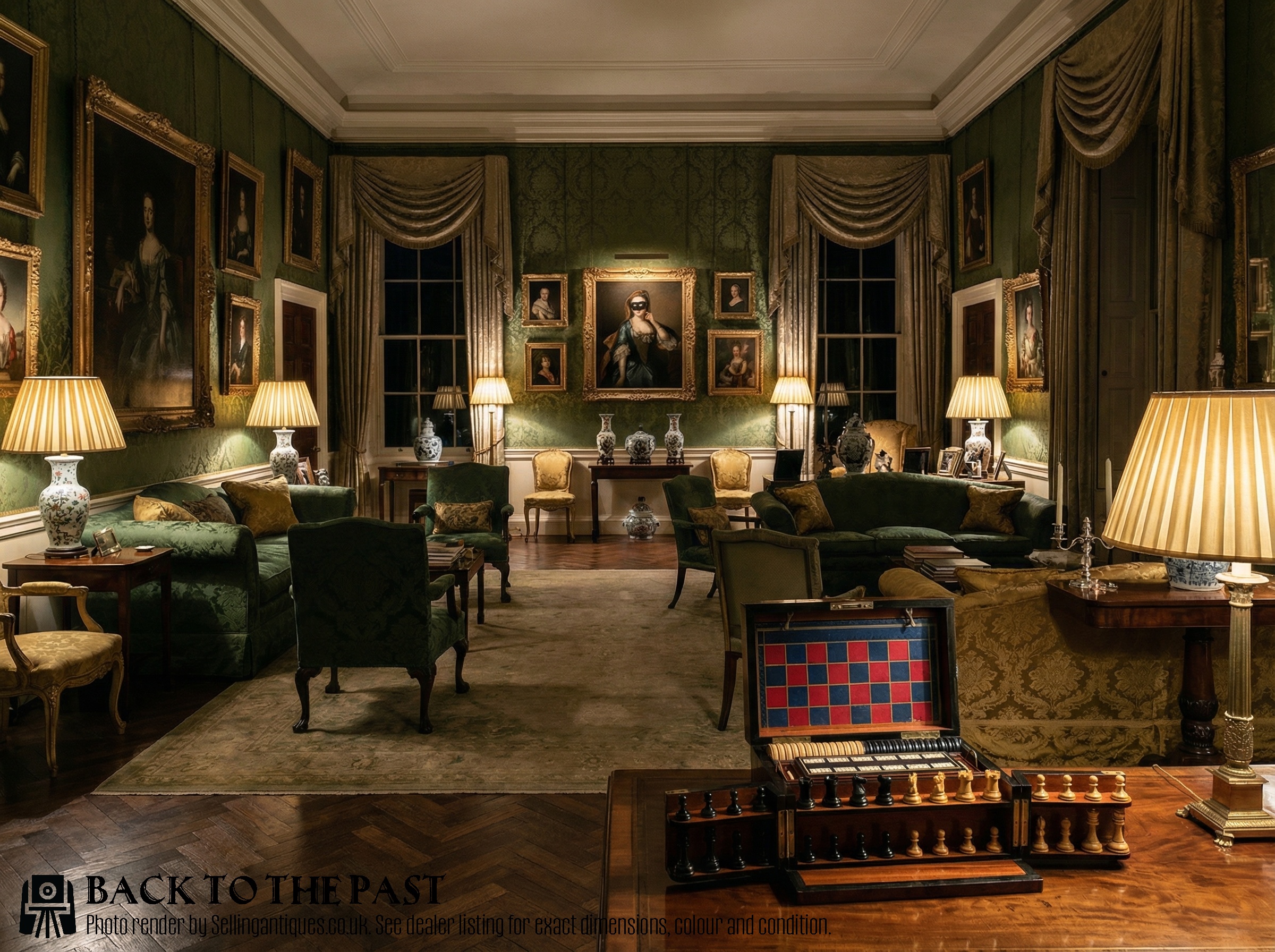
An edwardian games compendium brings together multiple pastimes inside a single fitted box, designed for entertaining in the home. Most examples meet the eye as substantial wooden chests housing boards, cards, and counters.
The pieces on this page span the Victorian and Edwardian periods, stretching from the mid-nineteenth century into the early twentieth. Alongside dedicated compendiums, you will find related forms such as tantalus combinations, card boxes, and patience sets.
Makers of the period utilised domestic timbers and exotic veneers to house these pastimes, often combining drinking cabinets with gaming equipment. The form reflects the social habits of the era, when parlour games formed a central part of evening entertainment.
How they were made
Cabinet makers built these boxes using solid timbers and decorative veneers like oak, mahogany, walnut, and satinwood, often adding brass mounts and leather linings. Carved elements appear on specific regional pieces, notably from the Black Forest workshops.
Interests inside the box required diverse manufacturing skills, from turned wooden chess pieces in bone or wood to cut glass decanters fitted into locking metal frames. Each component fit into custom compartments designed to secure the contents during transport.
Edwardian Games Compendium Retail Price Guide 2026
Typical asking prices for edwardian games compendium among the pieces listed under this phrase on Sellingantiques today, from the lower quarter to the upper quarter. They describe what is for sale here now, not the wider market.
Listings show materials including brass, oak, mahogany, bone, cut glass, silver plate, leather, and wood across multiple decades.
What varies in quality
The distinction between tiers rests upon the choice of timber, the complexity of the internal fittings, and the completeness of the original contents. Finer examples employ figured woods, substantial brass hardware, and intricate inlaid marquetry.
Execution of the internal trays and the presence of original playing pieces alter the standing of a box. Superior pieces maintain integrated locking mechanisms and matched glass sets that demonstrate unified workshop production.
The Edwardian Games Compendium Glossary
- Compendium
- A fitted box containing multiple games and pastimes arranged in tiers or compartments. These sets typically included boards for chess and backgammon alongside card counters and dice.
- Tantalus
- A locking frame that holds decanters securely while allowing the contents to remain visible. In combination pieces, this mechanism sits alongside or above the games compartments.
- Black Forest
- A style of carved wooden work originating from the German region, known for naturalistic animal and foliage motifs. Pieces in this manner feature detailed hand-carved decoration on the exterior.
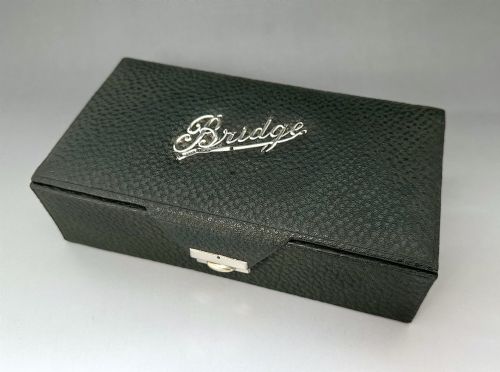
- Bridge box
- A specialised container designed specifically to hold cards, score pads, and pencils for the game of bridge. These often feature leather outer coverings and silver mounts.
- Blonde oak
- A light-coloured variety of oak timber frequently utilised in late nineteenth-century cabinet making. It provided a bright, durable exterior for large entertainment boxes.
Edwardian Games Compendium: Frequently Asked Questions
What games are usually inside?
These boxes typically contain boards for chess, draughts, and backgammon, accompanied by turned wooden pieces, dominoes, and card markers.
More elaborate examples add dice, cribbage boards, and specialised markers for nineteenth-century card games.
How do I spot a tantalus combination?
A tantalus combination incorporates a locking metal bar that secures two or three decanters in place atop or beside the gaming drawers.
This dual purpose provided both liquid refreshment and parlour entertainment within a single piece of furniture.
Are the contents usually original?
Many boxes retain a mix of original bone or wooden pieces, though some components may have been replaced over decades of use.
Examining the wear and material consistency helps determine whether the counters and boards belong to the initial manufacture.
How do I date these boxes?
Dating relies on timber choices, lock types, and the overall aesthetic style, moving from heavy Victorian walnut to lighter Edwardian oak and satinwood.
Inscriptions, registry marks, and patent stamps on hardware can also narrow down the year of production.