
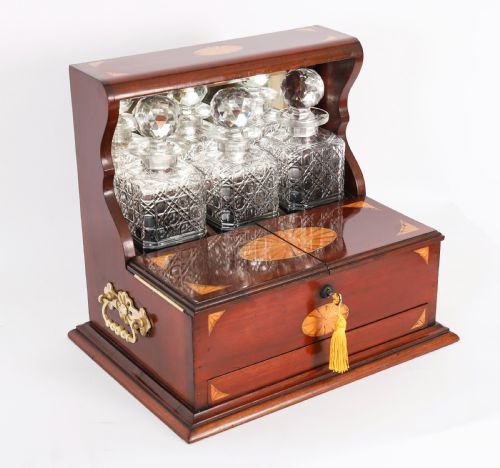


Victorian Compendium of Games
A Victorian compendium of games brings together multiple pastimes in a single fitted box, offering an engaging centrepiece for period entertaining.
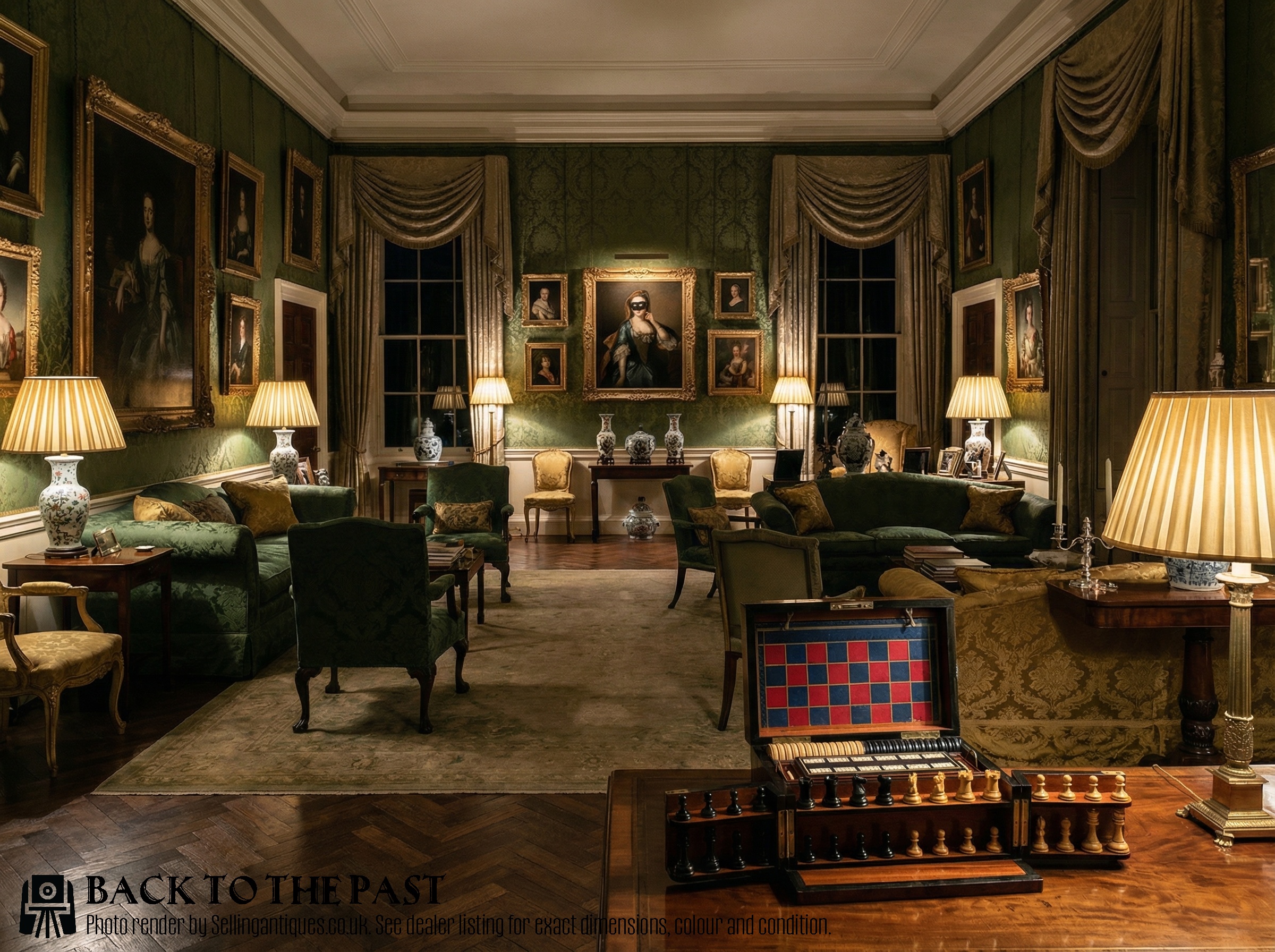
Victorian Compendium of Games
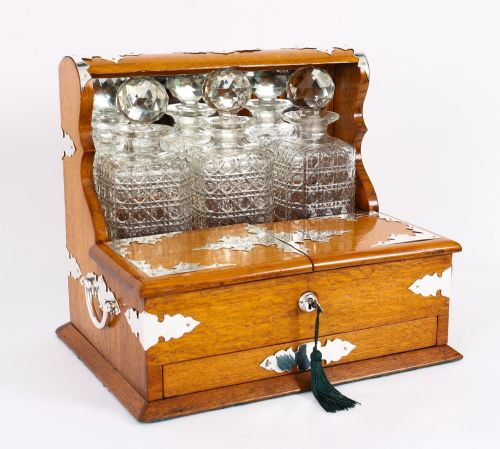
A Victorian compendium of games comprises fitted boxes and multi-tier caskets designed to house several indoor pastimes within one portable case. When searching this phrase, a buyer encounters everything from modest rosewood card boxes to elaborate combinations incorporating tantalus dry bars and folding boards.
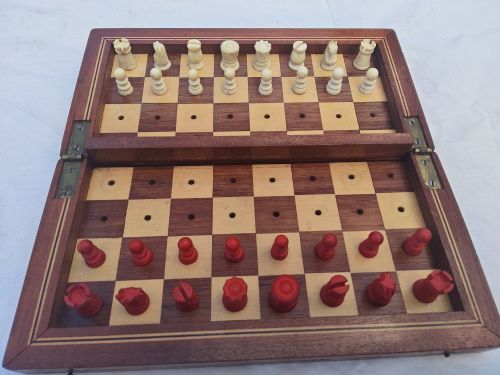
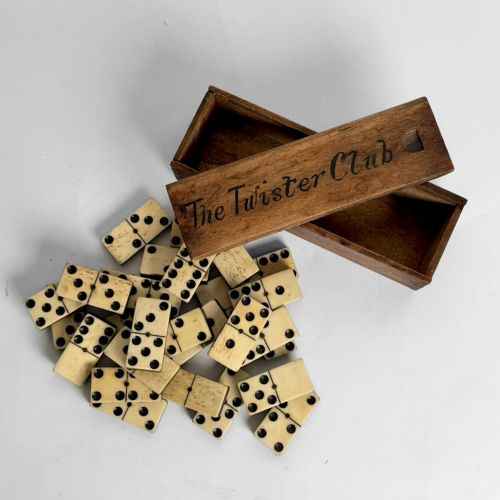
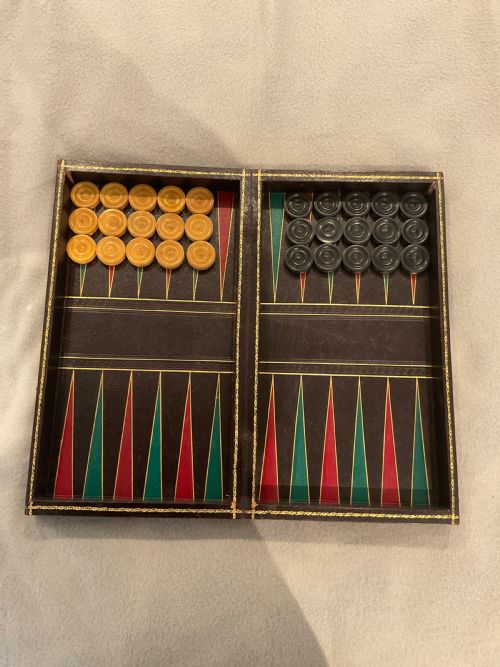
The versions most commonly met on this page date from the nineteenth century, spanning periods from the eighteen-forties to the Edwardian era. These pieces often combine chess, backgammon, dominoes, and cribbage alongside counters and dice.
Originating in traditional English and continental workshops, these items served as portable entertainment for country houses and drawing rooms. The format reflects a period when social gatherings relied on tactile, tabletop amusements.
Determinants of quality
Quality rests in the precision of the internal cabinetry and the complexity of the fitted compartments that secure each component. Superior examples maintain tightly integrated partitions designed to hold multiple distinct games without rattling.
The choice of exterior timber and secondary materials dictates the tier of the piece. Finer items feature figured burr veneers, substantial brass bindings, and hand-carved game pieces rather than mass-produced substitutes.
Listings feature items built from oak, walnut, mahogany, rosewood, and coromandel, spanning the Victorian and Edwardian eras.
F. H. Ayres·George Betjemann
The Victorian Compendium of Games Glossary
- Compendium
- A collection of diverse items gathered into a single volume or box. In this context, it refers to multi-game sets housed together.
- Tantalus
- A locking wooden frame holding decanters to prevent unauthorized access to the contents. They frequently appear integrated into larger games compendiums.
- Staunton
- A standardised style of chess set introduced in the mid-nineteenth century, featuring distinct, recognizable piece shapes. It remains the tournament standard.
- Coromandel
- A dense, heavily figured timber from South-East Asia with dark brown and black streaks. It was prized for luxury nineteenth-century boxes.
- Cribbage
- A card game traditionally scored by moving pegs along a wooden board. Cribbage boxes feature specialised drilled tracks for this purpose.
Victorian Compendium of Games: Frequently Asked Questions
What games are typically included inside?
These boxes generally contain equipment for chess, backgammon, cribbage, and dominoes, alongside playing cards and counters.
Many examples incorporate folding boards and nested trays to accommodate multiple pastimes within a single compact footprint.
How do I date a games compendium?
Dating relies on timber choices, brass hardware styles, and the specific construction methods used for the internal trays. Clues also emerge from associated materials like bone chess sets or silver hallmarks.
Compositions featuring burr walnut and heavy brass binding frequently point toward the middle and late nineteenth century.
Are the game pieces usually original to the box?
Most surviving compendiums retain their matched internal components, particularly when fitted into custom-moulded wooden compartments.
Certain pieces like Staunton chess sets or bone dominoes were made specifically to fit the dimensions of the host casket.
How were these boxes used historically?
Victorian households utilised them during evening gatherings in drawing rooms and country houses for social entertainment.
Their portable nature allowed families to transport entire collections of parlour games between rooms or residences.