




Antique Playing Card Case
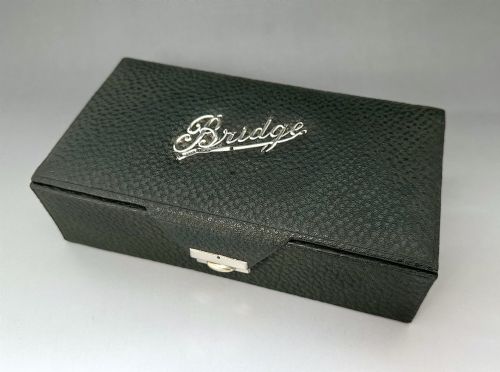
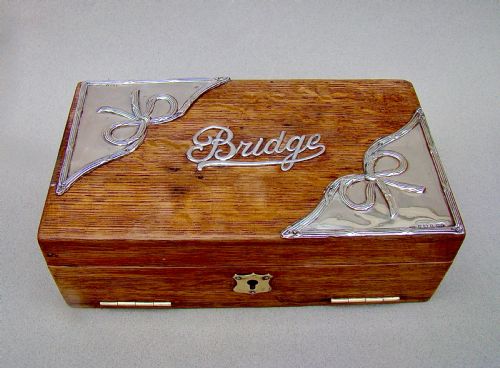
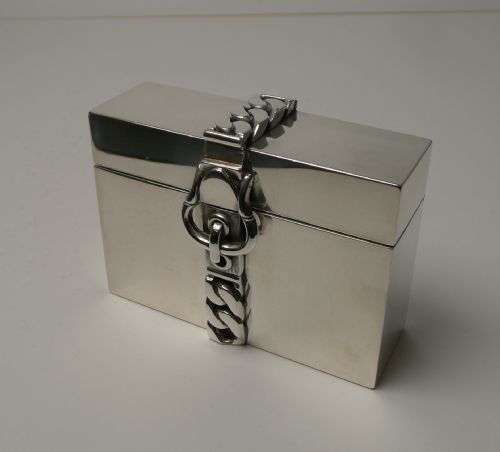
An antique playing card case is a compact receptacle designed to protect gaming decks, appearing here in silver, leather, and wood.
Antique Playing Card Case
When you search for an antique playing card case, you encounter an assortment of small containers made to hold decks for bridge, whist, patience, or cribbage. The selection on this page ranges from modest pocket receptacles to substantial tabletop boxes and caskets designed for specific card games.
Victorian and Edwardian examples dominate the offerings, frequently taking the form of silver-mounted leather bridge boxes or heavy sterling silver caskets. Alongside standard card boxes, the inventory encompasses specialised gaming pieces such as cribbage boxes and decorative card suit spoons.
How they were made
Silversmiths constructed these boxes using sterling silver sheets, often incorporating hallmarks that record the city of assay and the year of production. Many pieces combine silver mounts with fitted leather bodies or wooden carcases lined for card storage.
Art Deco and mid-century examples introduce alternative finishes, utilising enamel, black lacquer, and early plastics like Bakelite alongside traditional satinwood and glass elements.
The documented periods on this site stretch from the nineteenth century through the Edwardian era, Art Deco years, and into the nineteen-forties.
What varies in quality
The distinction between standard items and superior examples lies in the weight of the silver and the precision of the internal mechanics. Boxes featuring rising card trays or fitted compartments demonstrate a higher degree of craftsmanship from the maker.
The inclusion of original fitted cases, specialised accessories like card suit spoons, or complex decorative treatments such as polychrome enamel elevates the desirability of the piece.
Levi & Salaman·Nelson and Drake
The Antique Playing Card Case Glossary
- Bridge box
- A container specifically proportioned to hold two decks of cards required for bridge, often fitted with scoring tablets or pencils.
- Patience box
- A smaller receptacle designed for single-player card games, reflecting the Victorian and Edwardian popularity of solitaire pastimes.
- Sterling silver
- An alloy containing 92.5 percent silver by mass, standard for British boxes bearing assay office hallmarks.
- Satinwood
- A durable, lustrous wood native to Ceylon and India, utilised by nineteenth-century cabinetmakers for decorative veneering.
- Cribbage box
- A specialised gaming box incorporating a sliding lid or interior track to store pegs used in keeping score during cribbage.
Antique Playing Card Case: Frequently Asked Questions
What games were these boxes used for?
These boxes held decks for traditional parlor games including bridge, whist, cribbage, and patience. Specific interiors often accommodated scorecards, markers, or miniature rules alongside the cards.
Larger caskets provided space for multiple decks and betting counters, while pocket cases protected single packs during travel.
How do I identify a Victorian card box?
Victorian examples frequently display ornate repoussé decoration, heavy silver mounts on leather, or rich timber construction like satinwood. Assay office marks and date letters stamped on the silver provide precise manufacturing years.
Earlier nineteenth-century pieces often favor understated joinery and polished hardwood exteriors over the elaborate ornamentation seen later in the period.
Are cards usually included in these cases?
Most antique playing card cases are offered empty, though some retain vintage paper decks or score sheets from the period. Surviving original cards add context to the piece but are separate from the structural box.
Standard modern playing cards may fit older boxes, though miniature cases require specific smaller decks to close properly.
How should I clean a silver card box?
Silver surfaces benefit from gentle dusting with a soft cloth and occasional treatment with a specialised silver polish. Care must be taken to avoid abrasive contact with softer materials like leather, enamel, or wood veneers.
Preserving the natural patina is standard practice among collectors, avoiding excessive cleaning that removes crisp hallmark details.