




Antique Games Table Box
An antique games table box is a dual-purpose piece designed for leisure and storage, combining fine cabinet-making with parlour entertainment.

Antique Games Table Box
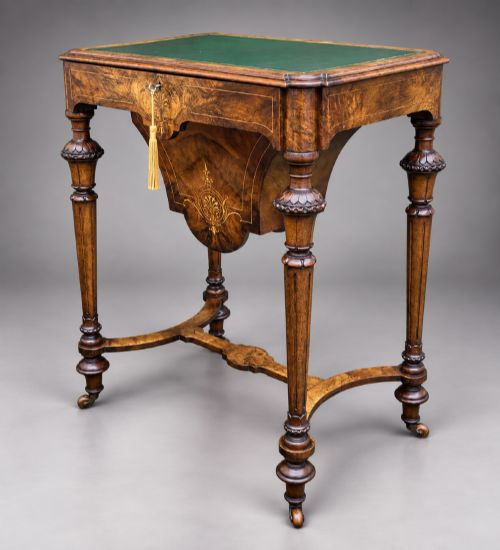
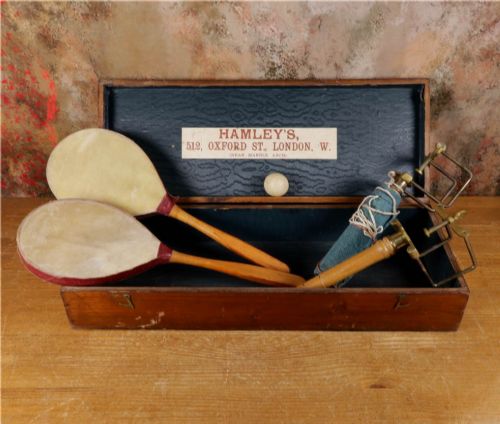
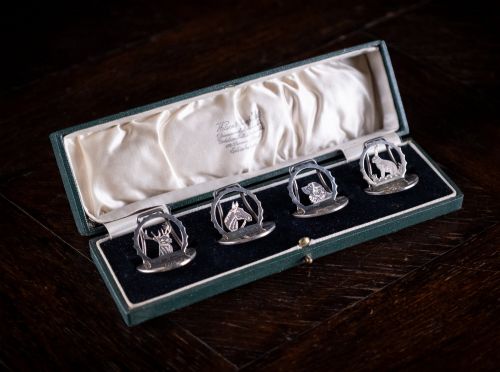
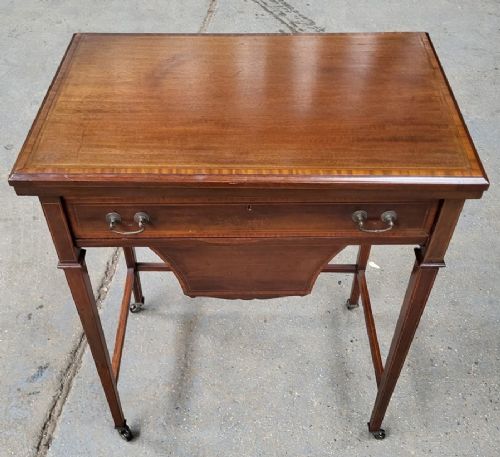
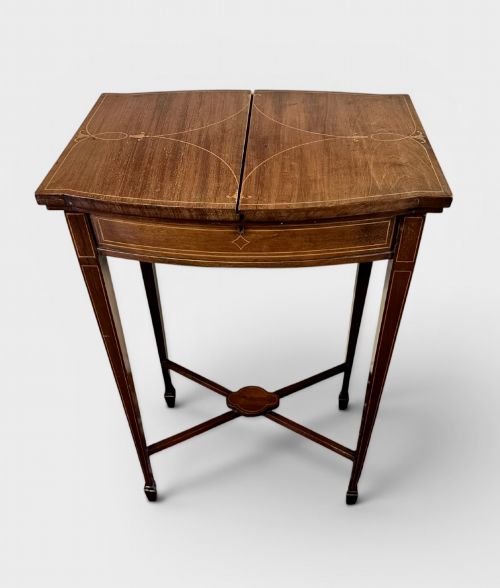
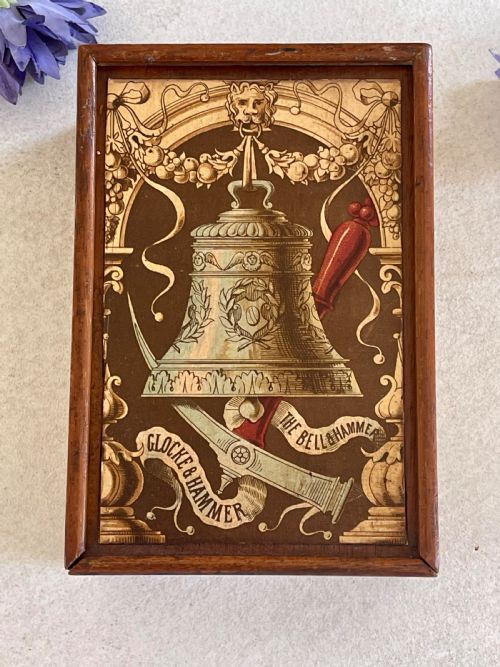
When you search for an antique games table box, you encounter pieces spanning the Victorian, Edwardian, and Regency periods, alongside turn-of-the-century items. These objects primarily take the form of combined work tables, sewing tables, and dedicated games compendiums or smaller caskets.
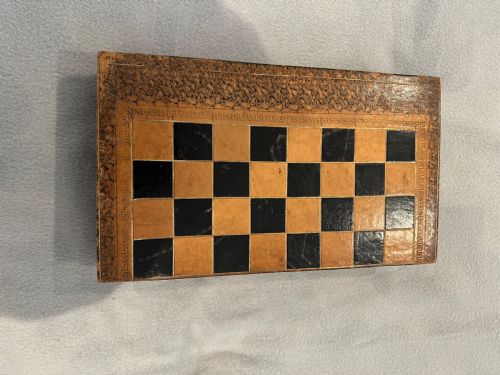
The most common formats on this page integrate a fold-over top for cards or chess with a fitted interior or bag for sewing gear. Occasional tables and decorative boxes also appear, reflecting domestic parlour pastimes from the nineteenth and early twentieth centuries.
Materials and construction methods
Cabinet-makers relied heavily on rich timbers such as walnut, burr walnut, rosewood, and occasional oak to construct these pieces. Marquetry inlay, cross-banding, and Tunbridge ware surface decoration frequently adorn the exterior surfaces of the tables and boxes.
Prisoners of war carved intricate bone dominoes inside narrow cells using smuggled beef bones from their rations.
Markers of quality and execution
The sophistication of the timber veneer and the precision of the marquetry inlay set individual examples apart. Rich burr walnut and carefully matched grain patterns indicate superior cabinet-making compared to plain timber surfaces.
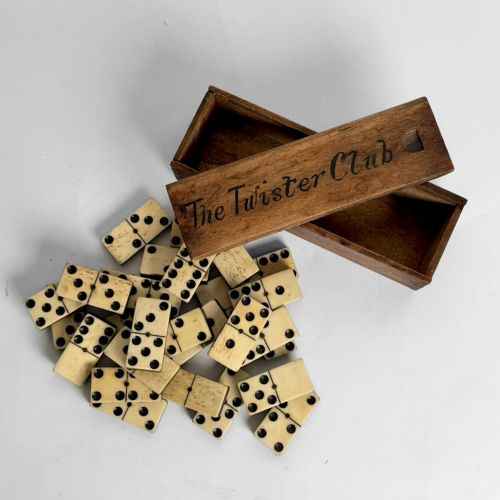
The intricacy and completeness of the fitted interior dictate the overall standard of a piece. Examples retaining original gaming components, bone pieces, and intact silk sewing bags demonstrate higher craftsmanship than altered or depleted specimens.
Jaques & Hamleys Gossima·F.H.Ayres Ltd., London·A. Wilcox
The Antique Games Table Box Glossary
- Burr walnut
- A figured timber veneer taken from the warted growths of walnut trees. It provides a highly decorative and swirling grain pattern on table tops and box lids.
- Marquetry
- The art of applying pieces of veneer to a structure to form decorative patterns. Craftsmen use various woods to create intricate geometric or floral designs.
- Games compendium
- A boxed collection of multiple parlour games housed in a single fitted case. These sets typically include boards, dice, chess pieces, and card markers.
- Tunbridge ware
- A specialised form of woodworking originating in Kent, utilising tiny coloured wooden mosaic tiles to create pictorial scenes or geometric borders.
Antique Games Table Box: Frequently Asked Questions
What is an antique games table box?
An antique games table box is a dual-purpose household object designed to provide a surface or storage for parlour games alongside sewing or occasional use. They typically date from the Regency, Victorian, and Edwardian eras.
These pieces range from small table-top caskets for cards and dominoes to larger freestanding tables with fold-over tops and fitted interiors. Their design reflects the popularity of domestic entertainment in the nineteenth and early twentieth centuries.
How were these tables used historically?
Historically, households utilised these items in parlours and drawing rooms for evening entertainment and needlework. The upper surfaces accommodated chess, cards, or table croquet, while internal compartments held the necessary accessories.
When not in use for gaming, the fold-over tops closed to serve as standard occasional tables or work desks. The integrated compartments kept sewing supplies and game pieces organised in one central location.
What materials are typical for these pieces?
Makers predominantly used solid woods and veneers such as walnut, burr walnut, rosewood, and oak. Decorative techniques included marquetry inlay, cross-banding, and occasionally Tunbridge ware mosaics.
Internal fittings often incorporated bone, leather, fabric, and brass hardware. Game pieces within these boxes were frequently carved from bone or turned from dense woods.
How do I date an antique games table box?
Dating relies on observing the prevailing styles, timber choices, and construction methods characteristic of different periods. Regency and William IV pieces often display rosewood with classical lines, whereas Victorian examples frequently feature burr walnut and elaborate marquetry.
Edwardian items tend to show lighter inlay work and sometimes incorporate zinc or brass labels from specific manufacturers. Hallmarks on silver components or accompanying paper instructions also provide precise chronological markers.
Are game pieces usually included with the box?
Many surviving examples retain their original fitted contents, such as bone dominoes, cribbage boards, or chess sets. However, some pieces survive solely as tables or empty boxes due to centuries of use.
Listings specify whether items like card boxes or compendiums include their complete original contents. Complete sets with period gaming pieces generally command higher interest from collectors.