



Victorian Wooden Games Box
A victorian wooden games box organises parlour pursuits in mahogany, walnut, or oak, bringing nineteenth-century social pastimes directly to the modern interior.
Victorian Wooden Games Box
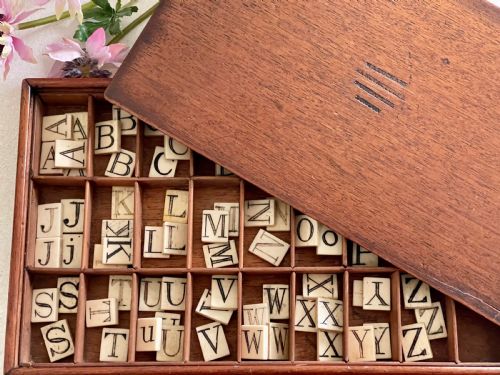
A victorian wooden games box encompasses specialised caskets, compendiums, and folding boards designed for nineteenth-century parlour entertainment. These containers house chess, backgammon, cards, cribbage, and dice within fitted internal compartments.
The versions most frequently encountered on this page originate from the mid-nineteenth century through to nineteen hundred. Examples range from compact rosewood card caskets and cribbage boxes to elaborate burr walnut compendiums containing multiple boards and gaming pieces.
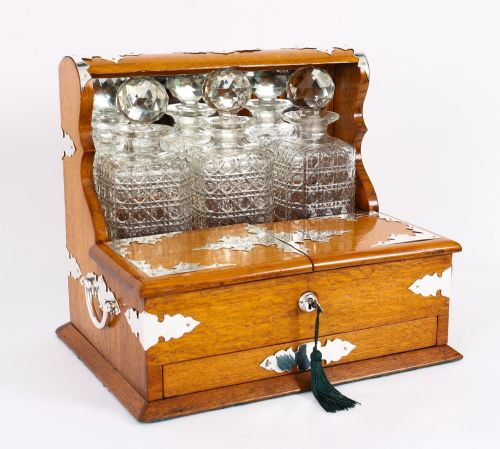
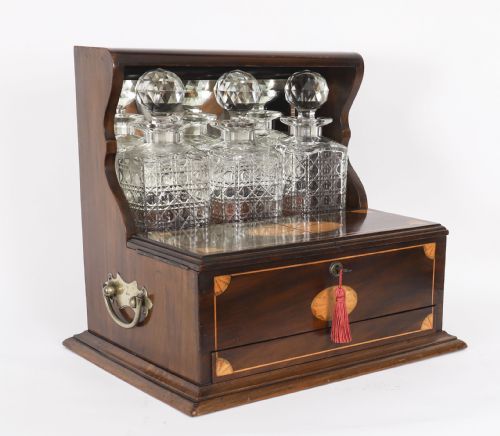
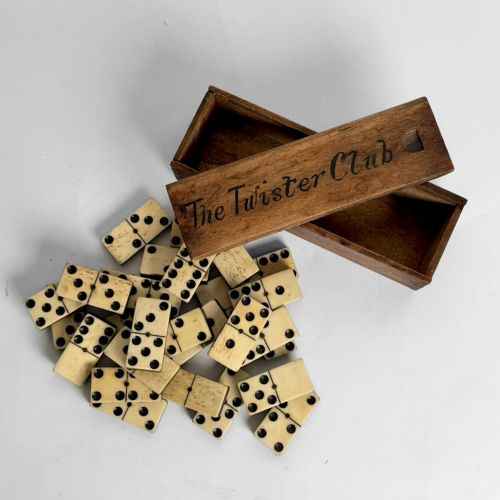
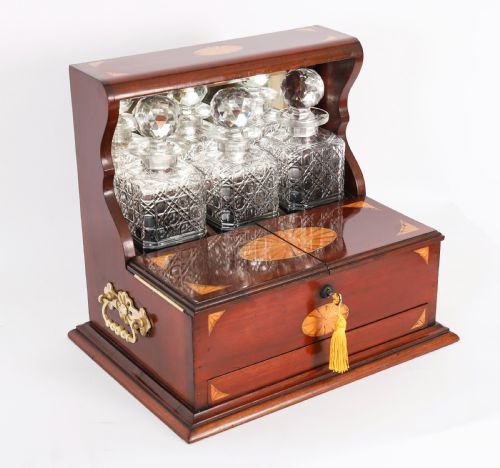
Many specimens combine social drinking and gaming by integrating decanters and glassware into tandem compartments. Oak, mahogany, and burr walnut form the structural carcasses, occasionally housing bone dominoes or boxwood and ebony chess sets.
How They Were Made
Cabinet makers utilised dense hardwoods such as mahogany, walnut, and rosewood for the primary structural carcase, often applying burr walnut veneers to display dramatic grain figures. Boxwood and ebony provided contrasting tones for inlaid board surfaces and chess pieces.
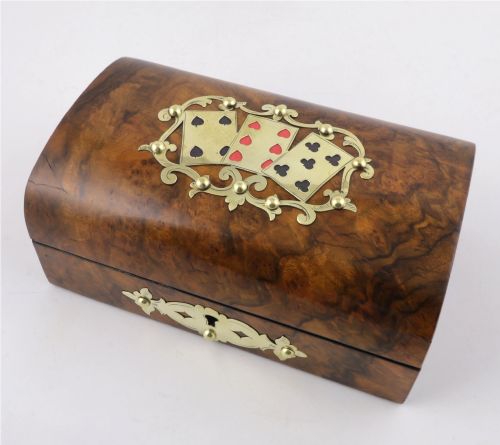
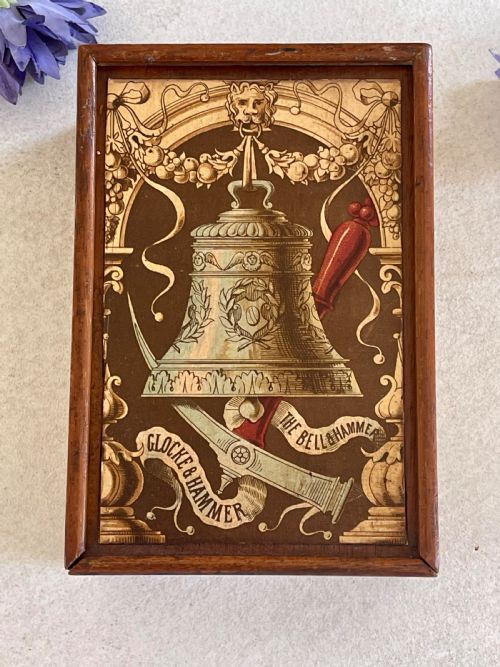
Brass hardware including escutcheons, hinges, and carrying handles reinforced the joints and corners of portable caskets. Tunbridge ware and intricate marquetry incorporated contrasting woods to create geometric mosaic patterns across the lids.
Internal trays and partitions utilised lightweight pine or cedar to separate card decks, dice, and counters without adding excessive weight. Bone and turned wood components populated the interior game sets, finished by hand with natural oils and polishes.
Listings feature nineteenth-century materials including mahogany, burr walnut, boxwood, ebony, bone, and brass across various nineteenth-century decades.
What Varies in Quality
The caliber of a victorian wooden games box rests upon the precision of its internal joinery and the selection of timber veneers. Superior examples feature book-matched burr walnut or satinwood inlay that aligns seamlessly across opening lids and folding panels.
Hardware execution separates utilitarian boxes from luxury compendiums, with heavy cast brass mounts, functioning locks, and integrated brass pinning distinguishing finer workshops. The completeness and original state of internal gaming pieces, counters, and crystal decanters heavily influence the overall standard.
Jaques·F. H. Ayres Ltd., London·British Chess Company
The Victorian Wooden Games Box Glossary
- Compendium
- A multi-game storage box containing equipment for several different pastimes such as chess, backgammon, and cards within one fitted case. These containers often utilise fold-out boards and stacked internal trays.
- Tantalus
- A locking wooden frame holding decanters that prevents access to the contents without a key. In games compendiums, this mechanism frequently accompanies the internal liquor and glassware storage.
- Tunbridge Ware
- Woodworking characterised by mosaic veneers assembled from thousands of tiny tinted wood squares to form pictorial or geometric designs. This technique originates from the spa town of Tunbridge Wells.
- Cribbage Box
- A small container specifically sized for storing playing cards and cribbage pegs, often featuring sliding lids or hinged compartments. These pieces usually date from the later nineteenth century.
- Staunton Chess Set
- The standard pattern of chess pieces introduced in the mid-nineteenth century, featuring distinct, easily recognisable forms. Most high-quality nineteenth-century sets on this page follow this specific design.
- Escutcheon
- A protective brass plate surrounding a keyhole on the exterior of a box or casket. Better examples are cast in solid brass and secured with small pins.
Victorian Wooden Games Box: Frequently Asked Questions
What games were played in these boxes?
Nineteenth-century households enjoyed chess, backgammon, cribbage, card games, and dominoes using equipment housed within fitted wooden caskets. Many boxes combined multiple boards and counters to accommodate various parlour pastimes in a single container.
Larger compendiums also integrated dice games, squails, and drinking decanters for evening entertainment. The selection of components dictated the specific social activities available during parlour gatherings.
How do I identify the wood type?
Cabinet makers relied on mahogany, walnut, rosewood, and oak for the external carcasses of nineteenth-century gaming containers. Burr walnut and satinwood veneers offered decorative grain patterns across the lids and panels.
Closer inspection of colour, grain direction, and weight reveals whether a box utilises solid timber or applied veneer over a secondary wood like pine. Contrasting lighter boxwood and darker ebony typically appeared in inlaid borders and chess pieces.
Are internal game pieces original?
Many surviving nineteenth-century boxes retain their matching turned bone, boxwood, or ivory gaming pieces stored within dedicated compartments. Complete sets often feature maker stamps or consistent patina shared between the box and its contents.
Replacement pieces sometimes appear in later collections due to the fragile nature of small gaming items. Evaluating the material consistency and wear patterns helps determine if the internal components belong to the original manufacture.
Where were games boxes kept?
Upper and middle-class households stored these caskets in drawing rooms, parlours, and libraries for ready access during evening social occasions. Their portable nature allowed servants to transfer the containers between rooms as required.
Compact card boxes and cribbage caskets sat on side tables, while large compendiums remained on dedicated stands or sideboards. This prominent placement made them both functional items and decorative objects.