

Antique Tea Accessories
These antique tea accessories bring together caddy spoons, sugar tongs, and strainers shaped by centuries of social ritual.
Antique Tea Accessories
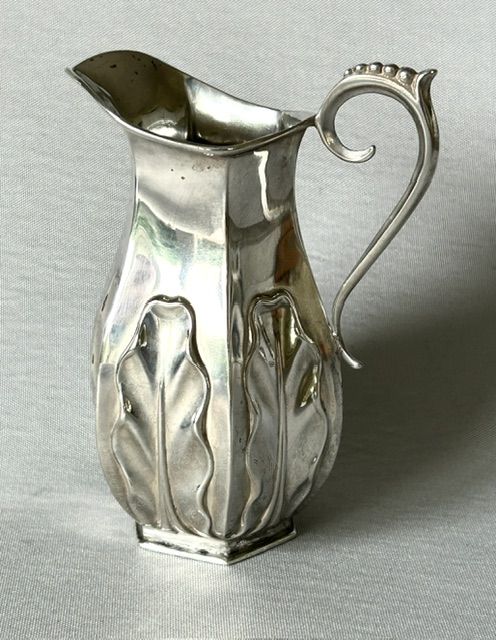
When you search for antique tea accessories, you encounter smaller implements and vessels designed to manage loose leaves, sugar, and cream during formal tea service. The selection spans sugar tongs, caddy spoons, tea strainers, cream jugs, and tea caddies.
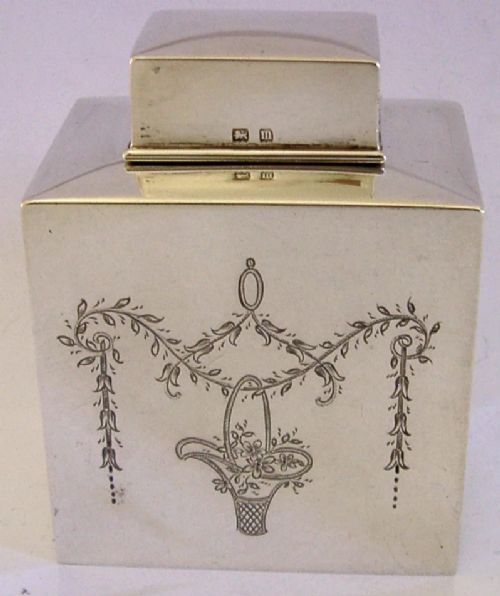
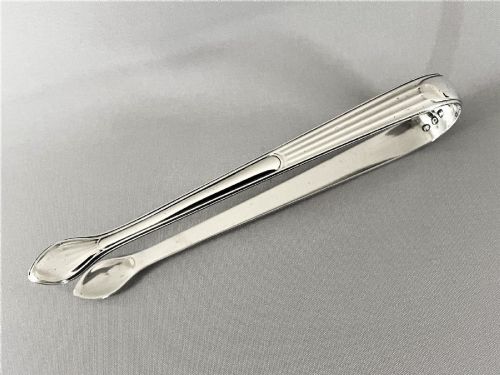
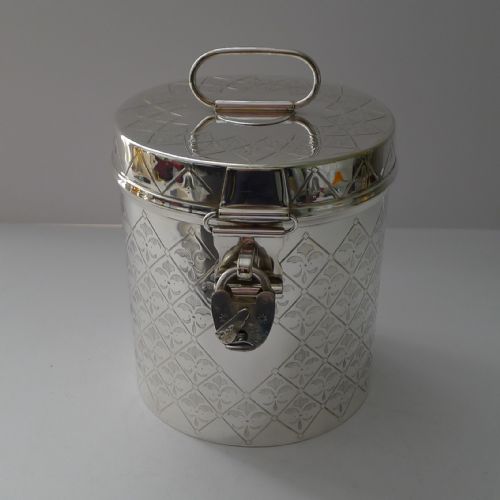
Georgian and Victorian examples dominate the pieces listed here, alongside Edwardian and Art Deco iterations. You regularly meet cast silver tongs, sterling silver caddy spoons, and plated biscuit barrels across these eras.
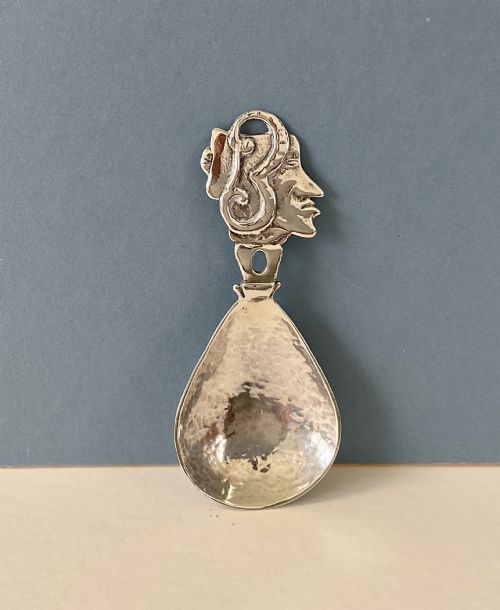
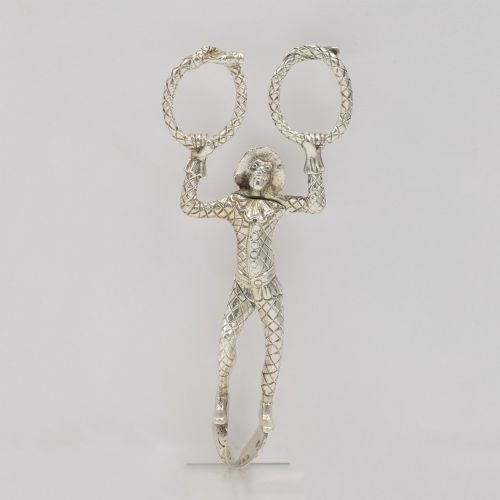
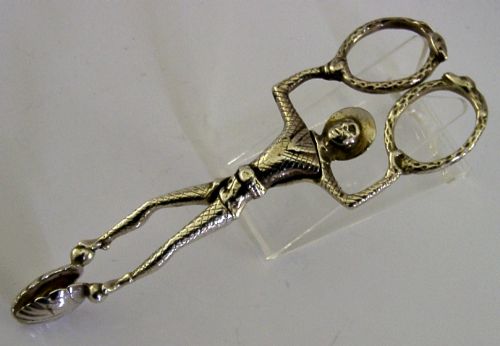
The objects range from utilitarian wooden tea caddies with star inlay to novelty silver harlequin monkey sugar tongs and jockey cap caddy spoons. Each item fulfilled a specific function in the preparation and consumption of tea.
How they were made
Makers utilised sterling silver and silver plate as primary metals, shaping them through casting, piercing, and hammering. Electroplated nickel silver and gold gilt also appear on specific vessels and serving pieces.
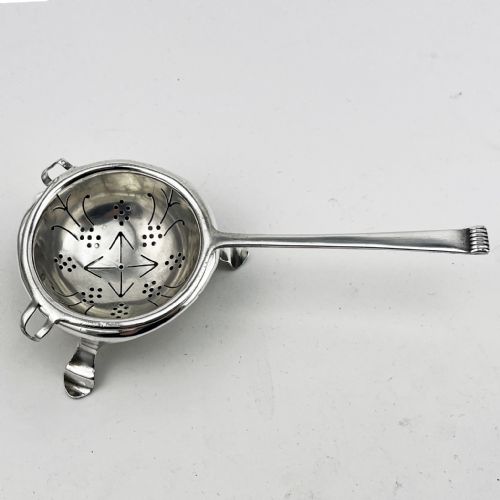
Organic materials such as mahogany, shagreen, velvet, silk, and leather provide contrast and housing for fitted caddy sets and boxes. Turned wooden handles attach to metal tea strainers for insulation during use.
Among the sugar tongs, a mischievous harlequin monkey waits to serve your afternoon sugar lumps.
What varies in quality
Quality rests in the crispness of cast detail on novelty items and fancy back spoons, where worn definition indicates heavy use or secondary casting. The weight of the silver and the balance of tongs or strainers determine the standard of manufacture.
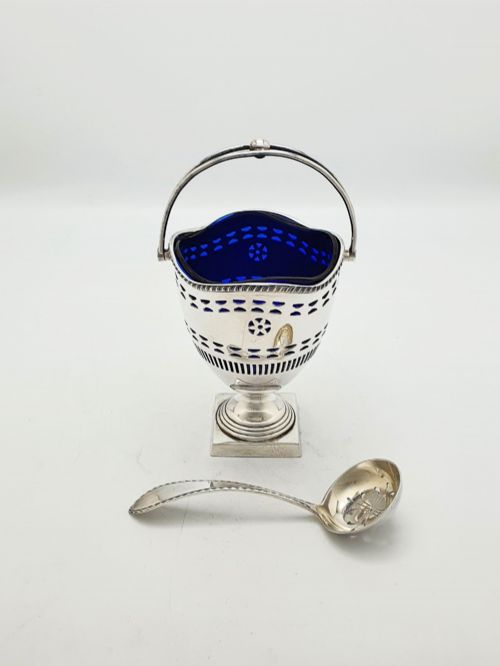
Original fitted elements, such as cobalt glass liners in sugar bowls or shagreen box cases for canisters, elevate the integrity of a set. Superior craftsmanship shows in the precision of hinges, locking mechanisms on tea caddies, and untouched hallmarks.
Zimmermann·Mappin and Webb·Dee and Fargus·Wallis·Georg Jensen·William Neale·Thomas Tookey·Jeremiah Lee·Peter Gillois
The Antique Tea Accessories Glossary
- Caddy spoon
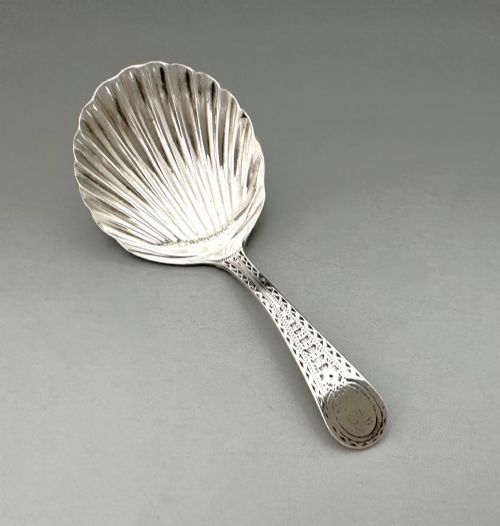
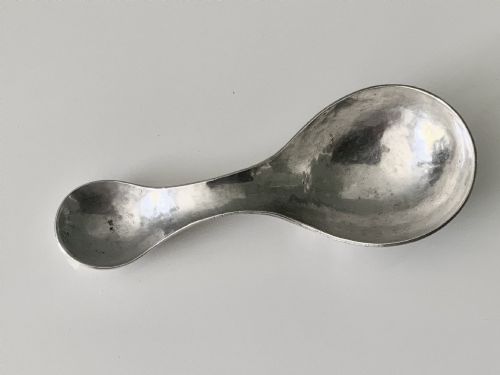
- A short-handled spoon designed specifically for measuring loose tea leaves from a caddy into a pot. They often feature shallow bowls shaped like shells, leaves, or jockey caps.
- Mote spoon
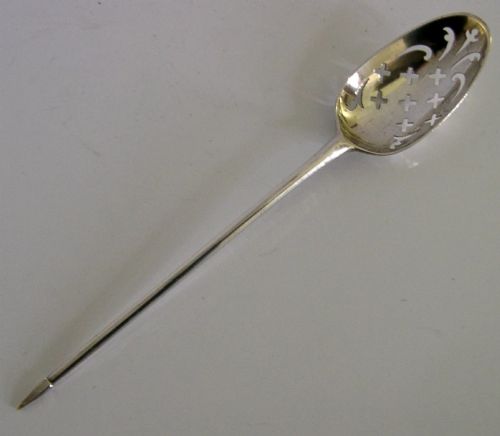
- An eighteenth-century implement featuring a pierced bowl for skimming floating leaves and a pointed terminal used to clear tea pot spouts. They date primarily from the Georgian period.
- Sugar nips
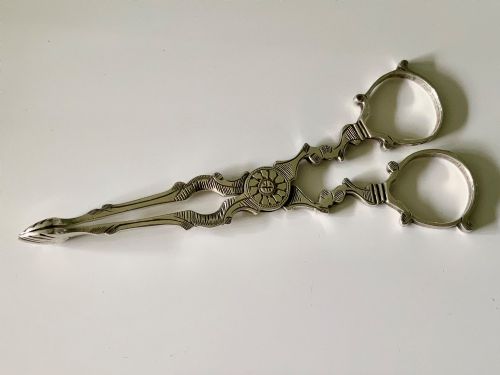
- Scissors-like implements with small claw or spoon terminals used for grasping sugar lumps before the widespread adoption of moulded sugar cubes. They precede standard sugar tongs.
- Shagreen
- Untanned leather prepared from the skin of a shark or ray, exhibiting a granular surface texture. It appears on eighteenth-century boxes housing tea canister sets.
- Biscuit barrel
- A covered ceramic, glass, or silver-plated vessel used for serving biscuits during tea. They often incorporate locking mechanisms or swing handles.
Antique Tea Accessories: Frequently Asked Questions
What is a caddy spoon used for?
A caddy spoon measures loose tea leaves from a storage canister into the teapot. These small spoons were manufactured in silver and silver plate to match broader tea services.
Their shallow bowls frequently took decorative forms, including leaves, shells, and novelty caps, making them collectable items independent of the tea caddies they accompanied.
How do sugar tongs differ from sugar nips?
Sugar nips operate on a scissor action with pivot points, terminating in small claws designed to grip lump sugar. They date predominantly to the eighteenth century.
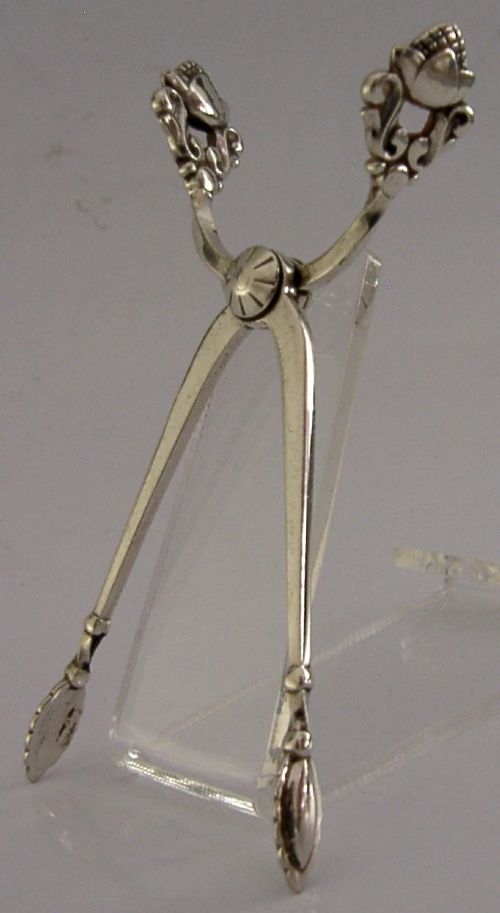
Sugar tongs typically feature a sprung, single-piece metal bow that requires manual compression. This style became more common during the Victorian and Edwardian periods.
What was the purpose of a mote spoon?
Mote spoons served a dual function during the eighteenth century when loose tea contained significant debris. The pierced bowl skimmed stray leaves from the surface of the brew.
The tapered terminal point cleared tea leaves that became lodged in the spout of the teapot during pouring.
How do I date an antique silver tea accessory?
Dating relies heavily on hallmarks stamped into the metal, which indicate the assay office, date letter, and maker's mark. Stylistic indicators, such as Georgian fancy backs or Art Deco geometric lines, provide secondary confirmation.
Documentation and archival records for registered makers further narrow the production window of specific pieces.