
English Silver Flatware
English silver flatware brings centuries of functional dining heritage to the table, offering lasting metalwork that collectors prize for historical weight and utility.
Understanding English Silver Flatware
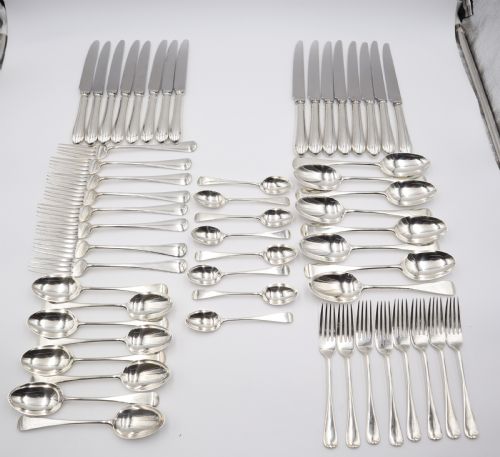
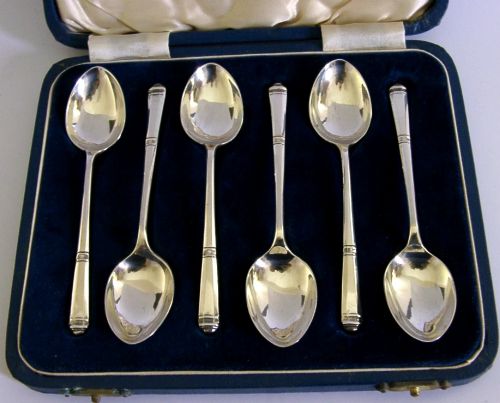
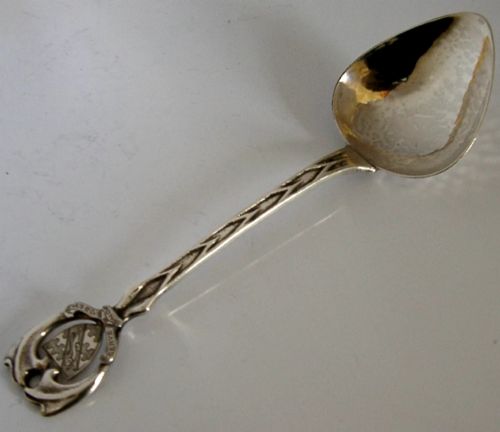
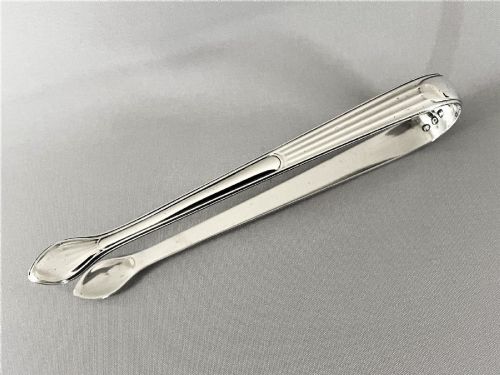
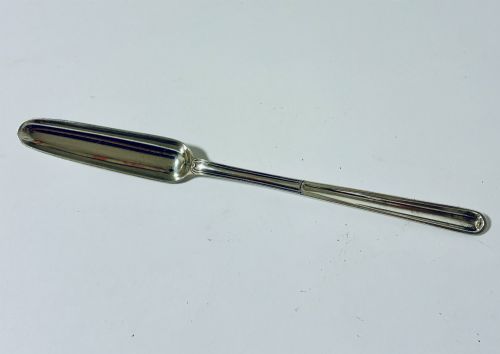
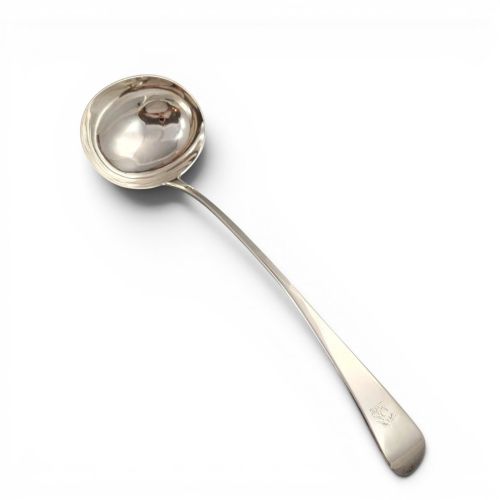
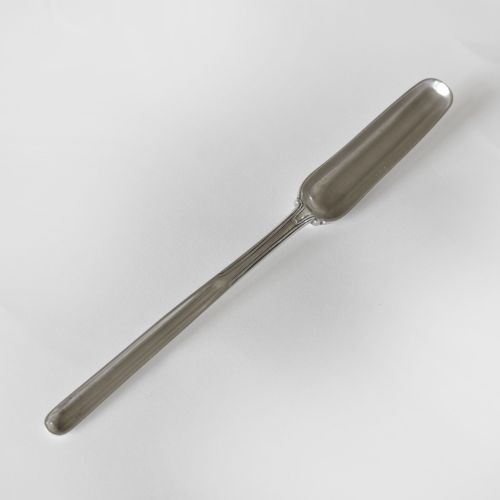
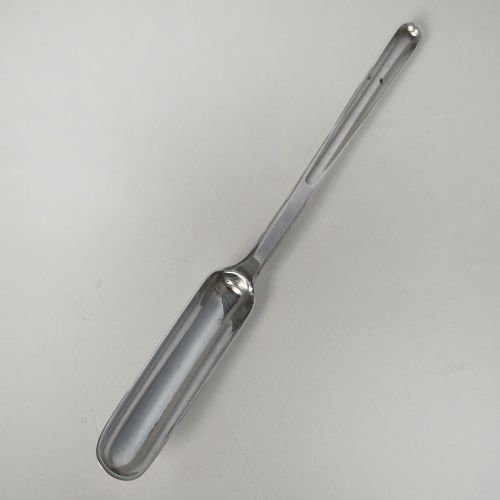
English silver flatware encompasses serving spoons, sugar tongs, sauce ladles, and dessert spoons spanning multiple historical eras. The selection on this page ranges from seventeenth-century pieces to Victorian examples, showing the evolution of dining implements over centuries.
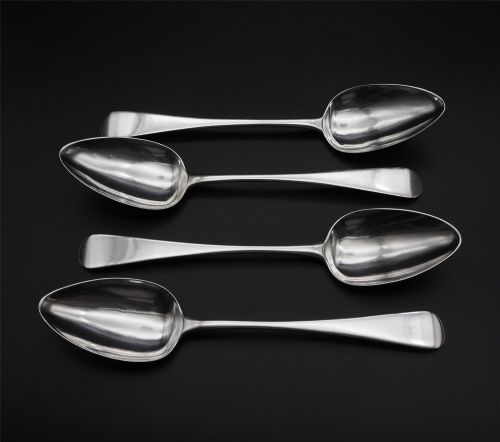
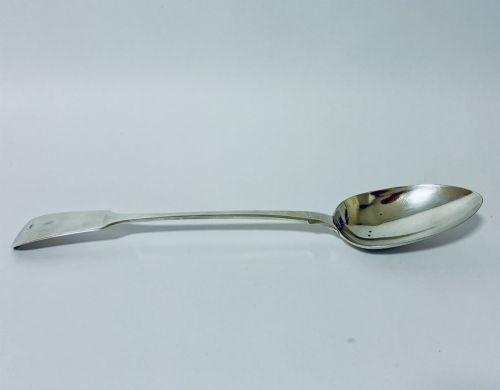
Buyers encountering these listings will most frequently meet Victorian fiddle pattern serving spoons and Georgian dessert spoons. These items reflect the domestic habits of their respective periods, from formal dining to tea service.
The material record for these items is rooted firmly in sterling silver and solid silver construction. Each piece carries the marks of its period, whether it is the ornate scrollwork of the nineteenth century or the early form of the seventeenth century.
Manufacturing and Materials
The objects in these listings are formed from sterling silver and solid silver, metals chosen for durability and lustre in domestic service. Smiths shaped these metals by hand, hammering and casting the forms before applying surface details.
Decoration on these items includes ornate scrollwork characteristic of Victorian manufacturing and specific regional silhouettes like the trefid form. Hallmarks stamped into the metal recorded the maker, town, and year of production.
Retail Price Guide 2026
Typical UK retail prices for english silver flatware, calculated from the Sellingantiques database of over a million retail prices indexed since 2003. This retail price guide relies exclusively on Sellingantiques data; no external sources or auction records are used, so the figures do not describe the wider market.
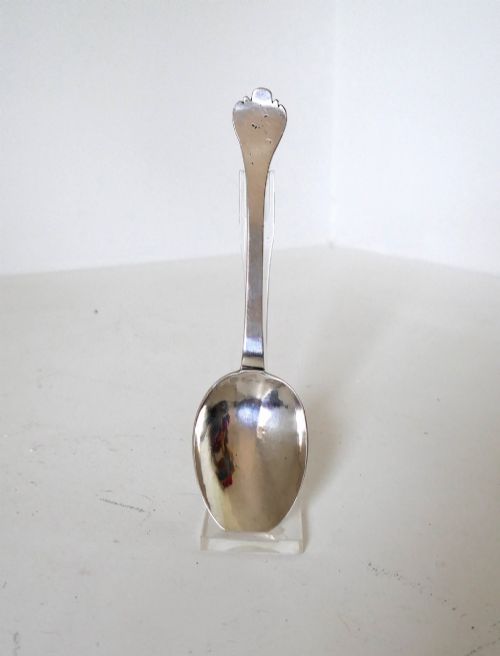
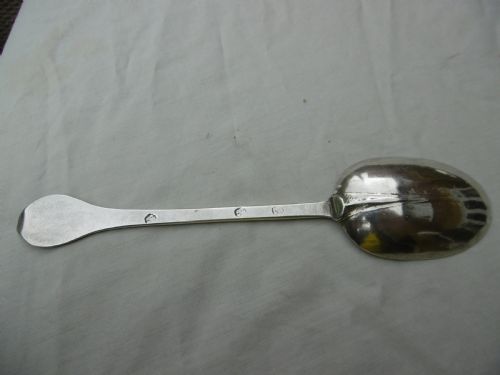
A Southampton silversmith working in 1680 shaped a trefid spoon that outlived centuries of changing dining habits.
Factors of Quality
Quality in these pieces is dictated by the crispness of the original chasing, the preservation of the hallmarks, and the weight of the silver. Items that retain their original proportions without excessive thinning from polishing sit at the upper end of the range.
The reputation of the maker also separates standard examples from exceptional ones, particularly when tied to notable silversmith families. Provenance and documentation of origin further elevate the standing of individual pieces.
Bateman Family·Peter Webb
The English Silver Flatware Glossary
- Sterling silver
- A silver alloy containing 92.5 percent pure silver and 7.5 percent other metals, usually copper, to increase hardness. This standard has been used in English plate for centuries.
- Hallmark
- An official stamp applied to precious metals by an assay office to guarantee the purity of the metal. These marks often include symbols for the maker, town, and date.
- Fiddle pattern
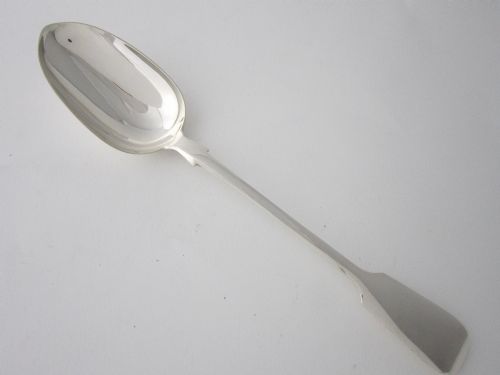
- A nineteenth-century cutlery design featuring a distinctive broadened shoulder just above the stem and a turned-up terminal. It became a staple of Victorian dining tables.
- Trefid spoon
- An early form of spoon with a lobed terminal and a flat stem, popular in the seventeenth century. The name derives from the three-lobed shape of the handle end.
- Sauce ladle
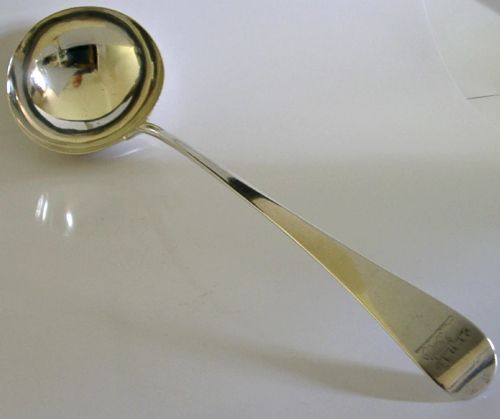
- A small spoon with a deep bowl used for serving sauces and gravies. They frequently feature ornate decoration reflecting the style of their period of manufacture.
Frequently Asked Questions
How do I identify a Georgian spoon?
Georgian spoons date from the reigns of the four King Georges, spanning from the early eighteenth century to the early nineteenth century. They often feature distinct stylistic traits of the period, such as plain bowls and stems before the rise of heavy Victorian ornamentation.
Examining the hallmarks on the reverse of the stem provides the definitive date and assay office. These stamps link the object directly to its year of creation.
What does fiddle pattern mean?
Fiddle pattern describes a specific cutlery handle design that widens abruptly near the terminal into a shape reminiscent of a fiddle or violin. It gained widespread popularity during the Victorian era across various dining implements.
This design appears frequently on serving spoons and forks from the nineteenth century. Its balanced weight made it a practical choice for large households.
How were old silver ladles used?
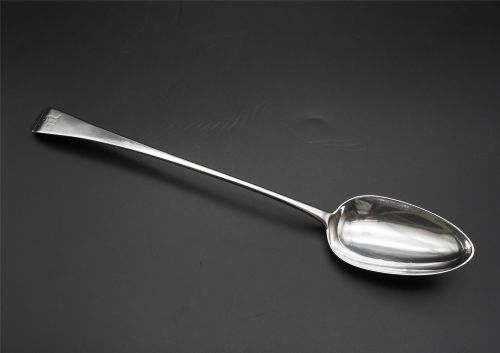
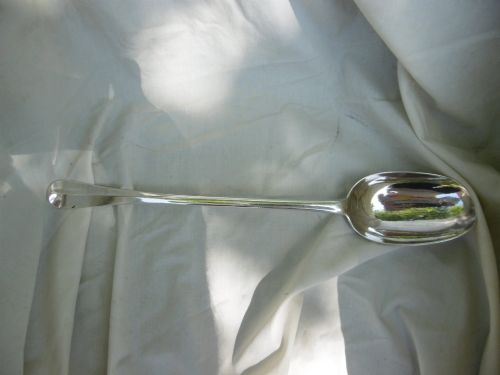
Silver ladles served liquids and sauces from larger bowls and tureens during formal dining occasions. A sauce ladle handled gravies, while larger basting spoons managed juices on the carving table.
Their substantial construction allowed them to withstand daily use in wealthy households. Over time, many transitioned from working dining tools to collected display pieces.