
Georgian Sterling Silver Spoons
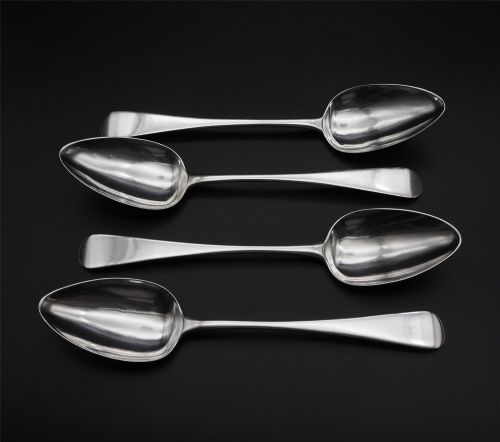
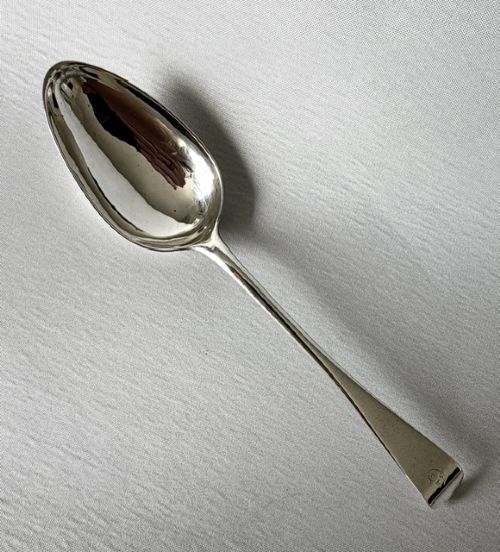
Georgian sterling silver spoons are period tableware items shaped for serving and dining, prized by collectors for their historical silverwork.
Identifying Georgian Sterling Silver Spoons
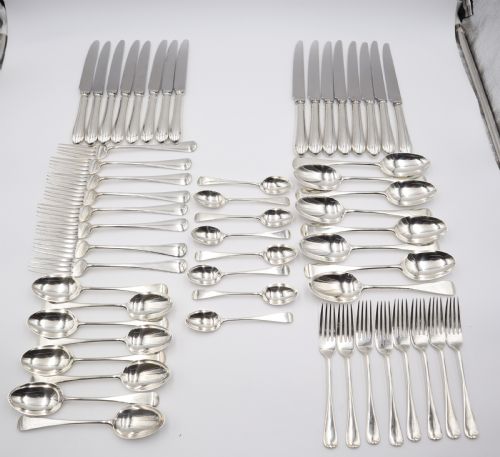
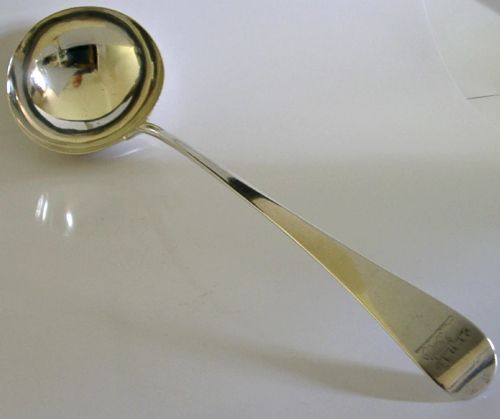
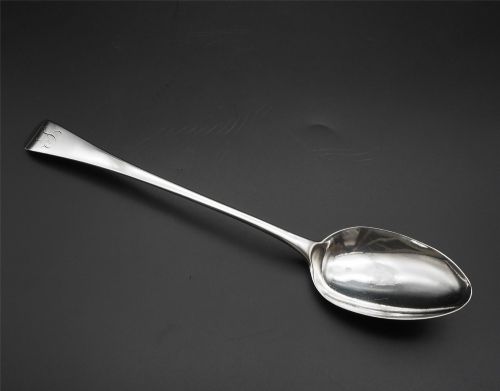
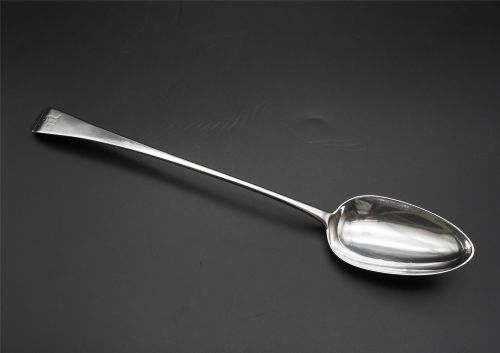
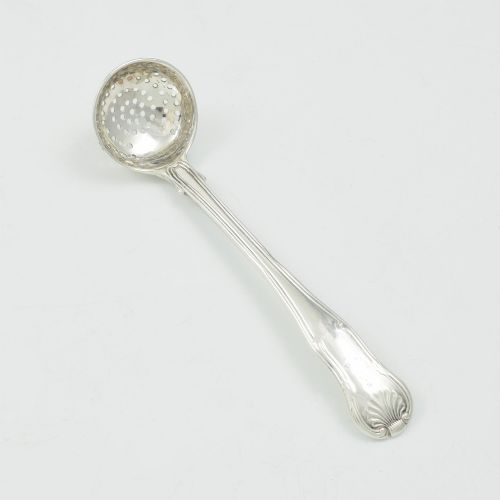
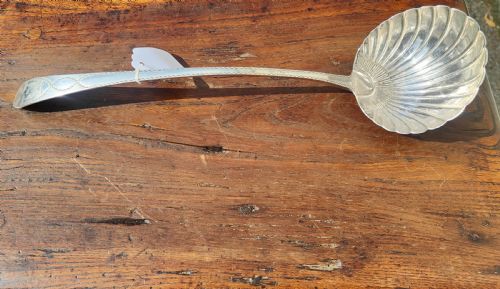
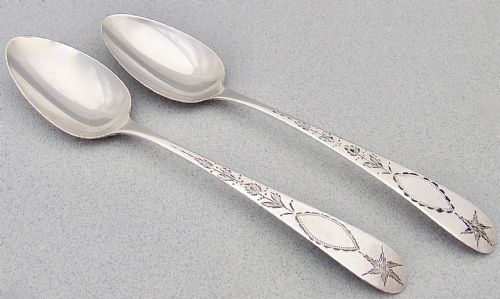
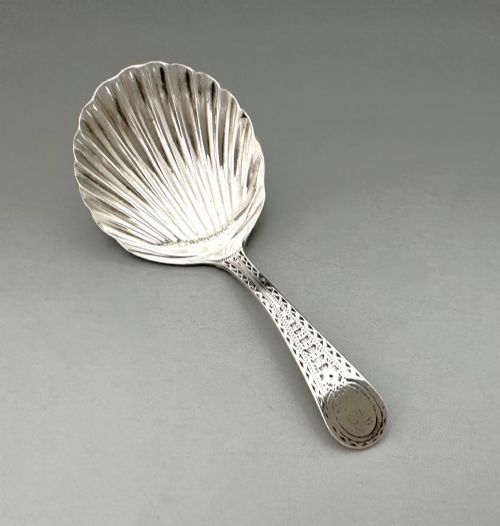
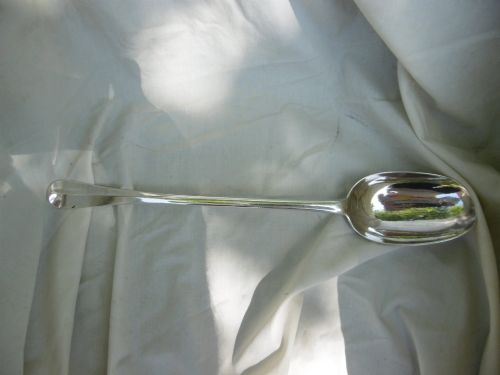
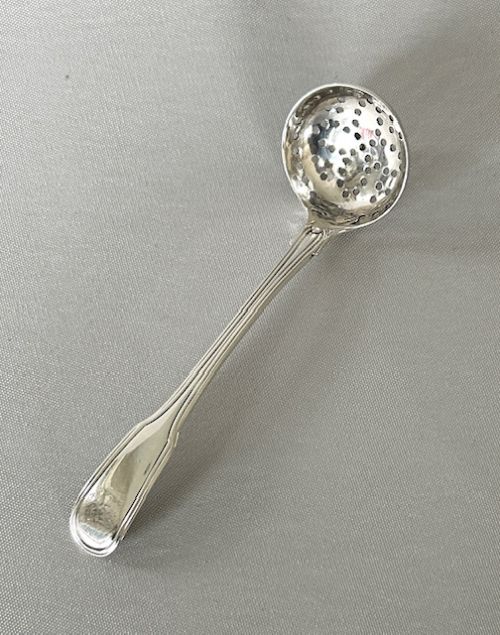
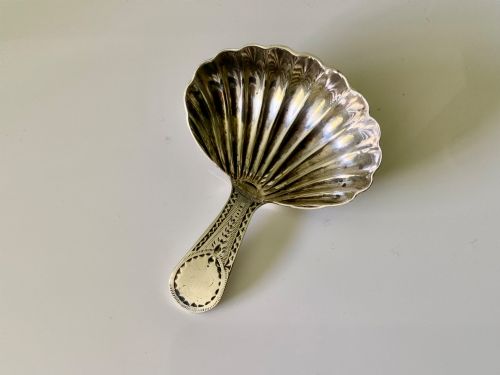
When searching for georgian sterling silver spoons, buyers encounter table silver originating from the eighteenth and nineteenth centuries, spanning distinct reigns and stylistic shifts. The forms most frequently met include serving spoons, basting spoons, dessert spoons and specialised berry spoons.
Many examples survive in pairs or matched sets, often housed in fitted cases lined with materials such as velvet or silk. These items reflect the formal dining practices of the period, ranging from English production to pieces originating in Ireland, Scotland and regional centres like Newcastle.
Materials and Techniques
These items are shaped from solid sterling silver, occasionally finished with a layer of gilt applied to the metal surface. Production methods rely on traditional silversmithing techniques, resulting in robust forms designed for table use.
Many serving spoons receive later embellishments, where bowls are embossed with fruit or floral motifs and chased or pierced by hand. Cased sets incorporate protective containers lined with textiles, keeping the silverware preserved.
Retail Price Guide 2026
Typical UK retail prices for georgian sterling silver spoons, calculated from the Sellingantiques database of over a million retail prices indexed since 2003. This retail price guide relies exclusively on Sellingantiques data; no external sources or auction records are used, so the figures do not describe the wider market.
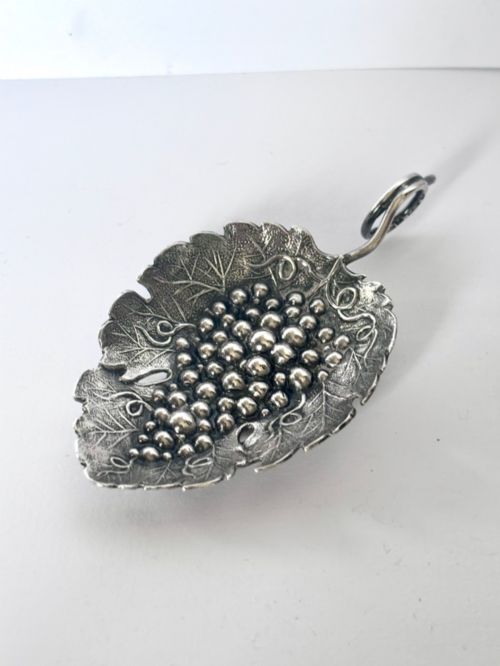
Birds and berries frequently decorate the silver bowls.
Factors of Quality
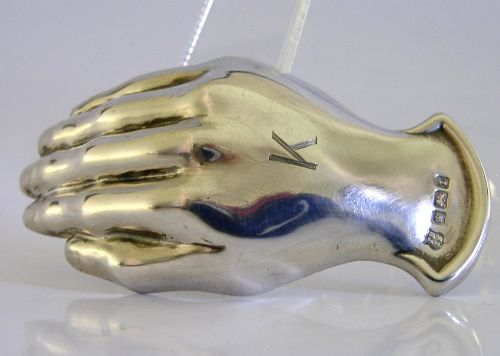
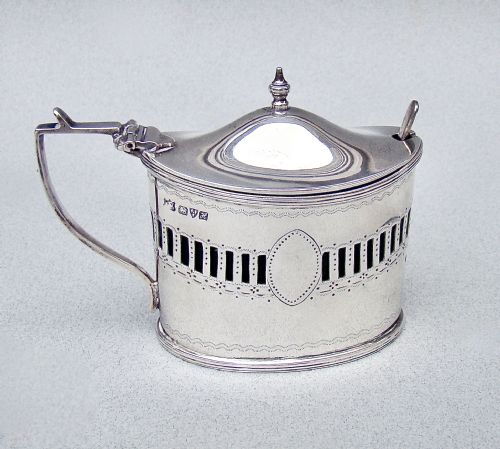
Quality rests upon the clarity of the hallmarks stamped into the metal, indicating the maker, city and year of creation. Crispness in the chased and embossed detailing of berry spoons distinguishes finer examples from simpler production.
The survival of original fitted cases and the integrity of the silver gilt surfaces contribute to the standing of a piece within the range of available silverware.
John Locker·Bateman·Hester Bateman·R Hennell
The Georgian Sterling Silver Spoons Glossary
- Sterling silver
- A silver alloy containing 92.5 percent pure silver and 7.5 percent other metals, typically copper, used to provide durability for tableware.
- Berry spoon
- A serving spoon, often produced during the Georgian period, featuring embossed fruit and chased foliage added to the bowl.
- Gilt
- A thin layer of gold applied to the surface of the sterling silver, creating a contrasting gold-coloured finish on the interior of bowls or entire pieces.
- Hallmark
- A series of official marks stamped onto silver items to guarantee the metal standard, assay office, maker and date of manufacture.
- Basting spoon
- An elongated serving spoon originally utilised in the kitchen or at the table for managing meats and liquids during dining.
Frequently Asked Questions
How are these spoons used today?
These silver items serve both decorative and functional roles in modern homes. Many collectors utilise them during dining occasions for serving desserts or side dishes.
Alternatively, they are displayed within fitted presentation cases or cabinets to preserve their historical condition.
How do I identify a period piece?
Authentication relies on examining the hallmarks stamped directly into the silver. These marks indicate the assay office, the active year and the silversmith responsible.
Stylistic elements like handle shapes and chasing techniques provide additional context regarding the era of production.
What is a berry spoon?
Berry spoons are serving utensils that typically feature heavily chased and embossed fruit motifs across the bowl. While many date to the Georgian era, the decorative fruit work was frequently added to plain spoons during subsequent decades.
They appear both individually and within cased pairs.
Are these items found in sets?
Silver spoons from this era frequently survive as pairs or matched sets rather than single items. Some sets include original fitted boxes lined with velvet or silk.
Larger groupings, such as sets of four or six, occasionally appear in the record.