

Antique Sterling Silver Utensils
Antique sterling silver utensils are historic tools of the table and sideboard, prized by collectors for their intricate craftsmanship and enduring utility.
Antique Sterling Silver Utensils
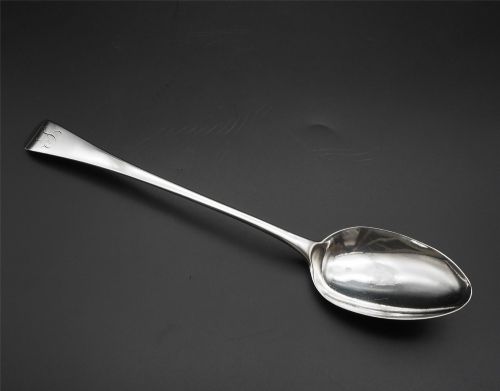
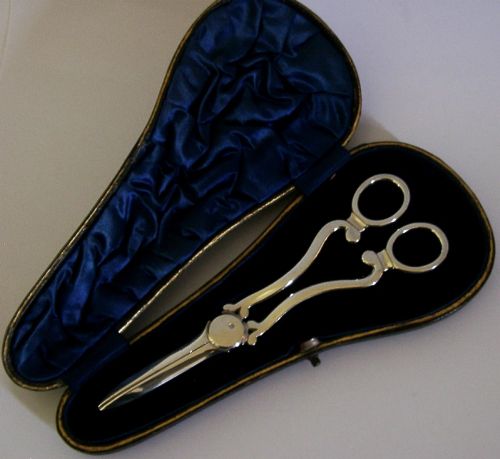
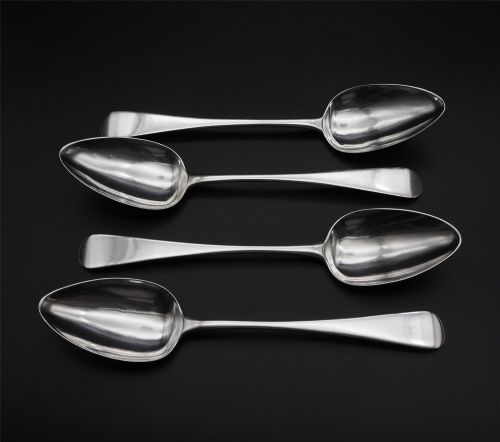
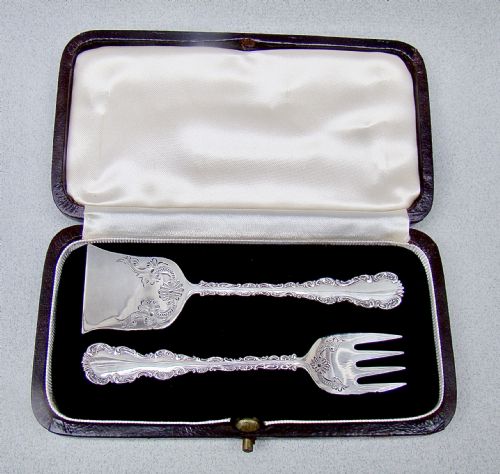
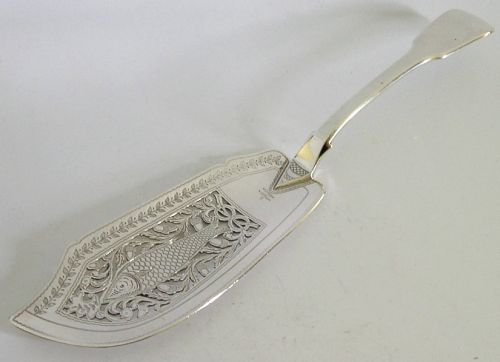
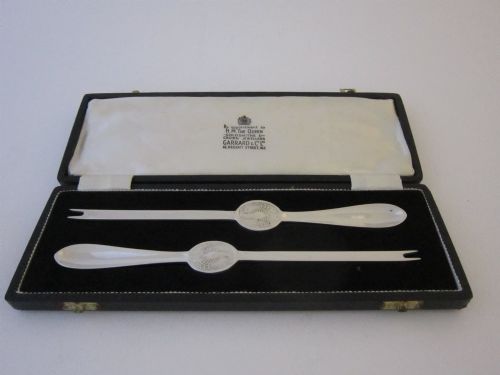
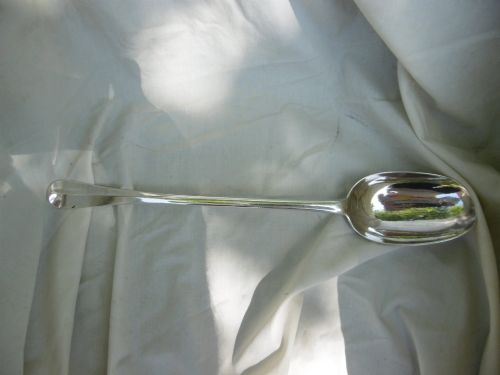
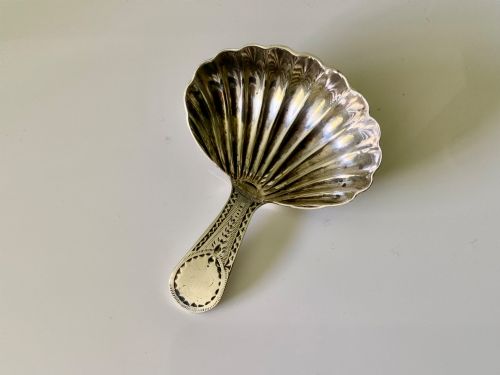
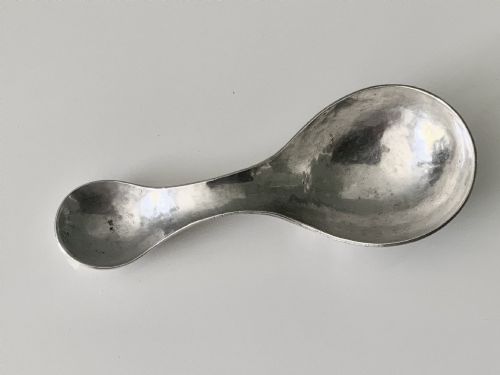
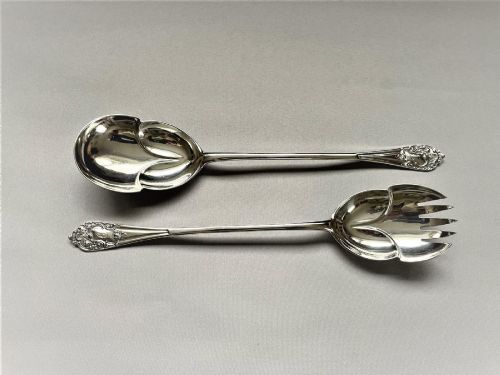
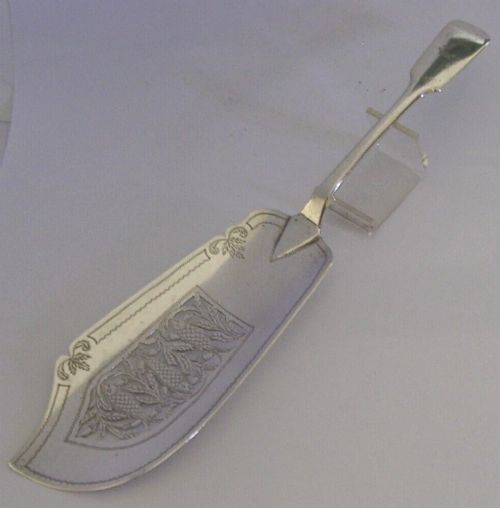
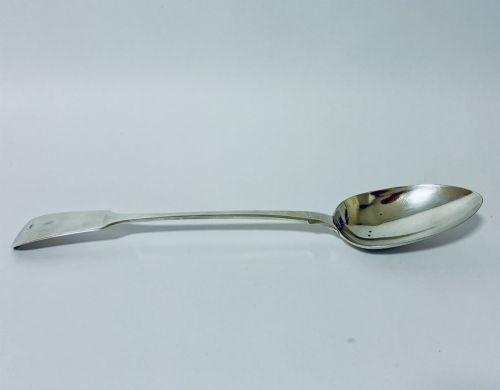
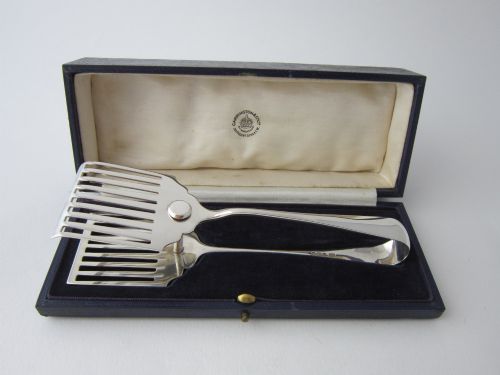
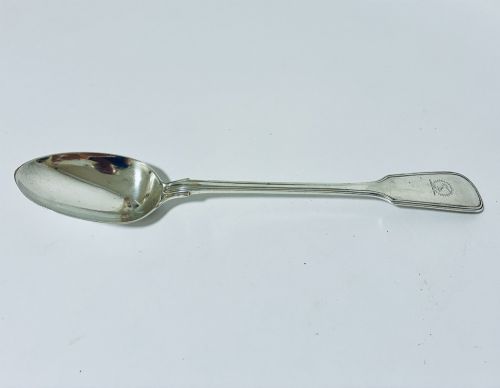
When you search for antique sterling silver utensils, you enter a diverse field spanning the eighteenth, nineteenth, and twentieth centuries. The pieces on offer range from large serving spoons and fish slices to delicate caddy spoons, marrow scoops, and grape shears.
Georgian and Victorian examples dominate the selection, bringing distinctive regional assay marks and period styles like George III, William IV, and Late Victorian into daily use. You will also encounter Edwardian and later twentieth-century items, including cased sets and specialised serving pieces.
Materials and construction
Silversmiths forged these items primarily from sterling silver, often combining the metal with complementary materials such as mother of pearl handles, glass inserts, or fitted velvet and silk linings in presentation cases.
Traditional hand-hammered and cast techniques governed production, with handles frequently cast separately and attached to bowls, tines, or blades through soldering and reinforcement.
Marrow scoops remind us that our ancestors held a profound appreciation for the rich, savoury depths of bone marrow at the dinner table.
Assessing quality and distinction
Quality rests in the crispness of the hallmarks, the integrity of the maker's mark, and the weight and balance of the piece in the hand. Substantial gauge silver resists bending and retains its structural form through centuries of use.
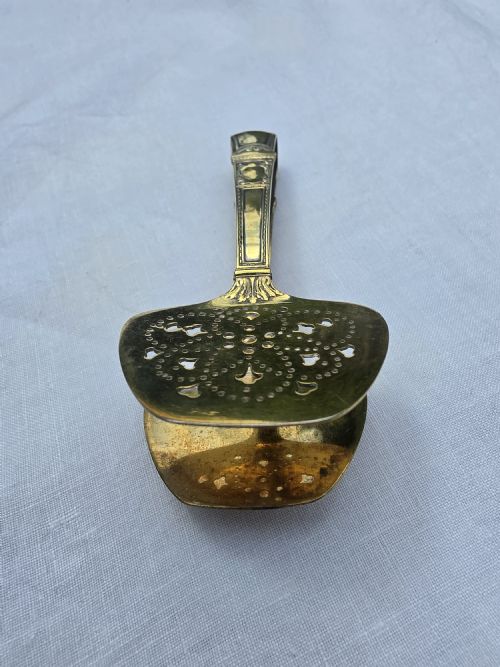
Artistry in chasing, engraving, and pierced work elevates individual items, distinguishing standard production tableware from bespoke creations by renowned makers.
Henry Wilkinson·Andrew Archer·Tiffany and Company·Jonathan Hayne·Hamilton and Inches·William Devenport·Georg Jensen·Hester Bateman
The Antique Sterling Silver Utensils Glossary
- Sterling silver
- An alloy containing a high proportion of pure silver combined with other metals to ensure durability in functional objects.
- Assay mark
- An official stamp indicating the standard of silver purity, the office of testing, and often the year of manufacture.
- Fish slice
- A broad, flat serving utensil designed for portioning fish at the table, frequently decorated with pierced scrollwork.
- Marrow scoop
- A narrow, trough-like implement historically used for extracting bone marrow, featuring dual-ended differing widths.
- Caddy spoon
- A short-handled spoon specifically proportioned for measuring loose tea leaves from a caddy.
Antique Sterling Silver Utensils: Frequently Asked Questions
How do I date antique silver?
Dating relies on the system of stamped hallmarks found on the metal, which include date letters, standard marks, and town marks.
Reference tables match these individual punches to specific assay years and offices.
Were these utensils used daily?
Many items served practical functions in historic dining rooms, from basting joints of meat to portioning fish and serving vegetables.
Heavier pieces saw robust use at the sideboard, while cased sets remained preserved for formal occasions.
How should I clean silver utensils?
Gentle washing in warm soapy water with a soft cloth removes everyday residues without abrasive wear.
Specialised silver dips or pastes should be used sparingly to protect engraved details and hallmarks.
Can I use them for modern dining?
Solid silver utensils remain entirely functional for contemporary dining and entertaining, bringing historic character to the table.
Careful hand washing preserves the finish and prevents damage to organic handles like mother of pearl.